Economic and Business History
Holds histories of economic growth, trade, commodities, industrialisation, corporations and the tycoons who built them.
Start here
- The History of the Standard Oil CompanyIda M. Tarbell, 1904
- Strategy and StructureAlfred D. Chandler Jr., 1962
- The Visible HandAlfred D. Chandler Jr., 1977
- Prophets of RegulationThomas K. McCraw, 1984
- The ReckoningDavid Halberstam, 1986
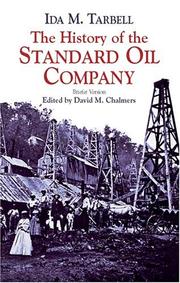
How Standard Oil used railroad rebates to crush rival refiners, case by case.
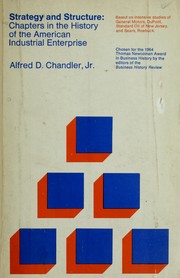
How DuPont, GM, Standard Oil and Sears built the multidivisional firm.
How salaried managers replaced markets in coordinating US business, 1840 to 1920.
Recommended by: Paul Graham
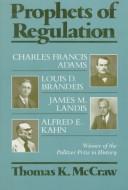
A century of US regulation through four figures, from Charles Francis Adams to Kahn.
Ford and Nissan side by side, showing why US carmakers lost to Japan.

How cost accounting served managers until financial reporting took it over.
Why big industrial firms in the US, Britain and Germany rose or lagged, 1880 to 1940.
The history of oil from the first Pennsylvania well to the Gulf War.
Recommended by: Mohnish Pabrai, Patrick O'Shaughnessy and 3 others

A century of the American cigarette industry, from mass marketing to 1990s lawsuits.

Why some nations grew rich over 500 years, with culture as the deciding factor.
Recommended by: Charlie Munger, Mohnish Pabrai, Jamie Dimon and 1 other
How IBM and its German subsidiary worked with Nazi Germany from 1933 through the war.
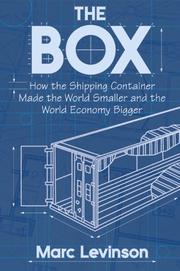
How the shipping container cut freight costs and remade global trade.
Recommended by: Bill Gates, Mohnish Pabrai, Paul Graham and 1 other
Henry Ford's failed attempt to build a small American town in the Amazon.

How the transcontinental railroads, the first corporate giants, reshaped America.

How American manufacturing rose to lead the world, and why its share then fell.
Recommended by: Mohnish Pabrai

How media from the penny press to social media capture attention and resell it.
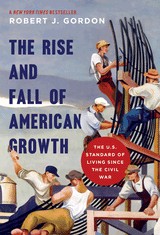
Why the inventions of 1870 to 1970 raised living standards as nothing since has.
“This is a heavyweight (literally) masterpiece... It's a data-rich textbook as well as a phenomenal read.” — Christopher Bloomstran
Source: Semper Augustus 2020 Letter to Clients, 'To Read or Not to Read', p. 57
Recommended by: Bill Gates, Christopher Bloomstran and 2 others

Three generations of the Sackler family and how Purdue Pharma sold OxyContin.
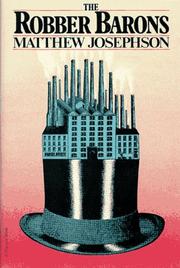
How Vanderbilt, Gould, Rockefeller, Morgan and others built 19th-century fortunes.
Recommended by: Larry Ellison
Charles Schwab's rise from Carnegie's mill to head US Steel, then build Bethlehem.

The big international oil companies and how the 1973 embargo took away their control.

The standard group history, repeatedly revised and expanded.
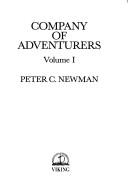
The first volume of a history of the Hudson's Bay Company.
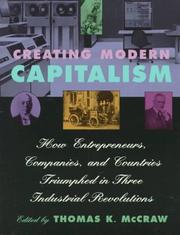
How Britain, Germany, Japan and the US each built their own form of capitalism.
Recommended by: Mohnish Pabrai
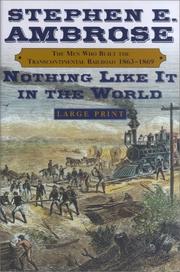
The investors, politicians and workers who built the transcontinental railroad.
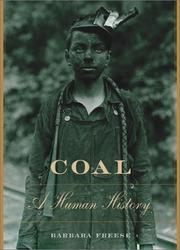
How coal built empires and economies, and the death and pollution it caused.

A short history of the joint stock company, from trading charters to multinationals.
Recommended by: Paul Graham

The Ford Motor Company from 1903 to the end of the 20th century.
Recommended by: Paul Graham

The 1976 tasting of top French wines against new California ones, and its effects.
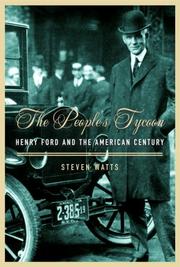
Henry Ford as a shaper of American culture as much as of its industry.

What drives family business dynasties such as the Rothschilds, Fords and Toyodas.
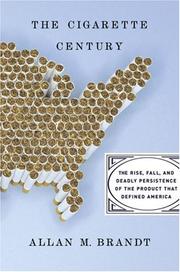
How the cigarette rose in 20th-century America, and how its harm was proved.
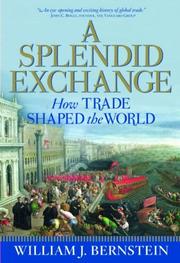
Long-distance trade from Mesopotamia and the spice routes to modern globalisation.
Recommended by: Patrick Collison, Mohnish Pabrai, Nick Szabo

The record-priced 1787 Lafite said to be Jefferson's, and doubts about its origin.
Recommended by: Tim Ferriss
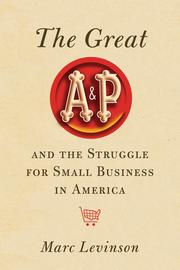
How A&P became the world's largest retailer and the political fight it set off.
Recommended by: Patrick Collison
A global history of cotton used to trace how capitalism developed.

The rise and fall of the American department store, with Sears throughout.

American economic growth from colonial times to now, driven by creative destruction.
A political history of American monopoly and of the tradition that fought it.
Recommended by: David Heinemeier Hansson

The US drug industry from patent medicines to the opioid epidemic and the Sacklers.

The first independent scholarly history using company archives.

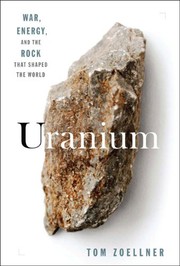
Six materials the world runs on, sand, salt, iron, copper, oil and lithium, traced.

The major revisionist defence written against Tarbell.

The classic scholarly history of the mail-order and store model.
The authorised scholarly history of Standard Oil of New Jersey.
The family and trusts that outlived the operating company.

How Unilever's overseas subsidiaries worked, 1895 to 1965.
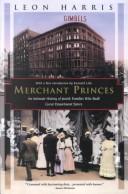
The Jewish families behind America's great department stores.

Jardine Matheson and the model of the diversified Hong Kong trading house.
Why the first merger wave happened and why most of it disappointed.

Three generations of Rockefellers and how the fortune passed down.

How the Vanderbilt heirs spent and scattered the family fortune.

The 1989 Exxon Valdez oil spill and Exxon's response, reported from Alaska.
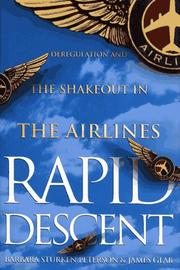

Commercial aviation from biplanes after the First World War to deregulation.

The next generation of Canada's business owners after the old Establishment.
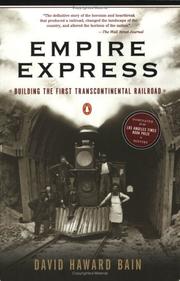
The building of America's first transcontinental railroad, from plan to completion.

How Kodak's advertising taught Americans what to photograph.
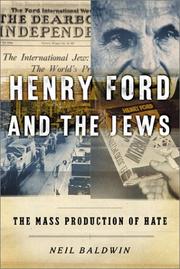
How Henry Ford published The International Jew, a book the Nazis spread.

The two Wall Street Journal reporters who broke the story.
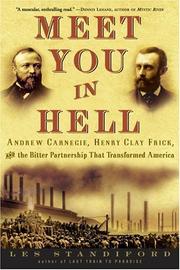
How the Homestead strike turned Carnegie and Frick's partnership into a feud.

Carnegie, Rockefeller, Gould and Morgan and the economy they built
“on how four great builders of the 19th century built the world we live in today” — Marc Andreessen
Source: @pmarca, companion thread to 'It's Time to Build'
Recommended by: Marc Andreessen

Conrail, deregulation and how US railroads returned to profit.
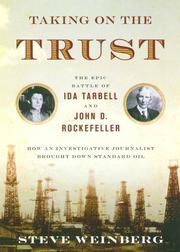
Ida Tarbell and John D. Rockefeller, and the collision between the two.

Illustrated studio history tied to the documentary of the same name.
The rise and fall of the Texas oil fortunes, the Hunts among them.

Harvard business historian; sets her brand-building against the whole industry.
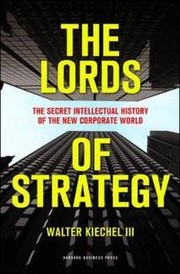
How BCG, Bain and McKinsey created the market for strategy itself.
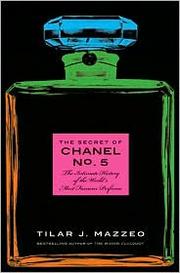
One product's history, including the Wertheimer deal that made the money.

How tobacco chemists engineered cigarettes, drawn from the industry's own documents.
Why US railroads declined under regulation and recovered after the Staggers Act.

How Star Wars merchandise came to outgrow the films that created it.
Argues price stability always required a swing producer or cartel.

Short critical history of the brothers and the studio style.


How Walt Disney bet his company on building Disneyland.

History of the Vienna school as a network, including its financing and its export to the US.

Glencore, Vitol, Trafigura and Cargill; the definitive book on the trading houses.

The original population-versus-resources argument that still frames the debate
Recommended by: Mohnish Pabrai

Recommended by: Patrick Collison

How the Industrial Revolution's self-regulating market upended society.
Recommended by: Satya Nadella

Recommended by: Mohnish Pabrai

Recommended by: Eric Weinstein

How economics copied the maths of 19th-century physics, and what that cost it.
“there's a wonderful book called More Heat Than Light by a professor named Phil Mirowski, which documents how economists mapped over equations from Newtonian physics” — Michael Mauboussin
Source: The Tim Ferriss Show #659 — official transcript
Recommended by: Michael Mauboussin, Eric Weinstein

Why Britain's empire after the Seven Years War struggled with the costs of power.
Recommended by: Mohnish Pabrai
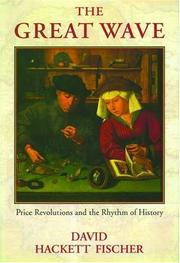
Eight centuries of price revolutions and what ended each one.
Recommended by: Balaji S. Srinivasan, Ryan Peterson

Recommended by: Mohnish Pabrai

Recommended by: Mohnish Pabrai

J. G. Boswell and the secret farming empire he ran in the heart of California.
Recommended by: Mohnish Pabrai
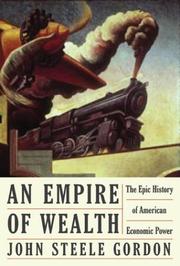

Recommended by: Mohnish Pabrai, Morgan Housel
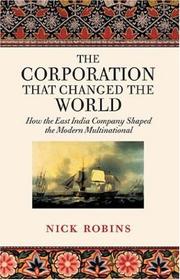
The East India Company, from spice trader to ruler of India: the first multinational.
Recommended by: Patrick Collison

Recommended by: Patrick Collison
Revolutions in power, transport, communication and organisation that made big firms.
Recommended by: Paul Graham

Economics applied to pirates: why they behaved as they did and why they succeeded.
Recommended by: Mohnish Pabrai

Recommended by: Patrick Collison

Recommended by: Patrick Collison, Raoul Pal
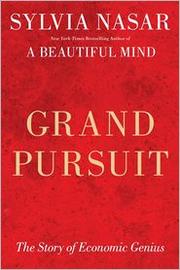
Recommended by: Mohnish Pabrai

Recommended by: Mohnish Pabrai

Recommended by: Mohnish Pabrai


Recommended by: Mohnish Pabrai, Patrick Collison

Extortion at Domaine de la Romanee-Conti.

Recommended by: Nick Szabo

Recommended by: Chamath Palihapitiya


 Daniel Yerginwrote 1 book here
 Vaclav Smilwrote 1 book here
 Alan Greenspanwrote 1 book here
 Mohnish Pabrairecommends 18 books here
 Patrick Collisonrecommends 10 books here
 Paul Grahamrecommends 7 books here
 Bill Gatesrecommends 3 books here
 Marc Andreessenrecommends 2 books here
 Eric Weinsteinrecommends 2 books here
 Ryan Petersonrecommends 2 books here
 Satya Nadellarecommends 2 books here
 Charlie Mungerrecommends 1 book here
Show all 26
 David Heinemeier Hanssonrecommends 1 book here
 Balaji S. Srinivasanrecommends 1 book here
 Chamath Palihapitiyarecommends 1 book here
 Emmett Shearrecommends 1 book here
 Jamie Dimonrecommends 1 book here
 Larry Ellisonrecommends 1 book here
 Tim Ferrissrecommends 1 book here
 Tobi Lütkerecommends 1 book here