Asia, Africa, Latin America and the Middle East
Holds national and regional histories of China, India, Southeast Asia, Japan, Korea, Australasia, Latin America, Africa and the Middle East, many written for readers judging those economies.
Start here
- MITI and the Japanese MiracleChalmers A. Johnson, 1982
- The Economic History of Latin America since IndependenceVictor Bulmer-Thomas, 1994
- The AnarchyWilliam Dalrymple, 2019
- The Migrant Cocoa-Farmers of Southern GhanaPolly Hill, 1963
- Peru 1890-1977: Growth and Policy in an Open EconomyRosemary Thorp, Geoffrey Bertram, 1978
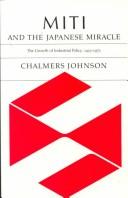
How Japan's trade ministry steered industry from 1925 to 1975.
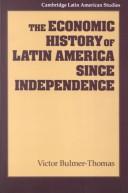
Latin America's economies from independence to today, period by period.
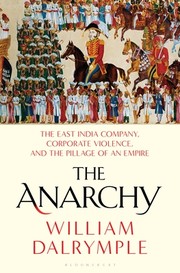
How the East India Company became the first corporation to conquer a country.
Classic fieldwork proving African farmers were rational capitalist investors.
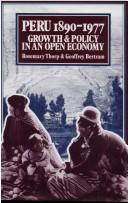
Peru's export economy from 1890 to 1977, and why growth did not bring development.
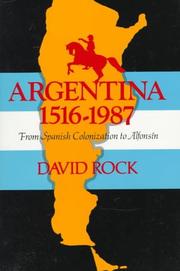
Argentina from Spanish conquest to the 1980s, and its reliance on foreign partners.
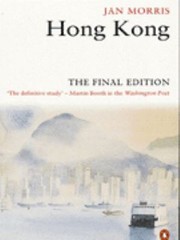
Hong Kong at its commercial peak, before the handover to China.
The standard one-volume history; the institutional backdrop to everything else.
The standard history; the state-business relationship runs through it.
Singapore's economy from a British trading post in 1819 through the postwar years.

Latin America's reforms from the 1980s debt crisis to the mid-1990s, assessed.
How Chicago-trained Chilean economists came to run economic policy under Pinochet.

Mexico in the NAFTA era: an uprising, assassinations, corruption and a $50bn bailout.

How Vietnam moved from central planning to a market economy, from field research.

Essays on why Brazil's and Mexico's economies lagged from 1800 to 1914.
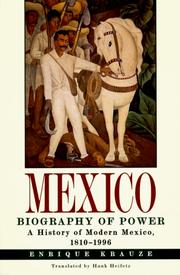
Modern Mexico from the insurgent priests of the 1810s to Zedillo and the Zapatistas.
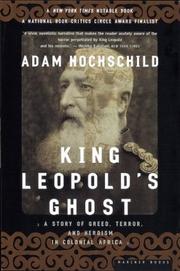
How King Leopold II of Belgium seized the Congo as his own colony in the 1880s.
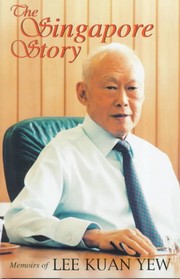
A founding leader's account of his life and Singapore's politics and history.
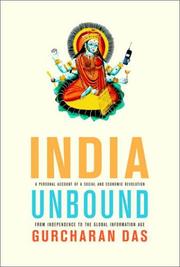
India's economy from independence to 2000, told alongside a P&G executive's career.
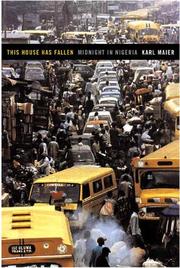
Nigeria, Africa's most populous nation, and why things are going badly there.
Essays on why a rich, well-endowed Argentina stagnated for so long.
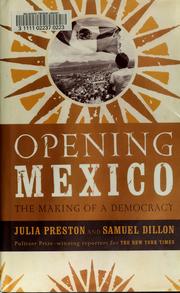
The citizens' movement of reformers and activists that ended Mexico's one-party rule.
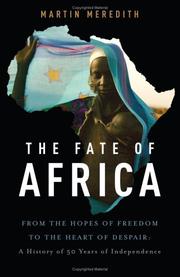
Africa from independence to the present, country by country.
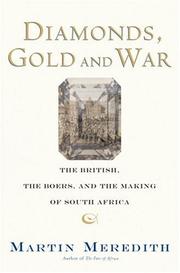
How diamonds and gold set Britain against the Boers before the 1910 union.
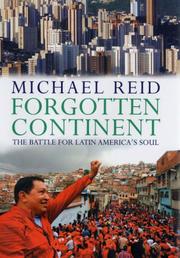
Latin America is neither doomed to fail nor saved by one reform; a balanced view.
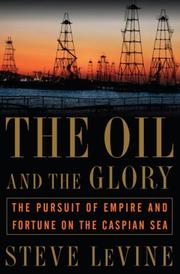
The fight for Caspian Sea oil from the 19th century to the present.
A scholarly history of Singapore as a trading port from 1819 to 2005.
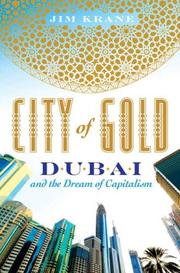
How Dubai became the world's fastest-growing city until the credit crunch.
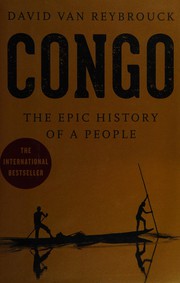
Congo from the slave trade and King Leopold to Mobutu and the resource wars.
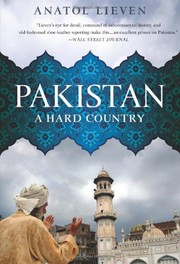
Kinship networks, patronage and why the state is weaker and more durable than it looks.
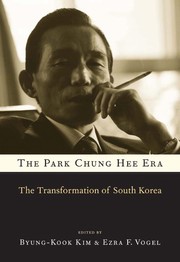
The authoritative volume on how the developmental state was built.
Kenya since 1963: a stable state held back by colonial legacies and poverty.
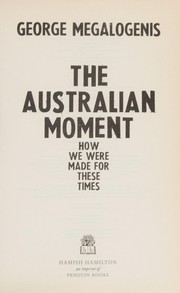
How deregulation from 1983 produced three decades without recession.
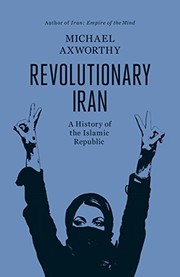
Political history that explains who controls which parts of the economy.
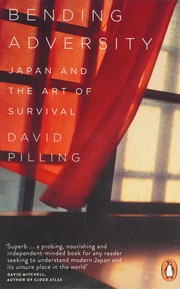
Japan after the 2011 earthquake, tsunami and Fukushima, and how it might recover.
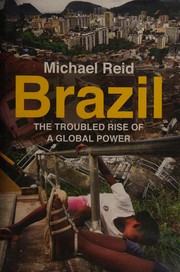
Brazil's rise toward economic power and the many problems it still faces.
Why the security state crowded out the productive economy from the start.
Zimbabwe's history from Rhodesia's 1965 break to Mugabe, by a lawyer and MP.
New Zealand's economic history from the Maori gift economy to climate policy.
Chile's market reforms under Pinochet and their results up to the 2019 protests.
Current account of the cross-strait risk that prices every Taiwanese asset.
Trans-Saharan gold and salt trade; the medieval West African economy
“Bovill, The Golden Trade of the Moors” — Paul Graham
Source: Rarely-Asked Questions — paulgraham.com
Recommended by: Paul Graham
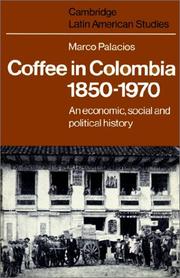
Economic history of the crop, the growers' federation and the export institutions built around it.
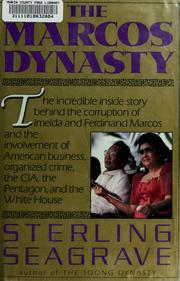
How Ferdinand and Imelda Marcos built crony monopolies and hid their wealth abroad.
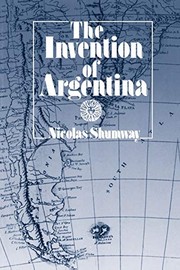
The rival national ideas behind Argentina's recurring policy reversals.
The family dynasties that have run the Philippines' politics and conglomerates.

Comparative coffee political economy; sets Colombia's growers' federation in context.
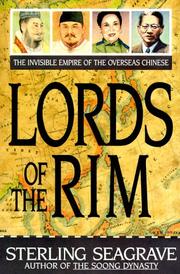
The Overseas Chinese business families and their fortunes around the Pacific.
The pre-crisis baseline: how the boom economy was actually structured.
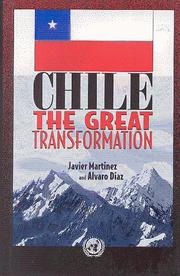
How the productive structure and business class were remade after 1973.
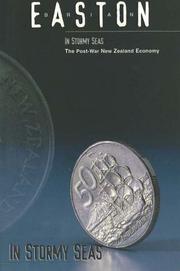
The post-war economy through the liberalisation, by its best chronicler.
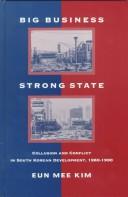
The state-chaebol bargain and how it shifted over forty years.
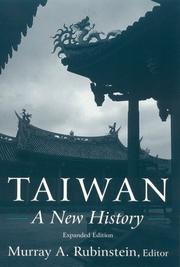
Taiwan's history, including its land reform and base of small firms.
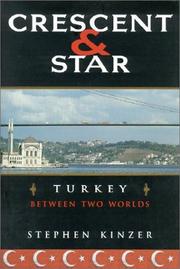
Turkey caught between two worlds, its politics up to the 2001 bank crisis.
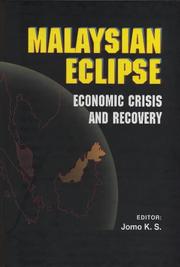
Malaysia's 1997-98 crisis and its unorthodox answer of capital controls.
Colombia's history read through its regional divisions, the fact behind its markets.
How experts, capital and land were arranged in modern Egypt.
How great powers and local people fought over Taiwan, through the party-state era.
The political history behind the current institutional settlement.

The standard modern history, strong on business families and state capital.

Indonesia's 1997-98 collapse and the fall of Suharto, reported on the ground.
Why the Philippine state stays weak while strong families hold power.
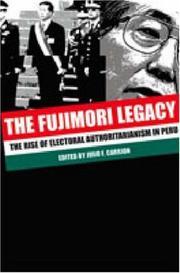
Stabilisation, privatisation and the authoritarian bargain that delivered them.
How Hong Kong's banks and bank crises shaped the miracle economy.
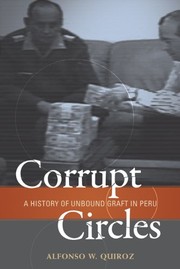
Two centuries of graft quantified; the cost of doing business, measured.
The history of Pakistan's army and its hand in how the country is governed.
The forced labour on Lord Leverhulme's Congo palm-oil concessions behind his soap.
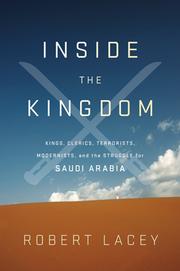
Saudi Arabia's oil wealth, religious establishment and attempts at reform.
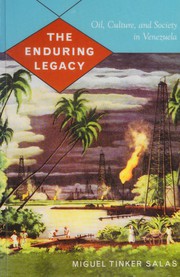
The foreign oil companies' camps in Venezuela and the society they shaped.
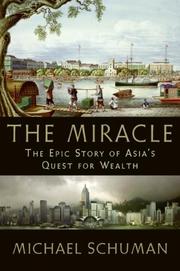
Asia's growth stories told through the people who drove them.
Recommended by: Mohnish Pabrai

Egypt from Nasser to Mubarak: its politics, economy and crony privatisations.
Why growth kept disappointing despite reform; good on institutions and productivity.
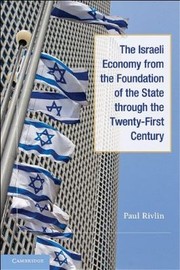
The wider economy: labour markets, defence spending, inflation and stabilisation.
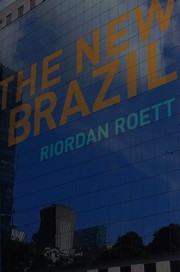
Institutional history of the stabilisation that made the commodity boom possible.
Ten years of field data on what actually happened to seized farmland.
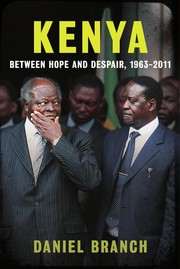
Ethnic coalition politics as the mechanism that allocates economic rents.
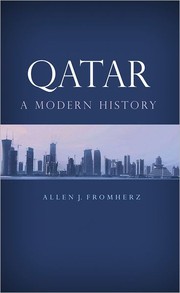
How the Al-Thani family shaped modern Qatar and took hold of its gas wealth.
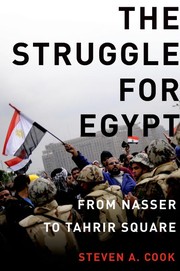
Egypt from Nasser to Tahrir Square, and its state-run economy and opening.
The commodity-boom decade and the institutions underneath it.

How Vietnam's Communist Party talked itself into opening the economy and joining WTO.
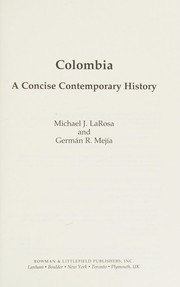
Modern Colombia through its reform years and the security-led recovery.
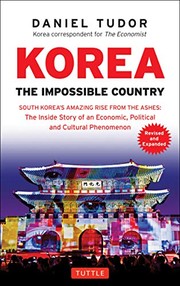
The society and politics a foreign investor in Samsung is buying into.
Thailand's royal succession and the political violence and censorship around it.

Dhaka's garment industry from Rana Plaza back through its supply chain.
Academic but decisive: the decline began decades before Chávez, and shows why.
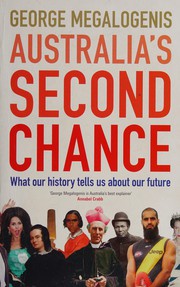
Migration and openness as the source of Australia's long-run growth.
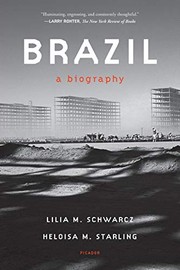
Brazil's long history and the roots of its inequality and patronage politics.
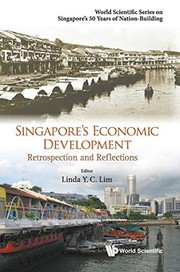
Retrospective essays on the limits of the model and what comes next.
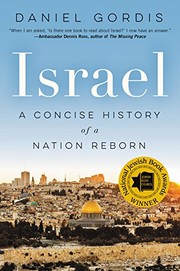
Israel's political history and the choices behind its economy.
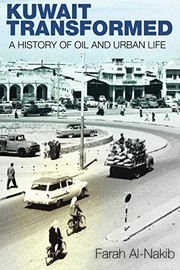
How oil rebuilt Kuwait City and how land deals made its merchant fortunes.
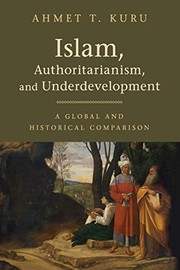
Why Muslim-majority countries lag: an old alliance of clerics and military states.
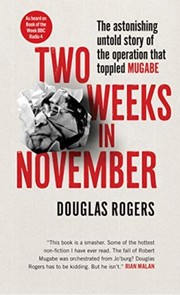
The 2017 coup reported from inside, including its business backers.
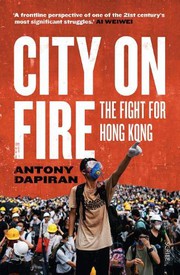
Hong Kong's 2019 protests, from the extradition bill to months of street battles.
Colonial economism and the debt-and-cotton origins of the modern Egyptian economy.
Modern Saudi Arabia's history, and whether its system can change as Vision 2030 asks.
Insider: two federal police delegates on the Lava Jato investigation.
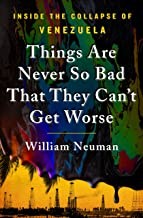
Reporting on the endgame: PDVSA's decay, default, sanctions and dollarisation.
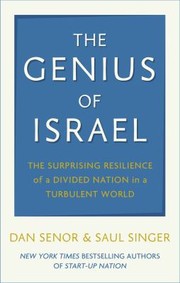
The social traits that the authors argue sustain Israel's success.
Recommended by: Patrick Collison, Ben Horowitz
Recommended by: Mohnish Pabrai
Dated but the only serious English work on Colombian manufacturing.
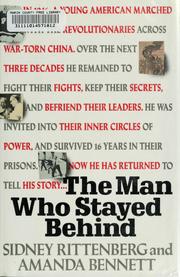
Memoir of the Cultural Revolution and Tiananmen; his only English-language book.
Recommended by: Mohnish Pabrai
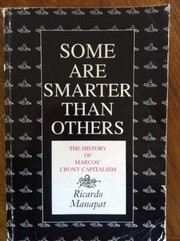
Hard-to-find catalogue of Marcos-era crony deals; the source everyone else cites.
Recommended by: Mohnish Pabrai, Richard Branson
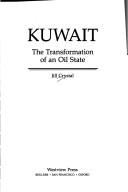
Includes the Souk al-Manakh episode and the Kuwait Investment Office.
Recommended by: Mohnish Pabrai
Recommended by: Patrick Collison
Morocco's history since 1830, and how its social relations changed over 150 years.

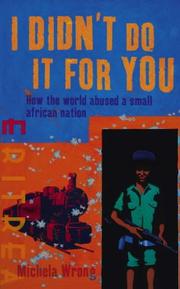

Property rights, land and violence as a continuous economic story.
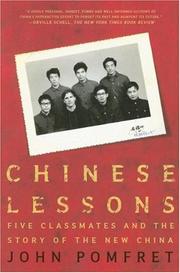
Recommended by: Patrick Collison
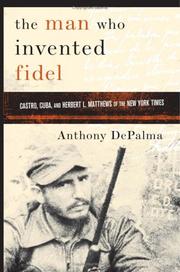
How a New York Times reporter's coverage of Castro shaped American views of Cuba.
Recommended by: Balaji S. Srinivasan
The copper enclave before nationalisation: labour, Anaconda and Kennecott.
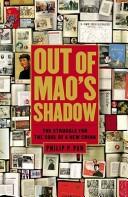
Chinese people who push for justice and freedom under an authoritarian state.
Recommended by: Patrick Collison
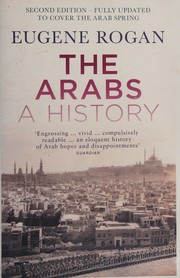
Recommended by: Balaji S. Srinivasan, Bill Gates
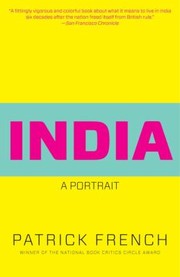
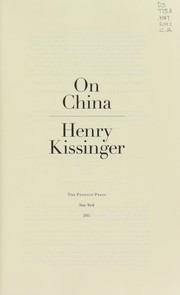
China's history and its ties with the West, drawn from talks with Chinese leaders.
Recommended by: Mohnish Pabrai
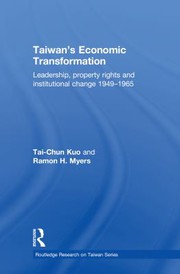
The policies that moved Taiwan's economy from agriculture to electronics.
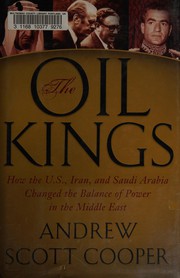
Recommended by: Mohnish Pabrai
Recommended by: Patrick Collison
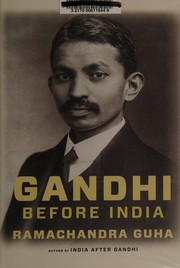
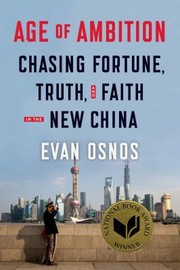
Recommended by: Nick Crocker, Patrick Collison
Recommended by: Mohnish Pabrai

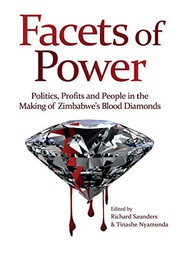
The Marange diamond fields; how an extractive rent was captured militarily.
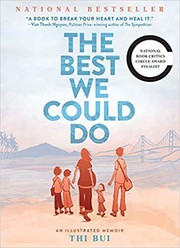

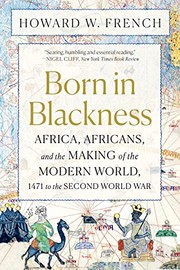
Recommended by: Tim Ferriss
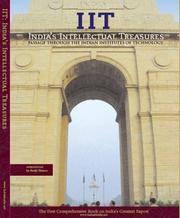
Recommended by: Mohnish Pabrai
How Partition shaped the troubled histories of India, Pakistan and Bangladesh.
Recommended by: Mohnish Pabrai

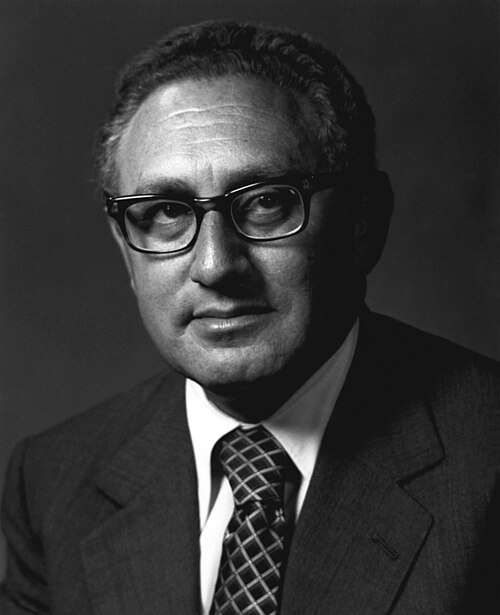 Henry Kissingerwrote 1 book here
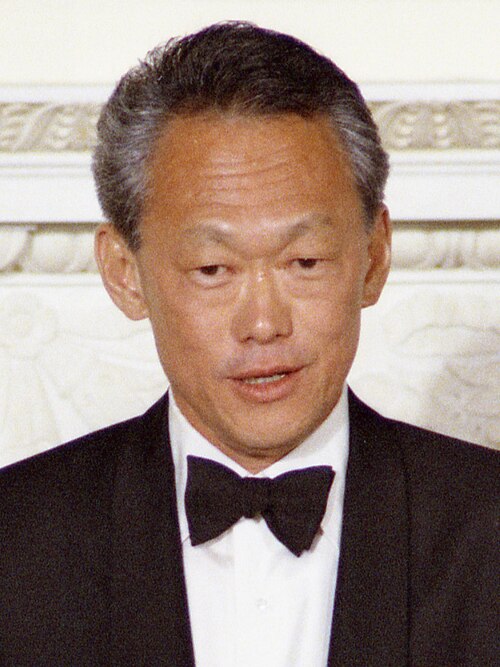 Lee Kuan Yewwrote 1 book here
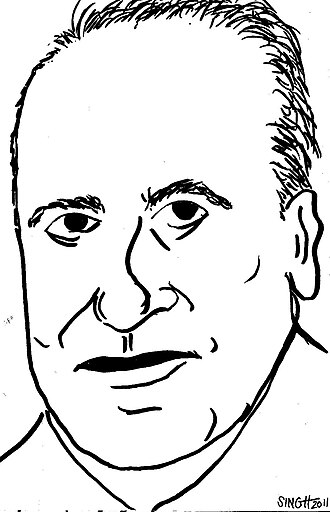 Mohnish Pabrairecommends 15 books here
 Patrick Collisonrecommends 14 books here
 Bill Gatesrecommends 4 books here
 Balaji S. Srinivasanrecommends 2 books here
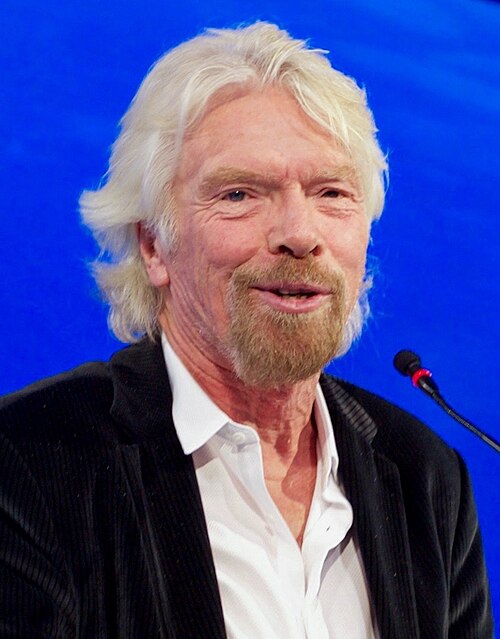 Richard Bransonrecommends 2 books here
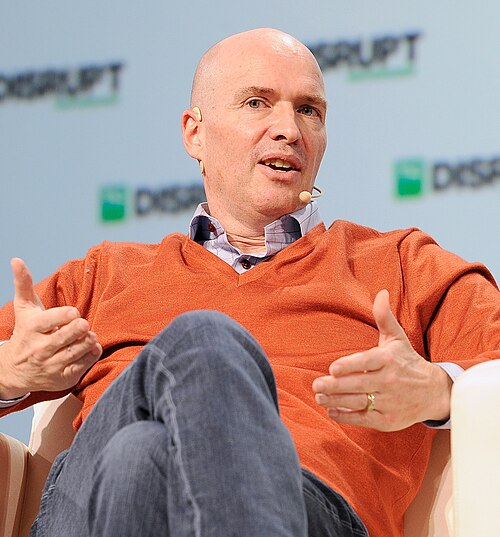 Ben Horowitzrecommends 1 book here
 Paul Grahamrecommends 1 book here
 Simon Sinekrecommends 1 book here
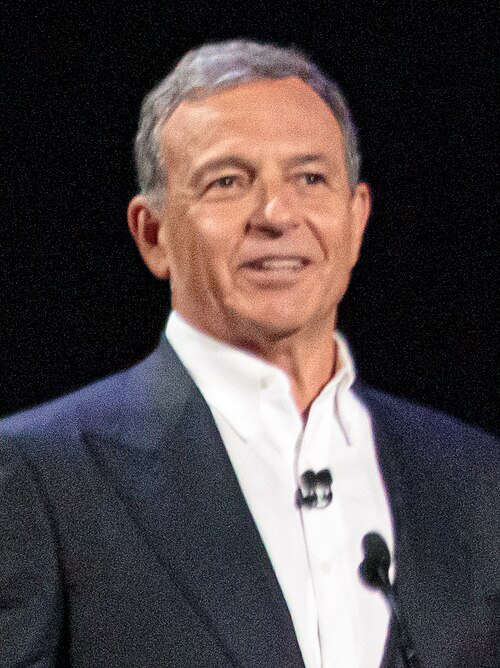 Bob Igerrecommends 1 book here
 Larry Ellisonrecommends 1 book here