Middle East and North Africa
Politics, oil wealth and ruling families in the Gulf states, Saudi Arabia, Iran, Turkey, Egypt and North Africa.
Start here
- The Commander of the FaithfulJohn Waterbury, 1970
- The KingdomRobert Lacey, 1981
- Capitalism and Class in the Gulf Arab StatesAdam Hanieh, 2011
- Revolutionary IranMichael Axworthy, 2013
- Money, Markets, and MonarchiesAdam Hanieh, 2018
How the palace balances elite factions; still the model for makhzen capitalism.

A class analysis of the Gulf states that rejects the standard rentier-state view.
Political history that explains who controls which parts of the economy.

How the Gulf states became central to the Middle East's political economy after 2011.

Saudi Arabia told through its oil business, from the 1930s concession to Aramco.

Mohammed bin Salman's rise to power in Saudi Arabia and the decisions that followed.

Egypt is the anchor case throughout; the standard textbook on regional state-business relations.
How oil revenue let rulers buy out the merchant families; the origin of the modern business elite.
The earlier survey: nationalisation, war financing and the bonyad economy.

Turkey caught between two worlds, its politics up to the 2001 bank crisis.
How experts, capital and land were arranged in modern Egypt.
How informal credit, trust networks and trade finance work when the banking system does not.

Why economic reform in the Middle East reshuffled privilege rather than ending it.
The emirate's development model and its structural dependencies.

How Egypt's judges, business elite and Islamists sought a path toward liberalism.

How Abu Dhabi's oil wealth built the emirate and gave rise to its sovereign funds.
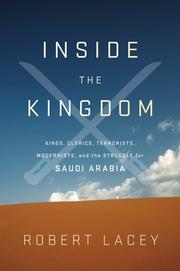
Saudi Arabia's oil wealth, religious establishment and attempts at reform.
Academic account of the post-2001 reform programme and its unwinding.

How Dubai became a centre for business and luxury, and the migrant labour beneath it.

Egypt from Nasser to Mubarak: its politics, economy and crony privatisations.

Dubai governed openly as a company, and what that means for those who invest there.

How the Al-Thani family shaped modern Qatar and took hold of its gas wealth.

Egypt from Nasser to Tahrir Square, and its state-run economy and opening.

The political-risk case that the Gulf monarchies will not last.

How Qatar's sovereign wealth fund serves its foreign policy.

Former finance minister on subsidies, privatisation and the rial.

How business associations and state elites actually bargain across the region.

The standard survey: bonyads, IRGC commercial holdings, subsidies and sanctions.

How Turkey's institutions, media and business were reorganised under AKP rule.

Sovereign funds, diversification plans and the limits of the rentier bargain.

How Erdogan's consolidation reshaped who wins contracts.
Firm-level evidence on politically connected business; Egypt is the core case.

How the Gulf monarchies' cheap domestic energy became their central fiscal problem.

Reporting on the construction-and-credit growth model and who benefited.

Erdogan's drive to make Turkey a great power, and its cost to the lira and budget.

Why Muslim-majority countries lag: an old alliance of clerics and military states.
Colonial economism and the debt-and-cotton origins of the modern Egyptian economy.
Modern Saudi Arabia's history, and whether its system can change as Vision 2030 asks.
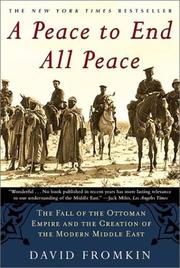

Includes the Souk al-Manakh episode and the Kuwait Investment Office.

Morocco against Tunisia: why business lobbies formed differently and what it did to reform.

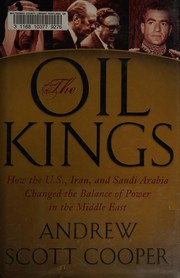
Recommended by: Mohnish Pabrai


Data on how Turkey's procurement law was amended to steer state contracts.
The 2017-21 blockade of Qatar and its effect on trade, aviation and supply chains.

 Patrick Collisonrecommends 2 books here
 Mohnish Pabrairecommends 1 book here
 Bob Igerrecommends 1 book here
 Larry Ellisonrecommends 1 book here