Globalisation, development and offshore money
Books on trade and globalisation, the debate over capitalism, development economics, foreign aid, resource wealth, tax havens and cross-border kleptocracy.
Start here
- The Mystery of CapitalHernando de Soto, 2000
- Exorbitant PrivilegeBarry Eichengreen, 2011
- The Oil CurseMichael L. Ross, 2012
- The Great ConvergenceRichard Baldwin, 2016
- Self-Help by the PeopleGeorge Jacob Holyoake, 1858
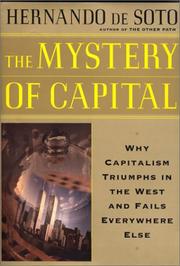
The poor hold assets but lack the property records that turn them into capital.
Recommended by: Mohnish Pabrai, Marc Andreessen
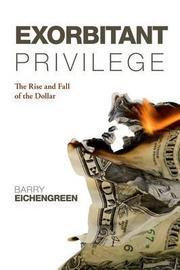
How the dollar became the world's currency, what it gives the US, what may follow.
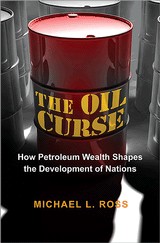
Why oil-rich countries have less democracy, less stability and more civil war.
Globalisation's two phases: cheap shipping of goods, then cheap movement of ideas.
Recommended by: Satya Nadella
The Rochdale Pioneers by a contemporary; the founding cooperative account.


Arguments for consumers to question and take on the corporate superbrands.
How the IMF handled the Asian and Russian crises of 1997 and 1998, from inside.
Emerging-market crises come from the structure of national balance sheets.
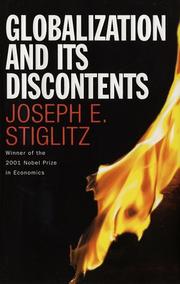
An attack on the IMF's one-size-fits-all policies in the crises of the 1990s.
Recommended by: Patrick Collison
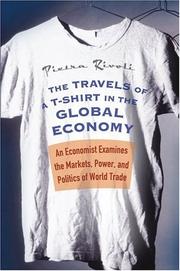
One T-shirt traced from a Texas cotton farm to a Chinese factory and beyond.
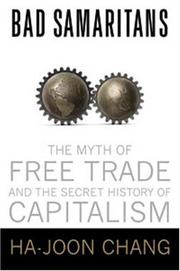
Rich countries urge poor ones to adopt the opposite of the policies they once used.
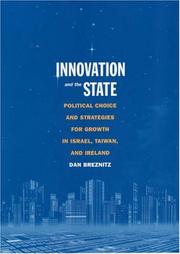
How Israel, Taiwan and Ireland each used the state to build IT industries.
Why about sixty poor countries are stuck, caught in traps such as conflict.
The academic account of what havens do and how they compete.
How offshore finance works, with Britain and the City of London at its centre.

The 1944 Bretton Woods conference as a contest between Keynes and Harry Dexter White.
Trade imbalances come from policies that hold down household consumption.
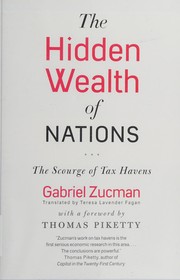
How much wealth is hidden in tax havens, and how to tax it.
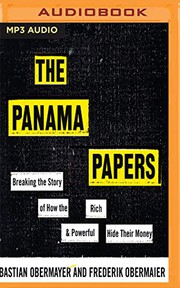
Insider: the reporters who received and worked the Mossack Fonseca leak.
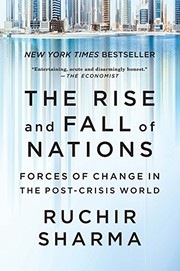
Ten rules for judging whether a country's economy will rise or fall.
Recommended by: Patrick Collison
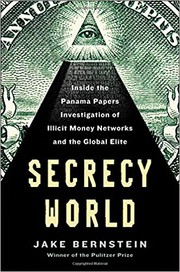
How the offshore shell-company industry is actually built and sold.
For trade, but against hyperglobalisation that overrides national choices.
How the offshore world lets officials who steal money hide it and spend it abroad.
How the global elite's efforts to change the world keep the status quo in place.
Recommended by: Alexis Ohanian, Tristan Harris, Vinod Khosla
A defence of American business on fraud, CEO pay, monopoly and tech, issue by issue.
How money from resource-rich autocracies flows into Western finance and law.
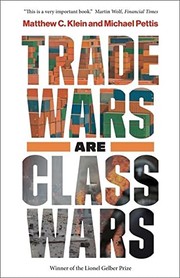
Trade imbalances come from how income is shared within countries.
The fight over infant formula marketing and the boycott of Nestlé.
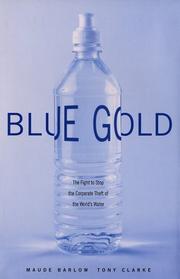
The case against water privatisation and the companies buying up water supplies.
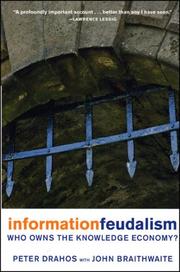
How the TRIPS treaty spread patent and copyright rents worldwide, drugs included.
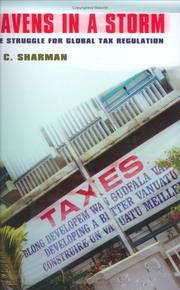
How small jurisdictions fought off the OECD's harmful tax competition drive.
Norway is the counterexample the whole volume is arranged around.
An owner who converted his own firm, on employee ownership in practice.
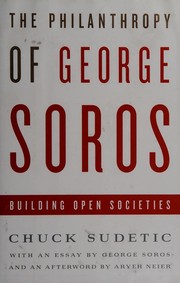
George Soros's Open Society foundations and what they funded.
How these funds actually invest and what governs them; NBIM as benchmark.
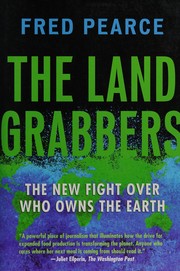
The rush to buy farmland across the developing world, and who loses from it.
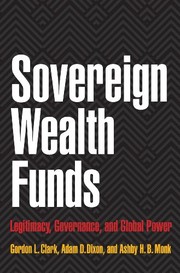
The reference on SWF governance; Norges Bank Investment Management is the central case.
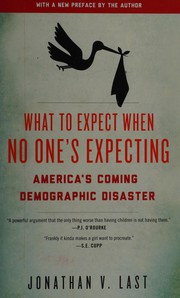
Fertility decline argued as an economic rather than a moral problem.

A critique of the Gates Foundation and the rise of philanthrocapitalism.
How some societies get corruption under control while others stay corrupt.
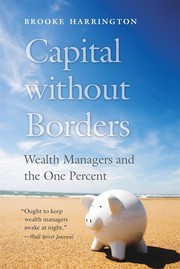
A sociologist trains as a wealth manager to show how fortunes are shielded offshore.
Insider: the UBS banker whose disclosure ended cross-border Swiss secrecy.
Technological learning and catch-up; the theory behind Ethiopia's industrial parks.
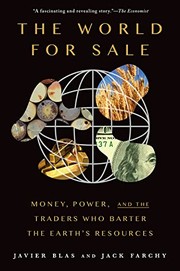
Glencore, Vitol, Trafigura and Cargill; the definitive book on the trading houses.
A political demographer on what the numbers do and do not determine.

How Britain built its overseas territories into a deliberate service industry.


An investigative case against the power of the Gates Foundation.
Study of Canadian competitiveness with the Monitor Company
Recommended by: Mohnish Pabrai
Recommended by: Patrick Collison
The 1997 warning that the political backlash was coming.
Recommended by: Patrick Collison
Globalization as the new international system, seen from Amazon farms to Wall Street.
Recommended by: Mohnish Pabrai
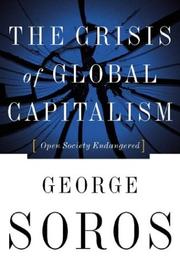
The causes of instability in the global economy and the open society as a remedy.

Recommended by: Marc Andreessen
title confirmed on his CFR expert page
Recommended by: Bill Gates
Recommended by: Patrick Collison
The main findings on disease-control priorities for developing countries.
Recommended by: Bill Gates
Recommended by: Mohnish Pabrai
World Bank study of sovereign catastrophe risk transfer.
Recommended by: Mohnish Pabrai, Bill Gates, Meg Whitman
Recommended by: Mohnish Pabrai
Recommended by: Andrew Wilkinson
Recommended by: Bill Gates, Vinod Khosla
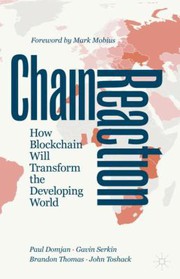
A working method for scoring country risk across frontier markets.
Poverty around the world in its hopelessness, brutality, pride and fear.
Recommended by: Emmett Shear
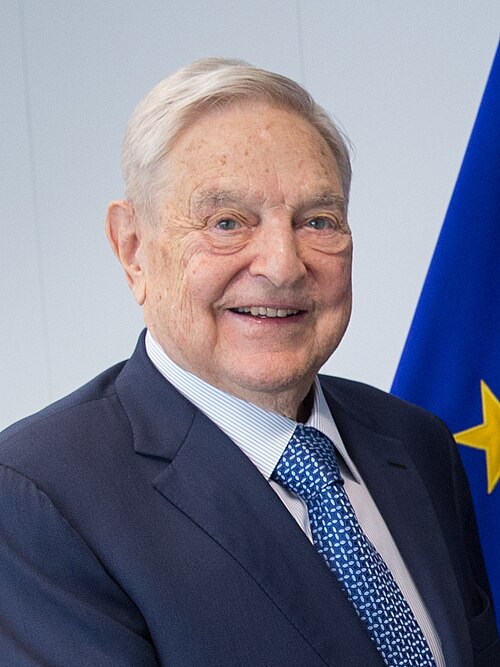 George Soroswrote 3 books here
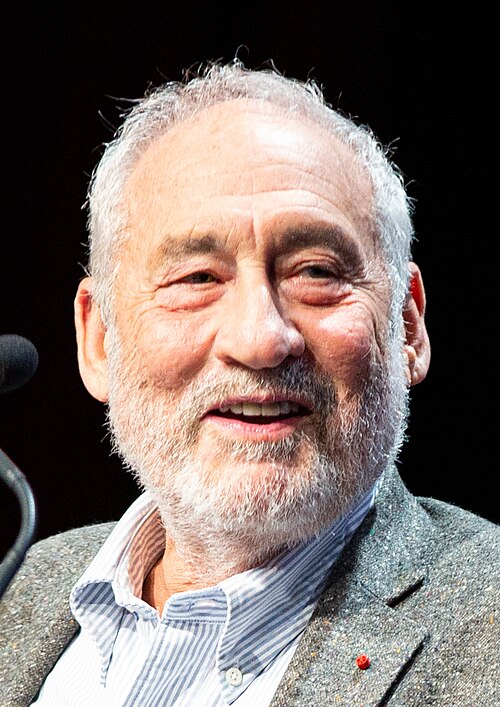 Joseph E. Stiglitzwrote 2 books here
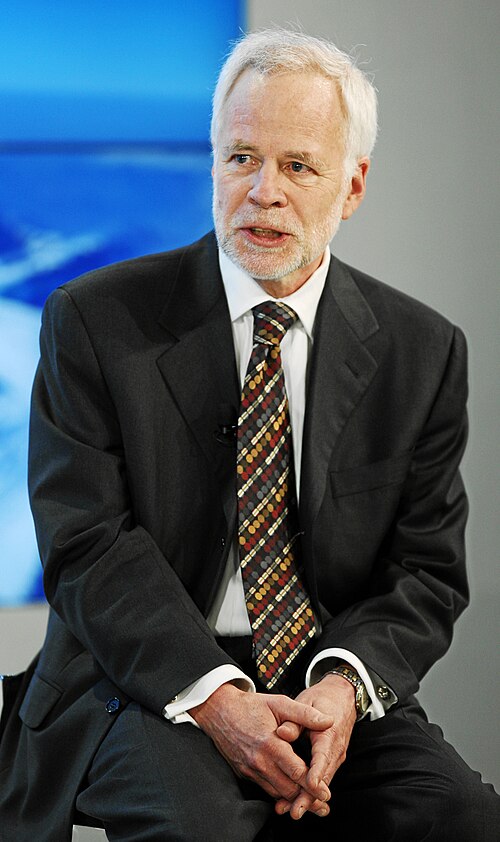 Barry Eichengreenwrote 1 book here
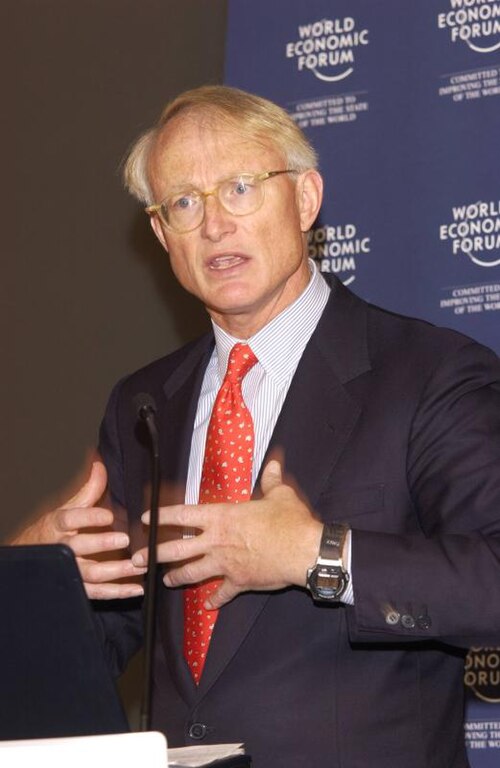 Michael E. Porterwrote 1 book here
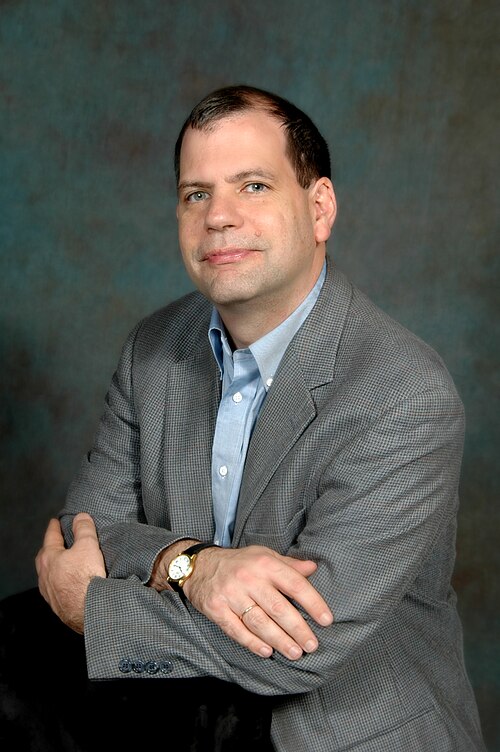 Tyler Cowenwrote 1 book here
 Patrick Collisonrecommends 7 books here
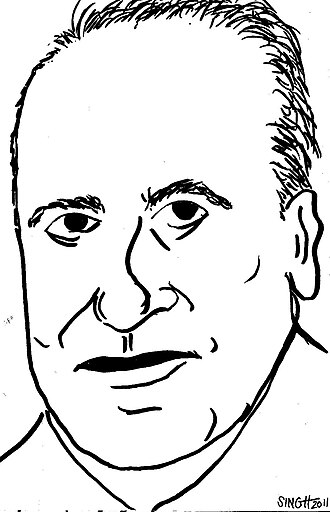 Mohnish Pabrairecommends 6 books here
 Bill Gatesrecommends 4 books here
 Marc Andreessenrecommends 3 books here
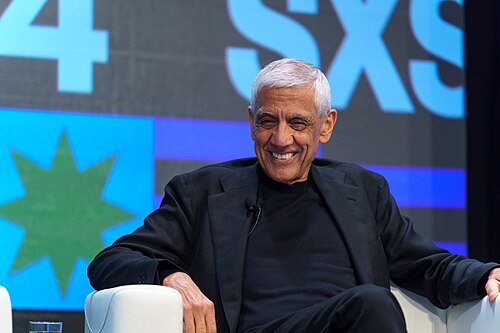 Vinod Khoslarecommends 3 books here
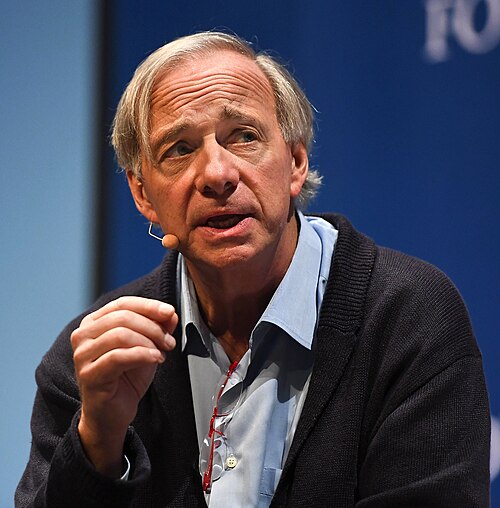 Ray Daliorecommends 1 book here
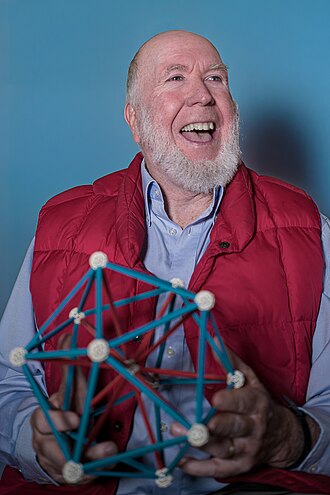 Kevin Kellyrecommends 1 book here
 Alexis Ohanianrecommends 1 book here
 Emmett Shearrecommends 1 book here
 Meg Whitmanrecommends 1 book here
 Satya Nadellarecommends 1 book here