Geopolitics and international relations
Books on great-power rivalry, war and security, intelligence, sanctions, nuclear risk, cyber conflict and the technology race between states.
Start here
- The Economic Consequences of the PeaceJohn Maynard Keynes, 1919
- The Strategy of ConflictThomas C. Schelling, 1960
- Why America Is Not a New RomeVaclav Smil, 2010
- Private Empire: ExxonMobil and American PowerSteve Coll, 2012
- The New MapDaniel Yergin, 2020

Why Germany could not pay the 1919 reparations, and what they would do to Europe.
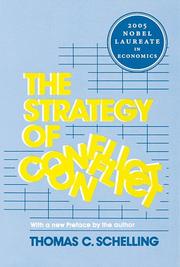
Conflict as bargaining: commitment, credible threats and focal points.
Recommended by: Naval Ravikant

Tests the popular comparison of America with ancient Rome and finds deep differences.
Recommended by: Bill Gates, Mohnish Pabrai

How ExxonMobil acts like a sovereign power, from the Valdez spill to 2011.
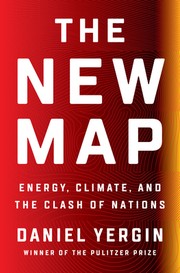
Energy and geopolitics in 2020: US shale, Russia, China and the Middle East.
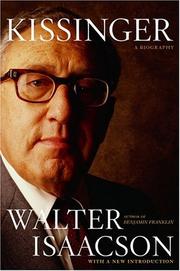
Kissinger's life and years in power, where realism, secrecy and strategy met.
Recommended by: Andrew Wilkinson, Scott Belsky

After the Cold War, conflict will follow cultural and religious fault lines.
Recommended by: Mohnish Pabrai, Patrick Collison and 3 others
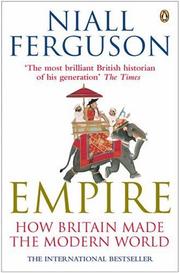
How the British Empire shaped the modern world, from globalisation to democracy.
Recommended by: Mohnish Pabrai
Lee Kuan Yew's views on China, the United States and world strategy, by topic.
Recommended by: Mohnish Pabrai, Shane Parrish
Insider account of the financial-warfare machinery that isolates Iranian banks.

Competing regional ideas of legitimate order and the balance of power.
Recommended by: Mohnish Pabrai, Mark Zuckerberg, Ray Dalio

Insider account by the US official who designed the Iran sanctions programme.

How chips became the key to economic and military power, made in a few chokepoints.
Recommended by: Andrew Wilkinson

Why AI and synthetic biology will spread fast and cheaply, and how to contain them.
“Everything is about to be changed by AI in a radical, scary way” — Andrew Wilkinson
Source: Newsletter
Recommended by: Andrew Wilkinson, Bill Gates and 1 other

How trade and payment chokepoints became instruments of state coercion.

Current account of the cross-strait risk that prices every Taiwanese asset.
How the US made sanctions and economic warfare its main tool of coercion.
Insider manifesto by Palantir's CEO on tech and national power.

Six friends, including Acheson, Harriman and Kennan, who shaped US foreign policy.
Recommended by: Mohnish Pabrai
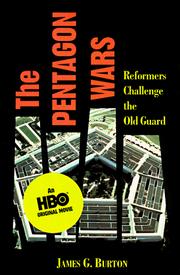
Insider account of the Bradley programme and operational testing.

The argument that Taiwan's chip industry protects it from Chinese attack.
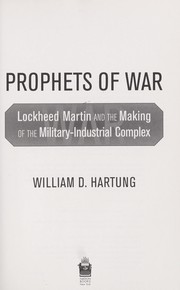
Lockheed Martin as a case study in the contractor-state relationship.
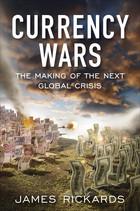
Popular account of competitive devaluation as policy.

How minor metals are mined, traded and hoarded.

Power in a networked age; connection as the source of advantage
Recommended by: Reid Hoffman

The rare metals behind green tech and devices, and China's hold on their supply.

Insiders on Pentagon-Valley contracting where Palantir won

Cognitive psychology applied to how leaders misperceive each other in foreign policy.
Recommended by: Bill Gates
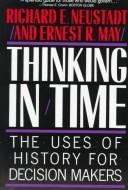
Recommended by: Patrick Collison, Stewart Brand
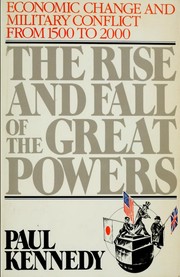
Military spending measured against the economy that has to carry it.
“The River Out of Eden by Richard Dawkins, The Rise and Fall of the Great Powers by Paul Kennedy” — Ray Dalio
Source: Ray Dalio Reddit AMA, r/IAmA (u/RayTDalio)
Recommended by: Ray Dalio, Michael Wong

Recommended by: Patrick Collison
An analysis of political hostage-taking by terrorists in the modern world.
Recommended by: Patrick Collison


Recommended by: Patrick Collison

Recommended by: Mohnish Pabrai


The danger of a terrorist nuclear bomb in an American city and a call to prevent it.
Recommended by: Warren Buffett


Recommended by: Mohnish Pabrai, Nat Eliason, Bill Gates


Why policies backfire in a networked world, drawing on complexity theory and history.
Recommended by: Mohnish Pabrai

Recommended by: Patrick Collison

Recommended by: Patrick Collison
Recommended by: Patrick Collison

Recommended by: Patrick Collison

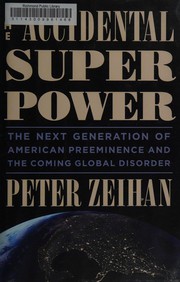
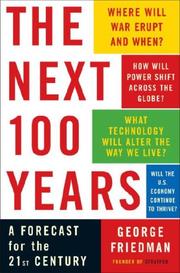
How geography, demography and shale energy set America up to dominate as others age.
Recommended by: Mohnish Pabrai

Recommended by: Patrick Collison


Recommended by: Bill Gates, David Sacks, Ray Dalio

Recommended by: Balaji S. Srinivasan

Recommended by: Alexis Ohanian, Kara Swisher

Asia as one order from Saudi Arabia to Japan, linking five billion people by trade.
Recommended by: Balaji S. Srinivasan

Recommended by: Anthony Pompliano, Keith Rabois

Recommended by: Andrew Wilkinson

Why the US-guarded trading order is ending, and what that means for supply chains.
Recommended by: Andrew Wilkinson

A scenario of a nuclear strike on the United States, built on expert interviews.
Recommended by: Andrew Wilkinson


Recommended by: Marc Andreessen
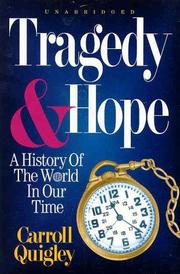
Recommended by: Patrick O'Shaughnessy
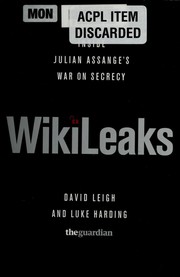
 Niall Fergusonwrote 2 books here
 Walter Isaacsonwrote 2 books here
 Daniel Yerginwrote 1 book here
 George Soroswrote 1 book here
 Vaclav Smilwrote 1 book here
 Henry Kissingerwrote 1 book here
 Patrick Collisonrecommends 13 books here
 Mohnish Pabrairecommends 10 books here
 Bill Gatesrecommends 8 books here
 Ray Daliorecommends 4 books here
 Reid Hoffmanrecommends 2 books here
 Ryan Holidayrecommends 2 books here
 Balaji S. Srinivasanrecommends 2 books here
 Naval Ravikantrecommends 2 books here
 Stewart Brandrecommends 2 books here
 Marc Andreessenrecommends 1 book here
 Paul Grahamrecommends 1 book here
Show all 33
 Warren Buffettrecommends 1 book here
 Simon Sinekrecommends 1 book here
 Alexis Ohanianrecommends 1 book here
 Alfred Linrecommends 1 book here
 David Sacksrecommends 1 book here
 Eric Weinsteinrecommends 1 book here
 Jamie Dimonrecommends 1 book here
 Kara Swisherrecommends 1 book here
 Keith Raboisrecommends 1 book here
 Mark Zuckerbergrecommends 1 book here
 Matt Mullenwegrecommends 1 book here
 Scott Belskyrecommends 1 book here
 Tucker Maxrecommends 1 book here
 Vinod Khoslarecommends 1 book here