Patrick O'Shaughnessy
Launched the Invest Like the Best podcast in 2016 and founded Colossus in 2020, a podcast network that added Business Breakdowns and Founders; Positive Sum is his venture capital firm.
126 books they recommend · 1 appearance
More 28
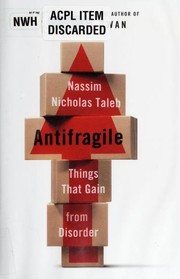
Incerto volume 4
Source: Full Reading List (PDF) — The Investor's Field Guide, archived
Also recommended by: Mohnish Pabrai, Nat Eliason and 24 others

Source: Full Reading List (PDF) — The Investor's Field Guide, archived
Also recommended by: Ryan Holiday
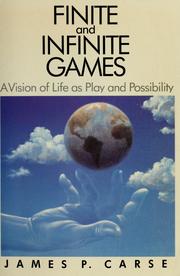
Finite games are played to win; infinite games are played to keep playing.
Also recommended by: Nat Eliason, Daniel Gross, Derek Sivers and 7 others

Source: Full Reading List (PDF) — The Investor's Field Guide, archived
Also recommended by: Nat Eliason
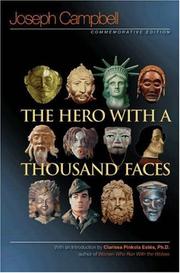
The one pattern of the hero's journey that runs through myths across cultures.
Source: Full Reading List (PDF) — The Investor's Field Guide, archived
Also recommended by: Nat Eliason, Ray Dalio, Niki Scevak


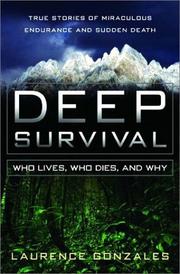
Why some people survive disasters that kill others in the same circumstances.
Source: Full Reading List (PDF) — The Investor's Field Guide, archived
Also recommended by: Michael Mauboussin

Source: Full Reading List (PDF) — The Investor's Field Guide, archived
Also recommended by: Vinod Khosla
Source: Full Reading List (PDF) — The Investor's Field Guide, archived
Also recommended by: Ray Dalio, Tom Bilyeu
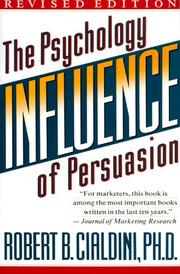
Six principles of compliance, from reciprocity to scarcity, and how sellers use them.
Also recommended by: Andrew Wilkinson, Charlie Munger and 28 others

Source: Full Reading List (PDF) — The Investor's Field Guide, archived
Also recommended by: Tim Ferriss
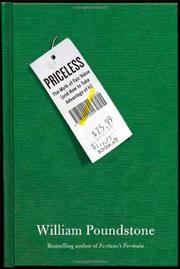
People have no fixed sense of value, so context and anchors set the prices they pay.
Source: Full Reading List (PDF) — The Investor's Field Guide, archived
Also recommended by: Mohnish Pabrai

Creativity in humour, science and art as 'bisociation': joining two unrelated frames.
Also recommended by: Adam Robinson

How trauma reshapes the body and brain, and the treatments that help survivors.
Also recommended by: Matt Mullenweg, Brené Brown, Garry Tan and 1 other
The theory that consciousness is learned, arising from a once two-chambered mind.
Source: Full Reading List (PDF) — The Investor's Field Guide, archived
Also recommended by: Adam Robinson, Bret Victor, Naval Ravikant and 1 other
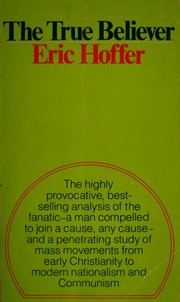
Why mass movements of every kind draw the same frustrated people and use one method.
Also recommended by: Joe Rosenberg, Mohnish Pabrai and 5 others
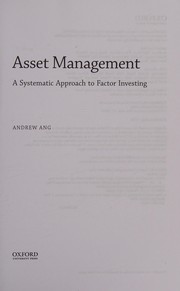
Factor investing for asset owners: factors as the nutrients inside assets.
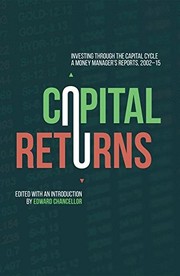
Returns follow the supply of capital: invest where it is leaving an industry.
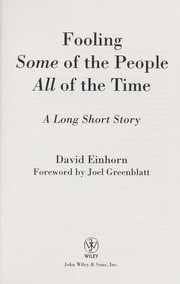
A six-year short of Allied Capital, and the SEC that investigated the short seller.
Also recommended by: Bill Ackman
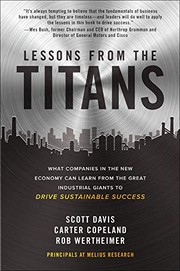
Sell-side analysts comparing Boeing, GE, Honeywell and Danaher.
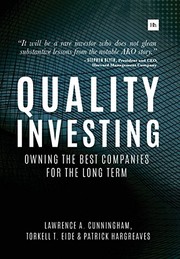
What makes a business high quality and worth owning for years at a fair price.
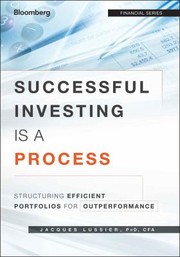
A process for building portfolios that earns most of active managers' gains, cheaply.
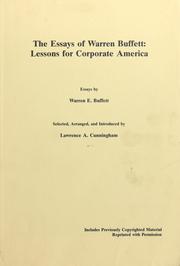
Berkshire's shareholder letters arranged by topic: governance, valuation, mergers.
Also recommended by: Christopher Bloomstran, Francois Rochon and 10 others

Markets as a game of crowd psychology, seen through 1960s go-go Wall Street.
Source: Full Reading List (PDF) — The Investor's Field Guide, archived
Also recommended by: Barton Biggs, Howard Marks, Mohnish Pabrai and 4 others
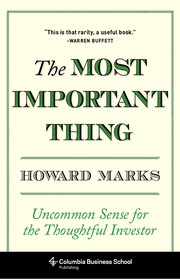
Second-level thinking, risk and market cycles, drawn from Oaktree's client memos.
Source: Full Reading List (PDF) — The Investor's Field Guide, archived
Also recommended by: Matt Mullenweg, Mohnish Pabrai, Nat Eliason and 2 others
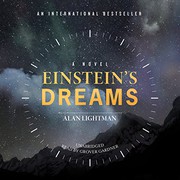
A novel of the young Einstein's dreams of different kinds of time, in 1905.
Source: Full Reading List (PDF) — The Investor's Field Guide, archived
Also recommended by: Patrick Collison, Eric Weinstein and 1 other

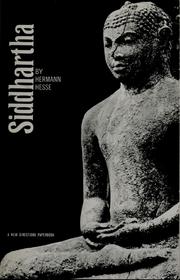
A novel of a Brahmin's son in ancient India who seeks understanding his own way.
Source: Full Reading List (PDF) — The Investor's Field Guide, archived
Also recommended by: Mohnish Pabrai, Naval Ravikant and 5 others
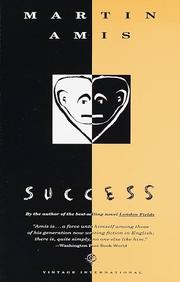

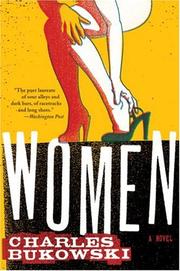
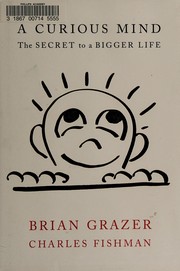
Also recommended by: Mohnish Pabrai, Sheryl Sandberg
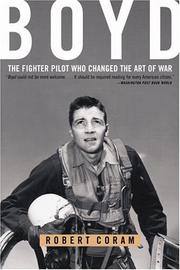
The definitive account of John Boyd and the OODA loop. Boyd's contribution was to show that strategy is fundamentally about time and adaptation: the side that observes, orients, decides, and acts faster keeps the opponent reacting rather than acting. His ideas crossed into business, software, and lean manufacturing.
Source: Full Reading List (PDF) — The Investor's Field Guide, archived
Also recommended by: Morgan Housel, Paul Graham, Ryan Holiday
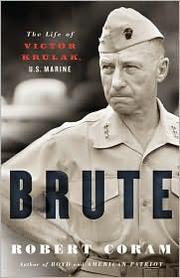
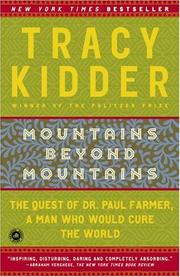
Paul Farmer, the doctor who co-founded Partners In Health, treating the poor.
Also recommended by: Mohnish Pabrai, Bill Gates, Daniel Burka and 1 other
How a running-shoe importer became Nike, surviving one cash crisis after another.
Also recommended by: Andrew Wilkinson, Bill Gates, Mohnish Pabrai and 24 others

Samuel Zemurray rose from selling ripe bananas to taking over United Fruit.
Also recommended by: Nat Eliason, Ryan Holiday, Andrew Wilkinson and 2 others
A neurosurgeon diagnosed with lung cancer at 36 asks what makes life worth living.
Source: Full Reading List (PDF) — The Investor's Field Guide, archived
Also recommended by: Bill Gates, Mohnish Pabrai, Morgan Housel and 10 others
Seven sources of lasting advantage, each a benefit plus a barrier to rivals.
Also recommended by: Alex Lieberman, Brett Adcock, Daniel Ek and 5 others
Traces the method from Graham through Icahn to the acquirer's multiple.
Source: Full Reading List (PDF) — The Investor's Field Guide, archived
Also recommended by: Mohnish Pabrai
Cost discipline handbook widely used by buyout and turnaround operators
Source: Full Reading List (PDF) — The Investor's Field Guide, archived
Also recommended by: Mohnish Pabrai, Jamie Dimon
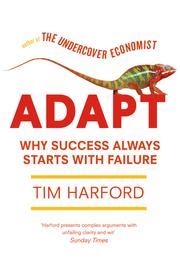
Complex problems yield to trial and error, not expert plans, and how to run it.
Source: Full Reading List (PDF) — The Investor's Field Guide, archived
Also recommended by: Mohnish Pabrai
Innovation as a learnable discipline, with seven sources of opportunity to search.
Source: Full Reading List (PDF) — The Investor's Field Guide, archived
Also recommended by: Patrick Collison, Matt Mullenweg
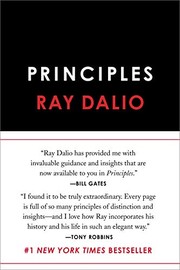
Decision rules from building Bridgewater: radical truth and radical transparency.
Also recommended by: Alfred Lin, Nat Eliason, Andrew Lokenauth and 27 others
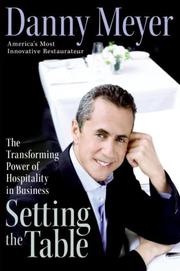
Enlightened hospitality: put employees first, then guests, community and investors.
Also recommended by: Patrick Collison, Fred Wilson, Niki Scevak and 1 other
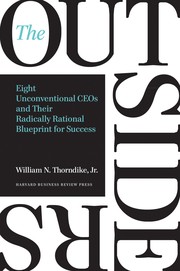
Eight CEOs who beat the market by allocating capital, not by running operations.
Also recommended by: Andrew Wilkinson, Dan Loeb, Francois Rochon and 11 others
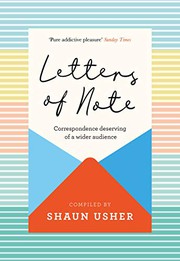
Also recommended by: Zoë Foster Blake, Caterina Fake
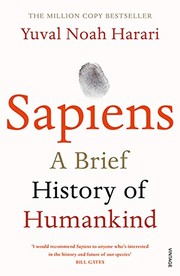
How shared fictions such as money, nations and gods let humans cooperate at scale.
Also recommended by: Andrew Wilkinson, Bill Gates, Mohnish Pabrai and 37 others
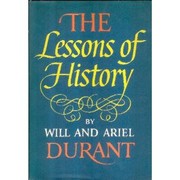
Recurring patterns drawn from world history: biology, morals, religion, economics.
Also recommended by: Andrew Wilkinson, Balaji S. Srinivasan and 11 others
Source: Full Reading List (PDF) — The Investor's Field Guide, archived
Also recommended by: Richard Branson, Elon Musk, Peter Thiel
How science developed, and the discoveries that set humans apart from other species.
Also recommended by: Patrick Collison
Forest ecology as a connected system; background for timberland owners
Also recommended by: Morgan Housel
Source: Full Reading List (PDF) — The Investor's Field Guide, archived
Also recommended by: Mohnish Pabrai

Source: Full Reading List (PDF) — The Investor's Field Guide, archived
Also recommended by: Tim Ferriss, Jerry Colonna
Source: Full Reading List (PDF) — The Investor's Field Guide, archived
Also recommended by: Caterina Fake
Marketing happens in the buyer's mind: find an open position there and own it.
Also recommended by: Patrick Collison, Aaron Levie, David Cancel and 3 others
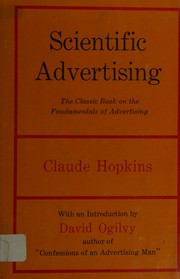
Advertising as a measurable discipline: test every element against response.

Source: Full Reading List (PDF) — The Investor's Field Guide, archived
Also recommended by: Ramit Sethi
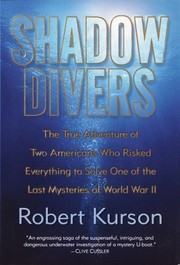
Source: Full Reading List (PDF) — The Investor's Field Guide, archived
Also recommended by: Ryan Holiday, Ryan Peterson
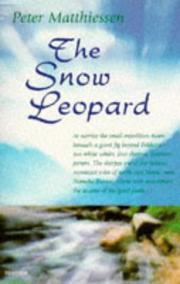
Source: Full Reading List (PDF) — The Investor's Field Guide, archived
Also recommended by: Bryant Chou, Jordan Hughes, Ryan Holiday
How the chase for short-term share prices corrupted shareholder value, and fixes.
Why standard finance models understate market risk, from fractal geometry's creator.
Also recommended by: Mohnish Pabrai, Nassim Nicholas Taleb
Speculation from ancient Rome and tulip mania to the 1990s, and its recurring traits.
Source: Full Reading List (PDF) — The Investor's Field Guide, archived
Also recommended by: Howard Marks, Mohnish Pabrai
The South Sea Bubble re-examined from investors' side: were they rational?
Source: Full Reading List (PDF) — The Investor's Field Guide, archived
Also recommended by: Alfred Lin
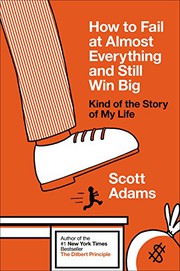
The Dilbert creator's many failures and what they taught him about success.
Source: Full Reading List (PDF) — The Investor's Field Guide, archived
Also recommended by: Mohnish Pabrai, Nat Eliason, Naval Ravikant
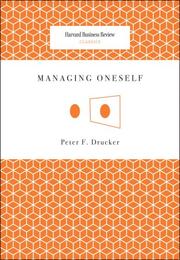
Knowledge workers must run their own careers by knowing their strengths and values.
Source: Full Reading List (PDF) — The Investor's Field Guide, archived
Also recommended by: Nat Eliason, Patrick Collison, David Cancel and 1 other
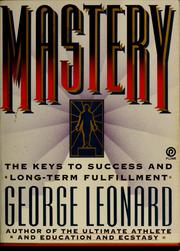
The plateau and long practice; mastery as a delayed reward
Source: Full Reading List (PDF) — The Investor's Field Guide, archived
Also recommended by: Ev Williams, Tim Ferriss
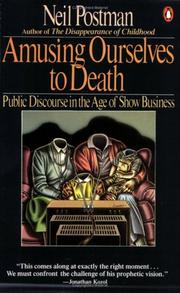
How television turned public discourse from argument into entertainment.
Also recommended by: Nat Eliason, Keith Rabois, Matt Mullenweg and 2 others
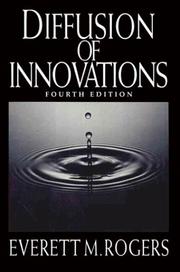
An academic study of how new ideas spread.
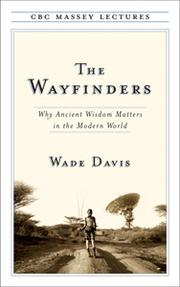
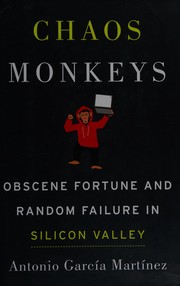
Insider account of Facebook's ads business by a product manager.
Also recommended by: Mohnish Pabrai, Nat Eliason, Alfred Lin and 2 others
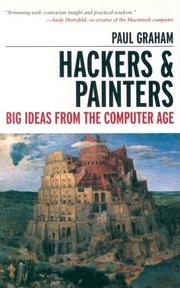
Subtitled 'Big Ideas from the Computer Age'; collects early essays
Source: Full Reading List (PDF) — The Investor's Field Guide, archived
Also recommended by: Brian Armstrong, Ev Williams, Keith Rabois and 2 others
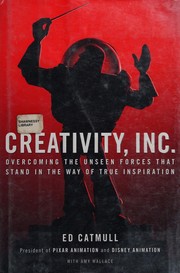
How Pixar kept a creative company working after success, and the habits it used.
Source: Full Reading List (PDF) — The Investor's Field Guide, archived
Also recommended by: Jim Collins, Alexis Ohanian, Allen Gannett and 10 others
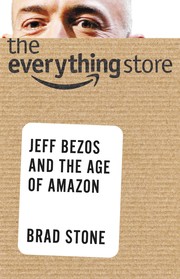
Amazon's first two decades, from an online bookshop to selling nearly everything.
Also recommended by: Andrew Wilkinson, Mohnish Pabrai and 6 others

Bevelin distilling observation and inference habits from Sherlock Holmes
Source: Full Reading List (PDF) — The Investor's Field Guide, archived
Also recommended by: Mohnish Pabrai, Nassim Nicholas Taleb

Meadows wrote this before systems thinking became a popular phrase, and it remains the clearest account of why short-term interventions in complex systems so often backfire. The chapter on leverage points is the conceptual core of what long-term thinking actually requires from decision-makers.
Source: Full Reading List (PDF) — The Investor's Field Guide, archived
Also recommended by: Daniel Burka, John Maeda, Marc Andreessen and 1 other
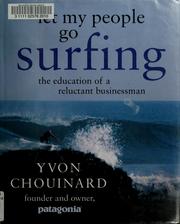
Patagonia's founder on running a business against conventional growth logic
Also recommended by: Nat Eliason, Patrick Collison, David Cancel and 2 others
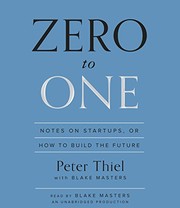
Why startups should build something new and own a small market before growing.
Also recommended by: Balaji S. Srinivasan, Eric Weinstein and 35 others
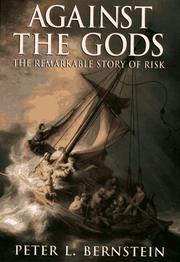
How people learned to measure risk, from early probability to portfolio theory.
Also recommended by: Charles de Vaulx, Jim Collins and 7 others
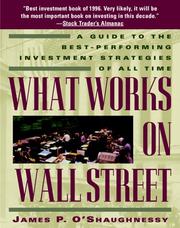
Decades of US stock data testing which selection rules have beaten the market.
Source: Full Reading List (PDF) — The Investor's Field Guide, archived
Also recommended by: Mohnish Pabrai
Also recommended by: Bill Gurley
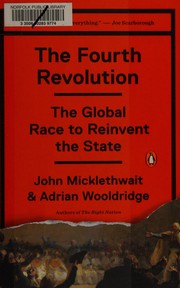
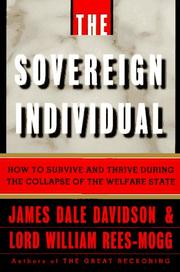
1997 forecast of digital money weakening the nation state
Also recommended by: Balaji S. Srinivasan, Nat Eliason and 10 others
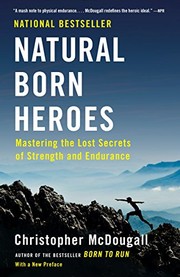
How ancient Greek heroes' secrets of strength live on in Crete, via a WWII kidnap.
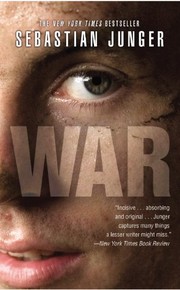
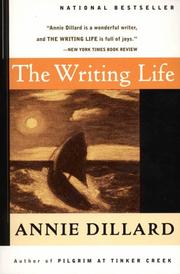
Why readers ignore writing, and how a writer moves from amateur to professional.
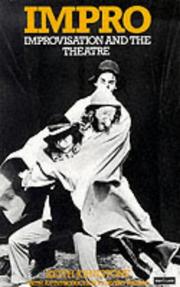
Source: Full Reading List (PDF) — The Investor's Field Guide, archived
Also recommended by: Patrick Collison
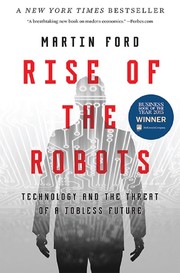
Data showing that low-expectation stocks beat popular ones over the long run.
Source: Full Reading List (PDF) — The Investor's Field Guide, archived
Also recommended by: Joel Greenblatt, Mohnish Pabrai
The history of oil from the first Pennsylvania well to the Gulf War.
Also recommended by: Mohnish Pabrai, Bill Gates, Emmett Shear and 1 other
How to split, stack and season firewood and build a fire, the Scandinavian way.