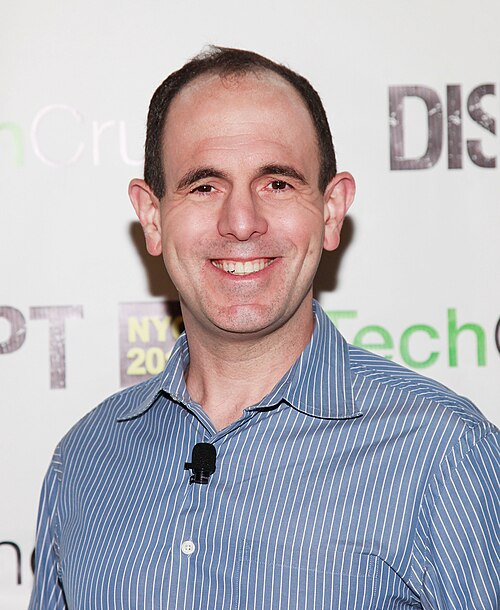
Keith Rabois
Co-founded Opendoor; worked as an executive and early investor at PayPal, LinkedIn and Square, and invested in Yelp and Xoom before their IPOs, taking a board seat each time.
 Khosla Ventures
 Opendoor
3 articles · 79 books they recommend · 65 appearances
More 18
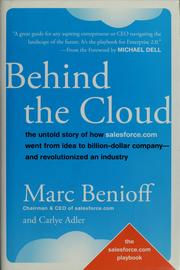
How Salesforce was built, set out as 111 plays on marketing, sales and growth.
Also recommended by: Aaron Levie, David Cancel, David Sacks and 2 others
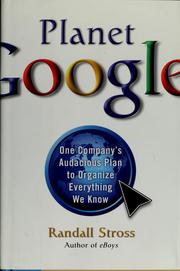
How Google disrupted newspapers, books, television and advertising.
Also recommended by: Brian Chesky
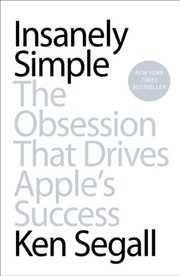
Simplicity as Apple's operating principle, from the adman who worked with Jobs.
Also recommended by: Andrew Wilkinson, Austen Allred
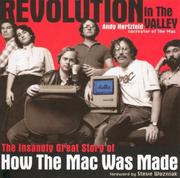
Also recommended by: Patrick Collison
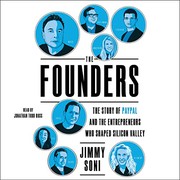
PayPal from Confinity and X.com through the merger to the 2002 sale to eBay.
Also recommended by: David Sacks, Elon Musk, Max Levchin and 2 others
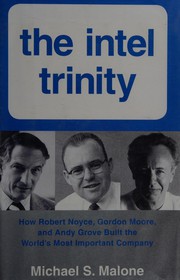
Intel's history through Robert Noyce, Gordon Moore and Andy Grove.
Also recommended by: Mohnish Pabrai
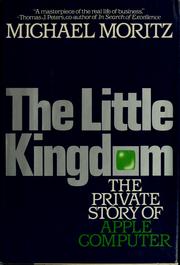
Apple's growth from a garage workshop to a company with over $1 billion in sales.
Also recommended by: Patrick Collison
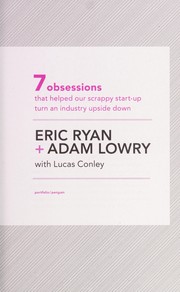
How Method's eco-friendly cleaners took shelf space from P&G and Unilever.
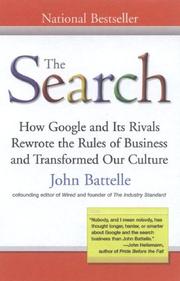
The search industry from early engines to Google, and how paid search was invented.
Also recommended by: Gary Vaynerchuk
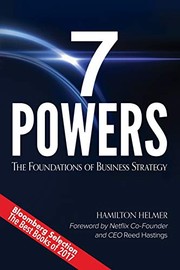
Seven sources of lasting advantage, each a benefit plus a barrier to rivals.
Also recommended by: Alex Lieberman, Brett Adcock, Daniel Ek and 5 others
Management as production: a manager's output is the output of the team they lead.
Also recommended by: Nat Eliason, Tim Ferriss, Andrew Chen and 23 others
How Google hired and managed smart creatives, people who can't be told what to do.
Also recommended by: Mohnish Pabrai, Cynthia Johnson and 1 other
Why most media companies destroy shareholder value: few have barriers to entry.
How a company can build new businesses through low-end and new-market disruption.
Also recommended by: Jeff Bezos
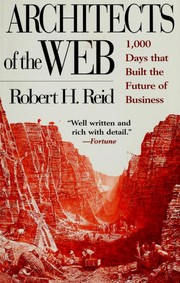
Contemporary profiles including Yahoo's founding by Yang and Filo.
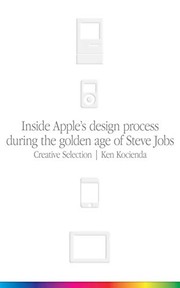
Insider account by the engineer who built the iPhone keyboard.
Also recommended by: Chris Dixon, Jordan Hughes
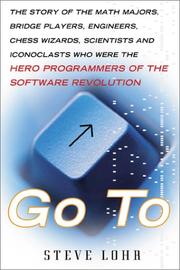
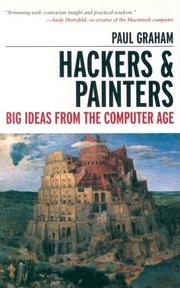
Subtitled 'Big Ideas from the Computer Age'; collects early essays
Also recommended by: Brian Armstrong, Ev Williams, Nir Eyal and 2 others
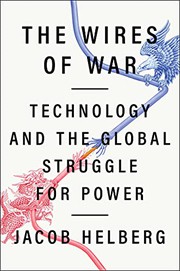
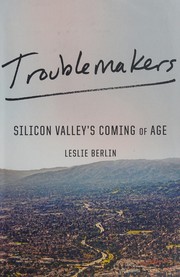
Also recommended by: Aileen Lee, Austen Allred, Vinod Khosla
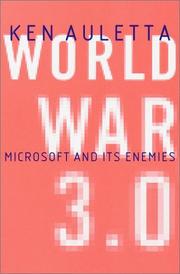
Also recommended by: Patrick Collison
Why organisations kill breakthrough projects, and how structure can protect them.
Also recommended by: Arianna Huffington, Bill Gates and 7 others
Also recommended by: Mohnish Pabrai, Ev Williams, Matt Mullenweg
Subtitled 'Building a Business When There Are No Easy Answers'
Also recommended by: Andrew Wilkinson, Balaji S. Srinivasan and 33 others
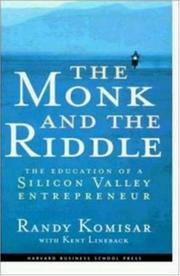
A venture adviser on startups and the trap of the deferred life plan.
Also recommended by: Nat Eliason, Patrick Collison, Ev Williams and 2 others
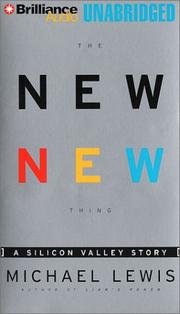
Jim Clark, founder of Silicon Graphics and Netscape, starts a third company in 1999.
Also recommended by: Ryan Holiday, Andrew Chen, Austen Allred
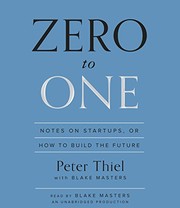
Why startups should build something new and own a small market before growing.
Also recommended by: Balaji S. Srinivasan, Eric Weinstein and 35 others
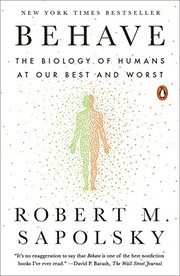
Explains an action by tracing its causes back from neurons to hormones to evolution.
Also recommended by: Andrew Wilkinson, Bill Gates, Bryan Johnson and 4 others
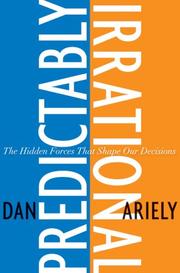
Experiments showing that people depart from rational choice in repeatable ways.
Also recommended by: Mohnish Pabrai, Alfred Lin, Anna Cheng and 5 others
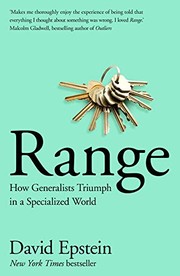
Early specialisation works only where rules are stable; elsewhere breadth wins.
Also recommended by: Bill Gates, Abi Tyas Tunggal, Alex Lieberman and 10 others
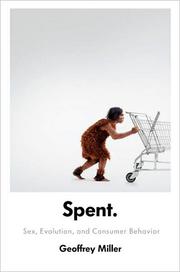
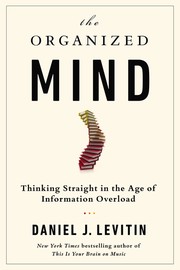
Also recommended by: Mohnish Pabrai, Satya Nadella
Source: Keith Rabois on OFF RCRD with Cory Levy — full interview transcript
Also recommended by: Patrick Collison, Austen Allred
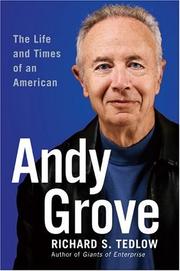
Full-scale biography by a Harvard business historian.
Also recommended by: Patrick Collison
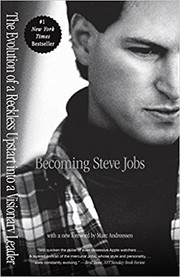
How the NeXT and Pixar years changed Steve Jobs into the leader who rebuilt Apple.
Also recommended by: Mohnish Pabrai, Bill Gates, Brian Armstrong and 4 others
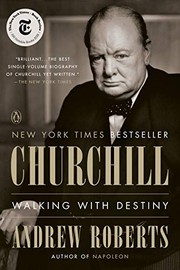
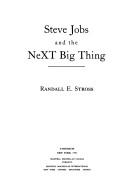
Contemporaneous account of the NeXT failure.
Also recommended by: Mohnish Pabrai

A Jewish boy survives the war and Soviet rule in Hungary and escapes to America.
Also recommended by: Ben Horowitz, Patrick Collison
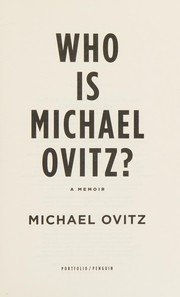
Building Creative Artists Agency into Hollywood's top agency, then failing at Disney.
Also recommended by: Ben Horowitz, Benedict Evans and 3 others
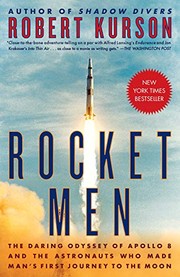
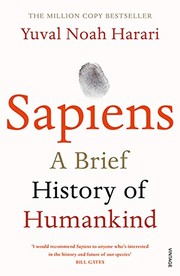
How shared fictions such as money, nations and gods let humans cooperate at scale.
Also recommended by: Andrew Wilkinson, Bill Gates, Mohnish Pabrai and 37 others

How cities developed, from Egypt and Mesopotamia through Greece and Rome to today.
Also recommended by: Patrick Collison
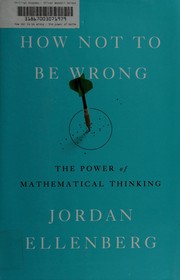
Also recommended by: Bill Gates, Nick Ganju
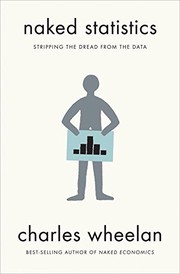
Statistics without the maths, for reading claims: averages, correlation, regression.
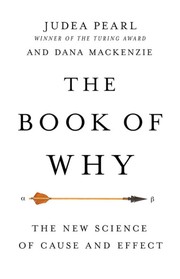
How the science of cause and effect moved past 'correlation is not causation'.
Also recommended by: Bill Gates, Naval Ravikant
Also recommended by: Michael Mauboussin
Also recommended by: Bill Gates, Vinod Khosla
The scientists racing to make the immune system fight cancer: immunotherapy's story.
Also recommended by: Vinod Khosla
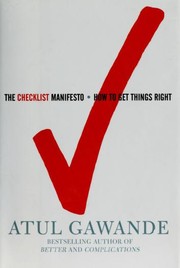
How checklists stop experts in complex fields failing to apply what they know.
Also recommended by: Michael Mauboussin, Mohnish Pabrai and 8 others
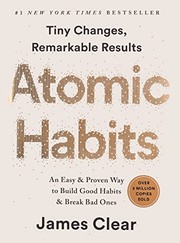
Build habits by making them obvious, attractive, easy and satisfying.
Also recommended by: Ali Abdaal, Balaji S. Srinivasan and 20 others
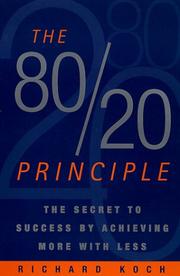
Get more with less by finding the 20% of effort that yields 80% of results.
Also recommended by: Ana Fabrega, Tim Ferriss
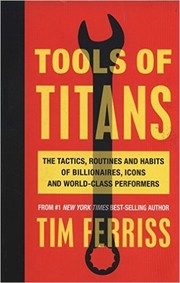
Routines, tools and advice from over 200 podcast guests on health, wealth and wisdom.
Source: Keith Rabois on OFF RCRD with Cory Levy — full interview transcript
Also recommended by: Nat Eliason, Kevin Rose, Mr. Money Mustache and 3 others
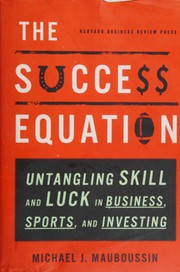
How to separate skill from luck in business, sport and investing.
Also recommended by: Mohnish Pabrai, Jessica Livingston and 2 others
Also recommended by: Susan Cain
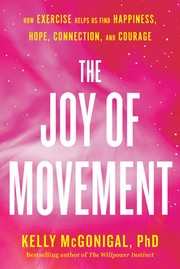
How exercise ties to human joys: self-expression, social connection and mastery.
Also recommended by: Kevin Rose
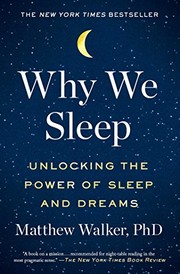
How lack of sleep damages nearly every system in the body, and what sleep does.
Also recommended by: Bill Gates, Abi Tyas Tunggal, Alexis Ohanian and 5 others
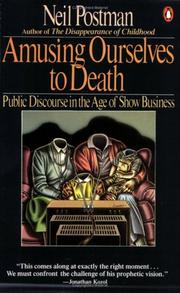
How television turned public discourse from argument into entertainment.
Also recommended by: Nat Eliason, Matt Mullenweg and 3 others
Also recommended by: Patrick Collison, Ev Williams
An investor in Russia is expelled, his firms seized, and his lawyer Magnitsky dies.
Also recommended by: Christopher Bloomstran, Mohnish Pabrai and 5 others
How a coach took the 49ers from 2 and 14 to three Super Bowls with set standards.
Also recommended by: Nat Eliason, Ryan Holiday, David Cancel and 7 others

Churchill's first year as prime minister, from Dunkirk through the Blitz.
Also recommended by: Andrew Wilkinson, Bill Gates and 3 others
Incerto volume 5
Also recommended by: Nat Eliason, Ana Fabrega, Ben Horowitz and 11 others
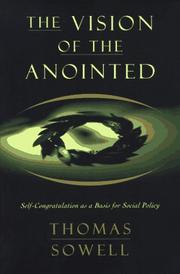
Also recommended by: Marc Andreessen
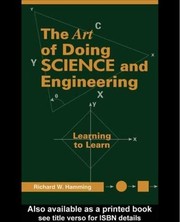
Also recommended by: Patrick Collison, Bret Victor
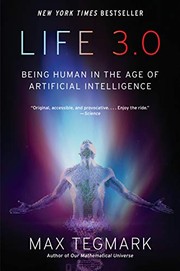
How AI could change crime, war, justice, jobs and what it means to be human.
Also recommended by: Andrew Wilkinson, Bill Gates, Elon Musk and 1 other
| Investments @ Founders Fund | Medium | 2019-11-09 |
| Investments led @ Khosla Ventures | Medium | 2017-12-11 |
| Reading List | Medium | 2015-03-22 |
| Keith Rabois on Miami, 'pirate' founders, and Stanford's irrelevance to Silicon Valley Paywall | Fortune | 2024 |
| In Keith Rabois' Silicon Valley, Nice Guys Finish Last Paywall | The Information | 2019 |
| Interview: Keith Rabois, Khosla Paywall | Business Insider | 2016 |