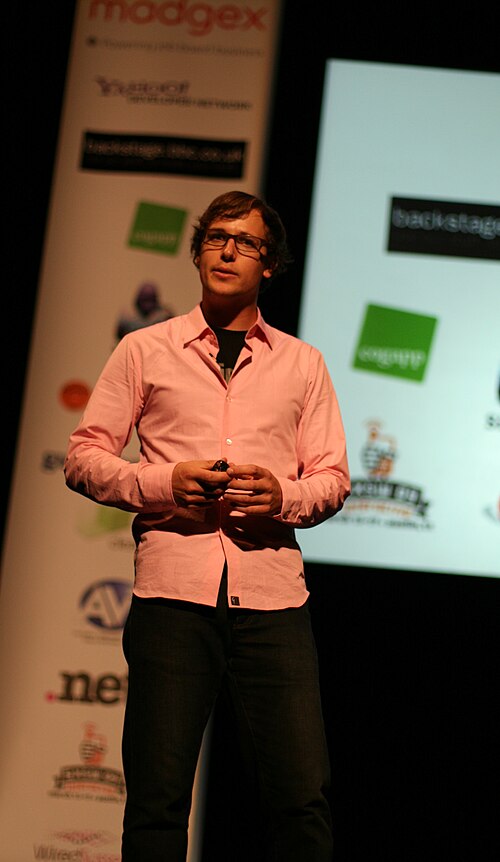
Daniel Burka
Canadian designer who worked on the original Firefox identity at silverorange, was creative director of Digg, co-founded Pownce and was a design partner at Google Ventures.
 GV
 Digg
10 articles · 13 books they recommend · 13 appearances
More 3
Buildings as processes that change after they are built, and how to design for it.
Also recommended by: Stewart Brand, Caterina Fake, Jason Fried and 2 others

Also recommended by: David Perell
Also recommended by: Patrick Collison, Bret Victor, Ev Williams
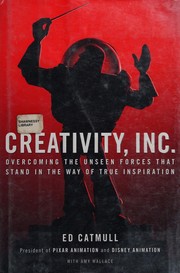
How Pixar kept a creative company working after success, and the habits it used.
Also recommended by: Jim Collins, Alexis Ohanian, Allen Gannett and 10 others
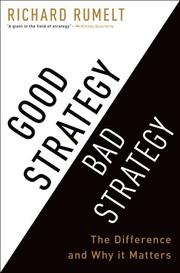
Also recommended by: Ann Handley, Michael Batko, Ran Segall
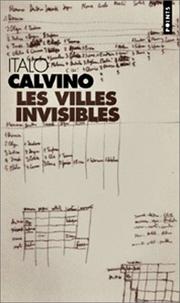
A novel of Marco Polo describing imagined cities to the emperor Kublai Khan.
Also recommended by: Mohnish Pabrai, Patrick Collison and 1 other
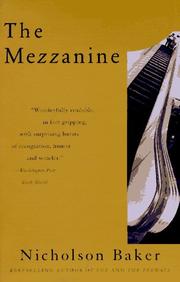
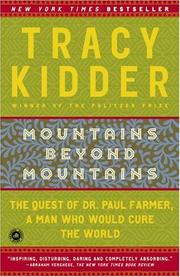
Paul Farmer, the doctor who co-founded Partners In Health, treating the poor.
Also recommended by: Mohnish Pabrai, Bill Gates and 2 others
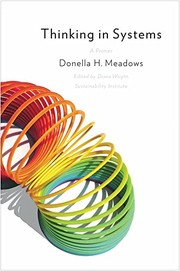
Meadows wrote this before systems thinking became a popular phrase, and it remains the clearest account of why short-term interventions in complex systems so often backfire. The chapter on leverage points is the conceptual core of what long-term thinking actually requires from decision-makers.
Also recommended by: Patrick O'Shaughnessy, John Maeda and 2 others

Also recommended by: Patrick Collison, Bret Victor, Jeff Atwood
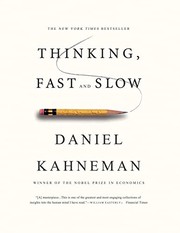
Kahneman's synthesis of behavioral economics is the cognitive science underpinning every negotiation tactic. Anchoring, loss aversion, framing effects, and the planning fallacy — understanding why these biases operate, not just that they exist, makes you harder to exploit and more honest about your own irrationality.
Also recommended by: Andrew Wilkinson, Charles de Vaulx and 31 others
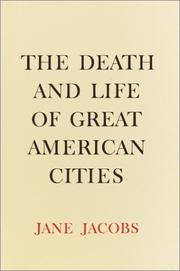
What makes city streets work, and how 1950s planning and slum clearance broke them.
Also recommended by: Patrick Collison, Chris Dixon, Sam Altman
| Mission Accomplished? The Hard Work of Design Is Still Ahead of Us | Medium | 2020-07-09 |
| What we are learning by creating an ultra-thin EMR | Medium | 2019-09-18 |
| Men need to make space at the leadership table | Medium | 2019-09-09 |
| 5 articles to convince leaders that design and usability matter | Medium | 2019-09-03 |
| Open source brand design for Simple | Medium | 2018-10-25 |
| The unforgettable lessons I’ve learned from 100 boring conferences | Medium | 2018-06-28 |
| Open-source identity design for Simple | Medium | 2018-06-25 |
| The Best ‘Design’ Books That Aren’t Explicitly About Design. | Medium | 2017-12-04 |
| Fake designs yield real results | Medium | 2017-11-05 |
| Everyone is a designer. Get over it. | Medium | 2017-04-11 |