
Tom Bilyeu
Co-founded Quest Nutrition, a startup valued at over $1 billion, and co-founded and hosts Impact Theory.
 Quest Nutrition
10 articles · 28 books they recommend
More 7
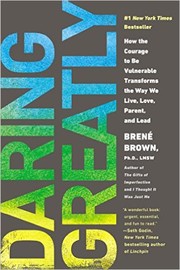
Research on shame and vulnerability, and why vulnerability comes before connection.
Also recommended by: Tony Hsieh, Brené Brown, Chase Jarvis and 3 others
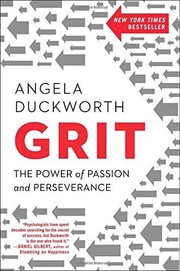
Also recommended by: Albert Wenger, Anu Hariharan, Brené Brown and 2 others
Life in Nazi concentration camps, and logotherapy: finding meaning to survive.
Also recommended by: Frank Martin, Mohnish Pabrai, Nat Eliason and 23 others
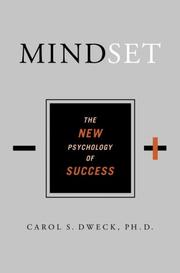
People who think ability grows with effort learn more than those who think it fixed.
Also recommended by: Bill Gates, Mohnish Pabrai, Alex and Books and 12 others
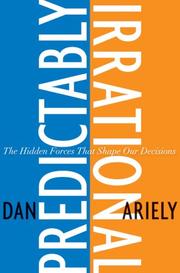
Experiments showing that people depart from rational choice in repeatable ways.
Also recommended by: Mohnish Pabrai, Alfred Lin, Anna Cheng and 5 others

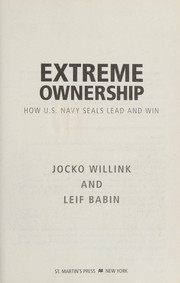
Navy SEAL leadership doctrine adapted to running teams and firms
Also recommended by: Nat Eliason, Alfred Lin, Austin Rief and 8 others
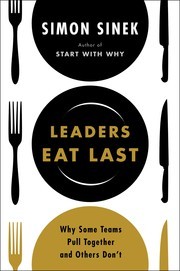
Sinek's second major book applies neuroscience — oxytocin, cortisol, dopamine — to explain why some work environments feel safe and others don't, and how leaders establish the Circle of Safety that determines whether teams will take the risks that produce performance. More substantive than Start With Why.
Also recommended by: Alfred Lin, Julie Stevanja, Vlad Magdalin

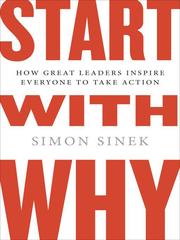
Sinek's Golden Circle (Why/How/What) is less empirically grounded than the rest of this list, but its core observation is accurate: people don't follow what you do, they follow why you do it. Useful for understanding how leaders communicate identity externally and why some inspire loyalty while others just manage compliance.
Also recommended by: Richard Branson, Tony Hsieh, Alfred Lin and 3 others
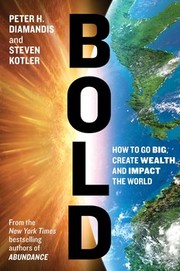
How to use prize competitions, crowdfunding and communities to go big.
Also recommended by: Nat Eliason, James Altucher

How to anticipate change and create your own opportunities in business.
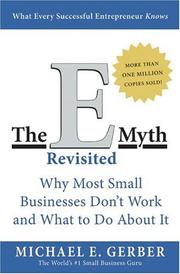
Small firms fail when technicians run them; build systems that run the business.
Also recommended by: Alex Lieberman, Ali Abdaal, Andrew Wilkinson and 5 others

Why startups should build something new and own a small market before growing.
Also recommended by: Balaji S. Srinivasan, Eric Weinstein and 35 others
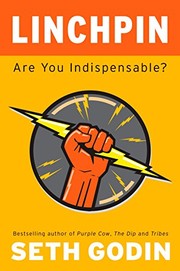
Valuable work now needs people who do what can't be written into a job description.
Also recommended by: Ann Handley, Michael Batko, Tony Hsieh and 1 other
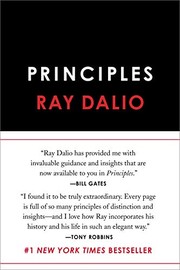
Decision rules from building Bridgewater: radical truth and radical transparency.
Also recommended by: Alfred Lin, Nat Eliason, Andrew Lokenauth and 27 others
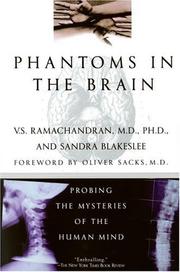
What patients with odd neurological disorders reveal about the brain and the self.
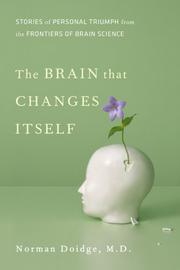
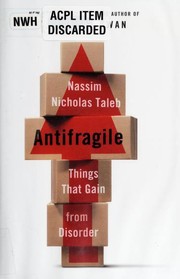
Incerto volume 4
Also recommended by: Mohnish Pabrai, Nat Eliason and 24 others

Also recommended by: Ryan Holiday, James Altucher, Jordan Hughes and 2 others
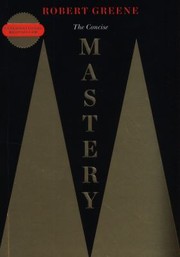
How masters from Leonardo to Faraday found a life's task and served apprenticeships.
Also recommended by: Nat Eliason, Ryan Holiday, Anthony Pompliano and 4 others
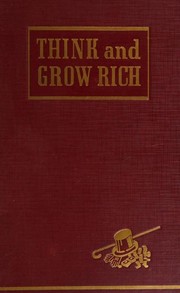
Thirteen principles of getting rich, claimed to come from studying 500 wealthy men.
Also recommended by: Jim Clayton, Mohnish Pabrai and 7 others
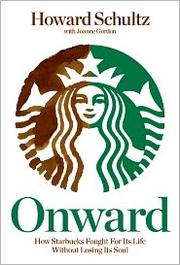
Insider account: Schultz's 2008 return and the store closures.
Also recommended by: Ron Conway
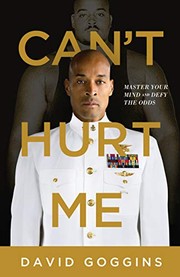
From abused child and 300-pound exterminator to Navy SEAL, and how to get tough.
Also recommended by: Nat Eliason, Alex and Books, Ali Abdaal and 6 others

Campbell on the recurring stories cultures tell themselves
Also recommended by: Jim Collins, Nat Eliason, David Perell and 2 others
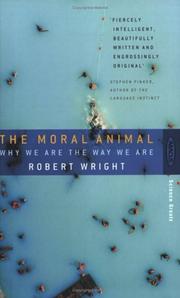
Evolutionary psychology explained through Darwin's own life and behaviour.
Also recommended by: Mohnish Pabrai, Ryan Holiday, Morgan Housel and 1 other
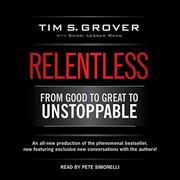
Also recommended by: Anthony Pompliano, David Cancel and 1 other
| HOW TO MINT AN IMPACT THEORY FOUNDERS KEY | Medium | 2021-10-13 |
| THE BEGINNER’S GUIDE TO CRYPTO & NFTs | Medium | 2021-09-28 |
| How to Never Make the Same Mistake Again | Medium | 2018-03-07 |
| Don’t Silence the Negative Voice in Your Head. Leverage It. | Medium | 2018-02-21 |
| The 7-Step Morning Routine That Helped Me Build a Billion-Dollar Brand | Medium | 2017-04-05 |
| Don’t Just Meditate — Thinkitate | Medium | 2017-03-31 |
| Are You Asking the Right Questions? | Medium | 2017-03-22 |
| Why Meditation Is Critical to Becoming a Bad-Ass | Medium | 2017-03-17 |
| How to Use Mind Control to Get Your Emotions in Check | Medium | 2017-01-28 |
| How to Get the Job of Your Dreams | Medium | 2017-01-23 |