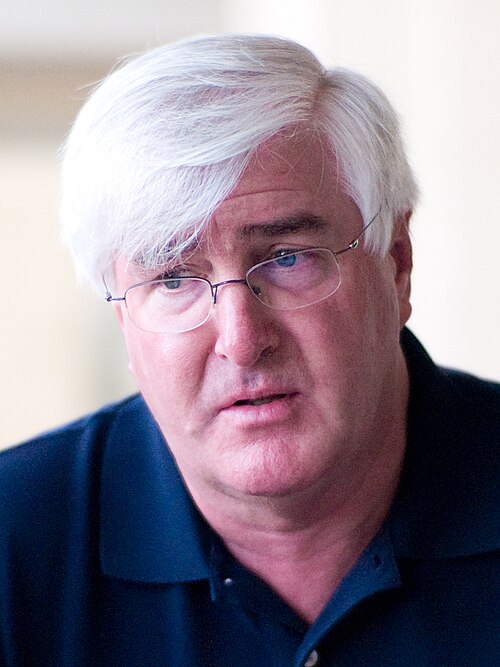
Ron Conway
American venture capitalist, 'super angel' and philanthropist.
 SV Angel
14 books they recommend · 10 appearances
More 4
Also recommended by: Ryan Holiday, Alexis Ohanian, Andrew Chen and 5 others
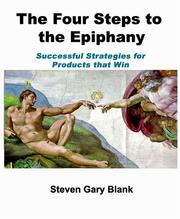
Customer development: how startups find customers before building the full product.
Also recommended by: Marc Andreessen, Andrew Chen, Brad Feld and 1 other


A painting teacher's philosophical and practical notes on an approach to art.
Also recommended by: Jack Dorsey
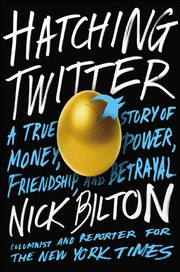
The story of how Twitter was founded and of the founders who built it.
Also recommended by: Alexis Ohanian, Casey Neistat and 1 other

How Bell Labs turned research into the transistor, the laser and information theory.
Also recommended by: Mohnish Pabrai, Mark Zuckerberg and 1 other
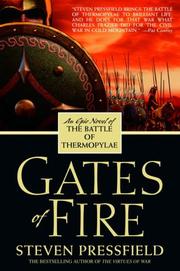

Also recommended by: David Cancel, Sam Altman
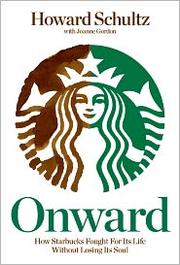
Insider account: Schultz's 2008 return and the store closures.
Also recommended by: Tom Bilyeu
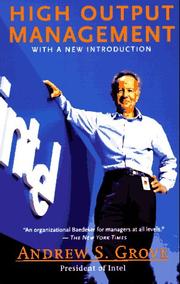
Management as production: a manager's output is the output of the team they lead.
Also recommended by: Nat Eliason, Tim Ferriss, Andrew Chen and 23 others
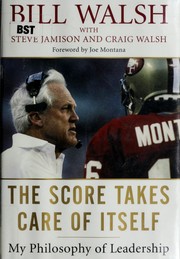
How a coach took the 49ers from 2 and 14 to three Super Bowls with set standards.
Also recommended by: Nat Eliason, Ryan Holiday, David Cancel and 7 others
Kahneman's synthesis of behavioral economics is the cognitive science underpinning every negotiation tactic. Anchoring, loss aversion, framing effects, and the planning fallacy — understanding why these biases operate, not just that they exist, makes you harder to exploit and more honest about your own irrationality.
Also recommended by: Andrew Wilkinson, Charles de Vaulx and 31 others
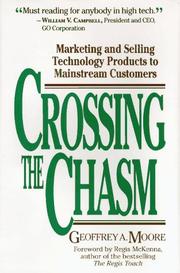
Why tech products stall between early adopters and the mainstream, and how to cross.
Also recommended by: Andrew Wilkinson, Mohnish Pabrai and 12 others
| Ron Conway, Founder, SV Angel: Silicon Valley Bank Crisis | The Social Radars | 2026-04-28 |
| Uncapped #45 | Ron Conway from SV Angel | Uncapped with Jack Altman | 2026-03-25 |
| Ron Conway, Founder, SV Angel Part 4 (Bonus) | The Social Radars | 2025-05-30 |
| Learnings of Being an OG Angel Investor: Ron Conway and Topher Conway | Upfront Summit 2022 | Upfront Ventures | 2022-03-16 |
| #3: Ron Conway, the Godfather of Silicon Valley | The Family | 2019-06-12 |
| Ron Conway (Angel Investors LP), Mike Maples Jr. (Floodgate) - Angel Investing Revealed | Entrepreneurial Thought Leaders | 2008-01-23 |
| Ron Conway (SV Angel; FWD.US) at Startup Grind Global 2016 | Startup Grind | |
| Ron Conway at Startup School 2012 | Y Combinator | |
| Interview with Ron Conway | Stanford Graduate School of Business | |
| Disrupt Backstage: Ron Conway and David Lee | TechCrunch |
| Silicon Valley investing legend Ron Conway on the lessons learned from Napster Paywall | Fortune | 2020 |
| Ron Conway: S.F. mover and shaker Paywall | San Francisco Chronicle | 2012 |
| Ron Conway is a Silicon Valley startup's best friend Paywall | Fortune | 2012 |