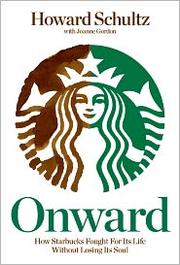
Onward: How Starbucks Fought for Its Life without Losing Its Soul
Insider account: Schultz's 2008 return and the store closures.
Summary
Schultz returned as chief executive of Starbucks in 2008 after eight years as chairman, during a period when the company was opening stores rapidly, comparable store sales were falling and the financial crisis was reducing discretionary spending. The book covers the turnaround through 2011.
The operational material covers the decisions taken. He closed around six hundred underperforming stores in the United States and cancelled a large number of planned openings. He closed every American store simultaneously for three hours to retrain baristas on espresso preparation, which cost several million dollars in sales and was widely criticised as theatre. He replaced the automated espresso machines that had been installed for speed and which blocked the customer's view of the preparation. He removed breakfast sandwiches whose smell interfered with the coffee aroma, then reintroduced them after reformulation. He invested in a new roasting and brewing system and in the loyalty programme and mobile payment infrastructure.
His framing argument is that the decline was caused by growth that removed the elements customers valued, and that the operational efficiencies adopted to support expansion each removed something specific.
The book is a chief executive's account of his own turnaround written while still in the role. The decisions worked, which makes the account self-justifying. It says little about labour conditions or about the union organising that followed later. The specific analysis of how efficiency decisions each removed something customers valued is the transferable material.
Key takeaways 8
- Growth removed the specific elements customers valued, and each efficiency adopted to support expansion removed something identifiable.
- Automated espresso machines installed for speed blocked the customer's view of preparation, which removed part of what the customer was buying.
- Closing every American store simultaneously for retraining cost several million dollars in sales and signalled the seriousness of the change internally.
- Around six hundred underperforming stores were closed and a large number of planned openings cancelled, which reversed the growth that caused the problem.
- Comparable store sales rather than store count is the measure that reveals whether expansion is creating or destroying value.
- Investment in loyalty and mobile payment infrastructure during a downturn produced the position the company held afterwards.
- A founder returning to a company they built can make reversals that a professional manager could not, since the reversals implicate previous decisions.
- The account is written by the executive responsible while still in the role, and the decisions worked, which makes it self-justifying.
Who should read it
Executives reversing growth-driven decline in a consumer business who want a specific account of which efficiencies destroyed value.
About Howard Schultz
Former chief executive and chairman of Starbucks, which he grew from a small Seattle retailer into a global chain.
Pour Your Heart Into It and From the Ground Up describe how a service format was standardised across thousands of locations while the company paid for health coverage and equity for hourly staff, and what that cost. Onward records the 2008 turnaround - closing stores, retraining baristas, cutting a growth plan the founder had approved - and is the more useful account for anyone operating under pressure.
Who recommended it 2
Similar books 6
Chosen by shared topics, the entries that hold them, and the people who recommended both.
Insider account: Schultz on building the company to 1997.
Recommended by: Mohnish Pabrai
Insider account: later memoir on social responsibility and politics.
Recommended by: Bill Gates
A milkshake-machine salesman finds the McDonald brothers and builds the franchise.
Recommended by: Mohnish Pabrai

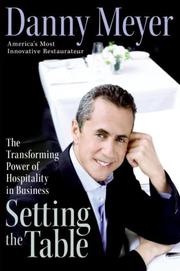
Enlightened hospitality: put employees first, then guests, community and investors.
Recommended by: Patrick Collison, Fred Wilson, Niki Scevak and 2 others
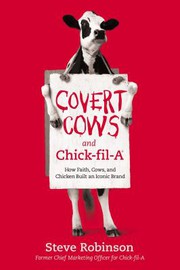
Recommended by: Chris Powers
Where it sits in the reference 4
Topics