Restaurants and Fast Food
A restaurant lives on prime cost, food plus labour, which usually runs 60 to 65 percent of sales against rent and equipment that do not move with traffic, so small swings in covers decide the profit. Chains grow by franchising, where the parent takes a royalty on the franchisee's sales and often owns the site, which is why McDonald's earns more from rent and fees than from selling food itself. The cycle is one of unit growth until a format saturates, followed by remodels, menu extension and discounting that erode franchisee margins. The literature covers the founders in their own words, the operating detail of building a chain, the supply chain and labour investigation that Eric Schlosser wrote, hospitality as a service discipline, and the sociology of standardised production.
Start here
- McDonald's: Behind the ArchesJohn F. Love, 1986
- Setting the TableDanny Meyer, 2006
- Fast Food NationEric Schlosser, 2001

A milkshake-machine salesman finds the McDonald brothers and builds the franchise.
Recommended by: Mohnish Pabrai
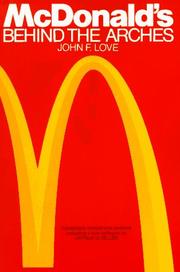
McDonald's to the mid-1980s, from the brothers' stand to Kroc's franchise system.
Recommended by: Mohnish Pabrai
The standardisation model that made the chain scalable.
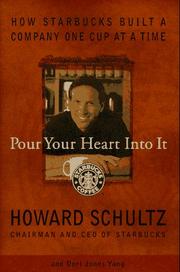
Insider account: Schultz on building the company to 1997.
Recommended by: Mohnish Pabrai

How fast food reshaped farming, meatpacking, food science and low-wage work.
Recommended by: Mohnish Pabrai, Kevin Rose, Richard Branson
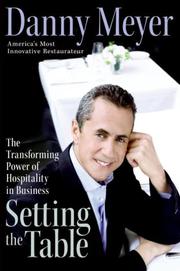
Enlightened hospitality: put employees first, then guests, community and investors.
Recommended by: Patrick Collison, Fred Wilson, Niki Scevak and 2 others

Recommended by: Mohnish Pabrai, Richard Branson
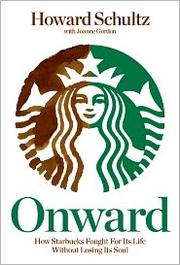
Insider account: Schultz's 2008 return and the store closures.
Recommended by: Ron Conway, Tom Bilyeu

Recommended by: Chris Powers

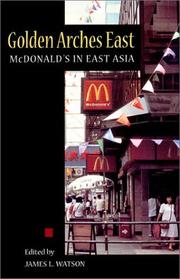
Edited fieldwork on how the format was localised across Asia.


 Mohnish Pabrairecommends 5 books here
 Richard Bransonrecommends 2 books here
 Simon Sinekrecommends 1 book here
 Fred Wilsonrecommends 1 book here
 Kevin Roserecommends 1 book here
 Matt Mullenwegrecommends 1 book here
 Patrick Collisonrecommends 1 book here

