Water, food and land
Books on water supply and rights, farming and the food system, and the ownership and use of land.
Start here
- Cadillac DesertMarc Reisner, 1986
- Nature's MetropolisWilliam Cronon, 1991
- Enriching the EarthVaclav Smil, 2001
- The Omnivore's DilemmaMichael Pollan, 2006
- Should We Eat Meat?Vaclav Smil, 2013
How rival federal agencies dammed the American West's rivers for water projects.
How Chicago and its western hinterland grew together as city and frontier.

How Haber and Bosch's ammonia synthesis transformed world food production.
Recommended by: Mohnish Pabrai, Bill Gates

Four meals traced to their sources, from fast food and organic to hunted and grown.
Meat in human evolution and modern farming, and the costs of heavy meat-eating.
Recommended by: Bill Gates, Mohnish Pabrai
Water control as the basis of power in the arid American West.
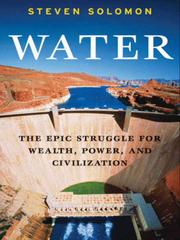
A world history showing how control of water shaped political and economic power.
Recommended by: Mohnish Pabrai

How land ownership shaped history: how people fight over, keep and share land.
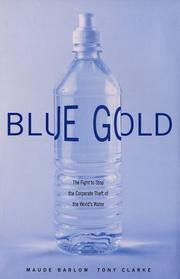
The case against water privatisation and the companies buying up water supplies.
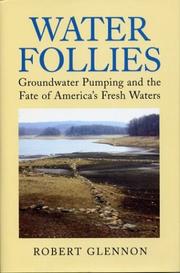
Groundwater pumping and the legal fiction of unlimited rights.
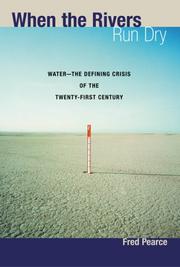
Field reporting on aquifer depletion and river closure worldwide.

How free tap water became bottled water, one of the most profitable products sold.
The economics of cheap water and what happens when it stops being cheap.

The rush to buy farmland across the developing world, and who loses from it.
The engineering and capital replacement cycle of urban water systems.
Water technology as an export industry built from a domestic constraint.

Water projects worldwide that work with nature's rhythms rather than against them.

Soil loss, water and the financial fragility of American farmland.

How ownership of American agriculture came to sit with a few families and firms.

The people trying to grow food in a hotter climate, from vertical farms to lab meat.
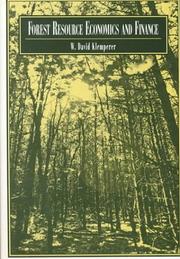
Standard textbook on rotation-age valuation and forest finance.

The career of Norman Borlaug, the plant scientist who won the Nobel Peace Prize.
Recommended by: Bill Gates, Mohnish Pabrai
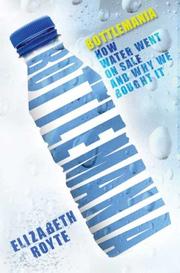
Local water-extraction fights, several of them with Nestle Waters.


Recommended by: Andrew Wilkinson, Jordan Hughes
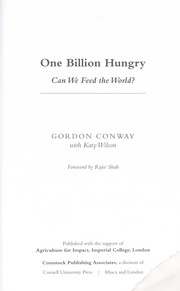
The challenges of feeding the world by 2050 and the reasons for hope.
Recommended by: Bill Gates


Why family farms lose ground to consolidated ownership.


 Bill Gatesrecommends 6 books here
 Mohnish Pabrairecommends 5 books here
 Warren Buffettrecommends 1 book here
 Ev Williamsrecommends 1 book here
 Steve Jobsrecommends 1 book here