Climate change and sustainability
Books on climate science and policy, carbon markets, limits to growth and sustainable business.
Start here
- The Ecology of CommercePaul Hawken, 1993
- Cradle to CradleWilliam McDonough, Michael Braungart, 2002
- The Climate CasinoWilliam Nordhaus, 2013
- The Limits to GrowthDonella H. Meadows, Dennis L. Meadows, Jorgen Randers, 1972
- Cannibals with ForksJohn Elkington, 1997
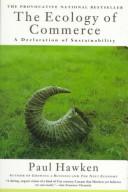
How business harms the environment, and a plan to cut energy and resource use by 80%.
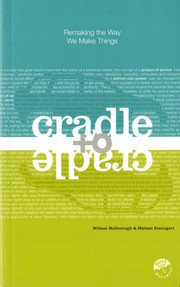
Design products on nature's model, where waste becomes food for the next cycle.
Recommended by: Joe Gebbia
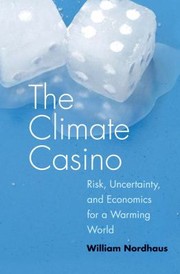
The economics of climate change, and why a universal carbon price works best.
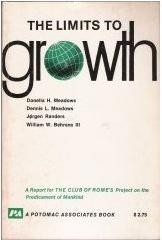
A computer model of world growth that overshoots its limits and then declines.

The triple bottom line: report on economic, environmental and social results.

How the 1990 US sulphur dioxide allowance trading programme worked in practice.
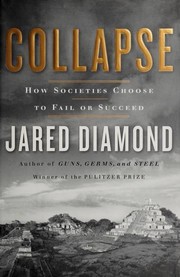
Why past societies from Easter Island to the Maya collapsed, and what that teaches.
Recommended by: Mohnish Pabrai, Bill Gates, Stewart Brand

What it would take to cut greenhouse gas emissions to zero, sector by sector.
Recommended by: Bill Gates

A plan with measurable goals for reaching net-zero emissions.
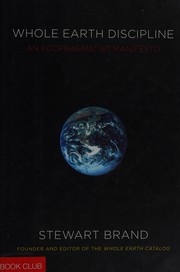
Environmentalist case for nuclear power, dense cities and genetic engineering
“on why even environmentalists should be pro building, pro cities, pro nuclear, and pro genetic engineering” — Marc Andreessen
Source: @pmarca, companion thread to 'It's Time to Build'
Recommended by: Marc Andreessen, Jack Dorsey and 2 others
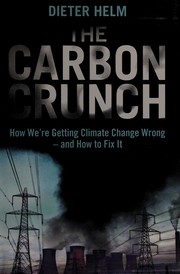
Why climate policy failed to cut emissions as coal use kept rising.


Insider account: Polman on the Sustainable Living Plan years.
Data-driven look at emissions and what actually reduces them
Recommended by: Bill Gates

Ice cores, old shorelines and fossil pollen show how fast the climate now changes.
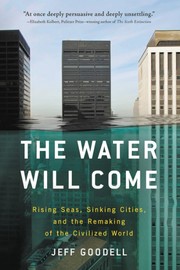
Rising seas as a present property and insurance crisis, from Miami to Lagos.

How weather forecasts are made, and how fragile the global monitoring behind them is.
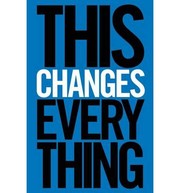
The argument that climate change is a problem of capitalism, not one within it.


A computer model of exponential economic and population growth on finite resources.
Recommended by: Bill Gates
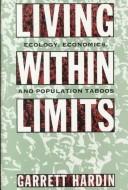
Population and consumption face physical limits that economics ignores.
Recommended by: Charlie Munger, Mohnish Pabrai and 1 other
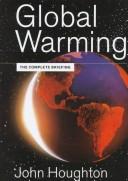

Resource productivity framed as an unpriced balance-sheet asset.
Recommended by: Joe Gebbia

Patagonia's founder on running a business against conventional growth logic
Recommended by: Nat Eliason, Patrick Collison, David Cancel and 3 others


Recommended by: Mohnish Pabrai, Richard Branson
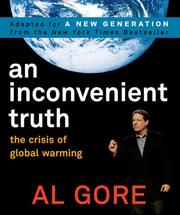
Recommended by: Mohnish Pabrai

Recommended by: Richard Branson

Recommended by: Mohnish Pabrai, Bill Gates, Meg Whitman

International business guide to allowances, offsets and registries.

The offset side: how voluntary credits are created and sold.


Recommended by: Mohnish Pabrai

How business lobbies built emissions trading as the chosen instrument.


Julian Simon and Paul Ehrlich's wager on metal prices, and their fight over scarcity.
Recommended by: Bill Gates

Recommended by: Patrick Collison

Recommended by: Richard Branson


Evidence that rich economies now grow while using fewer physical resources.
“on how modern technological economies can build more outputs with less inputs” — Marc Andreessen
Source: @pmarca, companion thread to 'It's Time to Build'
Recommended by: Marc Andreessen

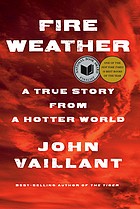

Data showing progress on environmental problems, enough to reach true sustainability.
Recommended by: Bill Gates


 Vaclav Smilwrote 1 book here
 John Doerrwrote 1 book here
 Bill Gateswrote 1 book here
 Stewart Brandwrote 1 book hereBill Gatesrecommends 11 books here
 Mohnish Pabrairecommends 6 books here
 Patrick Collisonrecommends 5 books hereStewart Brandrecommends 5 books here
 Richard Bransonrecommends 4 books here
 Marc Andreessenrecommends 2 books here
 Joe Gebbiarecommends 2 books here
 Charlie Mungerrecommends 1 book here
 Paul Grahamrecommends 1 book here
 Kevin Kellyrecommends 1 book here

