Regulation, central banks and public policy
Books on how governments regulate banks, markets and industries: the Federal Reserve, financial crises and bailouts, antitrust, health care, tax, energy and climate policy.
Start here
- The Economics of RegulationAlfred E. Kahn, 1970
- Antitrust LawRichard A. Posner, 1976
- Prophets of RegulationThomas K. McCraw, 1984
- Cadillac DesertMarc Reisner, 1986
- A History of the Federal Reserve, Volume 1Allan H. Meltzer, 2003
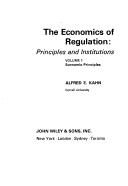
The economics of regulated industries, from pricing at marginal cost to competition.
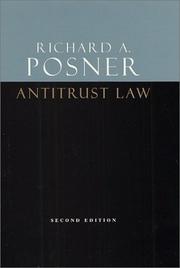
Antitrust should rest on the economics of efficiency, not on protecting competitors.
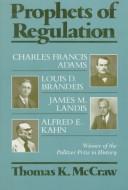
A century of US regulation through four figures, from Charles Francis Adams to Kahn.

How rival federal agencies dammed the American West's rivers for water projects.
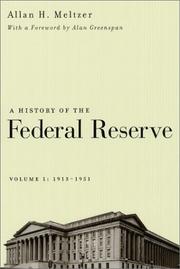
The Fed from 1913 to 1951, told from its own minutes and internal memos.
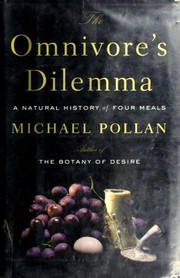
Four meals traced to their sources, from fast food and organic to hunted and grown.
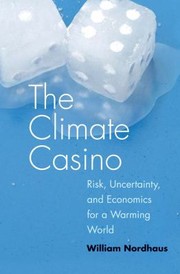
The economics of climate change, and why a universal carbon price works best.
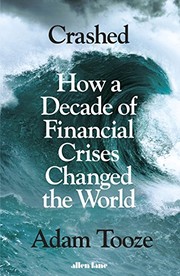
The 2008 crash, the eurozone crisis and the politics after as one connected story.
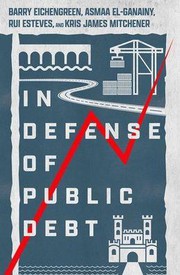
Sovereign borrowing from Italian city-states to the pandemic, and what it paid for.
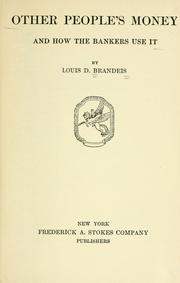
How bankers used depositors' money to control industry, from the Pujo inquiry.
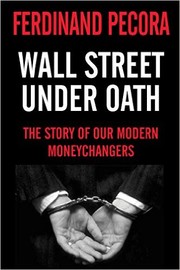
The 1933 Senate hearings exposing bankers' practices that led to securities laws.
“It's a passage from one of my favorite books, "Wall Street Under Oath.” — Howard Marks
Source: Oaktree memo 'Learning From Enron'
Recommended by: Howard Marks

Antitrust law should pursue one goal, consumer welfare, and drop the rest.

How inflation targeting worked in the first countries to adopt it.

How the 1990 US sulphur dioxide allowance trading programme worked in practice.
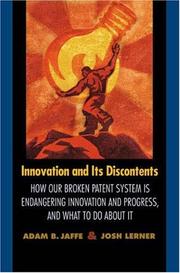
How 1980s changes turned the US patent system from aid to obstacle for innovation.
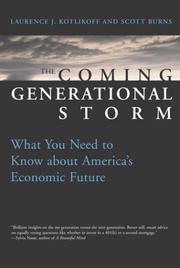
US fiscal promises far exceed future revenue, which official debt figures hide.

Why most government efforts to build venture capital sectors fail.
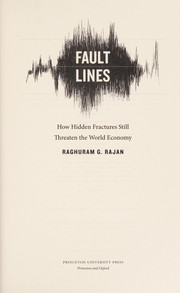
The 2008 crisis grew from political and economic imbalances, not just banker greed.
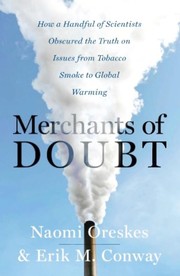
How a few scientists with ties to industry ran campaigns to deny settled science.
Recommended by: Nat Eliason, Elon Musk
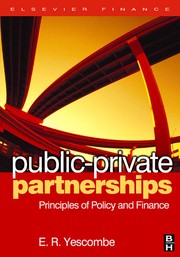
How PPP concessions are structured, priced and argued over.
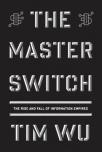
Every US information industry moved from an open era to control by one firm.
Recommended by: Patrick Collison, Andrew Chen

The 2008 crisis from inside the FDIC, which closed failed banks and guarded deposits.
Recommended by: Mohnish Pabrai
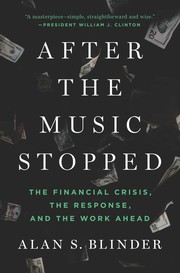
The 2008 crisis, the policy response and the aftermath, for general readers.
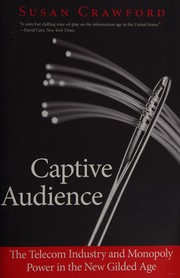
How government decisions and monopolies left US internet access slow and costly.
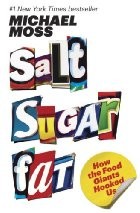
How processed-food makers engineer salt, sugar and fat to make people eat more.
The 2007 to 2012 crises through three central bankers: Bernanke, King and Trichet.
Why banks should fund themselves with far more equity, and why their objections fail.
Broad employee ownership as an American tradition, and the case for reviving it.

Whether a nation's banks are stable or crisis-prone is decided by its politics.
County data showing household debt, not the banks, caused the Great Recession.
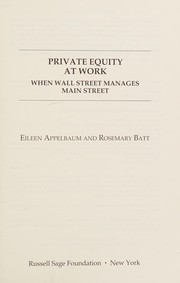
What private equity does to companies, workers and investor returns, critically.
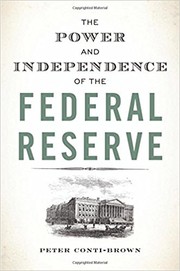
What Fed independence legally is, versus what people assume.
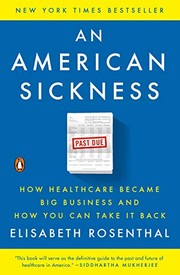
How US healthcare became so costly and broken, and what patients can do.
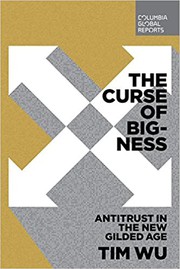
How antitrust shrank to a consumer price test, and the case for breaking up giants.
Recommended by: Jeff Jordan
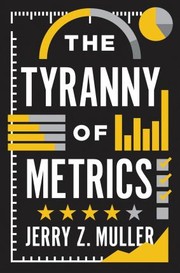
How fixation on measured performance damages the work it is meant to improve.
The Australian banking misconduct that led to the 2018 Royal Commission.
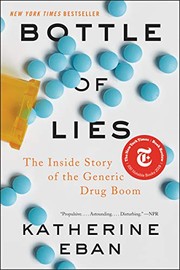
Fraud in data and manufacturing at offshore generic-drug plants.
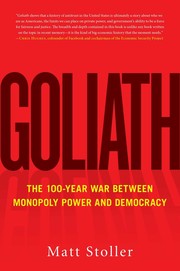
A political history of American monopoly and of the tradition that fought it.
Recommended by: David Heinemeier Hansson
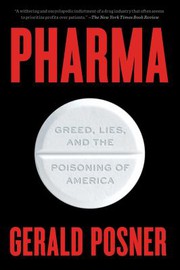
The US drug industry from patent medicines to the opioid epidemic and the Sacklers.
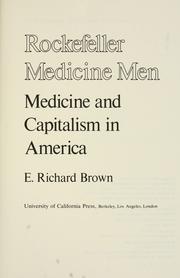
How Rockefeller philanthropy reshaped American medicine.

The fight over infant formula marketing and the boycott of Nestlé.
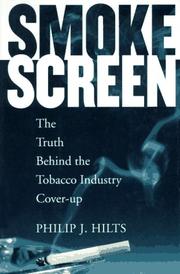
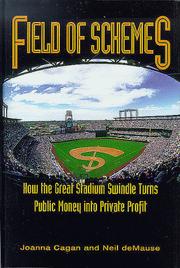
How team owners extract public money for stadiums by threatening to move.
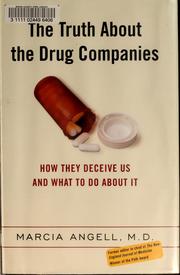
How drug companies turned from discovering drugs to marketing them.
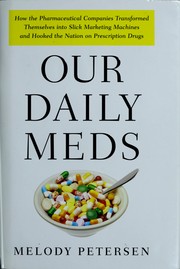
How drug makers became marketing machines, from Risperdal to off-label promotion.
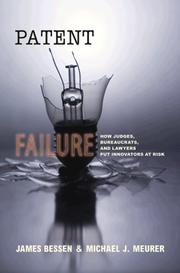
Evidence that patents work poorly as property; the IP-as-asset skeptic case.
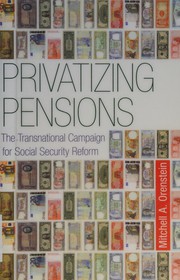
How Chile's AFP model was exported worldwide, and who profited.
Recommended by: Patrick Collison
Why climate policy failed to cut emissions as coal use kept rising.

Regulatory history explaining how a thrift-charter lender grew unsupervised.
How soda makers built global brands, the health costs, and the push to tax soda.

How licensing in place of sale strips buyers of control over what they paid for.

How drug makers, regulators and distributors let the US opioid epidemic grow.
Why America lags in fibre-optic broadband, and the case against the cable incumbents.
Insider account by Microsoft's president on tech policy and regulation.
Recommended by: Bill Gates, Reed Hastings, Reid Hoffman and 1 other
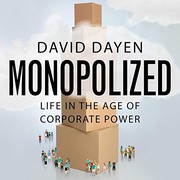
Concentration traced sector by sector through its effects on customers.
The academic case that repurchases hollow out corporate investment.
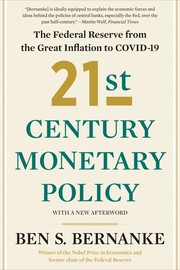
Insider account of the Fed from Burns through the QE era.
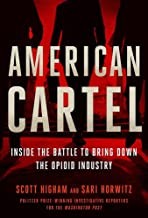
The drug distributors behind the opioid epidemic and the lawsuits against them.
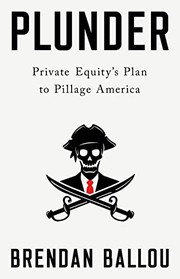
The prosecutorial case against the industry KKR created; read as counterweight.
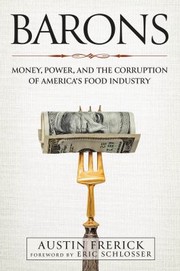
How ownership of American agriculture came to sit with a few families and firms.
Recommended by: Paul Graham
The Volcker Fed from the inside; still the fullest political account.
Recommended by: Mohnish Pabrai
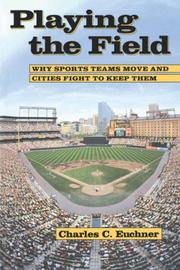
How sports franchises press cities for new stadiums by threatening to move.
The London libel trial that became a reputational case study.
Recommended by: Patrick Collison

Recommended by: Mohnish Pabrai

Recommended by: Mohnish Pabrai, Warren Buffett
Recommended by: Paul Graham
How managers and middlemen took value from the owners of American companies.
Recommended by: Mohnish Pabrai, Mr. Money Mustache
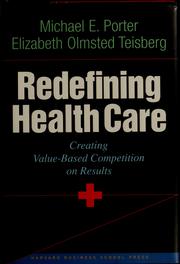
Creating Value-Based Competition on Results
Recommended by: Patrick Collison
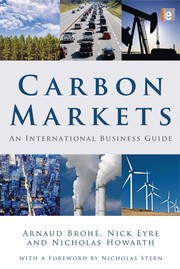
International business guide to allowances, offsets and registries.
Recommended by: Bill Gates
Polemic against Keynesian policy from an Austrian-leaning investor
“This is another timely classic given the present condition. The outline structure of the book is brilliant.” — Christopher Bloomstran
Source: Semper Augustus 2020 Letter to Clients, 'To Read or Not to Read', p. 57
Recommended by: Christopher Bloomstran
RAND occasional paper; the early survey of the US market.
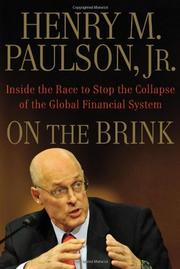
Insider memoir: the Treasury Secretary's version of the same weeks.
Recommended by: Mohnish Pabrai
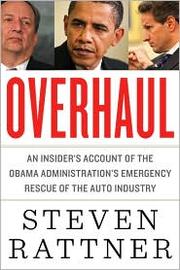
Recommended by: Mohnish Pabrai
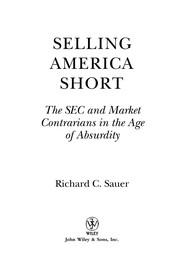
A former SEC lawyer on naked shorting and the fights around it.
Recommended by: Mohnish Pabrai
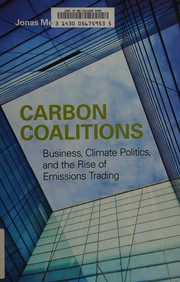
How business lobbies built emissions trading as the chosen instrument.
Recommended by: Mohnish Pabrai

Recommended by: Patrick Collison
Recommended by: Bill Gates, Mohnish Pabrai, John Doerr
Recommended by: Balaji S. Srinivasan
How the Federal Reserve was argued into existence, from the 1907 panic to 1913.
Recommended by: Seth Klarman
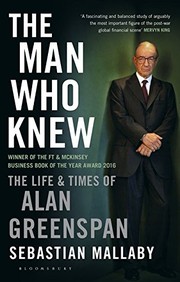
Alan Greenspan's life, and with it the making of modern finance from Nixon to Bush.

Recommended by: Patrick Collison
Deregulated wholesale markets and reliability risk.
Why America lost the ability to build housing, energy and infrastructure.
Recommended by: Andrew Wilkinson, Bill Gates
 Bethany McLeanwrote 2 books here
 Barry Eichengreenwrote 1 book here
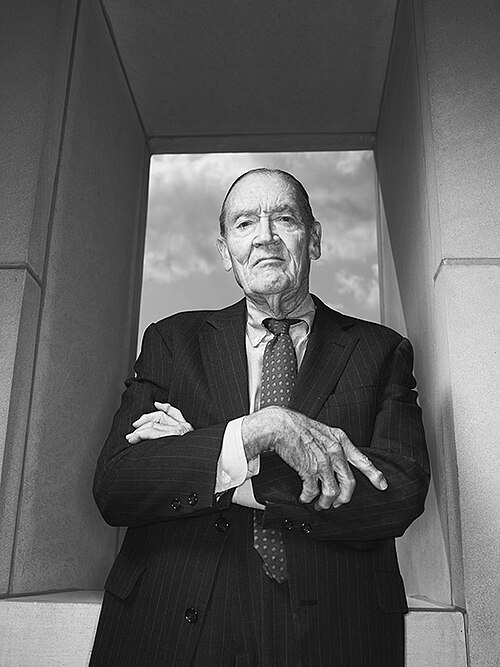 John C. Boglewrote 1 book here
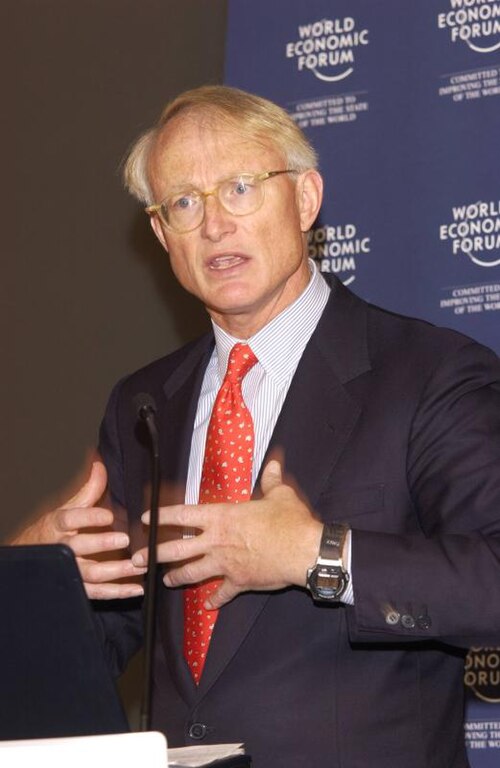 Michael E. Porterwrote 1 book here
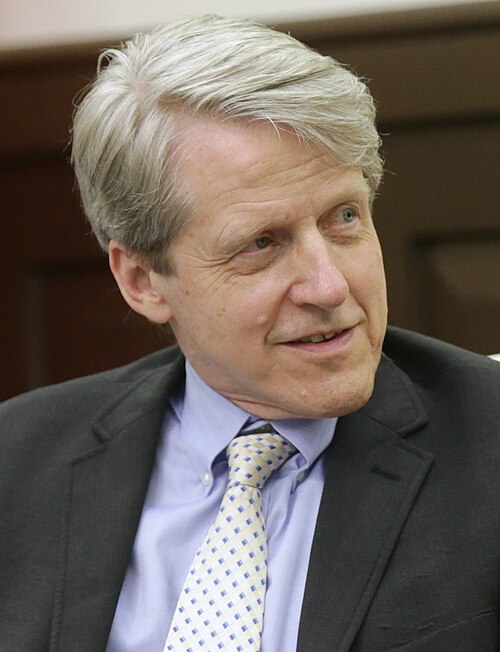 Robert J. Shillerwrote 1 book here
 Vaclav Smilwrote 1 book here
 Ezra Kleinwrote 1 book here
 Mohnish Pabrairecommends 12 books here
 Bill Gatesrecommends 6 books here
 Patrick Collisonrecommends 6 books here
 Paul Grahamrecommends 2 books here
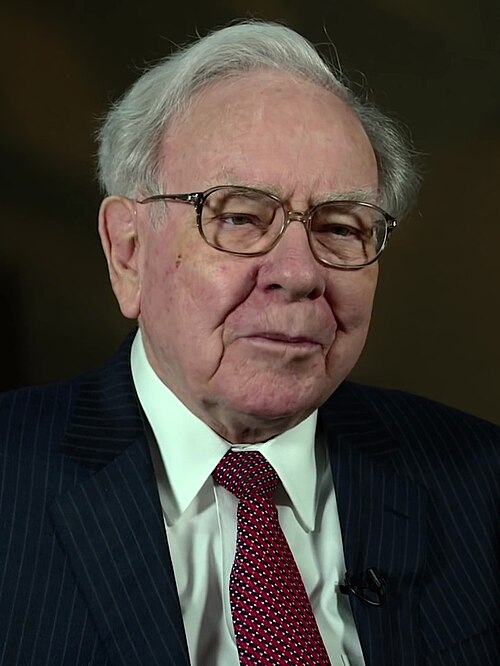 Warren Buffettrecommends 2 books here
 Balaji S. Srinivasanrecommends 2 books here
 Richard Bransonrecommends 2 books here
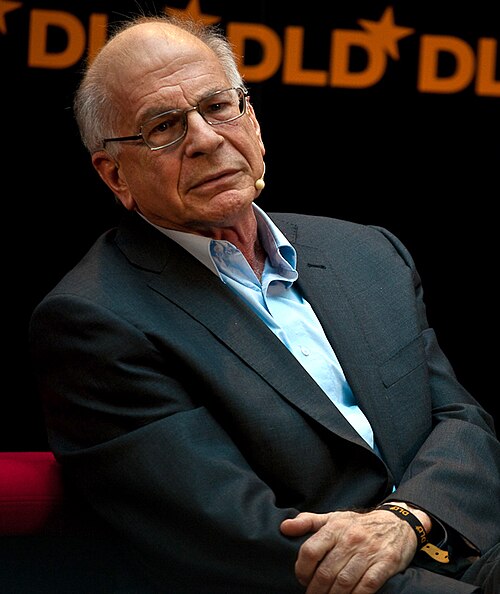 Daniel Kahnemanrecommends 1 book here
 Howard Marksrecommends 1 book here
 Marc Andreessenrecommends 1 book here
Show all 27
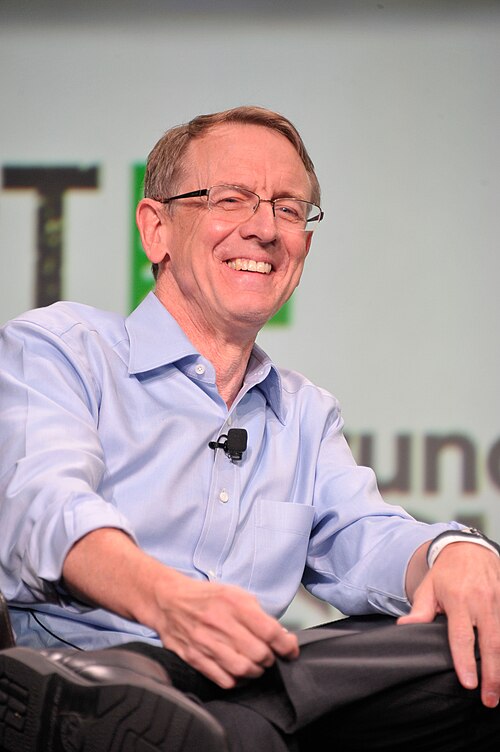 John Doerrrecommends 1 book here
 Reid Hoffmanrecommends 1 book here
 Seth Klarmanrecommends 1 book here
 David Heinemeier Hanssonrecommends 1 book here
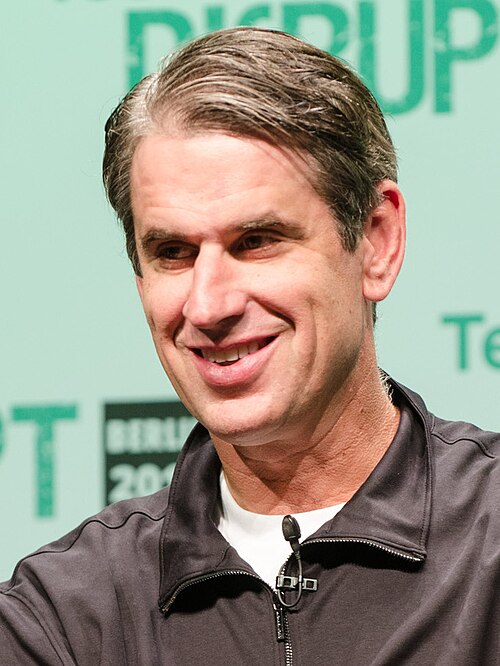 Bill Gurleyrecommends 1 book here
 Elon Muskrecommends 1 book here
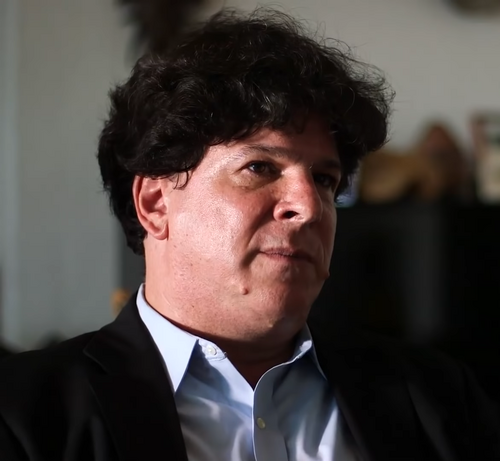 Eric Weinsteinrecommends 1 book here
 Ev Williamsrecommends 1 book here
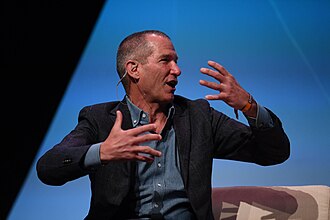 Jeff Jordanrecommends 1 book here
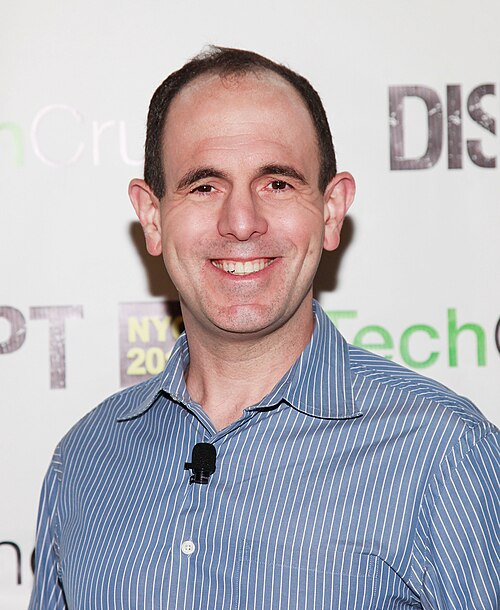 Keith Raboisrecommends 1 book here
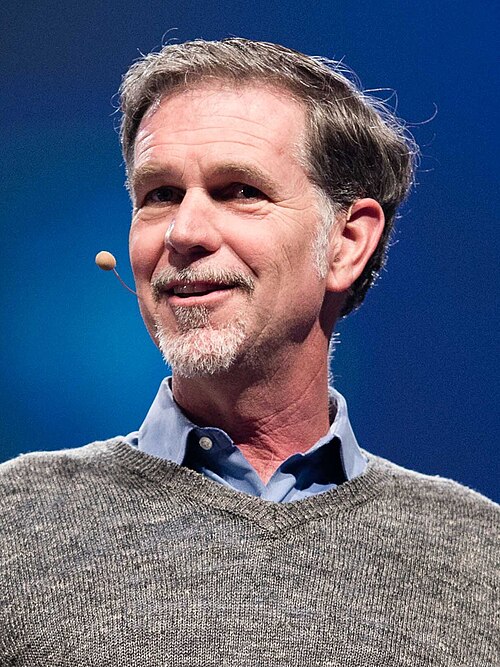 Reed Hastingsrecommends 1 book here
 Sam Altmanrecommends 1 book here