
Politics and Government
Statecraft, elections, law, policy, geopolitics and the workings and failings of political institutions. Read by citizens, policymakers and anyone following how power is won and used.
Start here
- The Economic Consequences of the PeaceJohn Maynard Keynes, 1919
- Capitalism, Socialism and DemocracyJoseph A. Schumpeter, 1942
- The True BelieverEric Hoffer, 1951
- The Strategy of ConflictThomas C. Schelling, 1960
- Capitalism and FreedomMilton Friedman, 1962

Why Germany could not pay the 1919 reparations, and what they would do to Europe.
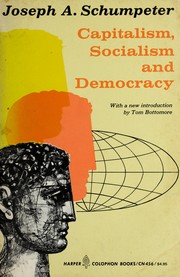
Capitalism runs on creative destruction, and its success may lead it to socialism.

Why mass movements of every kind draw the same frustrated people and use one method.
“My favourite book to recommend is The True Believer: Thoughts on the Nature of Mass Movements by Eric Hoffer. There is no discussion about investing, but it is extremely helpful in understanding…” — Joe Rosenberg
Source: Rosenberg on the book he most often recommends
Recommended by: Joe Rosenberg, Mohnish Pabrai and 6 others
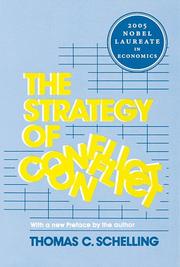
Conflict as bargaining: commitment, credible threats and focal points.
Recommended by: Naval Ravikant
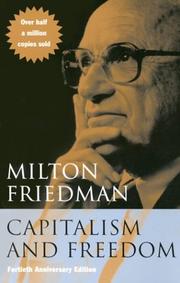
Economic freedom as a condition of political freedom, applied to policy questions.
Recommended by: Marc Andreessen

An indictment of 1960s Australia as provincial, philistine and living on its luck.
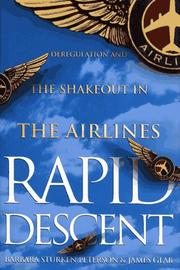
The economics of regulated industries, from pricing at marginal cost to competition.
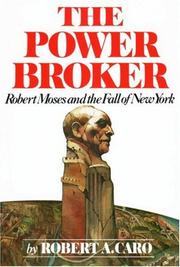
How an unelected official amassed power and used it to rebuild New York.
Recommended by: Balaji S. Srinivasan, Jim Collins and 8 others
Antitrust should rest on the economics of efficiency, not on protecting competitors.
The case for free markets and limited government, policy area by policy area.
Recommended by: Brian Armstrong, Mohnish Pabrai and 2 others
How Japan's trade ministry steered industry from 1925 to 1975.
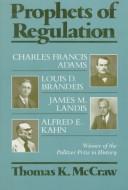
A century of US regulation through four figures, from Charles Francis Adams to Kahn.
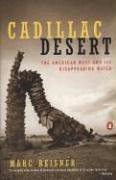
How rival federal agencies dammed the American West's rivers for water projects.
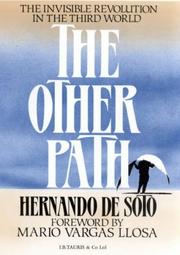
A study of Lima's informal economy and the legal costs that keep the poor outside it.
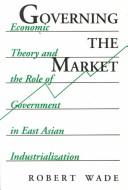
How Taiwan's state steered industry, making the case for directed East Asian growth.
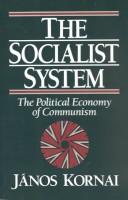
How socialist economies really worked: soft budgets, shortage and party power.

Why oil booms left Venezuela, Iran, Nigeria and others with unstable states.

Why large state plans fail when they override local, practical knowledge.
Recommended by: Balaji S. Srinivasan, Nat Eliason
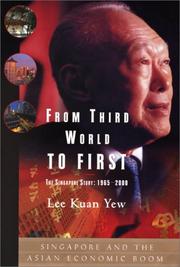
How Singapore's leaders chose policies, from courting multinationals onward.
Recommended by: Balaji S. Srinivasan, Mohnish Pabrai and 1 other
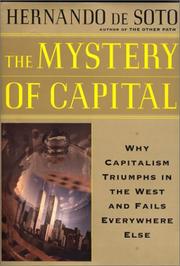
The poor hold assets but lack the property records that turn them into capital.
Recommended by: Mohnish Pabrai, Marc Andreessen
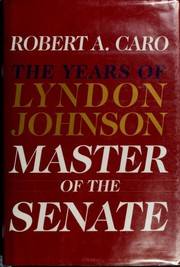
How Lyndon Johnson mastered the Senate's rules and became its majority leader.
Recommended by: Jim Collins, Marc Andreessen and 1 other

The Fed from 1913 to 1951, told from its own minutes and internal memos.
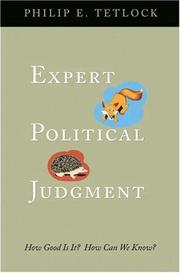
A 20-year test of 28,000 expert forecasts: foxes with many models beat hedgehogs.
“All pundits and commentators should publish their prediction track records, yet don't. What to pay attention to and what to ignore.” — Marc Andreessen
Source: @pmarca, 'Thread: Books I've recently read and recommend'
Recommended by: Marc Andreessen, Michael Mauboussin and 2 others

Four meals traced to their sources, from fast food and organic to hunted and grown.

Tests the popular comparison of America with ancient Rome and finds deep differences.
Recommended by: Bill Gates, Mohnish Pabrai
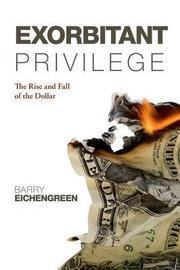
How the dollar became the world's currency, what it gives the US, what may follow.

How ExxonMobil acts like a sovereign power, from the Valdez spill to 2011.

Why oil-rich countries have less democracy, less stability and more civil war.
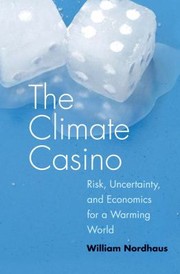
The economics of climate change, and why a universal carbon price works best.

Globalisation's two phases: cheap shipping of goods, then cheap movement of ideas.
Recommended by: Satya Nadella

The 2008 crash, the eurozone crisis and the politics after as one connected story.
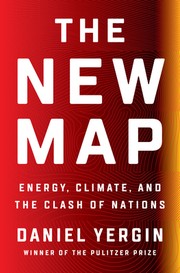
Energy and geopolitics in 2020: US shale, Russia, China and the Middle East.

Sovereign borrowing from Italian city-states to the pandemic, and what it paid for.

The Rochdale Pioneers by a contemporary; the founding cooperative account.
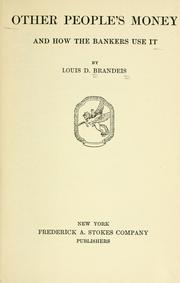
How bankers used depositors' money to control industry, from the Pujo inquiry.

The 1933 Senate hearings exposing bankers' practices that led to securities laws.
“It's a passage from one of my favorite books, "Wall Street Under Oath.” — Howard Marks
Source: Oaktree memo 'Learning From Enron'
Recommended by: Howard Marks

The 1787 Federal Convention in Philadelphia that wrote the US Constitution.
Recommended by: Jim Collins
How the palace balances elite factions; still the model for makhzen capitalism.
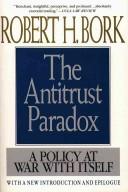
Antitrust law should pursue one goal, consumer welfare, and drop the rest.

A theory of socialist economies, where chronic shortage is the normal state.
What Japan's institutions had solved that America had not, and what to learn.
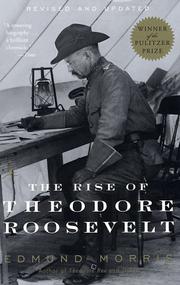
Theodore Roosevelt's life from his birth in 1858 to the presidency in 1901.
Recommended by: Mohnish Pabrai, Ryan Holiday, Jamie Dimon and 1 other
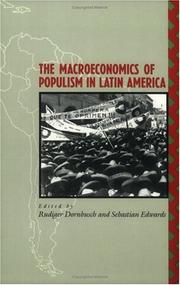
How Latin American populist economic programmes follow a cycle from boom to collapse.
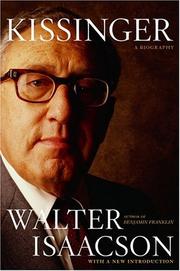
Kissinger's life and years in power, where realism, secrecy and strategy met.
Recommended by: Andrew Wilkinson, Scott Belsky
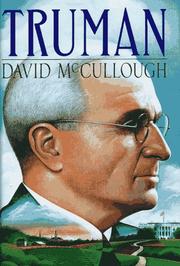
Harry Truman's life and presidency, from the atomic bomb to the Korean War.
Recommended by: Morgan Housel

The case for Poland's 1990 shock therapy, from an adviser to the programme.

How East Asian governments' interventions helped produce rapid growth.

Latin America's reforms from the 1980s debt crisis to the mid-1990s, assessed.
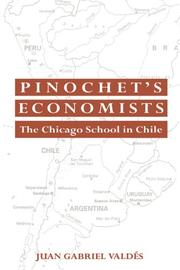
How Chicago-trained Chilean economists came to run economic policy under Pinochet.

Preference falsification: why people hide their views and how that hides change.
“So this is one of the all time great books. Incredible.” — Marc Andreessen
Source: Lex Fridman Podcast #458 transcript — Marc Andreessen
Recommended by: Marc Andreessen
Essays on moving from socialism to markets by Poland's reforming finance minister.

An insider's attack on Europe's exchange rate mechanism and monetary union.

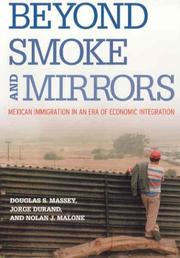
Mexico in the NAFTA era: an uprising, assassinations, corruption and a $50bn bailout.

How Vietnam moved from central planning to a market economy, from field research.

After the Cold War, conflict will follow cultural and religious fault lines.
Recommended by: Mohnish Pabrai, Patrick Collison and 3 others

Written from Romanian fieldwork; how the planned economy behaved in practice.
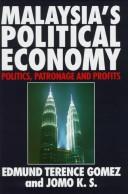
How Malaysian policy shared ownership and rents among ethnic and political groups.
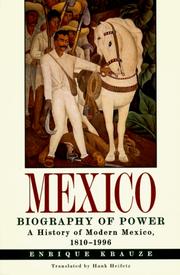
Modern Mexico from the insurgent priests of the 1810s to Zedillo and the Zapatistas.

What went wrong with Sweden's welfare-state model, leading to the 1990s crisis.
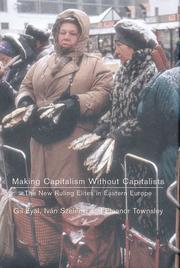
Who took charge of Central Europe's economies after 1989, without a capitalist class.
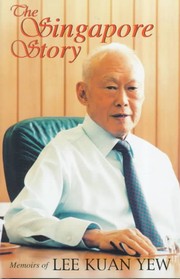
A founding leader's account of his life and Singapore's politics and history.
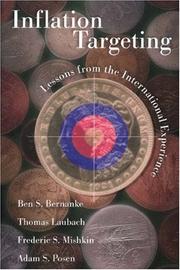
How inflation targeting worked in the first countries to adopt it.

Arguments for consumers to question and take on the corporate superbrands.
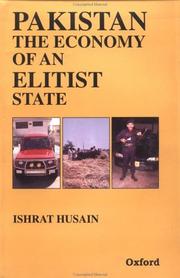
Why Pakistan grew for four decades while an elite captured the gains.
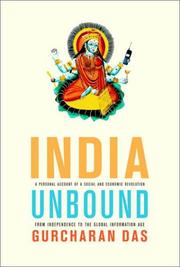
India's economy from independence to 2000, told alongside a P&G executive's career.

How the 1990 US sulphur dioxide allowance trading programme worked in practice.
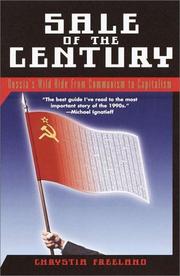
Russia's 1990s privatisation and the rise of the oligarchs, from Moscow.

Insider: the finance minister and IDA head on how the FDI model was built.

Nigeria, Africa's most populous nation, and why things are going badly there.
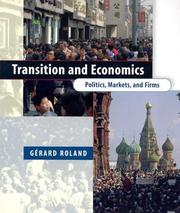
Formal political economy applied to the move from communism to markets.
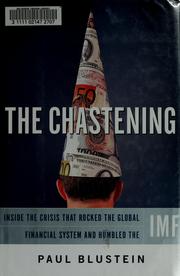
How the IMF handled the Asian and Russian crises of 1997 and 1998, from inside.
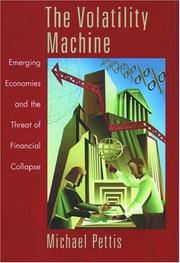
Emerging-market crises come from the structure of national balance sheets.
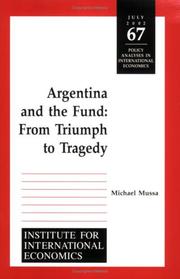
The IMF's own former chief economist on the Fund's failures in Argentina.
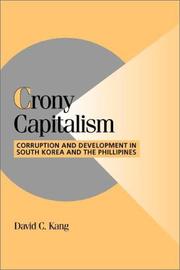
Why similar corruption in South Korea and the Philippines led to different results.
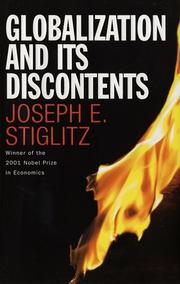
An attack on the IMF's one-size-fits-all policies in the crises of the 1990s.
Recommended by: Patrick Collison
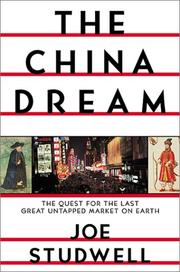
Why foreign investors' hopes of profit in 1990s China were mostly disappointed.

The Finnish model: how a welfare state produced a technology cluster.
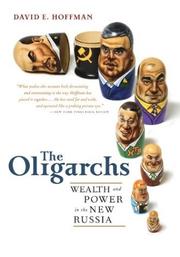
Six men and the mechanics of how post-Soviet wealth was assembled.

How Taiwan moved into higher-value industries after its first industrialisation.
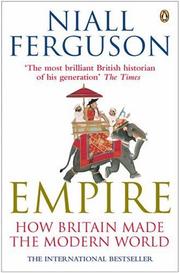
How the British Empire shaped the modern world, from globalisation to democracy.
Recommended by: Mohnish Pabrai

How Lincoln brought his three rivals for the 1860 nomination into his cabinet.
Recommended by: Bill Gates, Mohnish Pabrai, Jamie Dimon and 1 other
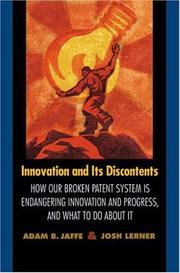
How 1980s changes turned the US patent system from aid to obstacle for innovation.

The citizens' movement of reformers and activists that ended Mexico's one-party rule.
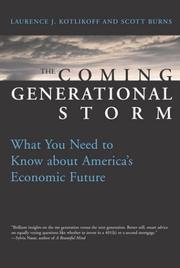
US fiscal promises far exceed future revenue, which official debt figures hide.
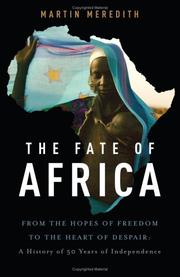
Africa from independence to the present, country by country.
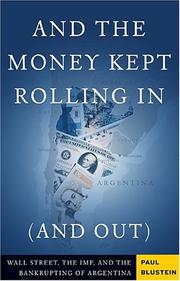
How Argentina and the IMF headed toward the 2001 default and devaluation.
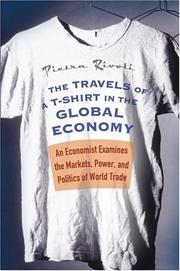
One T-shirt traced from a Texas cotton farm to a Chinese factory and beyond.

An economist's path from young communist in Hungary to analyst of socialism.

An investigation of a place living under the rule of a murderous crime organisation.

The monarchy and the Crown Property Bureau as an economic institution.

Berlusconi, media ownership and the capture of regulation.
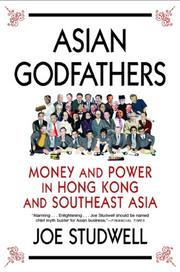
How Southeast Asia's tycoons got rich from political favours, not productivity.
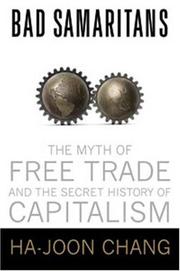
Rich countries urge poor ones to adopt the opposite of the policies they once used.
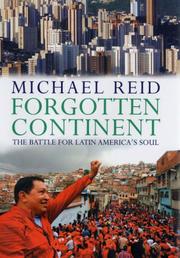
Latin America is neither doomed to fail nor saved by one reform; a balanced view.

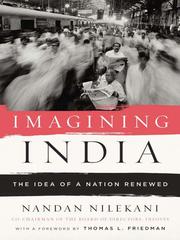
An introduction to modern India's rise and its many contradictions.
Recommended by: Mohnish Pabrai
How Israel, Taiwan and Ireland each used the state to build IT industries.

Why about sixty poor countries are stuck, caught in traps such as conflict.
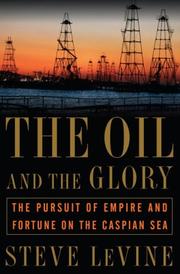
The fight for Caspian Sea oil from the 19th century to the present.
Eight essays on the post-1989 move from socialism to capitalism.

How Mugabe's Zimbabwe used land seizures and money-printing to hold power.

Why most government efforts to build venture capital sectors fail.

Ireland's crash was the product of its political culture, not global finance.
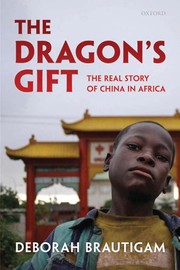
What China actually does in Africa, from field research, against Western myths.

The politics of the euro from postwar plans to its first decade.

The 2008 crisis grew from political and economic imbalances, not just banker greed.
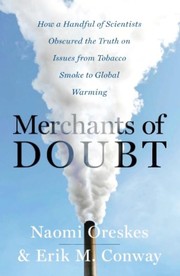
How a few scientists with ties to industry ran campaigns to deny settled science.
Recommended by: Nat Eliason, Elon Musk

How PPP concessions are structured, priced and argued over.

The academic account of what havens do and how they compete.
Every US information industry moved from an open era to control by one firm.
Recommended by: Patrick Collison, Andrew Chen

A class analysis of the Gulf states that rejects the standard rentier-state view.
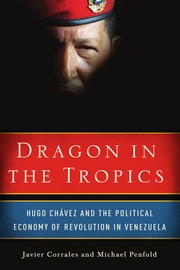
How Hugo Chavez turned Venezuela's frail democracy into a semi-authoritarian state.
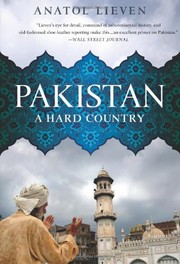
Kinship networks, patronage and why the state is weaker and more durable than it looks.

How China's state-run financial system really works behind its official figures.
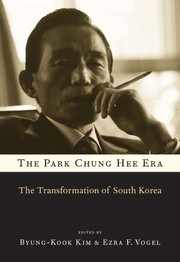
The authoritative volume on how the developmental state was built.

How offshore finance works, with Britain and the City of London at its centre.

The 2008 crisis from inside the FDIC, which closed failed banks and guarded deposits.
Recommended by: Mohnish Pabrai

Why Italy's economy underperformed, and the firms and places showing it can change.

Nigeria's reforms: cutting $30 billion of debt, fighting corruption, restructuring.

How deregulation from 1983 produced three decades without recession.

Joseph P. Kennedy's life in banking, film, the stock market and politics.
Recommended by: Mohnish Pabrai, Morgan Housel
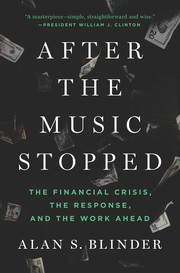
The 2008 crisis, the policy response and the aftermath, for general readers.
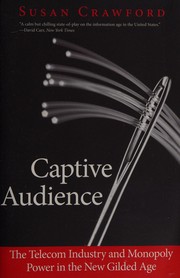
How government decisions and monopolies left US internet access slow and costly.
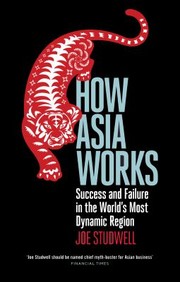
Why some Asian nations grew rich: land reform, export-led industry, directed credit.
“it's a good read for anyone who wants to understand what actually determines whether a developing economy will succeed.” — Bill Gates
Source: Gates Notes review of How Asia Works
Recommended by: Bill Gates, Mohnish Pabrai, Patrick Collison
Lee Kuan Yew's views on China, the United States and world strategy, by topic.
Recommended by: Mohnish Pabrai, Shane Parrish
Political history that explains who controls which parts of the economy.
How processed-food makers engineer salt, sugar and fat to make people eat more.
The 2007 to 2012 crises through three central bankers: Bernanke, King and Trichet.

Why banks should fund themselves with far more equity, and why their objections fail.

The 1944 Bretton Woods conference as a contest between Keynes and Harry Dexter White.

Broad employee ownership as an American tradition, and the case for reviving it.
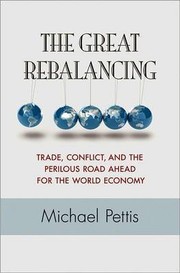
Trade imbalances come from policies that hold down household consumption.
Insider account of the financial-warfare machinery that isolates Iranian banks.

Brazil's rise toward economic power and the many problems it still faces.

Whether a nation's banks are stable or crisis-prone is decided by its politics.

County data showing household debt, not the banks, caused the Great Recession.

Data showing China's growth came from private firms, not the state sector.

What private equity does to companies, workers and investor returns, critically.

Southern Europe lost competitiveness under the euro; a German critic's remedies.

Why the security state crowded out the productive economy from the start.

Competing regional ideas of legitimate order and the balance of power.
Recommended by: Mohnish Pabrai, Mark Zuckerberg, Ray Dalio

Twenty-five years negotiating with Chinese officials, from Goldman to the Treasury.
Recommended by: Mohnish Pabrai, Anthony Pompliano and 1 other
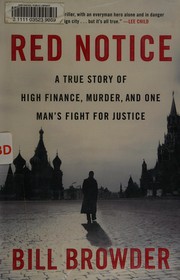
An investor in Russia is expelled, his firms seized, and his lawyer Magnitsky dies.
“my favorite read of the year, Bill Browder's terrific Red Notice... I highly recommend the read” — Christopher Bloomstran
Source: Semper Augustus 2022 Letter to Clients, 'Books and Stuff', p. 73
Recommended by: Christopher Bloomstran, Mohnish Pabrai and 6 others
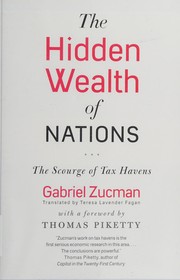
How much wealth is hidden in tax havens, and how to tax it.
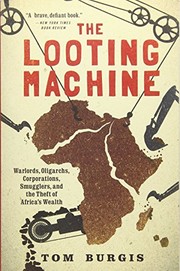
How Africa's oil and minerals are extracted in ways that leave its people poorer.

The euro's design flaws traced back through the postwar monetary system.

Brazil's billionaires during the boom, and what their fortunes say about inequality.

A question-and-answer guide to how China's economy works.
The drug trade as a business: how cartels handle supply chains, staff and branding.
The euro rests on false assumptions; Europe must complete the union or end it.

The euro crisis as a clash between German and French economic traditions.

Insider: the reporters who received and worked the Mossack Fonseca leak.
What Fed independence legally is, versus what people assume.

Ten rules for judging whether a country's economy will rise or fall.
Recommended by: Patrick Collison

Zimbabwe's history from Rhodesia's 1965 break to Mugabe, by a lawyer and MP.
Greece's 2015 debt talks with its creditors, by its finance minister at the time.

How US healthcare became so costly and broken, and what patients can do.
John Cowperthwaite, Hong Kong's Financial Secretary in the 1960s, and his policies.
How the Greek economy actually works: its product markets, courts and firms.
How Central Asia's rulers use offshore firms, foreign banks and Western property.
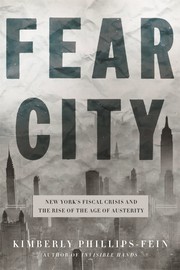
New York's 1975 fiscal crisis and the austerity politics it taught the nation.

How the offshore shell-company industry is actually built and sold.
For trade, but against hyperglobalisation that overrides national choices.

Insider account by the US official who designed the Iran sanctions programme.

How federal housing policy engineered segregation.

Why the platform mattered politically, and what that cost it.

How Jho Low diverted billions from Malaysia's 1MDB fund into parties and politics.
Recommended by: Alexis Ohanian, Alfred Lin and 5 others

The euro from its intellectual origins to 2018, in nine acts.
How Poland achieved Europe's fastest sustained growth after 1989.

How the Gulf states became central to the Middle East's political economy after 2011.

How the offshore world lets officials who steal money hide it and spend it abroad.

Saudi Arabia told through its oil business, from the 1930s concession to Aramco.
How South Africa's state was captured, traced through procurement documents.

Crony capitalism, promoter leverage and the bad-loan crisis.

How antitrust shrank to a consumer price test, and the case for breaking up giants.
Recommended by: Jeff Jordan

How fixation on measured performance damages the work it is meant to improve.
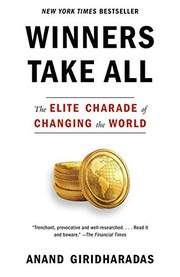
How the global elite's efforts to change the world keep the status quo in place.
Recommended by: Alexis Ohanian, Tristan Harris, Vinod Khosla
The Australian banking misconduct that led to the 2018 Royal Commission.

A defence of American business on fraud, CEO pay, monopoly and tech, issue by issue.
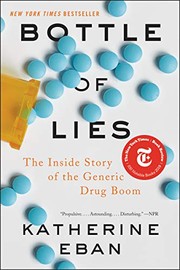
Fraud in data and manufacturing at offshore generic-drug plants.
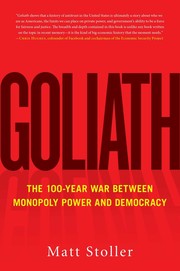
A political history of American monopoly and of the tradition that fought it.
Recommended by: David Heinemeier Hansson

How China's state sector returned after 2012 and slowed growth.
A challenge to donor orthodoxy on how African economies should develop.

Mohammed bin Salman's rise to power in Saudi Arabia and the decisions that followed.

How money from resource-rich autocracies flows into Western finance and law.


The US drug industry from patent medicines to the opioid epidemic and the Sacklers.

The KGB network's recapture of the commanding heights.
Japanese firms after 1990 moved into hidden upstream niches rather than stagnate.
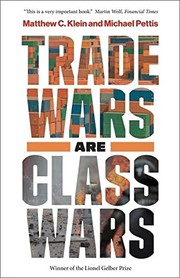
Trade imbalances come from how income is shared within countries.

Insider account of doing deals through Party patronage, and losing everything.
What happened to Eastern Europe in the thirty years after 1989, measured.

How chips became the key to economic and military power, made in a few chokepoints.
Recommended by: Andrew Wilkinson
Chile's market reforms under Pinochet and their results up to the 2019 protests.

Why AI and synthetic biology will spread fast and cheaply, and how to contain them.
“Everything is about to be changed by AI in a radical, scary way” — Andrew Wilkinson
Source: Newsletter
Recommended by: Andrew Wilkinson, Bill Gates and 1 other
Eskom's former chief executive on why South Africa's power supply can't be fixed.

How trade and payment chokepoints became instruments of state coercion.

Why Germany's economic model has ended, and why the causes are structural.

Current account of the cross-strait risk that prices every Taiwanese asset.

How Apple built its manufacturing base in China, and what it gave China in return.
“This is a phenomenal read... A brilliantly researched book. This book was hard to put down.” — Christopher Bloomstran
Source: Semper Augustus 2025 Letter to Clients, 'Books and Music', p. 87
Recommended by: Christopher Bloomstran
How the US made sanctions and economic warfare its main tool of coercion.
Insider manifesto by Palantir's CEO on tech and national power.

Six friends, including Acheson, Harriman and Kennan, who shaped US foreign policy.
Recommended by: Mohnish Pabrai

The book that made the Swedish model an international reference point.

Elite theory: who actually rules, and why stated aims mislead
“The book that I always recommend on this topic is called "The Machiavellians," which is this sort of a famous book from the 1940s” — Marc Andreessen
Source: The a16z Show — Marc Andreessen with David Senra (transcript)
Recommended by: Marc Andreessen
Mahathir's case for Malay preferences that became the New Economic Policy.

The founding pessimist study; useful baseline for what was later beaten.

How Rockefeller philanthropy reshaped American medicine.
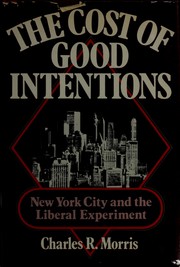
Contemporary anatomy of the same fiscal crisis, written from the numbers.

The fight over infant formula marketing and the boycott of Nestlé.

How Ferdinand and Imelda Marcos built crony monopolies and hid their wealth abroad.
Egypt is the anchor case throughout; the standard textbook on regional state-business relations.
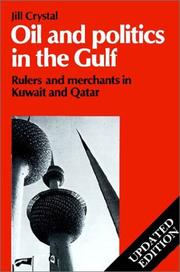
How oil revenue let rulers buy out the merchant families; the origin of the modern business elite.

The Rawlings structural adjustment, the reference case for African reform.
Documentary history of the strike, assembled from contemporary sources.

The family dynasties that have run the Philippines' politics and conglomerates.
The earlier survey: nationalisation, war financing and the bonyad economy.
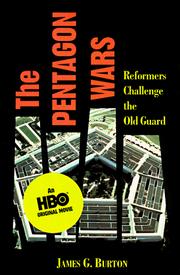
Insider account of the Bradley programme and operational testing.

The case for sweeping reform from the finance minister who forced it through.

Field research on how money actually moves through Thai officialdom.
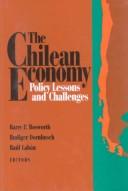
Brookings assessment of the reform package by economists who took it seriously.
The critical case; distributional costs behind the headline growth numbers.
The pre-crisis baseline: how the boom economy was actually structured.

Economic history that explains the industrial base the Czechs privatised.

How the productive structure and business class were remade after 1973.
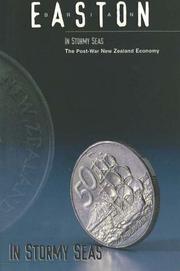
The post-war economy through the liberalisation, by its best chronicler.

The state-sector redesign other governments copied; contracts, outputs, accountability.
The state-chaebol bargain and how it shifted over forty years.
1997 forecast of digital money weakening the nation state
Recommended by: Balaji S. Srinivasan, Nat Eliason and 11 others

The Kuchma years in which Ukraine's oligarchic structure formed.
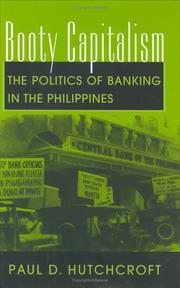
Why oligarch families captured the banks rather than the state capturing business.
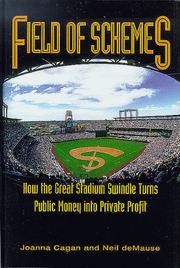
How team owners extract public money for stadiums by threatening to move.
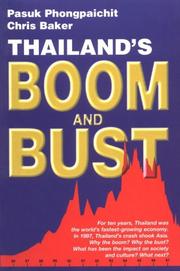
The definitive account of the bubble and the baht devaluation that started the Asian crisis.
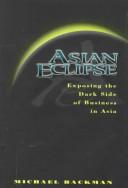
Written straight after the 1997 crisis on opacity, related-party dealing and family control.
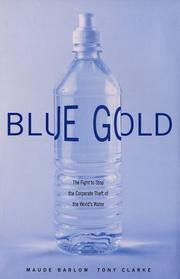
The case against water privatisation and the companies buying up water supplies.

Boris Berezovsky and the businessmen who looted Russia after the Soviet collapse.

Follow-up on the IMF programme, bank restructuring and who paid for it.

Turkey caught between two worlds, its politics up to the 2001 bank crisis.

Italy from 1980 to 2001: family capitalism, patronage and the state.
The standard account of Nazarbayev-era state building and asset allocation.

The argument that Taiwan's chip industry protects it from Chinese attack.

Suharto's rise and the New Order patronage economy behind Indonesian business.

Malaysia's 1997-98 crisis and its unorthodox answer of capital controls.
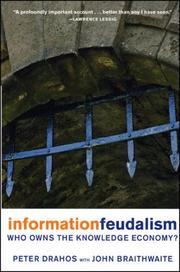
How the TRIPS treaty spread patent and copyright rents worldwide, drugs included.
How experts, capital and land were arranged in modern Egypt.
How informal credit, trust networks and trade finance work when the banking system does not.
A contested but influential reading of the Bank of Japan's credit guidance.
Recommended by: Patrick Collison

How great powers and local people fought over Taiwan, through the party-state era.

Country-by-country anatomy of the crisis, reform and recovery.

A writer who moved to Italy in 1999 on its courts, bureaucracy and darker side.
The standard economics volume: trade, banking, land and industrial policy.
Welfare, insider protection and why French reform keeps stalling.

Why economic reform in the Middle East reshuffled privilege rather than ending it.

Essays on Vietnam's state, business and the limits of its reform coalition.
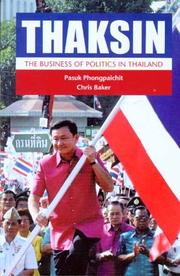
Telecoms billionaire turned prime minister; the clearest study of business-politics fusion in Thailand.

How the Philippine elite blocked reform through liberalisation and debt after Marcos.
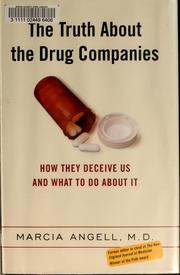
How drug companies turned from discovering drugs to marketing them.

Indonesia's 1997-98 collapse and the fall of Suharto, reported on the ground.

The clearest short account of how the property oligopoly extracts rent.

Why the Philippine state stays weak while strong families hold power.

How Poland's Solidarity union won the transition and lost the workers after it.

Cocoa supply chain and child labour behind confectionery majors.
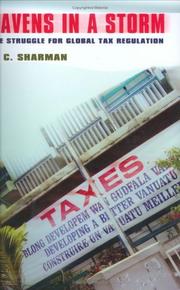
How small jurisdictions fought off the OECD's harmful tax competition drive.
How Norway designed its oil licensing system, told by the geologist behind it.

A UK ambassador's account of Uzbekistan's cotton trade and its abuses.

Ukraine's 2004 Orange Revolution, the oligarchs and why they kept their assets.
An IMF economist on which policies were actually causal, and which transferable.

Stabilisation, privatisation and the authoritarian bargain that delivered them.

Industrial policy and FDI dependence assessed against the East Asian model.
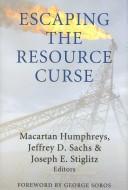
Norway is the counterexample the whole volume is arranged around.

Comparative transition account; Czech vouchers judged against other sequencing choices.
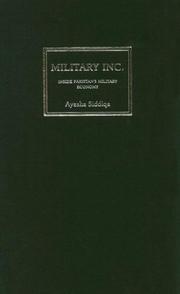
The Pakistan army's foundations, land and industrial holdings, mapped in full.
How Hong Kong's banks and bank crises shaped the miracle economy.
Economists' report on how small open economies combine flexibility with heavy taxation.

Two centuries of graft quantified; the cost of doing business, measured.
The history of Pakistan's army and its hand in how the country is governed.
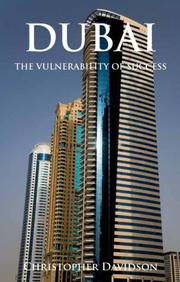
The emirate's development model and its structural dependencies.

How Egypt's judges, business elite and Islamists sought a path toward liberalism.
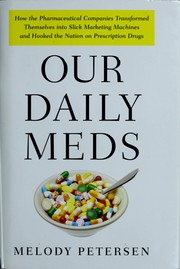
How drug makers became marketing machines, from Risperdal to off-label promotion.
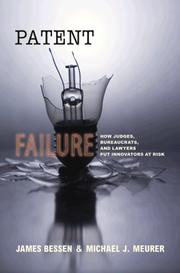
Evidence that patents work poorly as property; the IP-as-asset skeptic case.

How Chile's AFP model was exported worldwide, and who profited.

What the Nordic model is, where it came from and where the countries differ.

How Abu Dhabi's oil wealth built the emirate and gave rise to its sovereign funds.
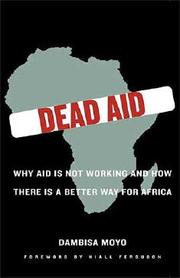
Polemical, but the case for bond-market financing over aid is argued in investor terms.

Covers EU accession as the main driver of Romanian institutional change.
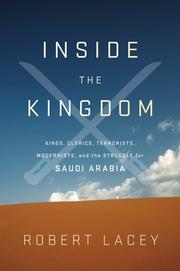
Saudi Arabia's oil wealth, religious establishment and attempts at reform.

Whistleblower's account of the Anglo Leasing procurement scandals; essential country risk reading.
Recommended by: Patrick Collison
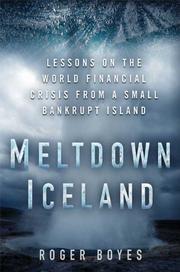
Contemporaneous reporting on the collapse and the Icesave dispute.
Foreign investment, labour and the costs of the transition, told critically.
Recommended by: Patrick Collison

Salazar and the corporatist Estado Novo economy he ran in Portugal.
Academic account of the post-2001 reform programme and its unwinding.
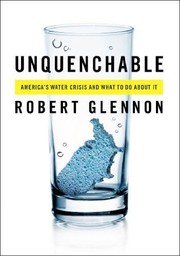

The developer-banker-politician network that inflated the property bubble.

The Niger Delta oil economy reported at ground level.

Structural reading of why the growth model was fragile from the start.

How Dubai became a centre for business and luxury, and the migrant labour beneath it.

Egypt from Nasser to Mubarak: its politics, economy and crony privatisations.

Ghana as lead exhibit in the case for African growth turnarounds.

Why growth kept disappointing despite reform; good on institutions and productivity.
Why ownership structure, not oil itself, set post-Soviet states' fortunes.
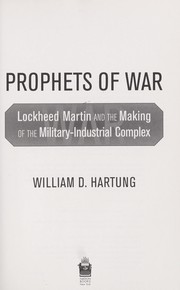
Lockheed Martin as a case study in the contractor-state relationship.
NBER volume on the post-crisis reforms that restored Swedish growth.

Institutional history of the stabilisation that made the commodity boom possible.
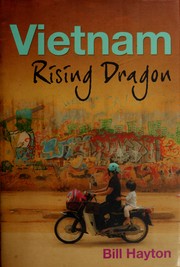
Vietnam's rapid change under Party control, state firms and the doi moi reforms.
Ten years of field data on what actually happened to seized farmland.
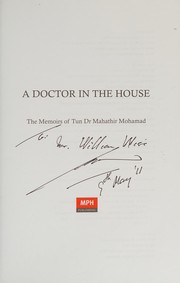
Memoir by the architect of the industrial policy and the capital controls.

A UK chancellor's memoir of the bank crisis, the guarantee and nationalisations.

An owner who converted his own firm, on employee ownership in practice.
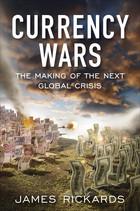
Popular account of competitive devaluation as policy.

Dubai governed openly as a company, and what that means for those who invest there.
The critique of the transition's distributional cost.

Ethnic coalition politics as the mechanism that allocates economic rents.

Essays on Pakistan's energy, taxes, banking and the reforms they need.

How the Al-Thani family shaped modern Qatar and took hold of its gas wealth.

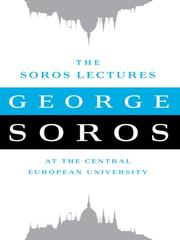
George Soros's Open Society foundations and what they funded.

Egypt from Nasser to Tahrir Square, and its state-run economy and opening.
How an authoritarian state uses law as an instrument of control.

The commodity-boom decade and the institutions underneath it.

How Vietnam's Communist Party talked itself into opening the economy and joining WTO.

Phone hacking, by the MP who pursued it in Parliament.

How Central Asian states play the outside powers off against each other.

Rupert Murdoch's political power, arguing his politics drove his business.

The 2010-12 euro-zone rescues and the national politics behind each one.

How these funds actually invest and what governs them; NBIM as benchmark.
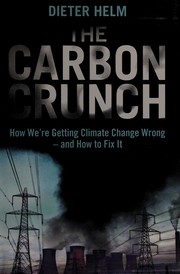
Why climate policy failed to cut emissions as coal use kept rising.

The rush to buy farmland across the developing world, and who loses from it.

The political-risk case that the Gulf monarchies will not last.

Reported from inside the Chávez government as expropriation accelerated.

The cajas, the construction boom and the political economy of the bailout.
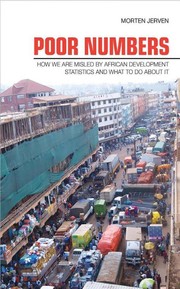
Ghana's 2010 GDP rebasing is the central case; read before trusting any African macro series.
Recommended by: Bill Gates

How Qatar's sovereign wealth fund serves its foreign policy.

Kyrgyzstan's revolutions, asset seizures and the Bakiyev family's businesses.

The reference on SWF governance; Norges Bank Investment Management is the central case.

Mining and hydrocarbon conflict in the Andes; the social licence problem.

Why incumbent power in states, firms and armies now erodes faster
Recommended by: Mark Zuckerberg

Fertility decline argued as an economic rather than a moral problem.
Thailand's royal succession and the political violence and censorship around it.

By an investigator on the Special Investigation Commission; connected lending and cross-ownership.

Political economy of the boom, the Icesave dispute and the aftermath.

Regulatory history explaining how a thrift-charter lender grew unsupervised.

Reporting on how Greek institutions failed, sector by sector.

Includes the Czech voucher scheme written up by people who designed and criticised it.

Former finance minister on subsidies, privatisation and the rial.

Migration and openness as the source of Australia's long-run growth.

How business associations and state elites actually bargain across the region.

Argues the currency was not the problem, the crisis management was; the best contrarian case.

The standard survey: bonyads, IRGC commercial holdings, subsidies and sanctions.

Insider account of the cement, floriculture and leather sectors by the official who ran the policy.

How modern Greece's state developed, up to the debt crisis that began in 2010.
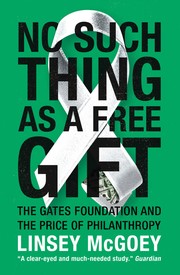
A critique of the Gates Foundation and the rise of philanthrocapitalism.

Retrospective essays on the limits of the model and what comes next.
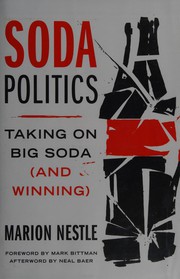
How soda makers built global brands, the health costs, and the push to tax soda.

How minor metals are mined, traded and hoarded.

Greece's crisis seen in its villages and streets: tax evasion and informal work.

How some societies get corruption under control while others stay corrupt.
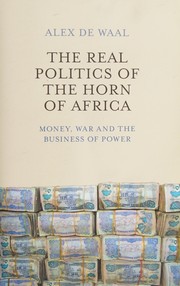
The 'political marketplace' framework: how loyalty is priced and paid for in the region.

The oligarch model, gas trading rents and the post-Maidan reform agenda.
How donor money underwrote the EPRDF developmental state.

A sociologist trains as a wealth manager to show how fortunes are shielded offshore.

The mechanics of subsidised fuel, multiple exchange rates and arbitrage as a national industry.

Detroit's Chapter 9 bankruptcy, the largest by a US city, from inside the case.

The Greek debt crisis and first bailout, told by the finance minister who signed it.

The reform agenda India has still not executed.
Insider: the UBS banker whose disclosure ended cross-border Swiss secrecy.
A framework for how ownership is reassigned politically; the most useful guide to Hungarian counterparty risk.

How Turkey's institutions, media and business were reorganised under AKP rule.

How licensing in place of sale strips buyers of control over what they paid for.

Sovereign funds, diversification plans and the limits of the rentier bargain.

Power in a networked age; connection as the source of advantage
Recommended by: Reid Hoffman
Concentration of wealth, land and market power among a few families.

Insider: the economy minister who built convertibility defending the record.

Southeast Asia's politics and conflicts, seen by a mediator at the negotiating table.

The Zuma years assembled into a single narrative of capture.

Municipal tender corruption reconstructed from the inside.

Operator-facing handbook on governance and growth constraints across the continent.

Who actually controls the GLCs that dominate the local market.
How Viktor Orbán won and holds power in Hungary through nationalism and patronage.

How Erdogan's consolidation reshaped who wins contracts.
The state-capture network and how state enterprises were monetised.

How drug makers, regulators and distributors let the US opioid epidemic grow.

The secretly funded litigation that destroyed Gawker.
Recommended by: Brian Koppelman, Jeff Jordan, Joel Connolly and 2 others
Why America lags in fibre-optic broadband, and the case against the cable incumbents.
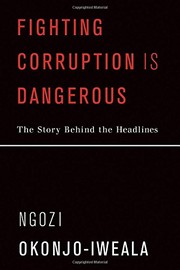
The same author on what happened when the reforms were resisted.

The insecure jobs and falling mobility behind Germany's export success.

Insider on why Pakistani institutional reform keeps failing at implementation.
How a journalist uncovered the 1MDB fraud, told first-hand.
How deeply the two economies are now integrated.

Spain's financial crisis, its bank rescue and the shape of the country's recovery.
Insider memoir by the architect of much of the reform programme.
Firm-level evidence on politically connected business; Egypt is the core case.
Reporting on the succession, Zhanaozen and how the state and business interlock.

How the Gulf monarchies' cheap domestic energy became their central fiscal problem.

Reporting on the construction-and-credit growth model and who benefited.

Erdogan's drive to make Turkey a great power, and its cost to the lira and budget.
Procurement capture inside the governing party.
Technological learning and catch-up; the theory behind Ethiopia's industrial parks.

Why Muslim-majority countries lag: an old alliance of clerics and military states.

How the rent-extraction system is organised under Putin.
A framework for post-communist regimes, built on the Hungarian case.

The standard economic survey: resource rents, transit corridors, reform records.

Insider account by Microsoft's president on tech policy and regulation.
Recommended by: Bill Gates, Reed Hastings, Reid Hoffman and 1 other

The 2017 coup reported from inside, including its business backers.

Gas transit, trade dependence and the economics under the Ukraine-Russia conflict.

Hong Kong's 2019 protests, from the extradition bill to months of street battles.
Colonial economism and the debt-and-cotton origins of the modern Egyptian economy.

Concentration traced sector by sector through its effects on customers.
The academic case that repurchases hollow out corporate investment.

Argument that rich societies have stagnated into repetition and sterility
Recommended by: Peter Thiel
Why Latin America's written rules often go unenforced, and what that costs.

The rare metals behind green tech and devices, and China's hold on their supply.
Modern Saudi Arabia's history, and whether its system can change as Vision 2030 asks.

Glencore, Vitol, Trafigura and Cargill; the definitive book on the trading houses.

Insider account of the Fed from Burns through the QE era.

A political demographer on what the numbers do and do not determine.

The drug distributors behind the opioid epidemic and the lawsuits against them.

How Britain built its overseas territories into a deliberate service industry.

NASA insider on the policy fight that funded commercial crew.

Insider: two federal police delegates on the Lava Jato investigation.

Argument that online communities can become sovereign; crypto-native politics
Recommended by: Balaji S. Srinivasan, Brian Armstrong and 4 others

Reporting on the endgame: PDVSA's decay, default, sanctions and dollarisation.

The prosecutorial case against the industry KKR created; read as counterweight.

An investigative case against the power of the Gates Foundation.

How ownership of American agriculture came to sit with a few families and firms.

Insiders on Pentagon-Valley contracting where Palantir won
A lawyer's memoir of fighting wrongful convictions, such as Walter McMillian's.
Recommended by: Barack Obama, Kathryn Minshew and 2 others


Recommended by: Mohnish Pabrai

Recommended by: Sam Parr
Recommended by: Mohnish Pabrai, Tim Cook

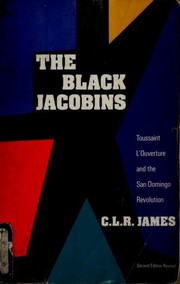
Recommended by: Patrick Collison, Ben Horowitz

Recommended by: Patrick Collison
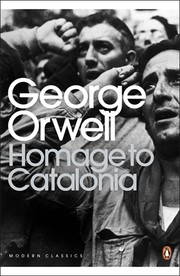


Why managers and technocrats would replace capitalists as society's ruling class.
Recommended by: Marc Andreessen

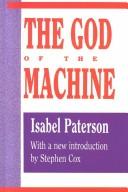
An inquiry into the nature of freedom and the uses of power.
Recommended by: Marc Andreessen

Recommended by: Patrick Collison
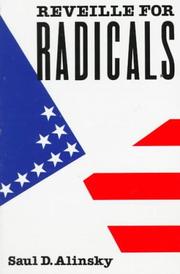

A reading of Xenophon's Hiero, where a tyrant and a poet weigh the uses of tyranny.
Recommended by: Peter Thiel

Ways to end humanity's conflicts with nature, with other people and within the self.
Recommended by: Patrick Collison

Recommended by: Patrick Collison

Recommended by: Patrick Collison
Recommended by: Patrick Collison
Recommended by: Ryan Holiday, Casey Neistat, Jason Calacanis and 1 other

Recommended by: Nat Eliason


Recommended by: Mohnish Pabrai

Recommended by: Marc Andreessen



Recommended by: Ryan Holiday, Balaji S. Srinivasan

Recommended by: Nick Crocker

The case for anarcho-capitalism, a society run on markets without a state.
Recommended by: Marc Andreessen

Recommended by: Mohnish Pabrai, Jamie Dimon

Cognitive psychology applied to how leaders misperceive each other in foreign policy.
Recommended by: Bill Gates

Recommended by: Susan J. Fowler
Recommended by: Andrew Wilkinson, Patrick Collison

Recommended by: Mohnish Pabrai, David Sacks, Larry Ellison

Recommended by: Paul Graham

Recommended by: Marc Andreessen
Recommended by: Patrick Collison, Stewart Brand

Recommended by: Marc Andreessen

Recommended by: Mohnish Pabrai, Jamie Dimon
The Volcker Fed from the inside; still the fullest political account.
Recommended by: Mohnish Pabrai

Dated but the clearest treatment of the settler-to-Kenyan capital handover.
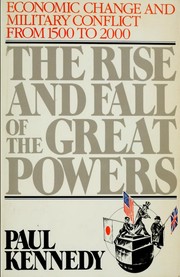
Military spending measured against the economy that has to carry it.
“The River Out of Eden by Richard Dawkins, The Rise and Fall of the Great Powers by Paul Kennedy” — Ray Dalio
Source: Ray Dalio Reddit AMA, r/IAmA (u/RayTDalio)
Recommended by: Ray Dalio, Michael Wong

Recommended by: Patrick Collison
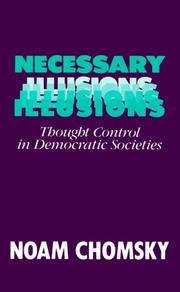
How media in democracies serve state and corporate power while claiming independence.
Recommended by: Eric Weinstein

An interpretation of the New Deal and of the historians who have written on it.
Recommended by: Paul Graham


How communities manage shared resources without either the state or the market.
Recommended by: Patrick Collison, Stewart Brand

Memoir of the Cultural Revolution and Tiananmen; his only English-language book.
Recommended by: Mohnish Pabrai

An enquiry into nationalism since 1780: its programme, its myths and its reality.
Recommended by: Patrick Collison
An analysis of political hostage-taking by terrorists in the modern world.
Recommended by: Patrick Collison

A financier's account of his growing involvement in opening up the Soviet system.

Study of Canadian competitiveness with the Monitor Company

The cultural rift between America and Japan, through people working across it.

Hard-to-find catalogue of Marcos-era crony deals; the source everyone else cites.

Recommended by: Mohnish Pabrai


Recommended by: Patrick Collison

Includes the Souk al-Manakh episode and the Kuwait Investment Office.
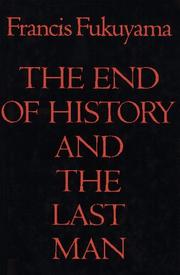
Why liberal democracy may be the end state of political change, and how people react.
Recommended by: Marc Andreessen, Peter Thiel

Recommended by: Patrick Collison, Ezra Klein

How sports franchises press cities for new stadiums by threatening to move.


Clarence Darrow's 1912 bribery trial in Los Angeles, and the lawyer's life around it.
Recommended by: Mohnish Pabrai


Nelson Mandela's own story, from childhood to prison and the end of apartheid.
Recommended by: Mohnish Pabrai, Richard Branson
Alternating fiction and essay, a rewrite of Nineteen Eighty-Four with a new ending.
Recommended by: Mark Zuckerberg

Subtitled 'Multiculturalism and Political Intolerance on Campus'

New Zealand's 1984-95 reforms: deregulation, privatisation and inflation targeting.

Recommended by: Keith Rabois, Marc Andreessen

Recommended by: Patrick Collison
The 1997 warning that the political backlash was coming.
Recommended by: Patrick Collison
The London libel trial that became a reputational case study.


Recommended by: Mohnish Pabrai

Recommended by: Patrick Collison

Recommended by: Patrick Collison

Recommended by: Richard Branson

Recommended by: Mohnish Pabrai
Globalization as the new international system, seen from Amazon farms to Wall Street.
Recommended by: Mohnish Pabrai

Recommended by: Patrick Collison
Recommended by: Mohnish Pabrai, Jamie Dimon
Recommended by: Patrick Collison
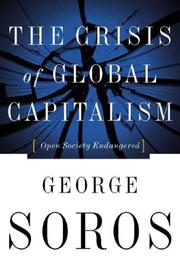
The causes of instability in the global economy and the open society as a remedy.
Recommended by: Bill Gates, Mark Zuckerberg, Sahil Lavingia

Recommended by: Patrick Collison

Recommended by: Patrick Collison
Essays on how a handful of insiders shapes the story of American political life.
Recommended by: Audrey Gelman


Recommended by: Mohnish Pabrai

Recommended by: Mohnish Pabrai


Selections on community and society
Recommended by: Patrick Collison

Recommended by: Mohnish Pabrai

Recommended by: Mohnish Pabrai, Warren Buffett

Hundreds of polls show how rarely presidents' public appeals change public opinion.
Recommended by: Ezra Klein

Over 1,000 letters from 1922 to 1994, grouped by themes such as friends and beliefs.
Recommended by: Mohnish Pabrai


Recommended by: Paul Graham

Recommended by: Marc Andreessen

A president's years before public life, his years in politics and in the White House.
Recommended by: Mohnish Pabrai

The danger of a terrorist nuclear bomb in an American city and a call to prevent it.
Recommended by: Warren Buffett
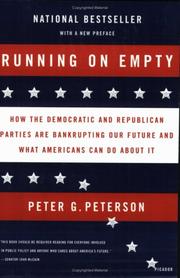
Recommended by: Mohnish Pabrai

The Dukes v. Wal-Mart sex discrimination litigation.

title confirmed on his CFR expert page

Recommended by: Ezra Klein


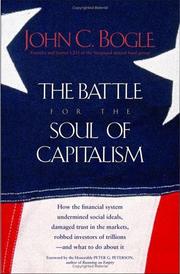
How managers and middlemen took value from the owners of American companies.
Recommended by: Mohnish Pabrai, Mr. Money Mustache
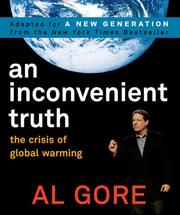

Property rights, land and violence as a continuous economic story.

Recommended by: Bill Gates

Recommended by: Patrick Collison

The main findings on disease-control priorities for developing countries.
Recommended by: Bill Gates
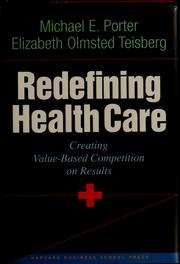
Creating Value-Based Competition on Results

How a New York Times reporter's coverage of Castro shaped American views of Cuba.
Recommended by: Balaji S. Srinivasan

Legal and institutional reform; the contract and property environment for investors.


Recommended by: Mohnish Pabrai

Morocco against Tunisia: why business lobbies formed differently and what it did to reform.

How Britain's Glorious Revolution of 1688-89 shaped the ideals of America's founders.
Recommended by: Mohnish Pabrai
The Great Depression told through the stories of the common people who endured it.
Recommended by: Balaji S. Srinivasan
Voters hold systematic biases about economics, so democracies choose bad policies.
“The median American is a moderate national socialist – statist to the core on both economic and social policy.” — Marc Andreessen
Source: @pmarca, 'Thread: Books I've recently read and recommend'
Recommended by: Marc Andreessen, Patrick Collison

What US parties, politics and citizen activism must change to secure the future.
Recommended by: Meg Whitman

Why some words persuade and others fail, from a political pollster.
Recommended by: Nat Eliason, Matt Mullenweg, Tim Ferriss and 1 other
Recommended by: Patrick Collison


Recommended by: Patrick Collison

World Bank study of sovereign catastrophe risk transfer.

The copper enclave before nationalisation: labour, Anaconda and Kennecott.
Recommended by: Mohnish Pabrai, Bill Gates, Meg Whitman
Recommended by: Patrick Collison
Nixon's political career from Congress to the White House and the strategies he used.
Recommended by: Patrick Collison

Chinese people who push for justice and freedom under an authoritarian state.
Recommended by: Patrick Collison

Recommended by: Mohnish Pabrai, Nat Eliason, Bill Gates


International business guide to allowances, offsets and registries.


Recommended by: Bill Gates

The 1991-2008 transition; explains where the industrial assets came from.
Recommended by: Mohnish Pabrai

Recommended by: Marc Andreessen


A novel: 17 super-rich Americans, Warren Buffett among them, unite to fix government.
Recommended by: Mohnish Pabrai
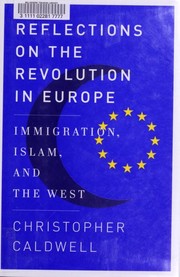
How mass immigration and Islam changed Europe without forming a melting pot.
Recommended by: Patrick Collison

Why policies backfire in a networked world, drawing on complexity theory and history.
Recommended by: Mohnish Pabrai

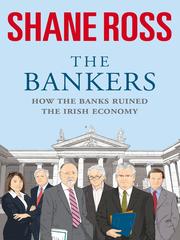
The bankers, boards and regulators behind Ireland's banking collapse.

Recommended by: Diana Kimball

Recommended by: Balaji S. Srinivasan

Recommended by: Emmett Shear

Polemic against Keynesian policy from an Austrian-leaning investor
“This is another timely classic given the present condition. The outline structure of the book is brilliant.” — Christopher Bloomstran
Source: Semper Augustus 2020 Letter to Clients, 'To Read or Not to Read', p. 57
Recommended by: Christopher Bloomstran

RAND occasional paper; the early survey of the US market.


Recommended by: Mohnish Pabrai

Insider memoir: the Treasury Secretary's version of the same weeks.
Recommended by: Mohnish Pabrai

Recommended by: Mohnish Pabrai

A former SEC lawyer on naked shorting and the fights around it.
Recommended by: Mohnish Pabrai

Barack Obama's life, experiences and the ambition behind his rise.
Recommended by: Mohnish Pabrai

Recommended by: Mohnish Pabrai

Recommended by: Patrick Collison

Recommended by: Mohnish Pabrai

The one readable overview of how the state, NGOs and business interlock.

How business lobbies built emissions trading as the chosen instrument.

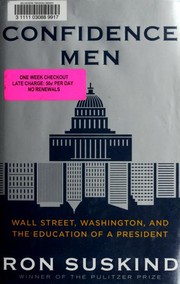

Recommended by: Balaji S. Srinivasan, Bill Gates

Written by a hedge fund manager; strongest on the bond market's role in the build-up.

Recommended by: Mohnish Pabrai
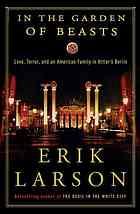

Recommended by: Patrick Collison
Firm-level study of how Nordic companies reorganised for global production.
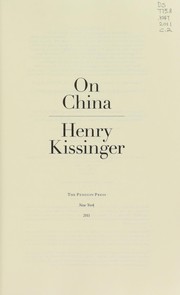
China's history and its ties with the West, drawn from talks with Chinese leaders.
Recommended by: Mohnish Pabrai

The policies that moved Taiwan's economy from agriculture to electronics.

How America is failing four challenges, from globalization to its chronic deficits.
Recommended by: Bill Gates

Recommended by: Bill Gates

Recommended by: Nat Eliason, Andrew Chen
Recommended by: Mohnish Pabrai
Recommended by: Mohnish Pabrai

Recommended by: Balaji S. Srinivasan

Recommended by: Patrick Collison


Recommended by: Mohnish Pabrai

A Chinese dissident's essays and poems on tyranny, land disputes, Tibet and freedom.
Recommended by: Mohnish Pabrai
Why Obama's frustrations came from misreading the nature of presidential power.
Recommended by: Ezra Klein

Recommended by: Ali Abdaal, Jackie Vullinghs, Tristan Harris and 1 other
Recommended by: Patrick Collison

Recommended by: Patrick Collison

Recommended by: Patrick Collison



Recommended by: Patrick Collison


Recommended by: Bill Gates, Mohnish Pabrai, Sophie Bakalar

Recommended by: Patrick Collison

Recommended by: Mohnish Pabrai

Recommended by: Andrew Wilkinson

Recommended by: Patrick Collison
How drug-war policing made a poor Philadelphia neighbourhood a surveillance state.
Recommended by: Alex Blumberg

Recommended by: Bill Gates, Mohnish Pabrai, John Doerr
Recommended by: Balaji S. Srinivasan

The four Koch brothers' lives and their business, social and political ambitions.
Recommended by: Mohnish Pabrai
How geography, demography and shale energy set America up to dominate as others age.
Recommended by: Mohnish Pabrai

Fixers, traders and middlemen in the oil trade.

Recommended by: Mohnish Pabrai

Recommended by: Mohnish Pabrai


How the Federal Reserve was argued into existence, from the 1907 panic to 1913.
Recommended by: Seth Klarman



Recommended by: Patrick Collison

The sceptical case: prosperity preceded the welfare state, not the reverse.

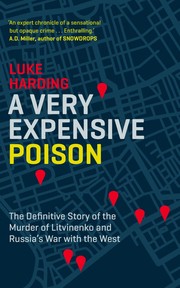


Recommended by: Patrick Collison


Longer version of the same argument, aimed at American admirers of the model.
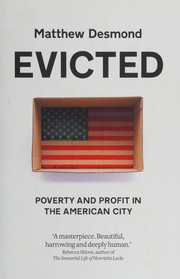
Eight Milwaukee families and two landlords through repeated evictions, 2008-09.
Recommended by: Bill Gates, Barack Obama, Emmett Shear and 3 others
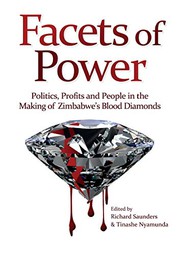
The Marange diamond fields; how an extractive rent was captured militarily.

Academic collection on blame, protest and institutional reconstruction after 2008.


Data on how Turkey's procurement law was amended to steer state contracts.

A realistic view of how far a president can use persuasion to win support.
Recommended by: Ezra Klein


Alan Greenspan's life, and with it the making of modern finance from Nixon to Bush.


Recommended by: Daniel Petre, Matej Latin

Popular and partisan, but the clearest short account of the Nordic bargain.

Recommended by: Bill Gates, David Sacks, Ray Dalio

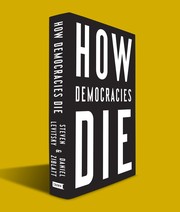
Recommended by: Barack Obama, Julian Shapiro


Recommended by: Patrick Collison

Recommended by: Antonio García Martínez
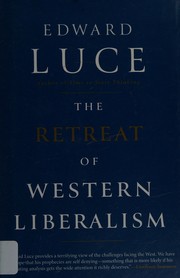
Recommended by: Antonio García Martínez
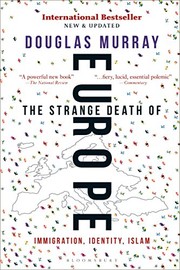
Recommended by: Antonio García Martínez, Marc Andreessen



Recommended by: Zoë Foster Blake
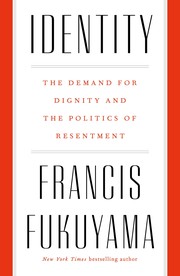

Recommended by: Balaji S. Srinivasan

How Rome's republican institutions broke down and the Republic fell into tyranny.
Recommended by: Evan Spiegel

How group identities drive politics at home and abroad, and how elites missed it.
Recommended by: Mark Cuban

How presidents from Madison to Lyndon Johnson took America to war and gained power.
Recommended by: Bill Gates
Recommended by: Andrew Wilkinson

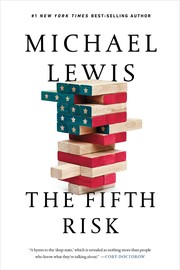
Where politics meets startups taking on incumbents in regulated industries.
Recommended by: Audrey Gelman, Michael Bloomberg

Recommended by: Bill Gates, Vinod Khosla

Reporting from five swing states on whether Trump's election was a fluke or a shift.
Recommended by: Donald Trump, Mark Cuban


Recommended by: Guy Kawasaki

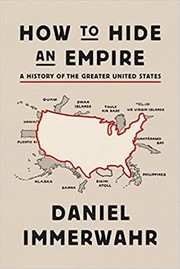
Recommended by: Balaji S. Srinivasan, Ryan Holiday

Published in the UK as In Defence of Open Society.

Recommended by: Donald Trump


The little-known offences of the British crown against its own American subjects.
Recommended by: Donald Trump
Recommended by: Alexis Ohanian, Kara Swisher

Recommended by: Kara Swisher, Kathryn Minshew and 1 other

Asia as one order from Saudi Arabia to Japan, linking five billion people by trade.
Recommended by: Balaji S. Srinivasan
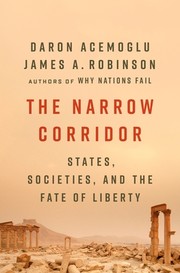
Why liberty is hard to win and keep, and how it can survive new threats.
Recommended by: Satya Nadella


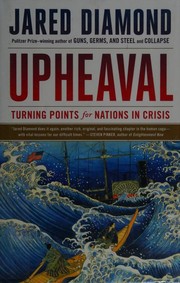


Recommended by: Balaji S. Srinivasan
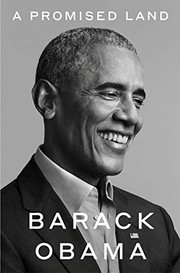
Obama's memoir from his early politics through his first presidential term.
Recommended by: Bill Gates, Michelle Obama, Trevor Ncube

A working method for scoring country risk across frontier markets.


The 2017-21 blockade of Qatar and its effect on trade, aviation and supply chains.
Deregulated wholesale markets and reliability risk.

US politics analysed as an industry with five forces, and reforms to fix it.
Recommended by: Charles Koch, Mark Cuban



Recommended by: Balaji S. Srinivasan

Joseph Kennedy's contested years as US ambassador to Britain on the eve of war.
Recommended by: Marc Andreessen

Subtitled Dialogues on a Dream.


Recommended by: Anthony Pompliano, Keith Rabois

Recommended by: Andrew Wilkinson

Why the US-guarded trading order is ending, and what that means for supply chains.
Recommended by: Andrew Wilkinson


Recommended by: Ev Williams, Elon Musk, Julian Shapiro

A scenario of a nuclear strike on the United States, built on expert interviews.
Recommended by: Andrew Wilkinson

Why America lost the ability to build housing, energy and infrastructure.
Recommended by: Andrew Wilkinson, Bill Gates
W. W. Norton, August 2025; confirmed by his 2026 WSJ author bio line


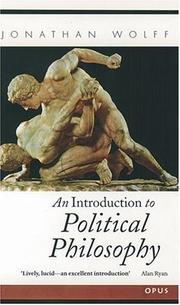



Recommended by: Tim Ferriss
Recommended by: Mohnish Pabrai



How Partition shaped the troubled histories of India, Pakistan and Bangladesh.
Recommended by: Mohnish Pabrai
Writings by the leader of India's independence movement on practising nonviolence.
Recommended by: Mohnish Pabrai
A manifesto for redesigning politics, government and the economy around human scale.
Recommended by: Reid Hoffman
Recommended by: Mohnish Pabrai
The politics, financing and delivery of Singapore's healthcare over five decades.
Recommended by: Sahil Lavingia
Recommended by: Richard Branson
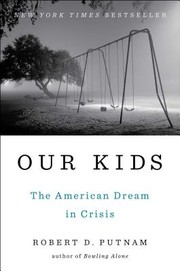
Why fewer American children now have a chance to move up as inequality widens.
Recommended by: Jeff Jordan
Poverty around the world in its hopelessness, brutality, pride and fear.
Recommended by: Emmett Shear

Recommended by: Marc Andreessen

Recommended by: Nick Szabo

Behind the scenes of the Murdoch family and its crumbling Fox News empire.
Recommended by: Andrew Wilkinson

Recommended by: Patrick O'Shaughnessy




Recommended by: Ezra Klein

What justice is, answered by building an ideal city in dialogue.
Recommended by: Patrick Collison, Mark Zuckerberg and 4 others


Recommended by: Patrick O'Shaughnessy

 George Soroswrote 10 books here
 Peter F. Druckerwrote 7 books here
 Michael Lewiswrote 5 books here
 Michael E. Porterwrote 4 books here
 James Grantwrote 3 books here
 Joseph E. Stiglitzwrote 3 books here
 Mahatma Gandhiwrote 3 books here
 Barry Eichengreenwrote 2 books here
Show all 36
 Milton Friedmanwrote 2 books here
 Vaclav Smilwrote 2 books here
 Bethany McLeanwrote 2 books here
 David M. Rubensteinwrote 2 books here
 Niall Fergusonwrote 2 books here
 Walter Isaacsonwrote 2 books here
 Anders Aslundwrote 2 books here
 Ezra Kleinwrote 2 books here
 Henry Kissingerwrote 2 books here
 Lee Kuan Yewwrote 2 books here
 Nelson Mandelawrote 2 books here
 Ngozi Okonjo-Iwealawrote 2 books here
 Daniel Yerginwrote 1 book here
 John C. Boglewrote 1 book here
 Peter Thielwrote 1 book here
 Robert J. Shillerwrote 1 book here
 Tyler Cowenwrote 1 book here
 Ryan Holidaywrote 1 book here
 Barack Obamawrote 1 book here
 Clarence Darrowwrote 1 book here
 Mohnish Pabrairecommends 86 books here
 Patrick Collisonrecommends 83 books here
 Marc Andreessenrecommends 48 books here
 Bill Gatesrecommends 40 books here
 Balaji S. Srinivasanrecommends 23 books hereRyan Holidayrecommends 8 books hereEzra Kleinrecommends 8 books here
 Richard Bransonrecommends 8 books here
 Audrey Gelmanrecommends 7 books here
Show all 116
 Donald Trumprecommends 7 books here
 Jamie Dimonrecommends 7 books here
 Mark Zuckerbergrecommends 7 books herePeter Thielrecommends 6 books here
 Vinod Khoslarecommends 6 books here
 Paul Grahamrecommends 5 books here
 Ray Daliorecommends 5 books here
 Reid Hoffmanrecommends 5 books here
 Antonio García Martínezrecommends 5 books here
 Eric Weinsteinrecommends 5 books here
 Naval Ravikantrecommends 5 books here
 Warren Buffettrecommends 4 books here
 Emmett Shearrecommends 4 books here
 Keith Raboisrecommends 4 books here
 Jim Collinsrecommends 3 books here
 Brad Feldrecommends 3 books here
 Alexis Ohanianrecommends 3 books here
 Alfred Linrecommends 3 books hereBarack Obamarecommends 3 books here
 Brian Armstrongrecommends 3 books here
 Elon Muskrecommends 3 books here
 Jeff Jordanrecommends 3 books here
 Larry Ellisonrecommends 3 books here
 Mark Cubanrecommends 3 books here
 Matt Mullenwegrecommends 3 books here
 Michael Bloombergrecommends 3 books here
 Satya Nadellarecommends 3 books here
 Stewart Brandrecommends 3 books here
 Susan J. Fowlerrecommends 3 books here
 Tim Cookrecommends 3 books here
 Tristan Harrisrecommends 3 books here
 Ben Horowitzrecommends 2 books here
 John Doerrrecommends 2 books here
 Kevin Kellyrecommends 2 books here
 Cynthia Johnsonrecommends 2 books here
 David Sacksrecommends 2 books here
 Ev Williamsrecommends 2 books here
 Jason Calacanisrecommends 2 books here
 Kara Swisherrecommends 2 books here
 Kathryn Minshewrecommends 2 books here
 Meg Whitmanrecommends 2 books here
 Michelle Obamarecommends 2 books here
 Sam Altmanrecommends 2 books here
 Tim Ferrissrecommends 2 books here
 Tucker Maxrecommends 2 books here
 Vitalik Buterinrecommends 2 books here
 Zoë Foster Blakerecommends 2 books here
 Daniel Kahnemanrecommends 1 book here
 Howard Marksrecommends 1 book here
 Seth Klarmanrecommends 1 book hereTyler Cowenrecommends 1 book here
 David Heinemeier Hanssonrecommends 1 book here
 Guy Kawasakirecommends 1 book here
 Simon Sinekrecommends 1 book here
 Alex Blumbergrecommends 1 book here
 Bill Gurleyrecommends 1 book here
 Bob Igerrecommends 1 book here
 Casey Neistatrecommends 1 book here
 Charles Kochrecommends 1 book here
 Evan Spiegelrecommends 1 book here
 Gary Vaynerchukrecommends 1 book here
 Julia Galefrecommends 1 book here
 Kevin Systromrecommends 1 book here
 Nir Eyalrecommends 1 book here
 Peter Attiarecommends 1 book here
 Reed Hastingsrecommends 1 book here
 Scott Belskyrecommends 1 book here
 Stewart Butterfieldrecommends 1 book here
 Trevor Ncuberecommends 1 book here
 Vlad Tenevrecommends 1 book here