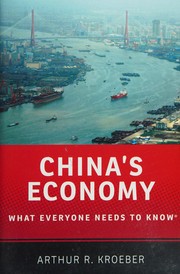
China's Economy: What Everyone Needs to Know
The best single-volume orientation for a newcomer to the market.
Summary
Kroeber, who founded the research firm Gavekal Dragonomics and spent decades analysing the Chinese economy from Beijing, wrote this as a structured introduction organised as questions and answers.
The analytical positions are what distinguish it from a survey. Kroeber argues that China's growth followed the East Asian development model of mobilising resources into investment and export manufacturing, and that this model has known limits: it produces high growth while there is surplus rural labour to absorb and while the capital stock is low, and it reaches diminishing returns as both conditions end. He argues that China reached that point around 2010 and that the subsequent debt growth reflects the effort to sustain investment-led growth past its natural life.
On state and market he rejects both the account that China is a market economy with communist branding and the account that it is a centrally directed system. He describes a structure where the state controls the commanding heights including finance, energy, telecommunications and land, while permitting genuine competition in most consumer and manufacturing sectors, and where local governments compete with each other for growth using land sales and investment vehicles.
On the financial system he explains that the banking system's function is to channel household savings into state-directed investment at suppressed deposit rates, which is a transfer from households to firms and to the state, and that this is what produces both the high investment and the low household consumption share.
He also covers demographics, urbanisation and the household registration system, energy and environment, the currency, and the international position.
The question and answer form limits the depth on any one topic. The book is from 2016 and predates the property sector's contraction, the regulatory intervention and the current growth slowdown, though its analysis anticipated the structural pressures behind all three.
Key takeaways 7
- China's growth followed the East Asian model of mobilising resources into investment and export manufacturing, which has known limits.
- The model produces high growth while surplus rural labour exists and the capital stock is low, and reaches diminishing returns as both end.
- Debt growth after 2010 reflects the effort to sustain investment-led growth past the point where it produced adequate returns.
- The state controls finance, energy, telecommunications and land while permitting genuine competition in consumer and manufacturing sectors.
- Local governments compete for growth using land sales and off-budget investment vehicles, which is where much of the debt sits.
- Suppressed deposit rates transfer income from households to firms and to the state, which explains both high investment and low consumption.
- The household registration system restricts migrants' access to services in the cities where they work, which suppresses their consumption.
Who should read it
Investors and operators who need a structured analytical introduction to how the Chinese economy actually works rather than a narrative or a polemic.
Similar books 6
Chosen by shared topics, the entries that hold them, and the people who recommended both.
Twenty-five years negotiating with Chinese officials, from Goldman to the Treasury.
Recommended by: Mohnish Pabrai, Anthony Pompliano and 1 other
Why some Asian nations grew rich: land reform, export-led industry, directed credit.
“it's a good read for anyone who wants to understand what actually determines whether a developing economy will succeed.” — Bill Gates
Source: Gates Notes review of How Asia Works
Recommended by: Bill Gates, Mohnish Pabrai, Patrick Collison
Data showing China's growth came from private firms, not the state sector.
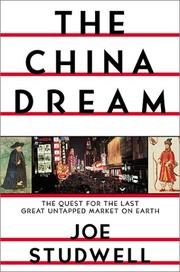
Why foreign investors' hopes of profit in 1990s China were mostly disappointed.
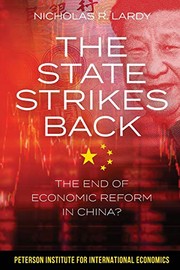
How China's state sector returned after 2012 and slowed growth.
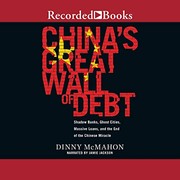
Local-government financing vehicles, shadow banking and the property build-out.
Where it sits in the reference 2
Topics