Asian economies
Country studies of China, Japan, India, Korea, Taiwan, Singapore, Hong Kong, Southeast Asia, Pakistan and Bangladesh, including East Asia's developmental states.
Start here
- MITI and the Japanese MiracleChalmers A. Johnson, 1982
- Governing the MarketRobert Wade, 1990
- Japan as Number OneEzra F. Vogel, 1979
- The East Asian MiracleWorld Bank, 1993
- The Economic Growth of SingaporeW. G. Huff, 1994
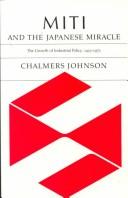
How Japan's trade ministry steered industry from 1925 to 1975.
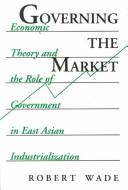
How Taiwan's state steered industry, making the case for directed East Asian growth.
What Japan's institutions had solved that America had not, and what to learn.
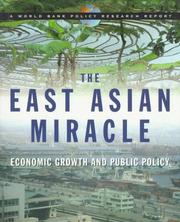
How East Asian governments' interventions helped produce rapid growth.
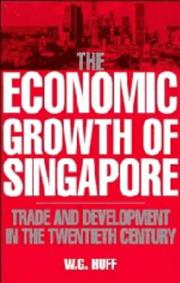
Singapore's economy from a British trading post in 1819 through the postwar years.
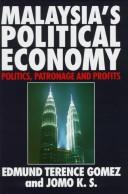
How Malaysian policy shared ownership and rents among ethnic and political groups.
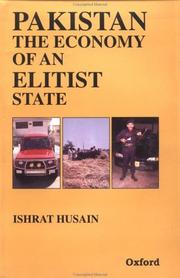
Why Pakistan grew for four decades while an elite captured the gains.
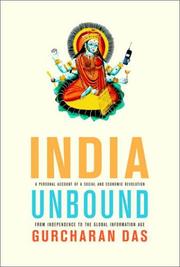
India's economy from independence to 2000, told alongside a P&G executive's career.
Why similar corruption in South Korea and the Philippines led to different results.
Why foreign investors' hopes of profit in 1990s China were mostly disappointed.

How Taiwan moved into higher-value industries after its first industrialisation.
Data showing China's growth came from private firms, not the state sector.
A question-and-answer guide to how China's economy works.
John Cowperthwaite, Hong Kong's Financial Secretary in the 1960s, and his policies.
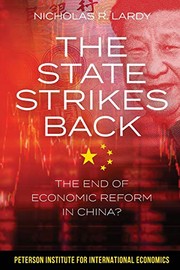
How China's state sector returned after 2012 and slowed growth.
The founding pessimist study; useful baseline for what was later beaten.
The pre-crisis baseline: how the boom economy was actually structured.
The state-chaebol bargain and how it shifted over forty years.
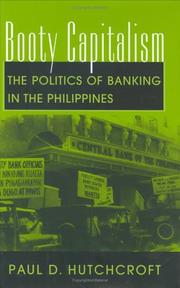
Why oligarch families captured the banks rather than the state capturing business.
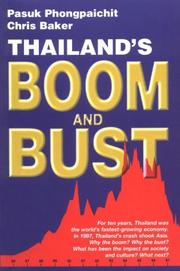
The definitive account of the bubble and the baht devaluation that started the Asian crisis.

Follow-up on the IMF programme, bank restructuring and who paid for it.
The standard economics volume: trade, banking, land and industrial policy.
The clearest short account of how the property oligopoly extracts rent.
An IMF economist on which policies were actually causal, and which transferable.
Industrial policy and FDI dependence assessed against the East Asian model.
The currency board explained by the economist who designed the peg.
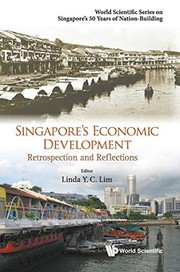
Retrospective essays on the limits of the model and what comes next.
The reform agenda India has still not executed.
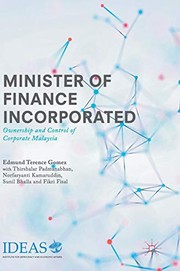
Who actually controls the GLCs that dominate the local market.
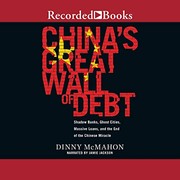
Local-government financing vehicles, shadow banking and the property build-out.
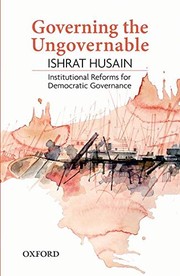
Insider on why Pakistani institutional reform keeps failing at implementation.
Insider memoir by the architect of much of the reform programme.
Recommended by: Patrick Collison
How Singapore's leaders chose policies, from courting multinationals onward.
Recommended by: Balaji S. Srinivasan, Mohnish Pabrai and 1 other
Recommended by: Mohnish Pabrai
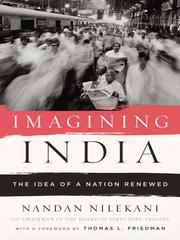
Recommended by: Mohnish Pabrai
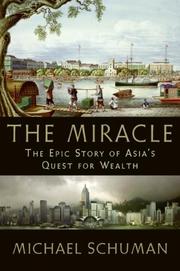
Asia's growth stories told through the people who drove them.
Recommended by: Mohnish Pabrai
The one readable overview of how the state, NGOs and business interlock.
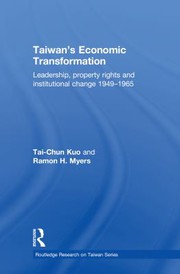
The policies that moved Taiwan's economy from agriculture to electronics.

Recommended by: Mohnish Pabrai, Patrick Collison
Recommended by: Mohnish Pabrai
Recommended by: Mohnish Pabrai
Recommended by: Mohnish Pabrai
Why some Asian nations grew rich: land reform, export-led industry, directed credit.
“it's a good read for anyone who wants to understand what actually determines whether a developing economy will succeed.” — Bill Gates
Source: Gates Notes review of How Asia Works
Recommended by: Bill Gates, Mohnish Pabrai, Patrick Collison
Lee Kuan Yew's views on China, the United States and world strategy, by topic.
Recommended by: Mohnish Pabrai, Shane Parrish
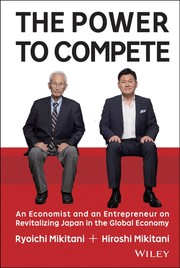
Rakuten's founder and his economist father debate how Japan can compete again.
Recommended by: Bill Gates, Mohnish Pabrai
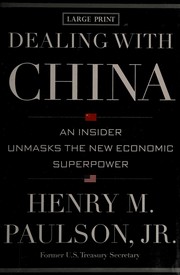
Twenty-five years negotiating with Chinese officials, from Goldman to the Treasury.
Recommended by: Mohnish Pabrai, Anthony Pompliano and 1 other
Payments and mobile commerce structure behind Alipay and Taobao.
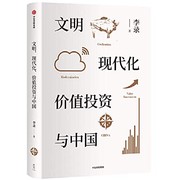
Published in Chinese only; no English edition exists.
Recommended by: Mohnish Pabrai
 Michael E. Porterwrote 1 book here
 Lee Kuan Yewwrote 1 book here
 Mohnish Pabrairecommends 15 books here
 Patrick Collisonrecommends 4 books here
 Bill Gatesrecommends 2 books here
 Balaji S. Srinivasanrecommends 1 book here
 Mark Zuckerbergrecommends 1 book here