Asia and the Pacific
Political economy and political history of China, Japan, Korea, Taiwan, Southeast Asia, India, Pakistan, Bangladesh, Australia and New Zealand.
Start here
- The Lucky CountryDonald Horne, 1964
- MITI and the Japanese MiracleChalmers A. Johnson, 1982
- Governing the MarketRobert Wade, 1990
- From Third World to FirstLee Kuan Yew, 2000
- Japan as Number OneEzra F. Vogel, 1979

An indictment of 1960s Australia as provincial, philistine and living on its luck.
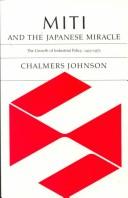
How Japan's trade ministry steered industry from 1925 to 1975.
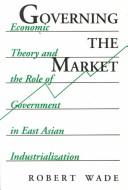
How Taiwan's state steered industry, making the case for directed East Asian growth.
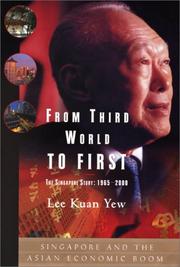
How Singapore's leaders chose policies, from courting multinationals onward.
Recommended by: Balaji S. Srinivasan, Mohnish Pabrai and 1 other
What Japan's institutions had solved that America had not, and what to learn.

How East Asian governments' interventions helped produce rapid growth.

How Vietnam moved from central planning to a market economy, from field research.
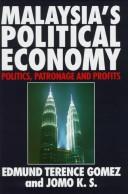
How Malaysian policy shared ownership and rents among ethnic and political groups.
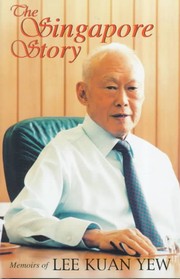
A founding leader's account of his life and Singapore's politics and history.
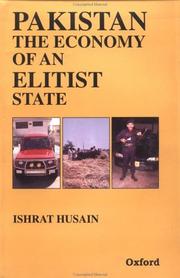
Why Pakistan grew for four decades while an elite captured the gains.
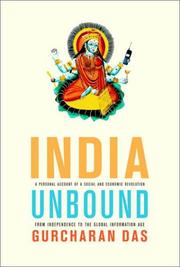
India's economy from independence to 2000, told alongside a P&G executive's career.
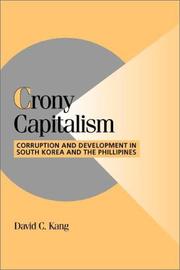
Why similar corruption in South Korea and the Philippines led to different results.
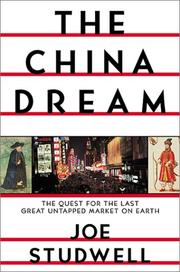
Why foreign investors' hopes of profit in 1990s China were mostly disappointed.

How Taiwan moved into higher-value industries after its first industrialisation.

The monarchy and the Crown Property Bureau as an economic institution.
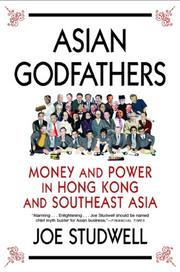
How Southeast Asia's tycoons got rich from political favours, not productivity.

An introduction to modern India's rise and its many contradictions.
Recommended by: Mohnish Pabrai
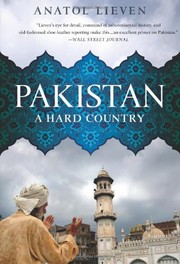
Kinship networks, patronage and why the state is weaker and more durable than it looks.

How China's state-run financial system really works behind its official figures.
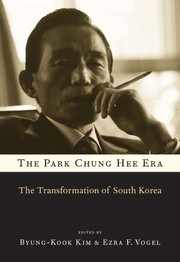
The authoritative volume on how the developmental state was built.

How deregulation from 1983 produced three decades without recession.
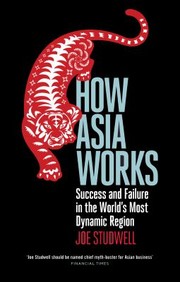
Why some Asian nations grew rich: land reform, export-led industry, directed credit.
“it's a good read for anyone who wants to understand what actually determines whether a developing economy will succeed.” — Bill Gates
Source: Gates Notes review of How Asia Works
Recommended by: Bill Gates, Mohnish Pabrai, Patrick Collison

Data showing China's growth came from private firms, not the state sector.

Why the security state crowded out the productive economy from the start.

Twenty-five years negotiating with Chinese officials, from Goldman to the Treasury.
Recommended by: Mohnish Pabrai, Anthony Pompliano and 1 other

A question-and-answer guide to how China's economy works.
John Cowperthwaite, Hong Kong's Financial Secretary in the 1960s, and his policies.

How Jho Low diverted billions from Malaysia's 1MDB fund into parties and politics.
Recommended by: Alexis Ohanian, Alfred Lin and 5 others

Crony capitalism, promoter leverage and the bad-loan crisis.

How China's state sector returned after 2012 and slowed growth.
Japanese firms after 1990 moved into hidden upstream niches rather than stagnate.

Insider account of doing deals through Party patronage, and losing everything.

How Apple built its manufacturing base in China, and what it gave China in return.
“This is a phenomenal read... A brilliantly researched book. This book was hard to put down.” — Christopher Bloomstran
Source: Semper Augustus 2025 Letter to Clients, 'Books and Music', p. 87
Recommended by: Christopher Bloomstran
Mahathir's case for Malay preferences that became the New Economic Policy.

The founding pessimist study; useful baseline for what was later beaten.

How Ferdinand and Imelda Marcos built crony monopolies and hid their wealth abroad.
The family dynasties that have run the Philippines' politics and conglomerates.

The case for sweeping reform from the finance minister who forced it through.

Field research on how money actually moves through Thai officialdom.
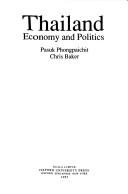
The pre-crisis baseline: how the boom economy was actually structured.
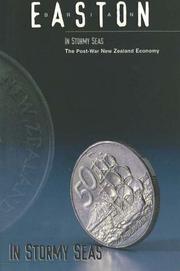
The post-war economy through the liberalisation, by its best chronicler.

The state-sector redesign other governments copied; contracts, outputs, accountability.
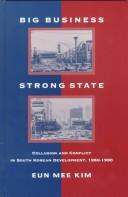
The state-chaebol bargain and how it shifted over forty years.
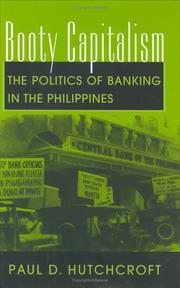
Why oligarch families captured the banks rather than the state capturing business.
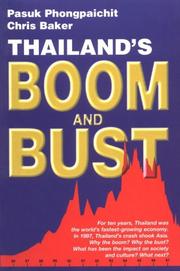
The definitive account of the bubble and the baht devaluation that started the Asian crisis.
Written straight after the 1997 crisis on opacity, related-party dealing and family control.

Follow-up on the IMF programme, bank restructuring and who paid for it.

Suharto's rise and the New Order patronage economy behind Indonesian business.

Malaysia's 1997-98 crisis and its unorthodox answer of capital controls.
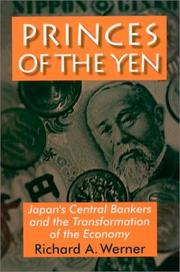
A contested but influential reading of the Bank of Japan's credit guidance.
Recommended by: Patrick Collison

How great powers and local people fought over Taiwan, through the party-state era.

Country-by-country anatomy of the crisis, reform and recovery.
The standard economics volume: trade, banking, land and industrial policy.

Essays on Vietnam's state, business and the limits of its reform coalition.
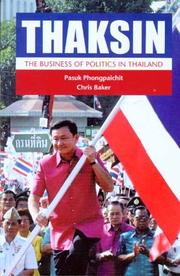
Telecoms billionaire turned prime minister; the clearest study of business-politics fusion in Thailand.

How the Philippine elite blocked reform through liberalisation and debt after Marcos.

Indonesia's 1997-98 collapse and the fall of Suharto, reported on the ground.

The clearest short account of how the property oligopoly extracts rent.
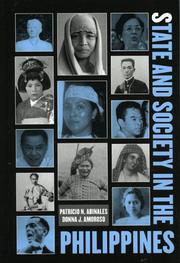
Why the Philippine state stays weak while strong families hold power.
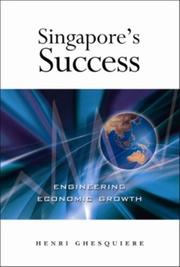
An IMF economist on which policies were actually causal, and which transferable.

Industrial policy and FDI dependence assessed against the East Asian model.
The Pakistan army's foundations, land and industrial holdings, mapped in full.
How Hong Kong's banks and bank crises shaped the miracle economy.
The history of Pakistan's army and its hand in how the country is governed.
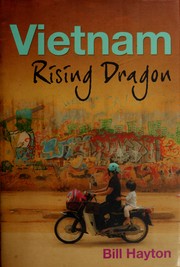
Vietnam's rapid change under Party control, state firms and the doi moi reforms.
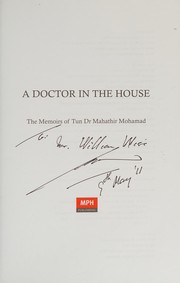
Memoir by the architect of the industrial policy and the capital controls.

Essays on Pakistan's energy, taxes, banking and the reforms they need.
How an authoritarian state uses law as an instrument of control.

How Vietnam's Communist Party talked itself into opening the economy and joining WTO.
Thailand's royal succession and the political violence and censorship around it.

Migration and openness as the source of Australia's long-run growth.

Retrospective essays on the limits of the model and what comes next.

The reform agenda India has still not executed.
Concentration of wealth, land and market power among a few families.

Southeast Asia's politics and conflicts, seen by a mediator at the negotiating table.

Who actually controls the GLCs that dominate the local market.

Insider on why Pakistani institutional reform keeps failing at implementation.
How a journalist uncovered the 1MDB fraud, told first-hand.
Insider memoir by the architect of much of the reform programme.

Hong Kong's 2019 protests, from the extradition bill to months of street battles.
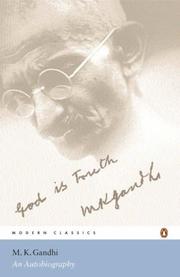
Recommended by: Mohnish Pabrai, Tim Cook
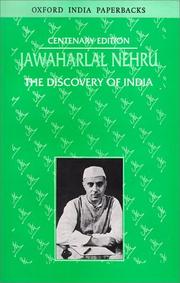

Memoir of the Cultural Revolution and Tiananmen; his only English-language book.
Recommended by: Mohnish Pabrai

The cultural rift between America and Japan, through people working across it.

Hard-to-find catalogue of Marcos-era crony deals; the source everyone else cites.


New Zealand's 1984-95 reforms: deregulation, privatisation and inflation targeting.
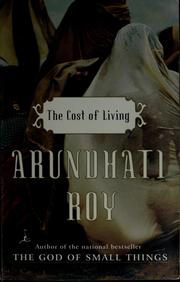
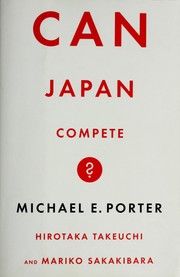


Legal and institutional reform; the contract and property environment for investors.

Chinese people who push for justice and freedom under an authoritarian state.
Recommended by: Patrick Collison

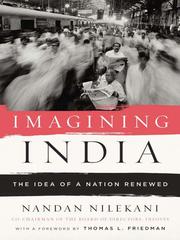
Recommended by: Mohnish Pabrai

The one readable overview of how the state, NGOs and business interlock.

Recommended by: Balaji S. Srinivasan, Bill Gates
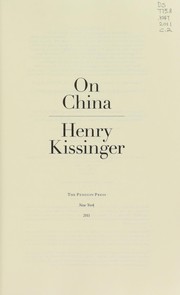
China's history and its ties with the West, drawn from talks with Chinese leaders.
Recommended by: Mohnish Pabrai

The policies that moved Taiwan's economy from agriculture to electronics.

Recommended by: Mohnish Pabrai

A Chinese dissident's essays and poems on tyranny, land disputes, Tibet and freedom.
Recommended by: Mohnish Pabrai
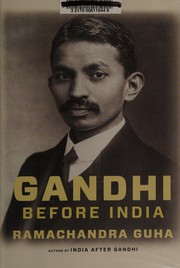


Recommended by: Patrick Collison


Recommended by: Balaji S. Srinivasan
Recommended by: Tim Ferriss
How Partition shaped the troubled histories of India, Pakistan and Bangladesh.
Recommended by: Mohnish Pabrai
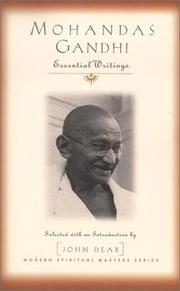
Writings by the leader of India's independence movement on practising nonviolence.
Recommended by: Mohnish Pabrai
The politics, financing and delivery of Singapore's healthcare over five decades.
Recommended by: Sahil Lavingia


 Mahatma Gandhiwrote 3 books here
 Lee Kuan Yewwrote 2 books here
 Michael E. Porterwrote 1 book here
 Michael Lewiswrote 1 book here
 Henry Kissingerwrote 1 book here
 Mohnish Pabrairecommends 16 books here
 Patrick Collisonrecommends 7 books here
 Balaji S. Srinivasanrecommends 4 books here
 Bill Gatesrecommends 4 books here
 Tim Cookrecommends 2 books here
 Kevin Kellyrecommends 1 book here
 Alexis Ohanianrecommends 1 book here
 Alfred Linrecommends 1 book here


