Europe, Britain and Russia
Politics and political economy of Britain, the euro area, the Nordic countries, Russia, Ukraine, Central Asia and the post-communist states.
Start here
- The Socialist System: The Political Economy of CommunismJános Kornai, 1992
- Economics of ShortageJános Kornai, 1979
- Poland's Jump to the Market EconomyJeffrey Sachs, 1993
- Socialism, Capitalism, TransformationLeszek Balcerowicz, 1995
- The Rotten Heart of EuropeBernard Connolly, 1995
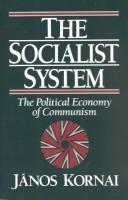
How socialist economies really worked: soft budgets, shortage and party power.
A theory of socialist economies, where chronic shortage is the normal state.
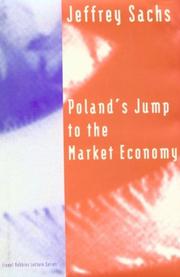
The case for Poland's 1990 shock therapy, from an adviser to the programme.
Essays on moving from socialism to markets by Poland's reforming finance minister.
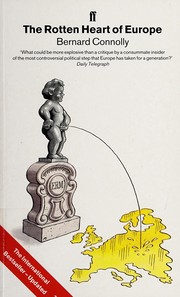
An insider's attack on Europe's exchange rate mechanism and monetary union.
Written from Romanian fieldwork; how the planned economy behaved in practice.
What went wrong with Sweden's welfare-state model, leading to the 1990s crisis.
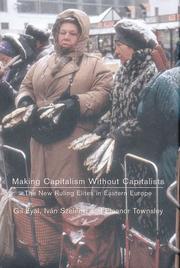
Who took charge of Central Europe's economies after 1989, without a capitalist class.
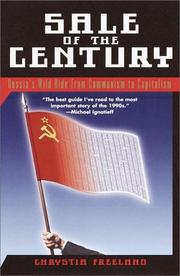
Russia's 1990s privatisation and the rise of the oligarchs, from Moscow.
Insider: the finance minister and IDA head on how the FDI model was built.
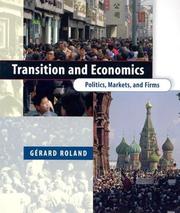
Formal political economy applied to the move from communism to markets.

The Finnish model: how a welfare state produced a technology cluster.
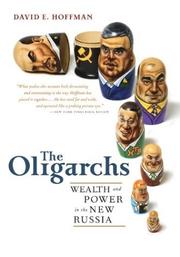
Six men and the mechanics of how post-Soviet wealth was assembled.

An economist's path from young communist in Hungary to analyst of socialism.
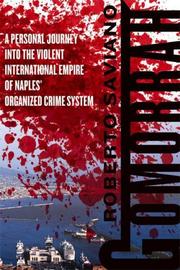
An investigation of a place living under the rule of a murderous crime organisation.
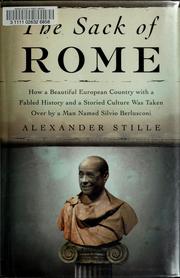
Berlusconi, media ownership and the capture of regulation.
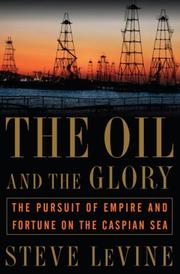
The fight for Caspian Sea oil from the 19th century to the present.
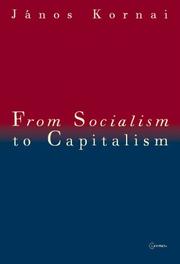
Eight essays on the post-1989 move from socialism to capitalism.
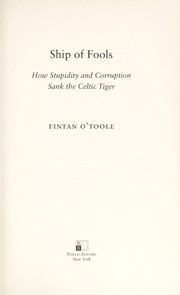
Ireland's crash was the product of its political culture, not global finance.
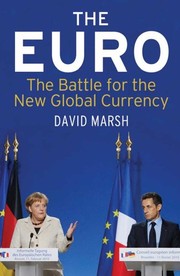
The politics of the euro from postwar plans to its first decade.
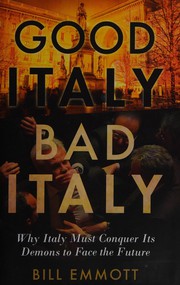
Why Italy's economy underperformed, and the firms and places showing it can change.
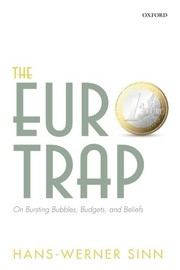
Southern Europe lost competitiveness under the euro; a German critic's remedies.
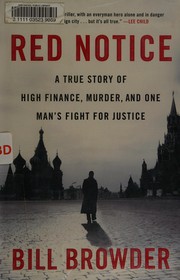
An investor in Russia is expelled, his firms seized, and his lawyer Magnitsky dies.
“my favorite read of the year, Bill Browder's terrific Red Notice... I highly recommend the read” — Christopher Bloomstran
Source: Semper Augustus 2022 Letter to Clients, 'Books and Stuff', p. 73
Recommended by: Christopher Bloomstran, Mohnish Pabrai and 6 others
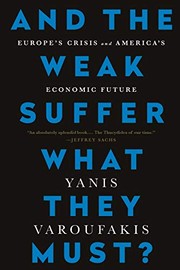
The euro's design flaws traced back through the postwar monetary system.
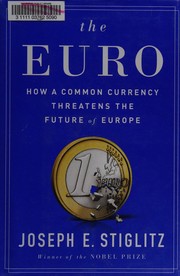
The euro rests on false assumptions; Europe must complete the union or end it.
The euro crisis as a clash between German and French economic traditions.
Greece's 2015 debt talks with its creditors, by its finance minister at the time.
How the Greek economy actually works: its product markets, courts and firms.
How Central Asia's rulers use offshore firms, foreign banks and Western property.
The euro from its intellectual origins to 2018, in nine acts.
How Poland achieved Europe's fastest sustained growth after 1989.
The KGB network's recapture of the commanding heights.
What happened to Eastern Europe in the thirty years after 1989, measured.
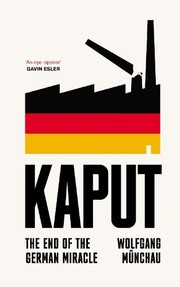
Why Germany's economic model has ended, and why the causes are structural.
The book that made the Swedish model an international reference point.
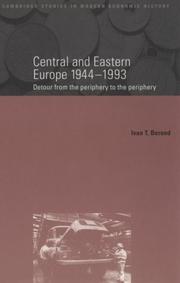
Economic history that explains the industrial base the Czechs privatised.
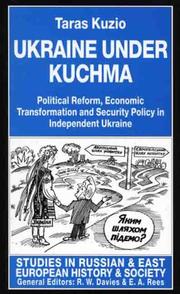
The Kuchma years in which Ukraine's oligarchic structure formed.
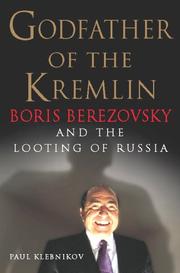
Boris Berezovsky and the businessmen who looted Russia after the Soviet collapse.
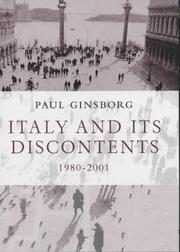
Italy from 1980 to 2001: family capitalism, patronage and the state.
The standard account of Nazarbayev-era state building and asset allocation.
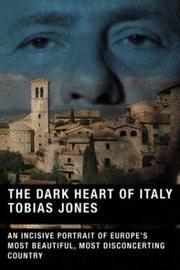
A writer who moved to Italy in 1999 on its courts, bureaucracy and darker side.
Welfare, insider protection and why French reform keeps stalling.
How Poland's Solidarity union won the transition and lost the workers after it.
How Norway designed its oil licensing system, told by the geologist behind it.

A UK ambassador's account of Uzbekistan's cotton trade and its abuses.
Ukraine's 2004 Orange Revolution, the oligarchs and why they kept their assets.
Comparative transition account; Czech vouchers judged against other sequencing choices.
Economists' report on how small open economies combine flexibility with heavy taxation.

What the Nordic model is, where it came from and where the countries differ.
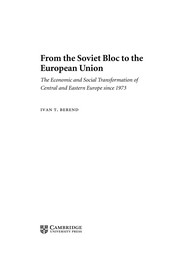
Covers EU accession as the main driver of Romanian institutional change.
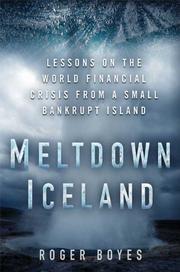
Contemporaneous reporting on the collapse and the Icesave dispute.
Foreign investment, labour and the costs of the transition, told critically.
Salazar and the corporatist Estado Novo economy he ran in Portugal.
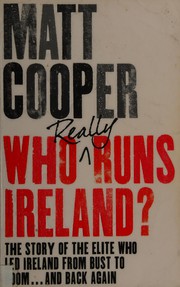
The developer-banker-politician network that inflated the property bubble.

Structural reading of why the growth model was fragile from the start.
Why ownership structure, not oil itself, set post-Soviet states' fortunes.
NBER volume on the post-crisis reforms that restored Swedish growth.
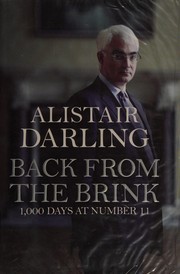
A UK chancellor's memoir of the bank crisis, the guarantee and nationalisations.
The critique of the transition's distributional cost.
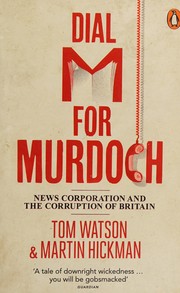
Phone hacking, by the MP who pursued it in Parliament.

How Central Asian states play the outside powers off against each other.
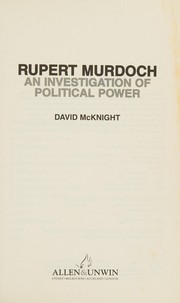
Rupert Murdoch's political power, arguing his politics drove his business.
The 2010-12 euro-zone rescues and the national politics behind each one.
The cajas, the construction boom and the political economy of the bailout.
Kyrgyzstan's revolutions, asset seizures and the Bakiyev family's businesses.
By an investigator on the Special Investigation Commission; connected lending and cross-ownership.
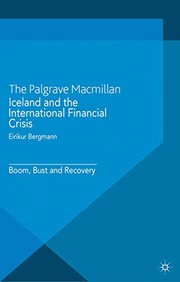
Political economy of the boom, the Icesave dispute and the aftermath.
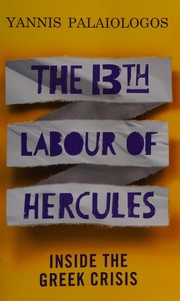
Reporting on how Greek institutions failed, sector by sector.
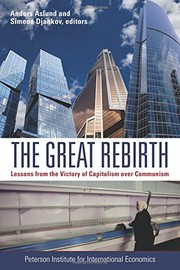
Includes the Czech voucher scheme written up by people who designed and criticised it.
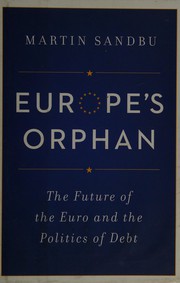
Argues the currency was not the problem, the crisis management was; the best contrarian case.
How modern Greece's state developed, up to the debt crisis that began in 2010.
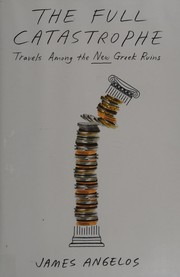
Greece's crisis seen in its villages and streets: tax evasion and informal work.
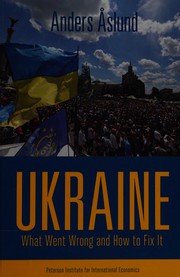
The oligarch model, gas trading rents and the post-Maidan reform agenda.
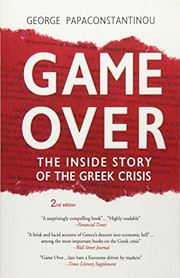
The Greek debt crisis and first bailout, told by the finance minister who signed it.
A framework for how ownership is reassigned politically; the most useful guide to Hungarian counterparty risk.
How Viktor Orbán won and holds power in Hungary through nationalism and patronage.

The insecure jobs and falling mobility behind Germany's export success.
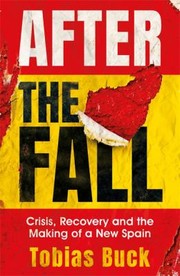
Spain's financial crisis, its bank rescue and the shape of the country's recovery.
Reporting on the succession, Zhanaozen and how the state and business interlock.
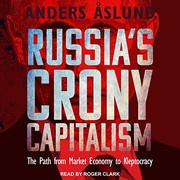
How the rent-extraction system is organised under Putin.
A framework for post-communist regimes, built on the Hungarian case.
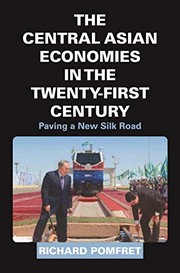
The standard economic survey: resource rents, transit corridors, reform records.
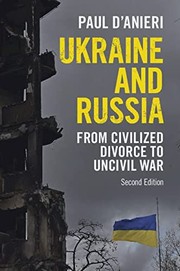
Gas transit, trade dependence and the economics under the Ukraine-Russia conflict.
Recommended by: Sam Parr
Recommended by: Patrick Collison
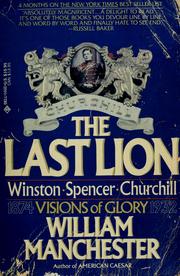
Recommended by: Mohnish Pabrai, David Sacks, Larry Ellison
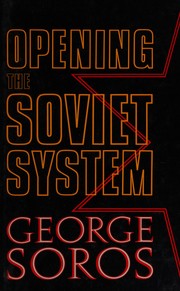
A financier's account of his growing involvement in opening up the Soviet system.
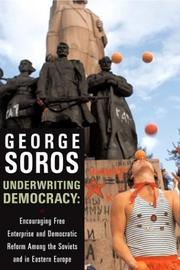
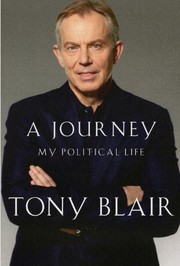
Recommended by: Patrick Collison
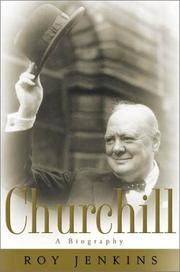

How Britain's Glorious Revolution of 1688-89 shaped the ideals of America's founders.
Recommended by: Mohnish Pabrai
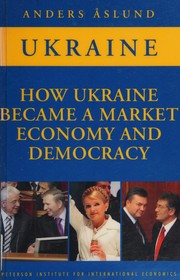
The 1991-2008 transition; explains where the industrial assets came from.
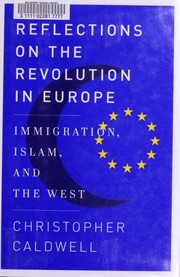
How mass immigration and Islam changed Europe without forming a melting pot.
Recommended by: Patrick Collison
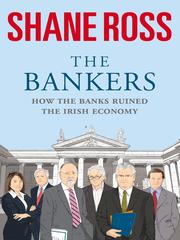
The bankers, boards and regulators behind Ireland's banking collapse.
Written by a hedge fund manager; strongest on the bond market's role in the build-up.
Firm-level study of how Nordic companies reorganised for global production.
Recommended by: Mohnish Pabrai
The sceptical case: prosperity preceded the welfare state, not the reverse.
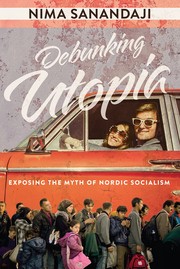
Longer version of the same argument, aimed at American admirers of the model.
Academic collection on blame, protest and institutional reconstruction after 2008.
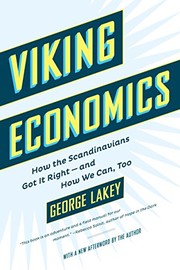
Popular and partisan, but the clearest short account of the Nordic bargain.
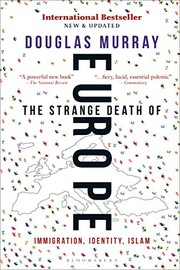
Recommended by: Antonio García Martínez, Marc Andreessen
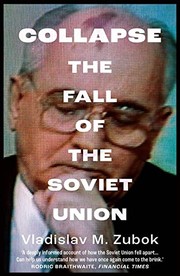
Recommended by: Balaji S. Srinivasan
W. W. Norton, August 2025; confirmed by his 2026 WSJ author bio line
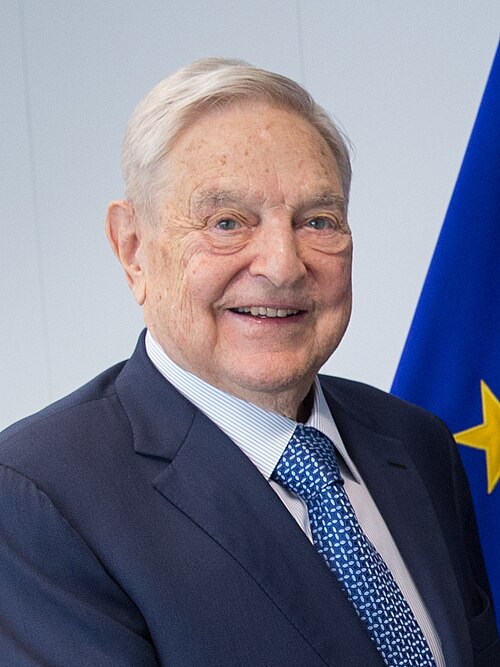 George Soroswrote 3 books here
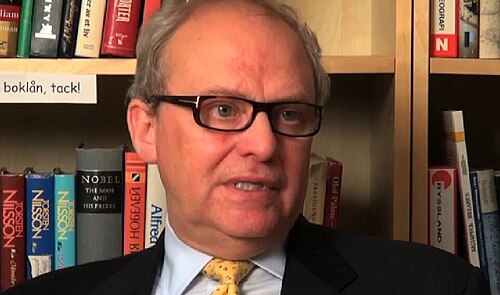 Anders Aslundwrote 2 books here
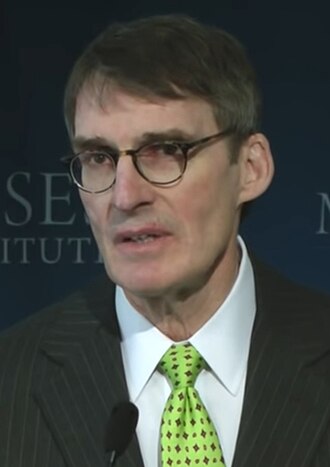 James Grantwrote 1 book here
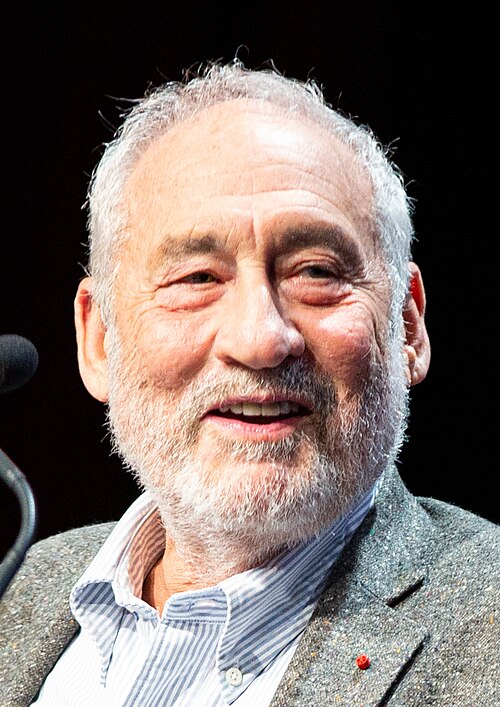 Joseph E. Stiglitzwrote 1 book here
 Marc Andreessenrecommends 7 books here
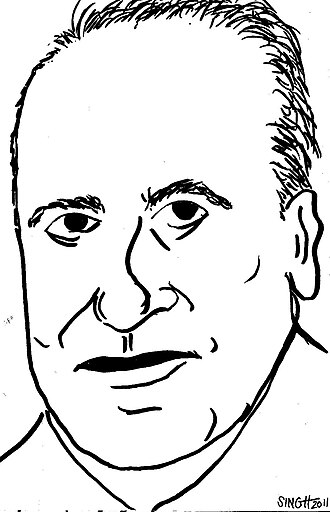 Mohnish Pabrairecommends 5 books here
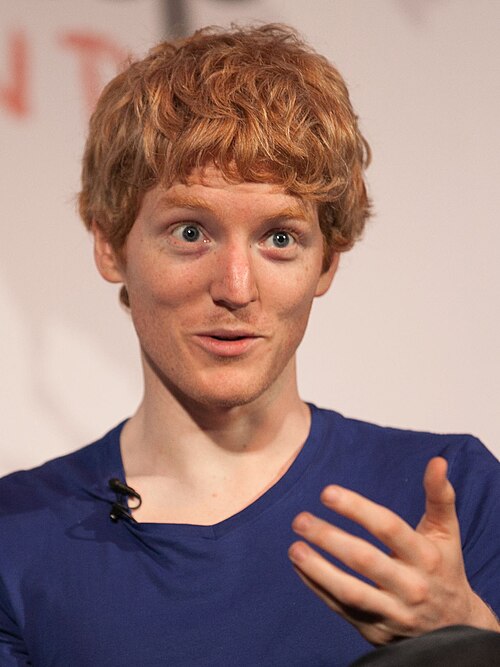 Patrick Collisonrecommends 5 books here
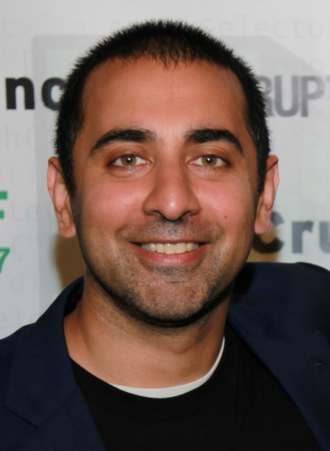 Balaji S. Srinivasanrecommends 2 books here
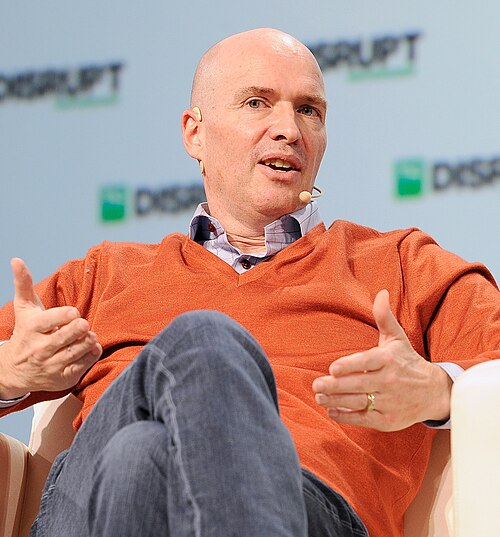 Ben Horowitzrecommends 1 book here
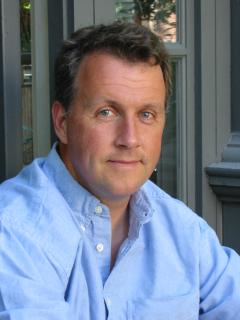 Paul Grahamrecommends 1 book here
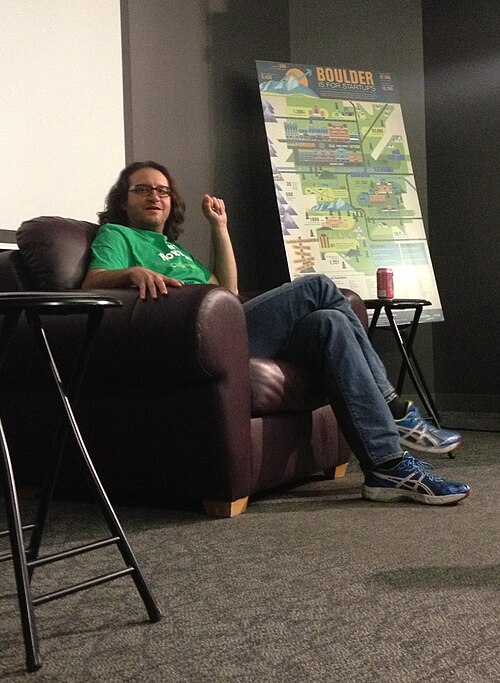 Brad Feldrecommends 1 book here
 Antonio García Martínezrecommends 1 book here
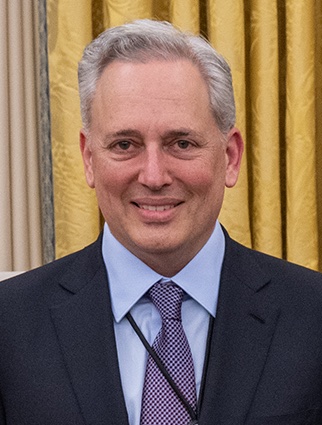 David Sacksrecommends 1 book here
 Jason Calacanisrecommends 1 book here