Modern Europe and Russia
Holds the political, social and economic history of Britain, continental Europe, Russia and the former Soviet bloc from the 1600s to the present.
Start here
- The Economic Consequences of the PeaceJohn Maynard Keynes, 1919
- The First Modern EconomyJan de Vries, Ad van der Woude, 1997
- Swimming AcrossAndrew S. Grove, 2001
- Self-Help by the PeopleGeorge Jacob Holyoake, 1858
- God's Playground: A History of PolandNorman Davies, 1981

Why Germany could not pay the 1919 reparations, and what they would do to Europe.
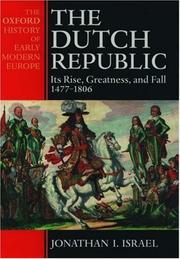
Why the Dutch Republic of 1500 to 1815 was the first modern economy.

A Jewish boy survives the war and Soviet rule in Hungary and escapes to America.
Recommended by: Ben Horowitz, Keith Rabois, Patrick Collison

The Rochdale Pioneers by a contemporary; the founding cooperative account.
A long history of Poland that explains where its institutions began.
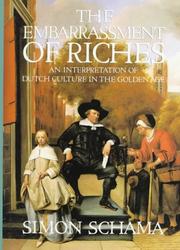
The culture of a society that got rich first and was uneasy about it.
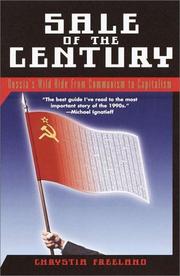
Russia's 1990s privatisation and the rise of the oligarchs, from Moscow.

Insider: the finance minister and IDA head on how the FDI model was built.
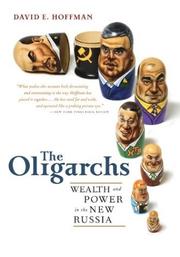
Six men and the mechanics of how post-Soviet wealth was assembled.
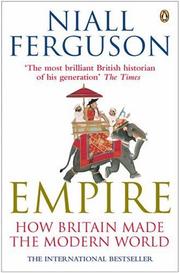
How the British Empire shaped the modern world, from globalisation to democracy.
Recommended by: Mohnish Pabrai
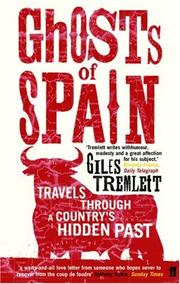
How Spain is breaking its silence over the Civil War and Franco's rule.

Ireland's crash was the product of its political culture, not global finance.

Why a small country without resources produces so many world-leading companies.
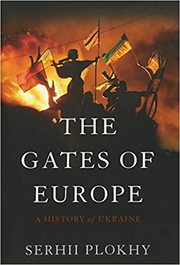
The history that explains the regional industrial geography and its ownership.

Portugal's economy over nine centuries, from imperial trade to EU convergence.
How Poland achieved Europe's fastest sustained growth after 1989.
Revises the declinist story of British industry and its ownership.

The KGB network's recapture of the commanding heights.

The book that made the Swedish model an international reference point.

Pre-industrial English society before wage labour and cities
“Laslett, The World We Have Lost” — Paul Graham
Source: Rarely-Asked Questions — paulgraham.com
Recommended by: Paul Graham
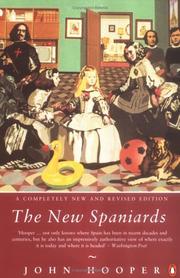
Spain's institutions and business culture after Franco.

Economic history that explains the industrial base the Czechs privatised.
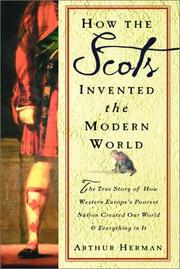
Scottish Enlightenment as the source of modern commercial and economic thinking
Recommended by: Charlie Munger, Mohnish Pabrai

Italy from 1980 to 2001: family capitalism, patronage and the state.
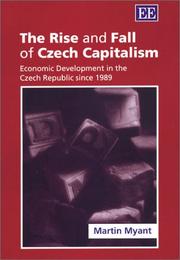
The book on voucher privatisation, bank ownership and the tunnelling that followed.

How returning land in Transylvania after communism created property rights.
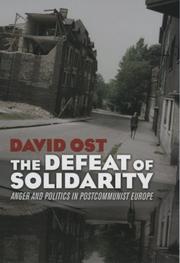
How Poland's Solidarity union won the transition and lost the workers after it.

A structural account of the social market model and its rigidities.

Ukraine's 2004 Orange Revolution, the oligarchs and why they kept their assets.

Comparative transition account; Czech vouchers judged against other sequencing choices.

What the Nordic model is, where it came from and where the countries differ.

Covers EU accession as the main driver of Romanian institutional change.
The critique of the transition's distributional cost.

Declassified files on her Abwehr connection; contested by the house.

The 2010-12 euro-zone rescues and the national politics behind each one.

Includes the Czech voucher scheme written up by people who designed and criticised it.

How modern Greece's state developed, up to the debt crisis that began in 2010.

The long-run reconstruction of Spanish output and productivity.

Spain's financial crisis, its bank rescue and the shape of the country's recovery.

Gas transit, trade dependence and the economics under the Ukraine-Russia conflict.


Recommended by: Patrick Collison



“Girouard, Life in the English Country House” — Paul Graham
Source: Rarely-Asked Questions — paulgraham.com
Recommended by: Paul Graham

Recommended by: Mohnish Pabrai, David Sacks, Larry Ellison

Recommended by: Patrick Collison
Cross-holdings, the state and who actually controls French companies.

How Marie Antoinette used fashion as a political weapon, and how it led to her fall.
Recommended by: Sheryl Sandberg
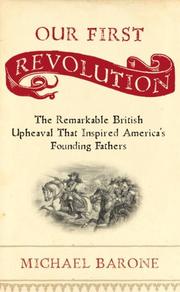
How Britain's Glorious Revolution of 1688-89 shaped the ideals of America's founders.
Recommended by: Mohnish Pabrai
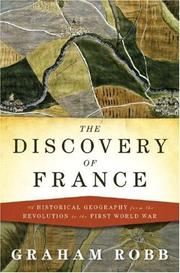
France's maps, migrations, languages and tribal disputes, from 1789 to 1914.
Recommended by: Mohnish Pabrai, Tyler Cowen

The 1991-2008 transition; explains where the industrial assets came from.
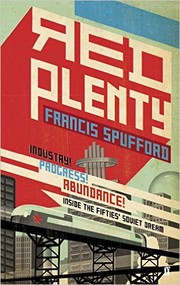
The late 1950s, when the Soviet planned economy seemed briefly to deliver abundance.
Recommended by: Patrick Collison
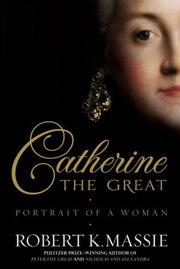
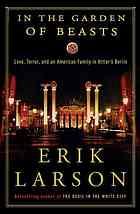

General portrait, not a business book, but the only readable account of the country's institutions.
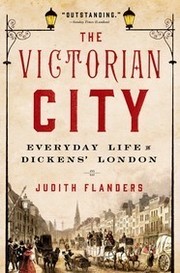
Recommended by: Mohnish Pabrai

Recommended by: Patrick Collison

Recommended by: Mohnish Pabrai

Recommended by: Patrick Collison
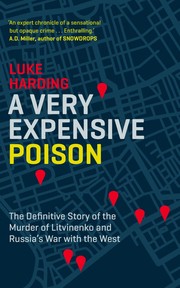


Recommended by: Balaji S. Srinivasan

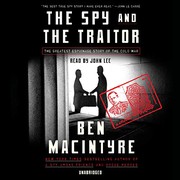
Recommended by: Bill Gates, Casey Neistat, Daniel Petre

Churchill's first year as prime minister, from Dunkirk through the Blitz.
“…books I've recommended, highlighted to death, or forced on friends.” — Andrew Wilkinson
Source: Andrew Wilkinson's Bookshelf, neverenough.com
Recommended by: Andrew Wilkinson, Bill Gates and 4 others

Recommended by: Balaji S. Srinivasan
W. W. Norton, August 2025; confirmed by his 2026 WSJ author bio line
How Napoleon's rise, wars and fall carried Europe from Enlightenment to democracy.
Recommended by: Elon Musk, Larry Ellison
Recommended by: Nick Szabo

 Andrew S. Grovewrote 1 book here
 James Grantwrote 1 book here
 Peter F. Druckerwrote 1 book here
 Niall Fergusonwrote 1 book here
 Anders Aslundwrote 1 book here
 Marc Andreessenrecommends 8 books here
 Mohnish Pabrairecommends 8 books here
 Patrick Collisonrecommends 8 books here
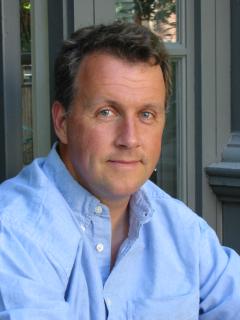 Paul Grahamrecommends 5 books here
 Balaji S. Srinivasanrecommends 3 books here
 Keith Raboisrecommends 3 books here
 Larry Ellisonrecommends 3 books here
 Ben Horowitzrecommends 2 books here
 Brad Feldrecommends 2 books here
 Bill Gatesrecommends 2 books here
 Elon Muskrecommends 2 books here
Show all 25
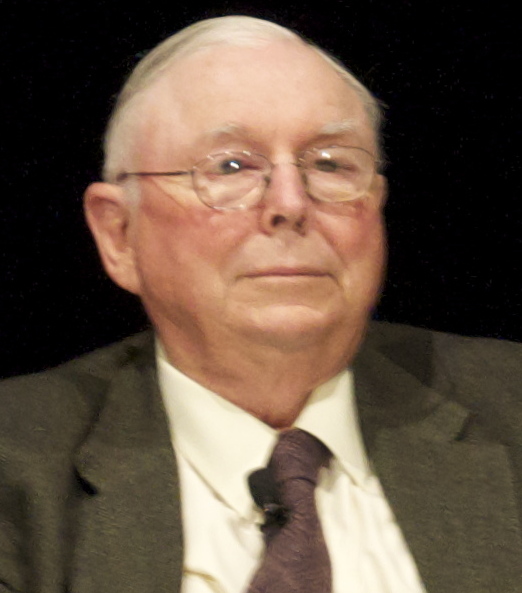 Charlie Mungerrecommends 1 book here
 Tyler Cowenrecommends 1 book here
 Casey Neistatrecommends 1 book here
 Caterina Fakerecommends 1 book here
 David Sacksrecommends 1 book here
 Sheryl Sandbergrecommends 1 book here
 Susan J. Fowlerrecommends 1 book here