Science, Technology and Medicine
Holds histories of scientific discovery, mathematics, invention, computing, aviation, space flight, epidemics and medicine.
Start here
- The Path Between the SeasDavid McCullough, 1977
- Networks of PowerThomas P. Hughes, 1983
- The Making of the Atomic BombRichard Rhodes, 1986
- Dealers of LightningMichael A. Hiltzik, 1999
- Creating the Twentieth CenturyVaclav Smil, 2004
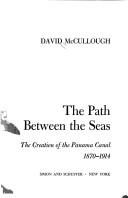
The building of the Panama Canal, from France's failed attempt to US completion.
Recommended by: Mohnish Pabrai, Bill Gates
Electrification in the US, Britain and Germany, 1880 to 1930, as a technical system.
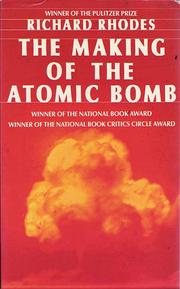
How the bomb was built, from the discovery of atomic energy to Hiroshima.
Recommended by: Chris Dixon, Elon Musk, Patrick Collison
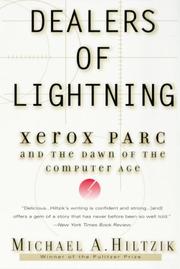
How Xerox PARC built the first personal computer and laser printer, and lost them.
Recommended by: Austen Allred, Patrick Collison, Sam Altman
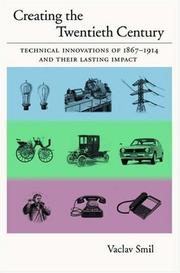
How inventions of 1867 to 1914, from electricity to cars, made the modern world.
Recommended by: Mohnish Pabrai, Bill Gates
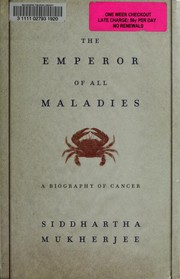
A biography of cancer, by a physician and oncologist.
Recommended by: Andrew Chen, Bill Gates, Laura R Walker and 1 other
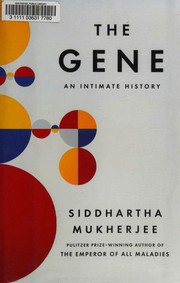
The gene from Mendel and Darwin to genome editing, beside a family's mental illness.
Recommended by: Bill Gates, Daniel Petre, James Cameron and 1 other
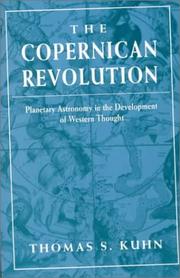
How the Copernican revolution unfolded, as a turning point in scientific thought.
“Kuhn, The Copernican Revolution” — Paul Graham
Source: Rarely-Asked Questions — paulgraham.com
Recommended by: Patrick Collison, Paul Graham
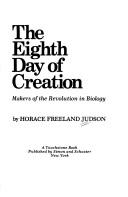
The history of molecular biology from the 1930s to the 1970s, told by its makers.
Recommended by: Naval Ravikant
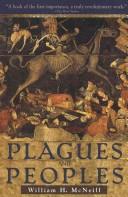
How plague, cholera, malaria and smallpox shaped history.
Recommended by: Patrick Collison, Paul Graham
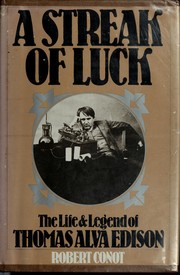
Edison's life drawn from his papers, unsparing about his finances.
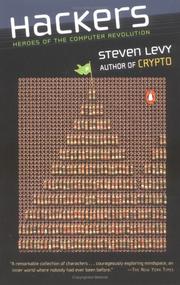
Three generations of hackers, from MIT's AI Lab to the Homebrew club and game makers.
Recommended by: Austen Allred, Ev Williams, Marc Andreessen and 3 others
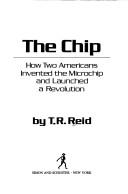
How Kilby and Noyce each invented the integrated circuit in 1958 and 1959.
Recommended by: Patrick Collison
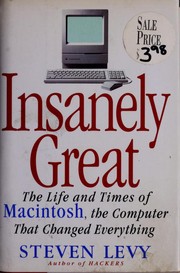
How the Macintosh was made and launched in 1984.
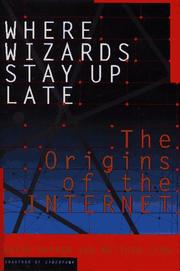
How Licklider and Pentagon-funded engineers built the network behind the internet.
Recommended by: Patrick Collison, Chris Dixon
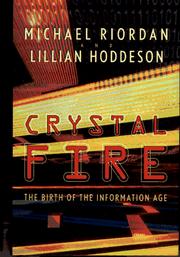
How the Bell Labs team of Shockley, Bardeen and Brattain invented the transistor.
Recommended by: Patrick Collison
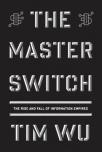
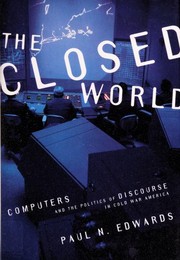
Every US information industry moved from an open era to control by one firm.
Recommended by: Patrick Collison, Andrew Chen
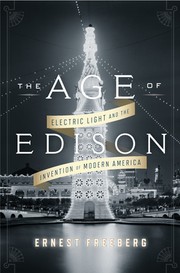
How Edison's electric light changed American life and marked a new age.
Recommended by: Alfred Lin, Patrick Collison
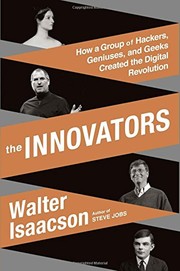
Computing as a run of collaborations, from Ada Lovelace and Babbage to Google.
Recommended by: Mohnish Pabrai, Bill Gates, Chris Fussell and 2 others
How the mp3, a CD-factory leaker and pirate websites broke the music business.
From a Dayton bicycle shop to the first powered flights and the 1908 demonstrations.
Recommended by: Ali Abdaal, Mohnish Pabrai, Morgan Housel and 3 others
The 1986 Chernobyl disaster, and the secrecy and myth that hid what happened.
Recommended by: Casey Neistat
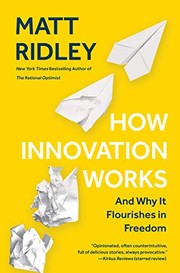
Innovation is gradual, collective and bottom-up, not the work of lone inventors.
“It's a must-read for entrepreneurs and government officials who want to either be innovative themselves or foster innovation.” — Naval Ravikant
Source: Nav.al — 'Matt Ridley: How Innovation Works, Part 2'
Recommended by: Naval Ravikant, Balaji S. Srinivasan
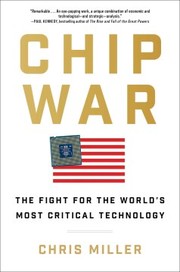
How chips became the key to economic and military power, made in a few chokepoints.
Recommended by: Andrew Wilkinson
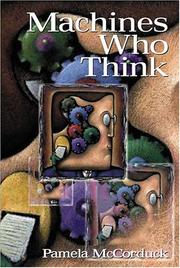
The founding of AI research, from interviews with McCarthy, Minsky and others.
How Rockefeller philanthropy reshaped American medicine.
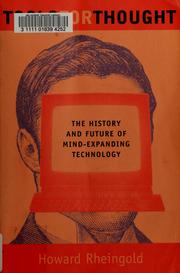
The idea of personal computing and the people who pursued it, up to PARC.
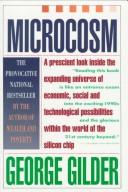
Portraits of the scientists, engineers and founders behind new technology.
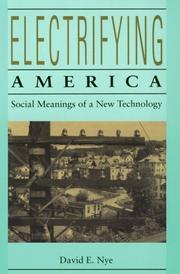
How electricity spread through everyday American life and commerce.
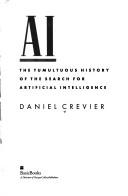
AI research from Dartmouth in 1956 to the funding cuts, told by the field's leaders.
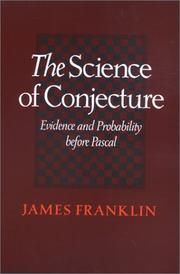
How evidence and probability were reasoned about before formal statistics
Recommended by: Nassim Nicholas Taleb
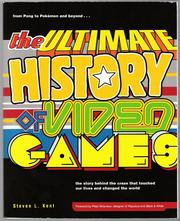
Video games from their pre-electronic origins to the industry of 2001.
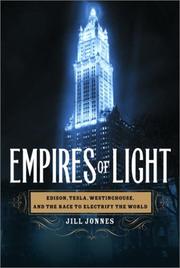
The current war: Edison against Westinghouse and Tesla.
Recommended by: Chris Dixon
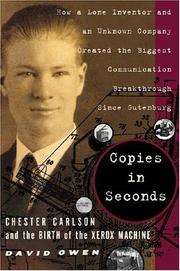
Chester Carlson and xerography, the invention that funded PARC.
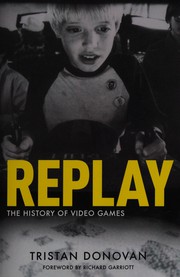
Video games from Atari and cartridge consoles to Nintendo and the global industry.
Edison's laboratory as a business, with pictures from his archive.
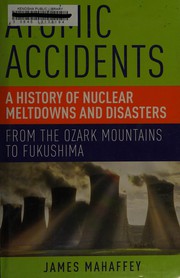
Nuclear accidents, what went wrong in each, and what each taught about the atom.
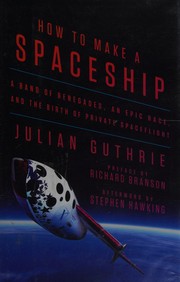
The Ansari X Prize and the start of commercial human spaceflight.
Oral history; Thiel and the PayPal cohort speak in their own words.
Recommended by: Patrick Collison
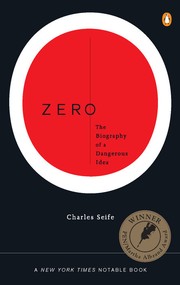
How the concept of number evolved from prehistoric times to the twentieth century.
Recommended by: Bryan Johnson
Recommended by: Nick Szabo
Recommended by: Patrick Collison
Recommended by: Patrick Collison, Marc Andreessen
Recommended by: Patrick Collison
Recommended by: Patrick O'Shaughnessy, Richard Branson and 2 others
Recommended by: Patrick Collison

Recommended by: Patrick Collison
Recommended by: Nick Szabo
Recommended by: Patrick Collison
Recommended by: Patrick Collison
Recommended by: Patrick Collison
Recommended by: Mohnish Pabrai, Chamath Palihapitiya
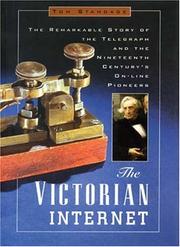
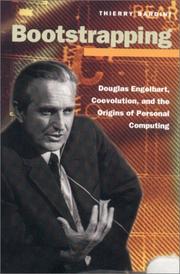
Recommended by: Patrick Collison
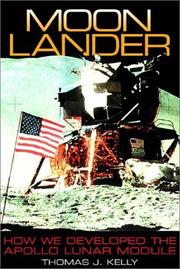
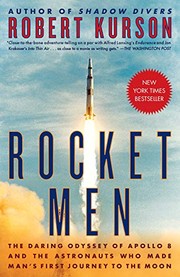
The chief engineer on designing, building, testing and flying the lunar module.
Recommended by: Patrick Collison
Recommended by: Paul Graham
Recommended by: Antonio García Martínez
Boulton, Watt, Wedgwood, Erasmus Darwin and the Midlands friends who experimented.
Recommended by: Mohnish Pabrai, Patrick Collison
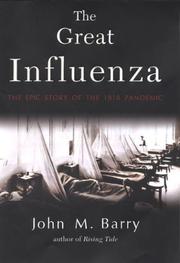
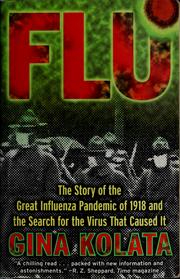
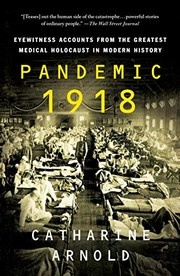
The 1918 flu: how it spread from a Kansas army camp and killed up to 100 million.
Recommended by: Bill Gates, Balaji S. Srinivasan
Recommended by: Patrick Collison
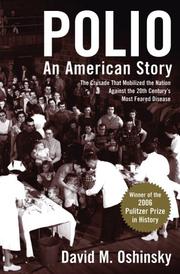
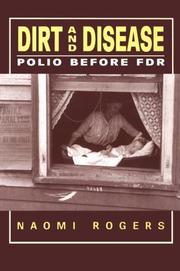
The American fear of polio and the race for a cure, from the March of Dimes to Salk.
Recommended by: Bill Gates
Recommended by: Patrick Collison, Bret Victor, Kevin Kelly
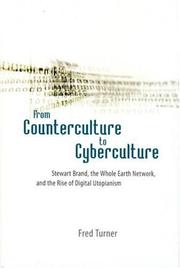
Recommended by: Patrick Collison
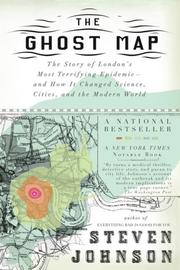
Recommended by: Mohnish Pabrai
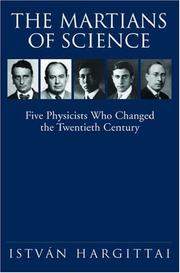
Recommended by: Mohnish Pabrai
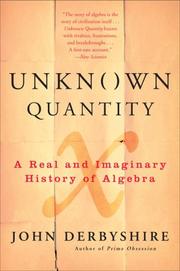
Recommended by: Patrick Collison

Recommended by: Bill Gates
Recommended by: Patrick Collison
Recommended by: Naval Ravikant
Recommended by: Mohnish Pabrai
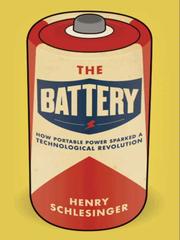
Recommended by: Mohnish Pabrai
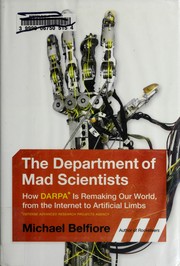
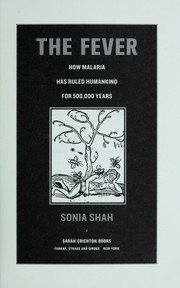
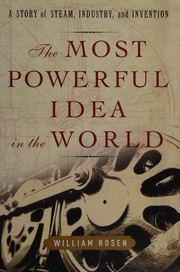
Recommended by: Bill Gates, Mohnish Pabrai, Nick Szabo
Recommended by: Marc Andreessen, Mark Zuckerberg and 2 others
Recommended by: Patrick Collison
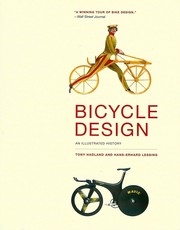
Recommended by: Patrick Collison
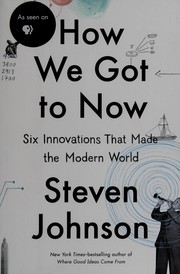
Recommended by: Mohnish Pabrai, Chris Dixon
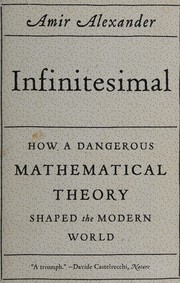
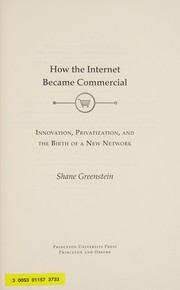
Recommended by: Patrick Collison
Recommended by: Patrick Collison
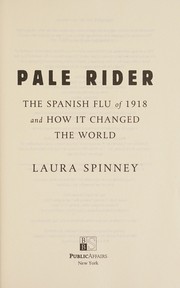
The 1918 Spanish flu, which killed 50 to 100 million, through history and science.
Recommended by: Balaji S. Srinivasan
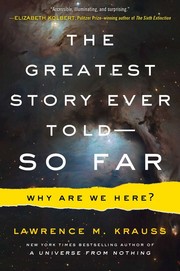
Recommended by: Eric Weinstein
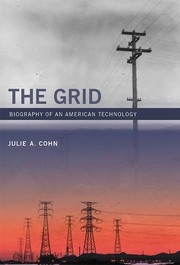
Institutional history of interconnection and who controls it.
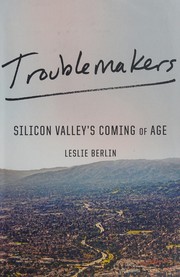
Recommended by: Aileen Lee, Austen Allred, Keith Rabois and 1 other
Recommended by: Balaji S. Srinivasan, Guy Spier
Recommended by: Austen Allred, Jordan Hughes
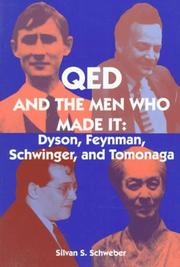
How Dyson, Feynman, Schwinger and Tomonaga built quantum electrodynamics.
Recommended by: Eric Weinstein

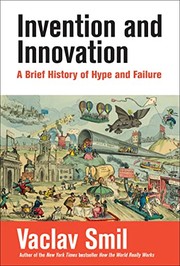
The coming of the machine age in Britain, 1660 to 1886, through eyewitness writings.
Recommended by: Sam Altman
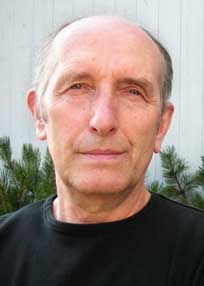 Vaclav Smilwrote 2 books here
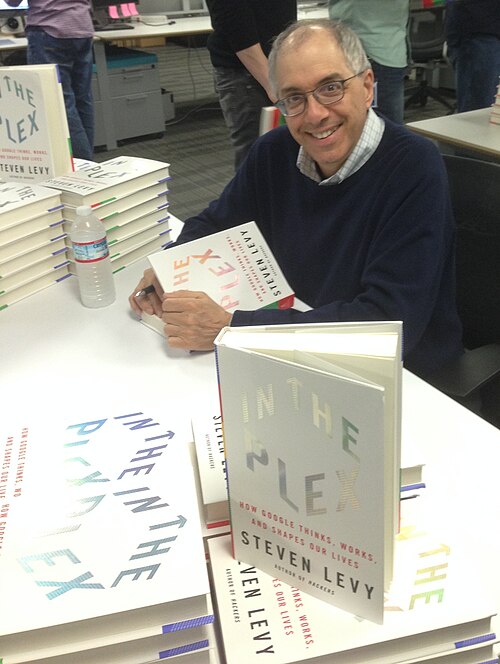 Steven Levywrote 2 books here
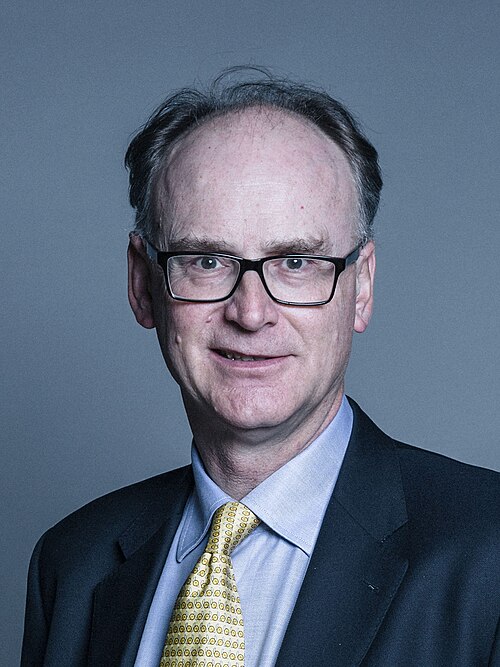 Matt Ridleywrote 1 book here
 Walter Isaacsonwrote 1 book here
 Patrick Collisonrecommends 46 books here
 Bill Gatesrecommends 17 books here
 Mohnish Pabrairecommends 13 books here
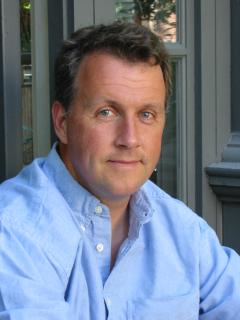 Paul Grahamrecommends 8 books here
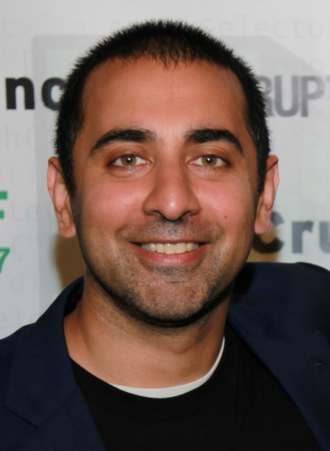 Balaji S. Srinivasanrecommends 5 books here
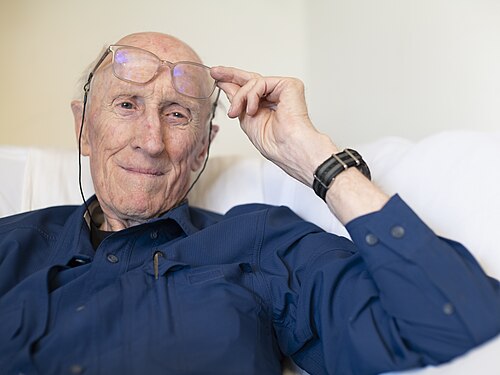 Stewart Brandrecommends 5 books here
 Marc Andreessenrecommends 4 books here
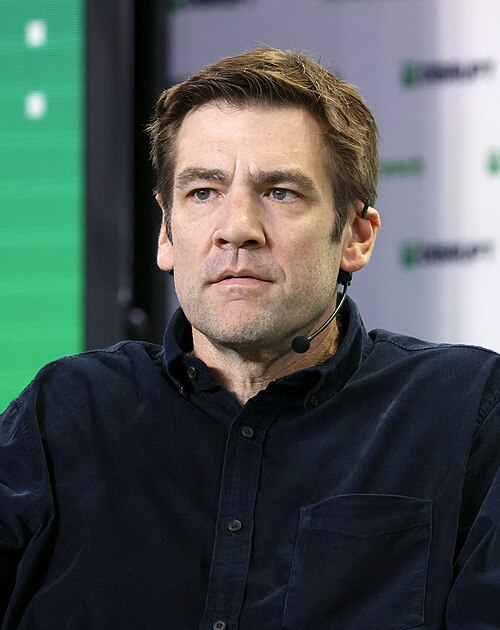 Chris Dixonrecommends 4 books here
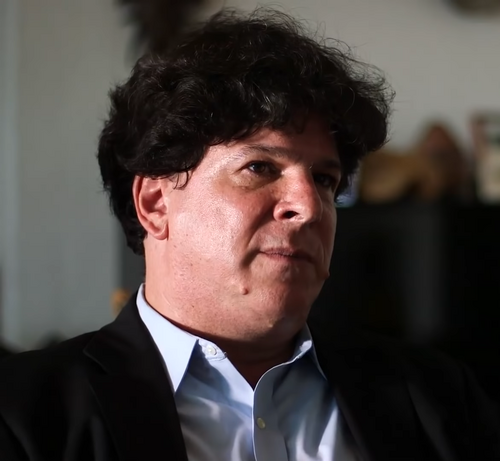 Eric Weinsteinrecommends 3 books here
Show all 49
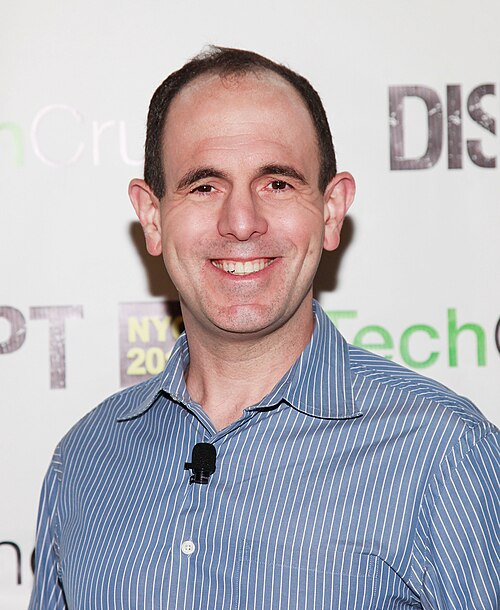 Keith Raboisrecommends 3 books here
 Naval Ravikantrecommends 3 books here
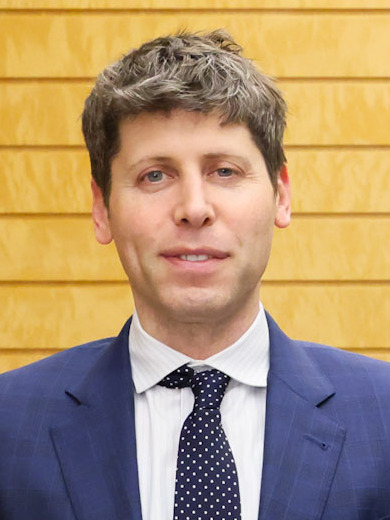 Sam Altmanrecommends 3 books here
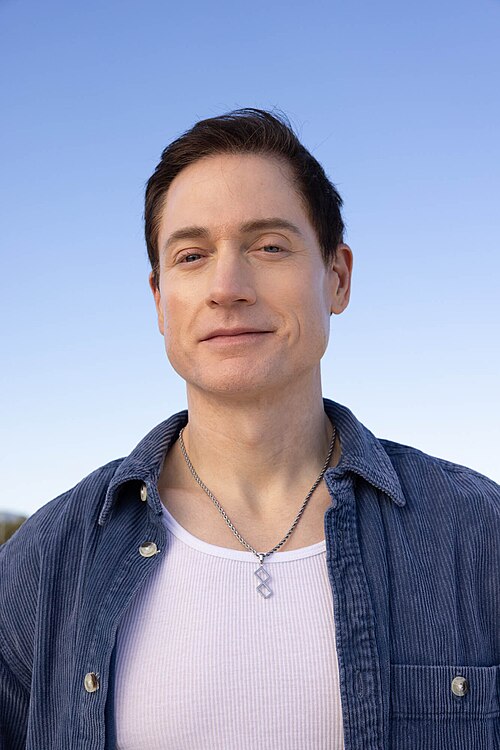 Bryan Johnsonrecommends 2 books here
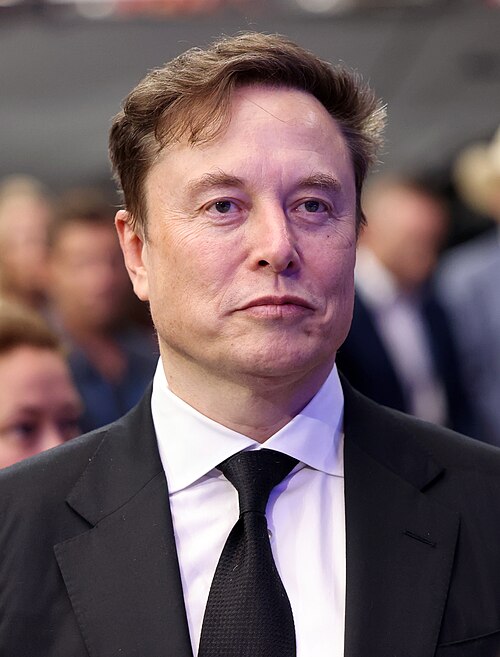 Elon Muskrecommends 2 books here
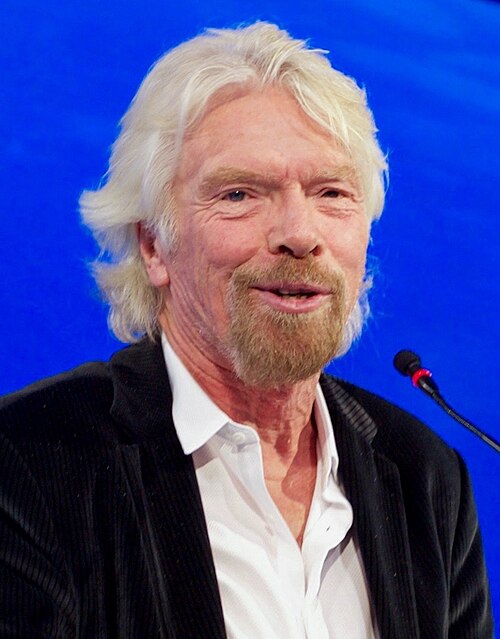 Richard Bransonrecommends 2 books here
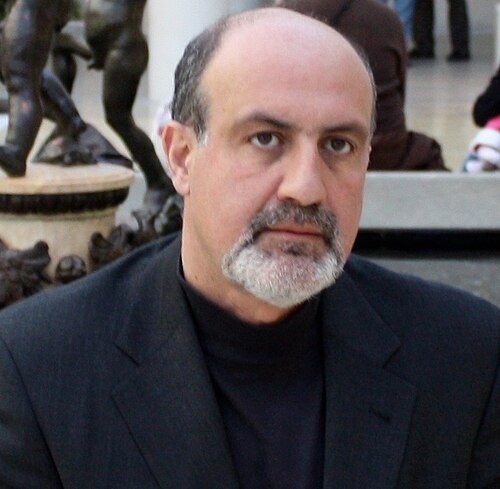 Nassim Nicholas Talebrecommends 1 book here
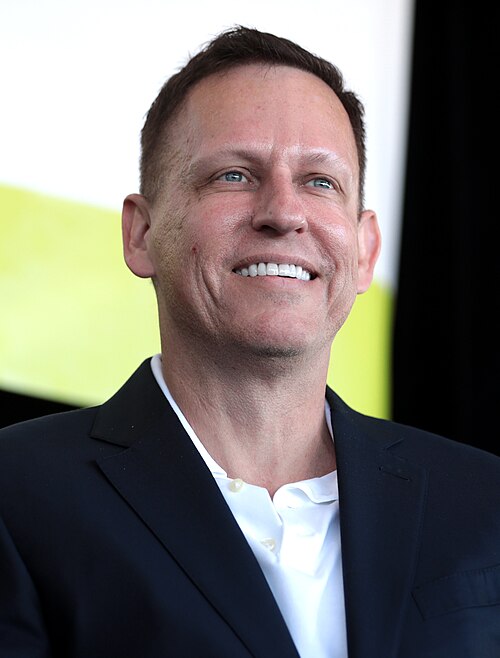 Peter Thielrecommends 1 book here
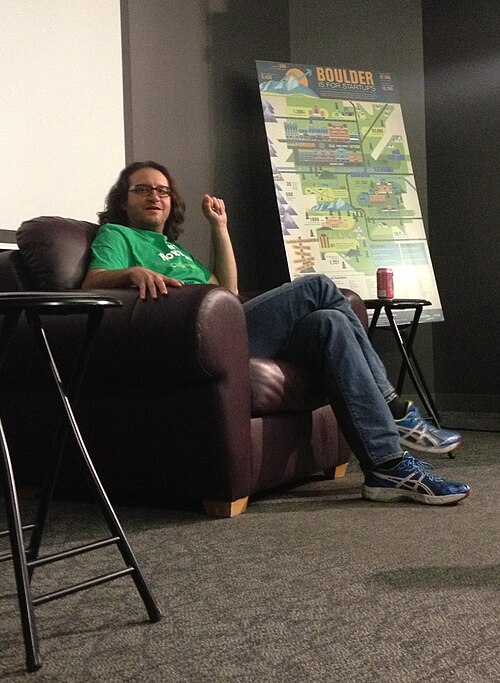 Brad Feldrecommends 1 book here
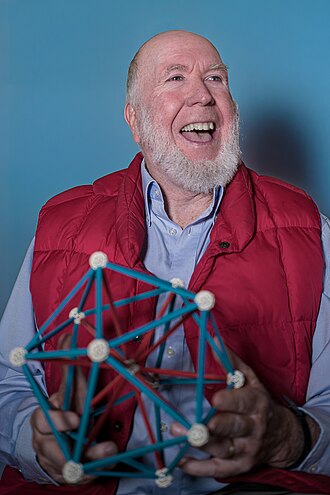 Kevin Kellyrecommends 1 book here
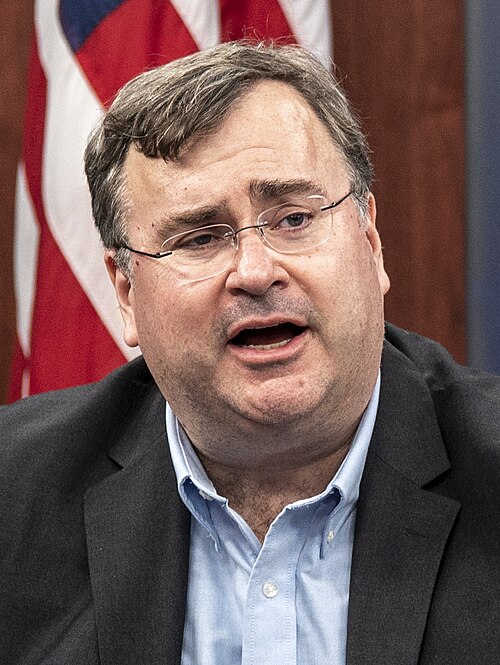 Reid Hoffmanrecommends 1 book here
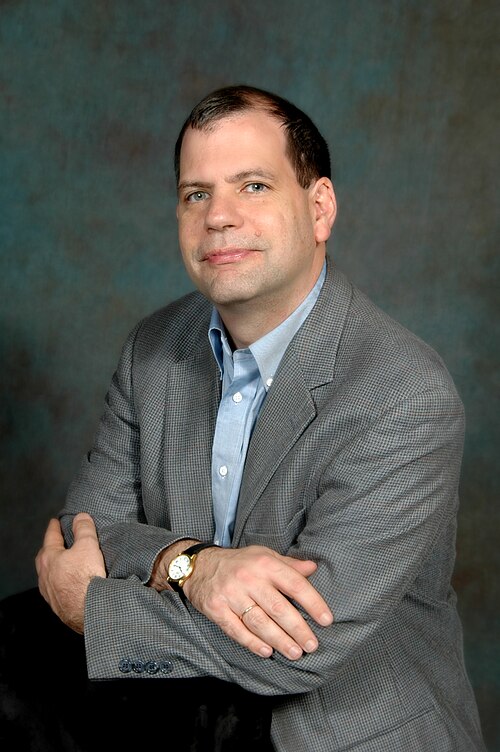 Tyler Cowenrecommends 1 book here
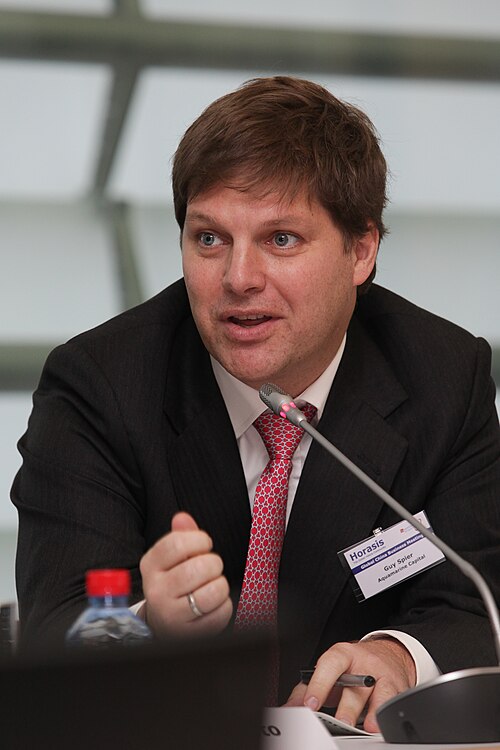 Guy Spierrecommends 1 book here
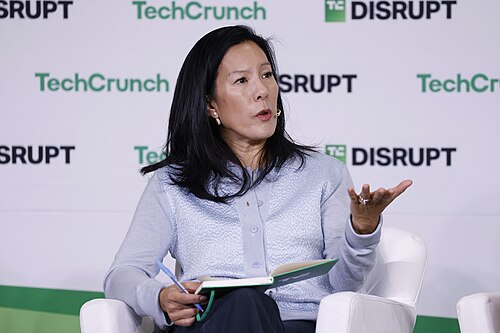 Aileen Leerecommends 1 book here
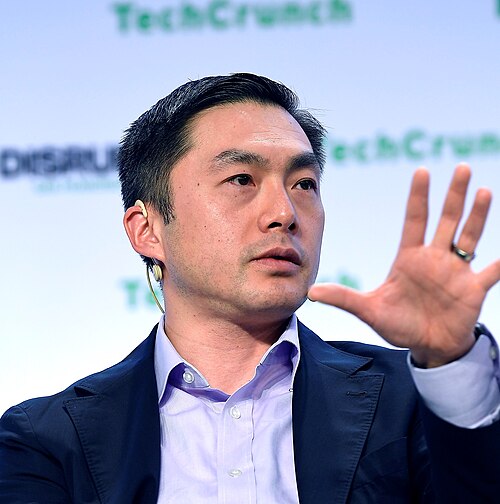 Alfred Linrecommends 1 book here
 Antonio García Martínezrecommends 1 book here
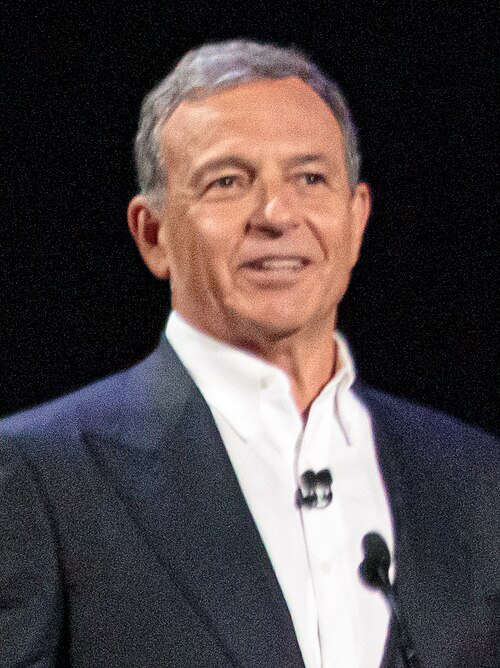 Bob Igerrecommends 1 book here
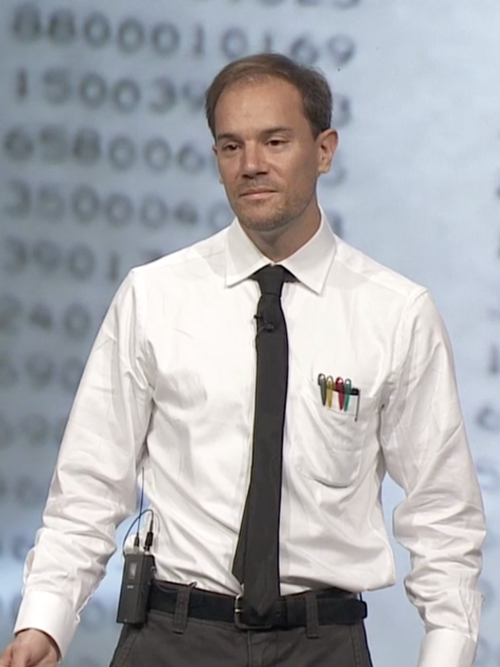 Bret Victorrecommends 1 book here
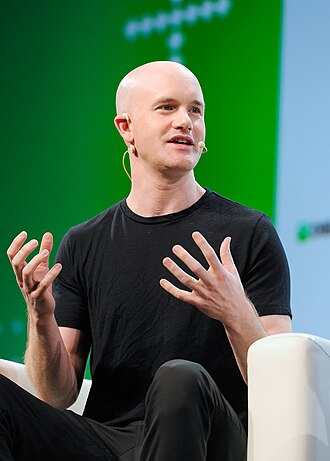 Brian Armstrongrecommends 1 book here
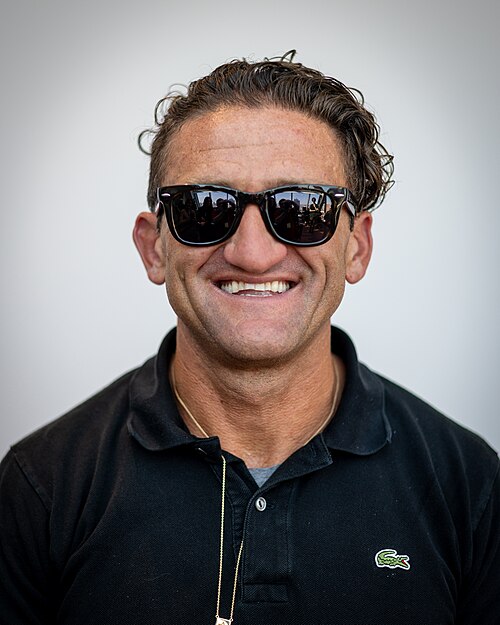 Casey Neistatrecommends 1 book here
 Chamath Palihapitiyarecommends 1 book here
 Ed Cookerecommends 1 book here
 Ev Williamsrecommends 1 book here
 James Cameronrecommends 1 book here
 Laura R Walkerrecommends 1 book here
 Mark Zuckerbergrecommends 1 book here
 Matt Mullenwegrecommends 1 book here
 Peter Attiarecommends 1 book here
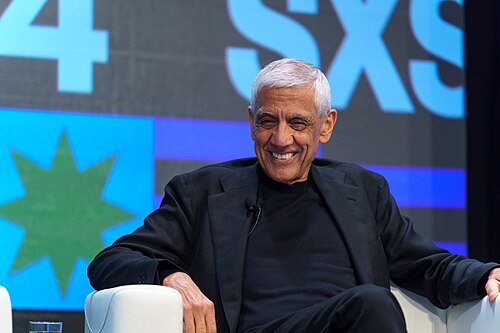 Vinod Khoslarecommends 1 book here