| I Spent 30 Minutes With Apple’s CEO. Now I Know Why John Ternus Got the Job Paywall | WIRED | 2026-10-30 |
| The Inside Story of Why Apple Finally Brought a Touch Display to the Mac Paywall | WIRED | 2026-10-28 |
| Maybe Chatbots Shouldn’t Get to Say ‘I’ or ‘Me’ Paywall | WIRED | 2026-10-16 |
| I’m Still Convinced the iPod Was the Perfect Gadget Paywall | WIRED | 2026-10-09 |
| Trump’s Crazy AI Rebrand Was a Loyalty Test for Tech Execs—and It Worked Paywall | WIRED | 2026-10-02 |
| War Bros Didn’t Always Rule Silicon Valley Paywall | WIRED | 2026-09-25 |
| If the AI Industry Followed Its Own Research, It Might Have Paused Already Paywall | WIRED | 2026-09-18 |
| Who Cares if AI Is Conscious—It’s Basically Alive Paywall | WIRED | 2026-09-04 |
| AI Has Human Doctors Asking: What’s Left for Us? Paywall | WIRED | 2026-08-28 |
| Tech Visionary Says the Big AI Labs Don’t Get What People Want Paywall | WIRED | 2026-08-14 |
| Zohran Mamdani’s NYC Tech Team Is What DOGE Should Have Been Paywall | WIRED | 2026-08-07 |
| 4 of Google’s Top AI Brains Are Leaving—and Launching Their Own AI Startup Paywall | WIRED | 2026-08-05 |
| AI Slop Melodramas Are Taking Over X—and Their Creators Are Cashing In Paywall | WIRED | 2026-07-31 |
| Lyft’s CEO Says, ‘We’re the Good Uber’ Paywall | WIRED | 2026-07-17 |
| Meta’s Pursuit of the Careless People Author Is Relentless and Self-Defeating Paywall | WIRED | 2026-07-10 |
| Europe Is Fed Up and Wants Its Own AI Paywall | WIRED | 2026-06-26 |
| Designing the Dream House of an 87-Year-Old Tech Visionary Paywall | WIRED | 2026-06-16 |
| Crypto Guys Bought the Answer to the CIA’s Mysterious Kryptos Sculpture Paywall | WIRED | 2026-06-12 |
| Has Microsoft Lost Its Mojo (Again)? Paywall | WIRED | 2026-06-05 |
| Jeff Bezos Is Funding a Wild Hunt for the Brain’s ‘Core Algorithm’ Paywall | WIRED | 2026-06-04 |
| The Vatican’s Man Inside Anthropic Paywall | WIRED | 2026-05-29 |
| AI Agents Plunged the Tech World Into Chaos. Here’s Exactly How That Happened Paywall | WIRED | 2026-05-26 |
| Even If You Hate AI, You Will Use Google AI Search Paywall | WIRED | 2026-05-22 |
| Meta’s New Reality: Record High Profits. Record Low Morale Paywall | WIRED | 2026-05-14 |
| Nick Bostrom Has a Plan for Humanity’s ‘Big Retirement’ Paywall | WIRED | 2026-05-08 |
| You Found Satoshi? Let’s See the Receipts Paywall | WIRED | 2026-05-01 |
| Apple's Next CEO Needs to Launch a Killer AI Product Paywall | WIRED | 2026-04-24 |
| AI Drafting My Stories? Over My Dead Body Paywall | WIRED | 2026-04-17 |
| This Startup Wants You to Pay Up to Talk With AI Versions of Human Experts Paywall | WIRED | 2026-04-10 |
| John Perry Barlow, JFK Jr., and a Night of Grief I Can’t Forget Paywall | WIRED | 2026-04-03 |
| Apple Still Plans to Sell iPhones When It Turns 100 Paywall | WIRED | 2026-03-27 |
| At Palantir’s Developer Conference, AI Is Built to Win Wars Paywall | WIRED | 2026-03-20 |
| A Quantum Leap for the Turing Award Paywall | WIRED | 2026-03-18 |
| The Iran War Is Throwing Global Shipping Into Chaos Paywall | WIRED | 2026-03-13 |
| When AI Companies Go to War, Safety Gets Left Behind Paywall | WIRED | 2026-03-06 |
| Jack Dorsey Is Ready to Explain the Block Layoffs Paywall | WIRED | 2026-03-06 |
| How Is Kalshi Not Gambling? Paywall | WIRED | 2026-03-04 |
| Wall Street Has AI Psychosis Paywall | WIRED | 2026-02-27 |
| AI Safety Meets the War Machine Paywall | WIRED | 2026-02-20 |
| Zillow Has Gone Wild—for AI Paywall | WIRED | 2026-02-13 |
| The Only Thing Standing Between Humanity and AI Apocalypse Is … Claude? Paywall | WIRED | 2026-02-06 |
| After Minneapolis, Tech CEOs Are Struggling to Stay Silent Paywall | WIRED | 2026-01-30 |
| The Math on AI Agents Doesn’t Add Up Paywall | WIRED | 2026-01-23 |
| Former USDS Leaders Launch Tech Reform Project to Fix What DOGE Broke Paywall | WIRED | 2026-01-16 |
| Silicon Valley Billionaires Panic Over California’s Proposed Wealth Tax Paywall | WIRED | 2026-01-09 |
| Steve Jobs’ Early Apple Items Are Going Up for Auction—Along With His Bow Ties Paywall | WIRED | 2026-01-06 |
| Here’s What You Should Know About Launching an AI Startup Paywall | WIRED | 2025-12-05 |
| It’s Time to Save Silicon Valley From Itself Paywall | WIRED | 2025-12-04 |
| Want This Hearing Aid? Well, Who Do You Know? Paywall | WIRED | 2025-12-03 |
| There Is Only One AI Company. Welcome to the Blob Paywall | WIRED | 2025-11-21 |
| In Alex Karp’s World, Palantir Is the Underdog Paywall | WIRED | 2025-11-19 |
| Inside the Multimillion-Dollar Plan to Make Mobile Voting Happen Paywall | WIRED | 2025-11-14 |
| Alex Karp Goes to War Paywall | WIRED | 2025-11-10 |
| Welcome to Big Tech's ‘Age of Extraction’ Paywall | WIRED | 2025-11-07 |
| The Man Who Invented AGI Paywall | WIRED | 2025-10-31 |
| Why AI Breaks Bad Paywall | WIRED | 2025-10-27 |
| Inside the Messy, Accidental Kryptos Reveal Paywall | WIRED | 2025-10-24 |
| Can AI Avoid the Enshittification Trap? Paywall | WIRED | 2025-10-17 |
| Sam Altman Says the GPT-5 Haters Got It All Wrong Paywall | WIRED | 2025-10-03 |
| Broadcast TV Is a 'Melting Ice Cube.’ Kimmel Just Turned Up the Heat Paywall | WIRED | 2025-09-26 |
| Watch Our Livestream Replay: Tech Went All In on Trump. Now What? Paywall | WIRED | 2025-09-23 |
| I Thought I Knew Silicon Valley. I Was Wrong Paywall | WIRED | 2025-09-22 |
| YouTube Thinks AI Is Its Next Big Bang Paywall | WIRED | 2025-09-19 |
| I Wasn’t Sure I Wanted Anthropic to Pay Me for My Books—I Do Now Paywall | WIRED | 2025-09-12 |
| The Doomers Who Insist AI Will Kill Us All Paywall | WIRED | 2025-09-05 |
| Astronomer’s New CEO Speaks—Yes, About That Paywall | WIRED | 2025-08-22 |
| The Kryptos Key Is Going Up for Sale Paywall | WIRED | 2025-08-14 |
| Inside Dylan Field’s Big IPO—and His Even Bigger Plans for Figma Paywall | WIRED | 2025-08-08 |
| Inside Jeffrey Epstein’s Forgotten AI Summit Paywall | WIRED | 2025-08-01 |
| Trump’s Anti-Bias AI Order Is Just More Bias Paywall | WIRED | 2025-07-25 |
| Microsoft and OpenAI's AGI Fight Is Bigger Than a Contract Paywall | WIRED | 2025-07-11 |
| Substack Is Having a Moment—Again. But Time Is Running Out Paywall | WIRED | 2025-06-27 |
| What Big Tech's Band of Execs Will Do in the Army Paywall | WIRED | 2025-06-20 |
| How Steve Jobs Wrote the Greatest Commencement Speech Ever Paywall | WIRED | 2025-06-12 |
| Bill Atkinson, Macintosh Pioneer and Inventor of Hypercard, Dies at 74 Paywall | WIRED | 2025-06-07 |
| Barry Diller Invented Prestige TV. Then He Conquered the Internet Paywall | WIRED | 2025-06-06 |
| Demis Hassabis Embraces the Future of Work in the Age of AI Paywall | WIRED | 2025-06-04 |
| How the Loudest Voices in AI Went From ‘Regulate Us’ to ‘Unleash Us’ Paywall | WIRED | 2025-05-30 |
| No, Graduates: AI Hasn't Ended Your Career Before It Starts Paywall | WIRED | 2025-05-16 |
| Airbnb Is in Midlife Crisis Mode Paywall | WIRED | 2025-05-13 |
| Brendan Carr Is Turning the FCC Into MAGA’s Censoring Machine Paywall | WIRED | 2025-05-02 |
| The Meta Trial Shows the Dangers of Selling Out Paywall | WIRED | 2025-04-25 |
| Meta’s Monopoly Made It a Fair-Weather Friend Paywall | WIRED | 2025-04-18 |
| Dr. Oz Pushed for AI Health Care in First Medicare Agency Town Hall Paywall | WIRED | 2025-04-08 |
| President Trump’s War on ‘Information Silos’ Is Bad News for Your Personal Data Paywall | WIRED | 2025-04-04 |
| Anthropic's Claude Is Good at Poetry—and Bullshitting Paywall | WIRED | 2025-03-28 |
| If Anthropic Succeeds, a Nation of Benevolent AI Geniuses Could Be Born Paywall | WIRED | 2025-03-28 |
| Yahoo Is Still Here—and It Has Big Plans for AI Paywall | WIRED | 2025-03-21 |
| Meta Tries to Bury a Tell-All Book Paywall | WIRED | 2025-03-14 |
| AI Thinks It Cracked Kryptos. The Artist Behind It Says No Chance Paywall | WIRED | 2025-03-07 |
| Google’s Taara Hopes to Usher in a New Era of Internet Powered by Light Paywall | WIRED | 2025-02-28 |
| Roll Over Shakespeare: ChatGPT Is Here Paywall | WIRED | 2025-02-21 |
| Mira Murati Is Ready to Tell the World What She’s Working On Paywall | WIRED | 2025-02-18 |
| The DOGE Squad Is Squandering a Once-in-a-Lifetime Opportunity Paywall | WIRED | 2025-02-14 |
| 2025: The Year of the AI App Paywall | WIRED | 2025-02-07 |
| Chris Anderson Is Giving TED Away to Whoever Has the Best Idea for Its Future Paywall | WIRED | 2025-02-04 |
| Bill Gates Traumatized His Parents—and Other Stories of a Wild, Wonky Youth Paywall | WIRED | 2025-01-31 |
| Elon Musk Plays DOGE Ball—and Hits America’s Geek Squad Paywall | WIRED | 2025-01-22 |
| Mark Zuckerberg Turns His Back on the Media Paywall | WIRED | 2025-01-17 |
| No Fact-Checking and More Hate Speech: Meta Goes MAGA Paywall | WIRED | 2025-01-08 |
| The Inside Story of Apple Intelligence Paywall | WIRED | 2024-12-06 |
| Tim Cook Wants Apple to Literally Save Your Life Paywall | WIRED | 2024-12-04 |
| Bluesky Says It Won’t Screw Things Up Paywall | WIRED | 2024-11-22 |
| Microsoft at 50: An AI Giant. A Kinder Culture. And Still Hellbent on Domination Paywall | WIRED | 2024-11-21 |
| Donald Trump Isn’t the Only Chaos Agent Paywall | WIRED | 2024-11-08 |
| AI Will Understand Humans Better Than Humans Do Paywall | WIRED | 2024-11-01 |
| A High-Profile Geneticist Is Launching a Fusion-Power Moonshot Paywall | WIRED | 2024-10-25 |
| You Can Now See the Code That Helped End Apartheid Paywall | WIRED | 2024-10-18 |
| AI's Big Gift to Society Is … Pithy Summaries? Paywall | WIRED | 2024-10-04 |
| No, Sam Altman, AI Won’t Solve All of Humanity’s Problems Paywall | WIRED | 2024-09-27 |
| Trae Stephens Has Built AI Weapons and Worked for Donald Trump. As He Sees It, Jesus Would Approve Paywall | WIRED | 2024-09-25 |
| Want to Get Into Founder Mode? You Should Be So Lucky Paywall | WIRED | 2024-09-20 |
| The Godmother of AI Wants Everyone to Be a World Builder Paywall | WIRED | 2024-09-13 |
| The NSA Has a Podcast—Here's How to Decode It Paywall | WIRED | 2024-09-06 |
| Mark Zuckerberg Vows to Be Neutral–While Tossing Gifts to Trump and the GOP Paywall | WIRED | 2024-08-30 |
| Former YouTube CEO Susan Wojcicki Dies at 56 Paywall | WIRED | 2024-08-10 |
| Google's Rise Was Inevitable. So Was Its Antitrust Ruling Paywall | WIRED | 2024-08-09 |
| Trump's Crypto Embrace Could Be a Disaster for Bitcoin Paywall | WIRED | 2024-08-02 |
| Steve Jobs Knew the Moment the Future Had Arrived. It's Calling Again Paywall | WIRED | 2024-07-26 |
| Anthony Fauci Worries About the Next Pandemic—But Worries More About Democracy Paywall | WIRED | 2024-07-25 |
| Donald Trump and Silicon Valley's Billionaire Elegy Paywall | WIRED | 2024-07-19 |
| At 25, Metafilter Feels Like a Time Capsule From Another Internet Paywall | WIRED | 2024-07-12 |
| He Helped Invent Generative AI. Now He Wants to Save It Paywall | WIRED | 2024-06-28 |
| No Matter How You Package It, Apple Intelligence Is AI Paywall | WIRED | 2024-06-14 |
| If Ray Kurzweil Is Right (Again), You’ll Meet His Immortal Soul in the Cloud Paywall | WIRED | 2024-06-13 |
| Don’t Let Mistrust of Tech Companies Blind You to the Power of AI Paywall | WIRED | 2024-06-07 |
| The Daylight Tablet Returns Computing to Its Hippie Ideals Paywall | WIRED | 2024-05-31 |
| AI Is a Black Box. Anthropic Figured Out a Way to Look Inside Paywall | WIRED | 2024-05-21 |
| It’s Time to Believe the AI Hype Paywall | WIRED | 2024-05-17 |
| There's No Undoing Tech's Great Rewiring of Childhood Paywall | WIRED | 2024-05-10 |
| Give This Rich Dude $1 or The Onion Disappears Forever Paywall | WIRED | 2024-05-03 |
| Meet the Woman Who Showed President Biden ChatGPT—and Helped Set the Course for AI Paywall | WIRED | 2024-05-01 |
| A Wave of AI Tools Is Set to Transform Work Meetings Paywall | WIRED | 2024-04-19 |
| Tech Leaders Once Cried for AI Regulation. Now the Message Is ‘Slow Down’ Paywall | WIRED | 2024-04-12 |
| This AI Startup Wants You to Talk to Houses, Cars, and Factories Paywall | WIRED | 2024-04-05 |
| Here’s Proof the AI Boom Is Real: More People Are Tapping ChatGPT at Work Paywall | WIRED | 2024-03-29 |
| Photography Is No Longer Evidence of Anything Paywall | WIRED | 2024-03-22 |
| 8 Google Employees Invented Modern AI. Here’s the Inside Story Paywall | WIRED | 2024-03-20 |
| Y Combinator's Chief Startup Whisperer Is Demoting Himself Paywall | WIRED | 2024-03-15 |
| Sam Altman Back on OpenAI's Board After He Is Cleared by Investigation Paywall | WIRED | 2024-03-08 |
| The Mind-Blowing Experience of a Chatbot That Answers Instantly Paywall | WIRED | 2024-03-01 |
| My Quest to Fix a Crashing Roku App Provides a Warning About AI Paywall | WIRED | 2024-02-23 |
| This Company Says Conversational AI Will Kill Apps and Websites Paywall | WIRED | 2024-02-16 |
| OpenAI’s Sora Turns AI Prompts Into Photorealistic Videos Paywall | WIRED | 2024-02-15 |
| Kara Swisher Is Sick of Tech People, So She Wrote a Book About Them Paywall | WIRED | 2024-02-15 |
| Here’s the Thing AI Just Can’t Do Paywall | WIRED | 2024-02-09 |
| After 20 Years of Facebook, Lawmakers Are Still Trying to Fix It Paywall | WIRED | 2024-02-02 |
| Apple Shares the Secret of Why the 40-Year-Old Mac Still Rules Paywall | WIRED | 2024-01-19 |
| Your Medical Data Is Code Blue Paywall | WIRED | 2024-01-12 |
| In Defense of AI Hallucinations Paywall | WIRED | 2024-01-05 |
| How Not to Be Stupid About AI, With Yann LeCun Paywall | WIRED | 2023-12-22 |
| Google’s NotebookLM Aims to Be the Ultimate Writing Assistant Paywall | WIRED | 2023-12-08 |
| The Year of ChatGPT and Living Generatively Paywall | WIRED | 2023-12-01 |
| OpenAI’s Boardroom Drama Could Mess Up Your Future Paywall | WIRED | 2023-11-22 |
| OpenAI Staff Threaten to Quit Unless Board Resigns Paywall | WIRED | 2023-11-20 |
| What Sam Altman’s Firing Means for the Future of OpenAI Paywall | WIRED | 2023-11-18 |
| Who Is Mira Murati, OpenAI’s New Interim CEO? Paywall | WIRED | 2023-11-17 |
| The Case for Using AI to Log Your Every Living Moment Paywall | WIRED | 2023-11-17 |
| Fei-Fei Li Started an AI Revolution by Seeing Like an Algorithm Paywall | WIRED | 2023-11-10 |
| Robotic Putting Greens. Mixed Reality. Loud Spectators. This Is Golf?! Paywall | WIRED | 2023-11-09 |
| Joe Biden Has a Secret Weapon Against Killer AI. It's Bureaucrats Paywall | WIRED | 2023-11-03 |
| Here's a New Plan to Rein In the Gilded Tech Bros Paywall | WIRED | 2023-10-27 |
| What the Techno-Billionaire Missed About Techno-Optimism Paywall | WIRED | 2023-10-20 |
| The Curse of the Creator Economy Paywall | WIRED | 2023-10-13 |
| U2’s The Edge on The Sphere’s Opening Night: ‘This Is Definitely Working’ Paywall | WIRED | 2023-10-06 |
| The Las Vegas Sphere Makes Virtual Reality a Full-Body Experience Paywall | WIRED | 2023-10-06 |
| Hey Zuck, Get Those Robots out of My Social Feed Paywall | WIRED | 2023-09-29 |
| Smarter AI Assistants Could Make It Harder to Stay Human Paywall | WIRED | 2023-09-22 |
| If Elon Musk Had Been a Happy Child, Would He Still Be Launching Rockets? Paywall | WIRED | 2023-09-15 |
| Sundar Pichai on Google’s AI, Microsoft’s AI, OpenAI, and … Did We Mention AI? Paywall | WIRED | 2023-09-11 |
| Trump Squeezed America's Geek Squad. Biden Built It Back Stronger Paywall | WIRED | 2023-09-08 |
| What OpenAI Really Wants Paywall | WIRED | 2023-09-05 |
| AI Can’t Read Books. It’s Reviewing Them Anyway Paywall | WIRED | 2023-08-25 |
| 25 Years Ago Steve Jobs Launched the First iMac—and the Strategy That Saved Apple Paywall | WIRED | 2023-08-18 |
| The ‘Godfather of AI’ Has a Hopeful Plan for Keeping Future AI Friendly Paywall | WIRED | 2023-08-11 |
| Grimes on Living Forever, Dying on Mars, and Giving Elon Musk Ideas for His Best (Worst) Tweets Paywall | WIRED | 2023-08-08 |
| Uber’s CEO Says He’ll Always Find a Reason to Say His Company Sucks Paywall | WIRED | 2023-08-01 |
| Almost 50 Years Into the Crypto Wars, Encryption’s Opponents Are Still Wrong Paywall | WIRED | 2023-07-21 |
| Dear Mark Zuckerberg: Don’t Fight Elon Musk in the Las Vegas Octagon Paywall | WIRED | 2023-07-14 |
| Get Ready for the Battle of the Metaverses Paywall | WIRED | 2023-06-23 |
| Welcome to the Wet Hot AI Chatbot Summer Paywall | WIRED | 2023-01-06 |
| Elon Musk's Twitter Is Making Meta Look Smart Paywall | WIRED | 2022-12-09 |
| Tony Fadell Is Trying to Build the iPod of Crypto Paywall | WIRED | 2022-12-06 |
| Good Luck Getting Elon Musk to Stop Tweeting Paywall | WIRED | 2022-11-18 |
| Big Tech’s Layoffs Will Fuel the Industry's Future Paywall | WIRED | 2022-11-11 |
| Anthony Fauci’s Sign-Off Message Paywall | WIRED | 2022-11-08 |
| Inside Meta’s Oversight Board: 2 Years of Pushing Limits Paywall | WIRED | 2022-11-08 |
| Elon Musk’s Need for Speed Puts Twitter in Peril Paywall | WIRED | 2022-11-04 |
| Why Meta Is Tanking—and How Zuckerberg Can Fix It Paywall | WIRED | 2022-10-28 |
| What If the Metaverse Is Better Without Virtual Reality? Paywall | WIRED | 2022-10-14 |
| What’s Deepfake Bruce Willis Doing in My Metaverse? Paywall | WIRED | 2022-10-07 |
| Meta Rethinks the Philosophy of the Facebook Feed Paywall | WIRED | 2022-10-06 |
| Why Jann Wenner Let WIRED Start the Rolling Stone of Tech Paywall | WIRED | 2022-09-30 |
| Amazon Wants to Cocoon You With ‘Ambient Intelligence’ Paywall | WIRED | 2022-09-28 |
| Bogus Fears of Censorship Could Spell the End of Content Moderation Paywall | WIRED | 2022-09-23 |
| The Next Silicon Valley Will Be in the US Heartland Paywall | WIRED | 2022-09-22 |
| Neal Stephenson Named the Metaverse. Now, He’s Building It Paywall | WIRED | 2022-09-16 |
| Silicon Valley Is Obsessed With Its Evil Twin, TikTok Paywall | WIRED | 2022-09-09 |
| Twitter, Meta, and Blowing the Whistle on Big Tech Paywall | WIRED | 2022-08-26 |
| Silicon Valley Conservatives Are Stepping Out of the Shadows Paywall | WIRED | 2022-08-12 |
| Biden’s Anti-Big Tech Adviser Has Been Living the Dream Paywall | WIRED | 2022-08-05 |
| Larry Brilliant on Covid Rapid Antigen Tests and Public Health Paywall | WIRED | 2022-08-05 |
| The Supreme Court Accidentally Spurred a Data Privacy Push Paywall | WIRED | 2022-07-22 |
| Even Twitter Thinks Elon Musk’s Tweets Are Out of Control Paywall | WIRED | 2022-07-15 |
| How Hemingway Gradually—Then Suddenly—Defined the Zeitgeist Paywall | WIRED | 2022-07-08 |
| Shopify Goes Soul-Searching Paywall | WIRED | 2022-06-24 |
| Blake Lemoine Says Google's LaMDA AI Faces 'Bigotry' Paywall | WIRED | 2022-06-17 |
| The Soul of a New Machine Learning System Paywall | WIRED | 2022-06-17 |
| Big Tech Has Become a Creature of the Swamp Paywall | WIRED | 2022-06-10 |
| Meta’s New COO Is Nothing Like Sheryl Sandberg Paywall | WIRED | 2022-06-03 |
| Sheryl Sandberg and the Death of 'The Deal' Paywall | WIRED | 2022-06-01 |
| Benjamin Franklin Meets the Blockchain Paywall | WIRED | 2022-05-27 |
| The Private Equity Firm That Grounded Paul Allen’s Dream Paywall | WIRED | 2022-05-20 |
| Adam Mosseri Says He Wants Big Tech to Give Up Control Paywall | WIRED | 2022-05-17 |
| A World Without iPods Paywall | WIRED | 2022-05-13 |
| Bill Gates Is So Over This Pandemic Paywall | WIRED | 2022-05-12 |
| Apple Has Lost Its Soul. But Who Cares? Paywall | WIRED | 2022-05-06 |
| Don’t Call Tony Fadell an Asshole—He Prefers ‘Mission Driven’ Paywall | WIRED | 2022-05-03 |
| How Elon Musk Upstaged Barack Obama’s Social Media Manifesto Paywall | WIRED | 2022-04-29 |
| Joe Biden, and the Country, Could Really Use a CTO Paywall | WIRED | 2022-04-22 |
| Lockdown Has Taken Us From Internet Time to Groundhog Time Paywall | WIRED | 2020-04-24 |
| Here's Who Should Really Be Advising Trump on the Economy Paywall | WIRED | 2020-04-17 |
| Stephen Wolfram Invites You to Solve Physics Paywall | WIRED | 2020-04-14 |
| Facebook Could Help Journalism by Making News Easier to Find Paywall | WIRED | 2020-03-30 |
| Has the Coronavirus Killed the Techlash? Paywall | WIRED | 2020-03-20 |
| Could Crispr Be Humanity's Next Virus Killer? Paywall | WIRED | 2020-03-18 |
| Bill Gates Steps Down From Microsoft's Board Paywall | WIRED | 2020-03-13 |
| Twitter and Facebook Must Not Allow Trump's Covid-19 Lies Paywall | WIRED | 2020-03-13 |
| Jack Dorsey's Reprieve as Twitter CEO May Not Last Paywall | WIRED | 2020-03-10 |
| Inside Mark Zuckerberg's Lost Notebook Paywall | WIRED | 2020-02-12 |
| Larry, Sergey, and the Mixed Legacy of Google-Turned-Alphabet Paywall | WIRED | 2019-12-05 |
| Zuckerberg Doubles Down on Free Speech—the Facebook Way Paywall | WIRED | 2019-10-17 |
| Cambridge Analytica, Whistle-Blowers, and Tech's Dark Appeal Paywall | WIRED | 2019-10-15 |
| Former Facebook Standards Guru Decries Political Exemptions Paywall | WIRED | 2019-09-30 |
| Facebook's Latest Purchase Gets Inside Users' Heads—Literally Paywall | WIRED | 2019-09-23 |
| Inside Bill's Brain Calls BS on Malcolm Gladwell's Outliers Paywall | WIRED | 2019-09-20 |
| A Reminiscence of Jony Ive’s Design Legacy Paywall | WIRED | 2019-06-27 |
| The Ambitious Plan Behind Facebook’s Cryptocurrency, Libra Paywall | WIRED | 2019-06-18 |
| The Story of Apple, in Two Iconic Buildings Paywall | WIRED | 2018-09-18 |
| An Oral History of Apple's Infinite Loop Paywall | WIRED | 2018-09-16 |


 Hackers
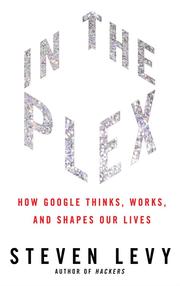
 In the Plex
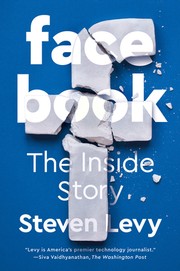
 Facebook
 Insanely Great