History of computing and semiconductors
This niche holds histories of the computer, the transistor and the chip industry, from Bell Labs, ARPA and Xerox PARC to IBM, Intel, Nvidia and the making of Silicon Valley.
Start here
- The Soul of a New MachineTracy Kidder, 1981
- Dealers of LightningMichael A. Hiltzik, 1999
- HackersSteven Levy, 1984
- The ChipT. R. Reid, 1984
- Fumbling the futureDouglas K. Smith, Robert C. Alexander, 1988
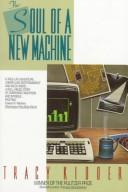
A Data General team races to design a 32-bit minicomputer in about a year.
“Must-read for anyone in a product development or a startup environment.” — Mohnish Pabrai
Source: Mohnish's Bookshelf — Books on Sales & Marketing, entry 73
Recommended by: Mohnish Pabrai, Patrick Collison, Brad Feld and 3 others
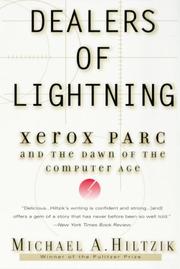
How Xerox PARC built the first personal computer and laser printer, and lost them.
Recommended by: Austen Allred, Patrick Collison, Sam Altman
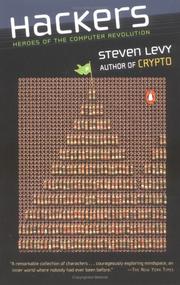
Three generations of hackers, from MIT's AI Lab to the Homebrew club and game makers.
Recommended by: Austen Allred, Ev Williams, Marc Andreessen and 3 others
How Kilby and Noyce each invented the integrated circuit in 1958 and 1959.
Recommended by: Patrick Collison
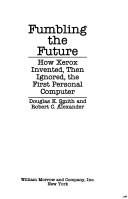
How Xerox invented the personal computer and then ignored it.
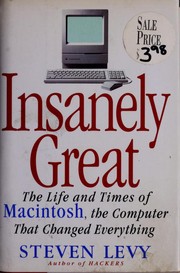
How the Macintosh was made and launched in 1984.
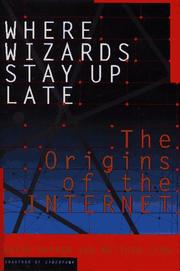
How Licklider and Pentagon-funded engineers built the network behind the internet.
Recommended by: Patrick Collison, Chris Dixon
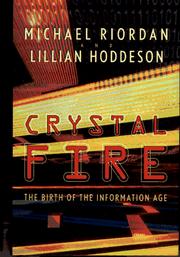
How the Bell Labs team of Shockley, Bardeen and Brattain invented the transistor.
Recommended by: Patrick Collison
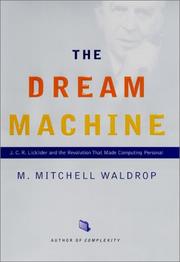
J.C.R. Licklider's vision of computers that serve individuals, and how it came true.
Recommended by: Marc Andreessen, Patrick Collison
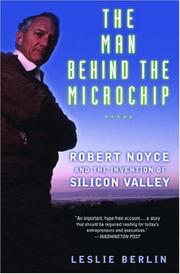
Robert Noyce, Fairchild Semiconductor and the founding of Intel.
Recommended by: Jim Collins, Mohnish Pabrai and 2 others
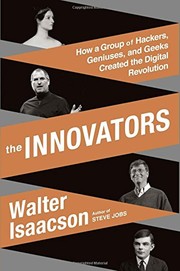
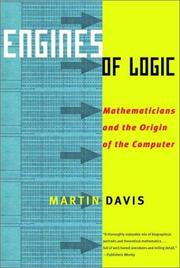
Computing as a run of collaborations, from Ada Lovelace and Babbage to Google.
Recommended by: Mohnish Pabrai, Bill Gates, Chris Fussell and 2 others
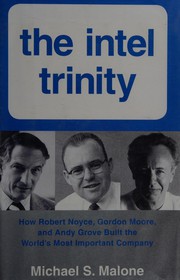
Intel's history through Robert Noyce, Gordon Moore and Andy Grove.
Recommended by: Mohnish Pabrai, Keith Rabois
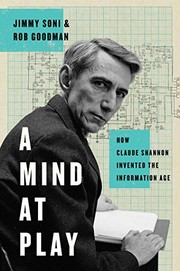
The life of Claude Shannon, whose information theory underlies the digital age.
Recommended by: Bryan Johnson, Jim O'Shaughnessy and 1 other
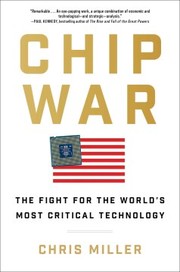
How chips became the key to economic and military power, made in a few chokepoints.
Recommended by: Andrew Wilkinson
Nvidia from its 1993 founding to the AI boom, from interviews with Jensen Huang.
The idea of personal computing and the people who pursued it, up to PARC.
Portraits of the scientists, engineers and founders behind new technology.
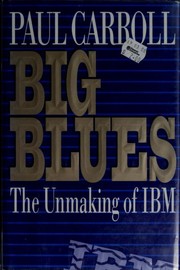
How IBM lost control of the PC industry to Microsoft, Intel and the clone makers.
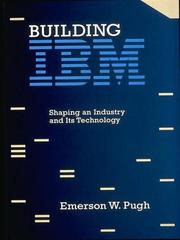
IBM's technical and organisational history up to the System/360 computers.
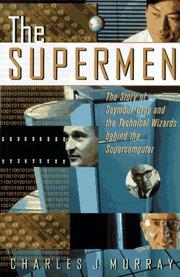
Seymour Cray and the supercomputer business he built and lost
Recommended by: Sam Altman
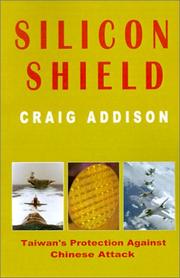
The argument that Taiwan's chip industry protects it from Chinese attack.
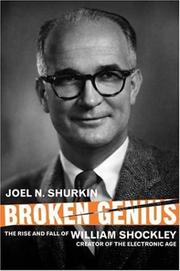
Shockley and the accidental seeding of Silicon Valley.
Recommended by: Bill Gates
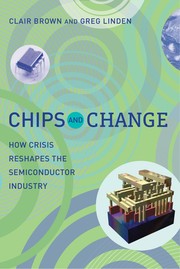
How the chip industry moved to contract manufacturing, and what changed with it.
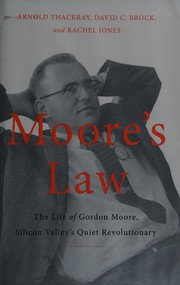
The life of Intel founder Gordon Moore and the forecast named after him.
Oral history; Thiel and the PayPal cohort speak in their own words.
Recommended by: Patrick Collison
Recommended by: Patrick Collison
Recommended by: Patrick Collison
How the IBM PC was built outside the normal organisation.
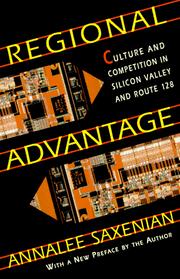
Recommended by: Patrick Collison, Kevin Kelly
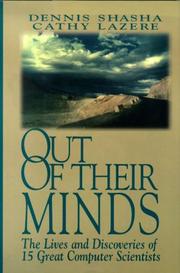
Profiles of 15 leading computer scientists, eight of them Turing Award winners.
Recommended by: Patrick Collison
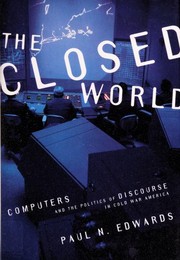
Recommended by: Patrick Collison
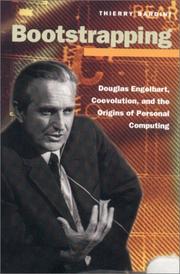
Recommended by: Patrick Collison
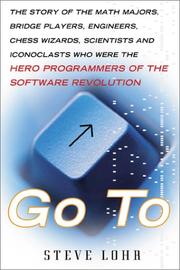
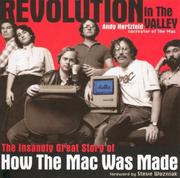
Recommended by: Keith Rabois, Patrick Collison
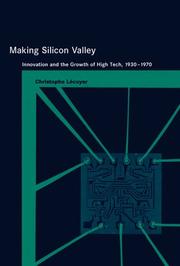
Recommended by: Patrick Collison
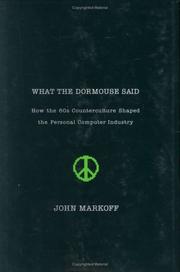
Recommended by: Patrick Collison, Bret Victor, Kevin Kelly
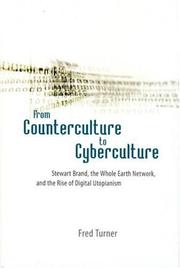
Recommended by: Patrick Collison
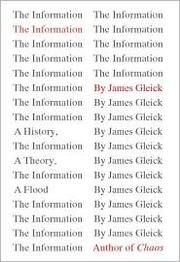
Recommended by: Marc Andreessen, Mark Zuckerberg and 2 others
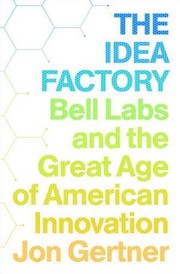
How Bell Labs turned research into the transistor, the laser and information theory.
Recommended by: Mohnish Pabrai, Mark Zuckerberg and 2 others
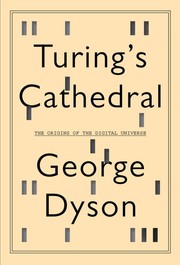
Recommended by: Patrick Collison
Recommended by: Patrick Collison
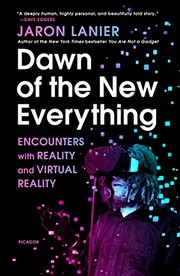
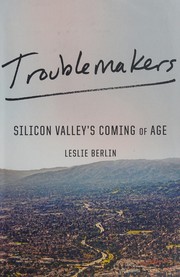
Recommended by: Aileen Lee, Austen Allred, Keith Rabois and 1 other
Recommended by: Patrick Collison
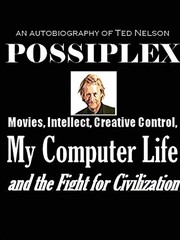
A computer pioneer's autobiography: his life in computing and fight for civilisation.
Recommended by: Patrick Collison
 Patrick Collisonrecommends 31 books here
 Mohnish Pabrairecommends 5 books here
 Marc Andreessenrecommends 4 books here
 Keith Raboisrecommends 4 books here
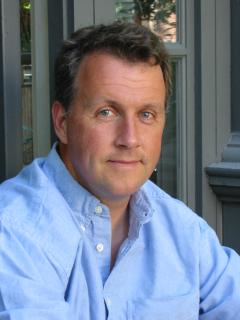 Paul Grahamrecommends 3 books here
 Sam Altmanrecommends 3 books here
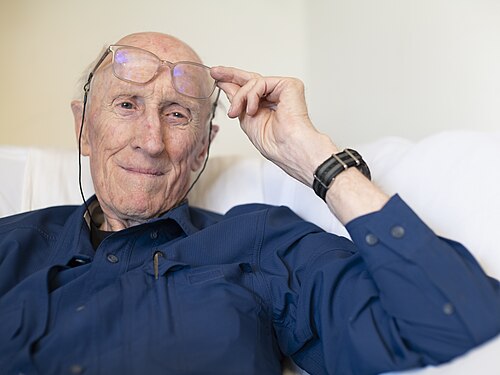 Stewart Brandrecommends 3 books here
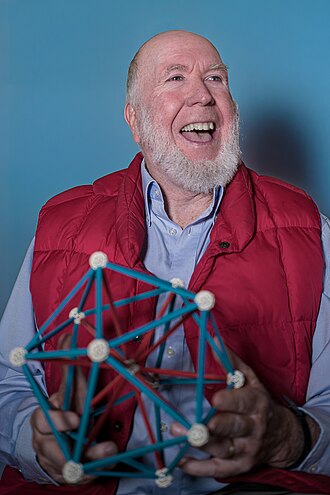 Kevin Kellyrecommends 2 books here
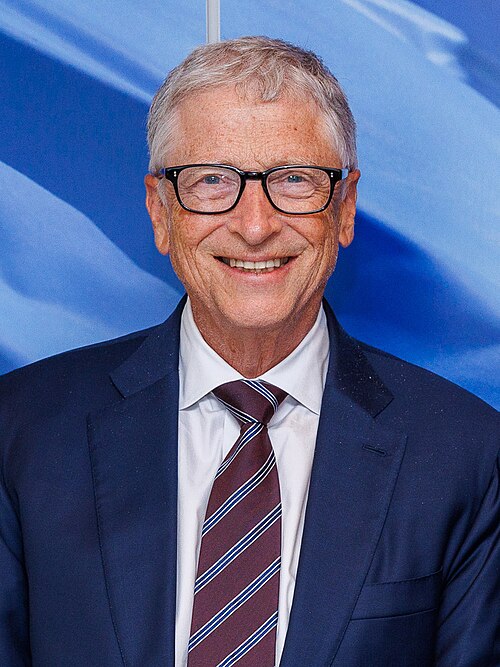 Bill Gatesrecommends 2 books here
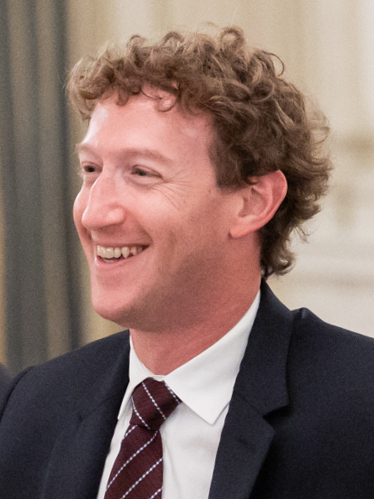 Mark Zuckerbergrecommends 2 books here
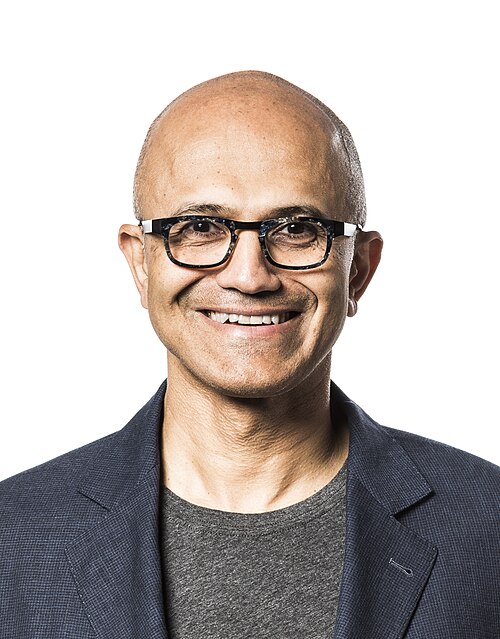 Satya Nadellarecommends 2 books here
Show all 26
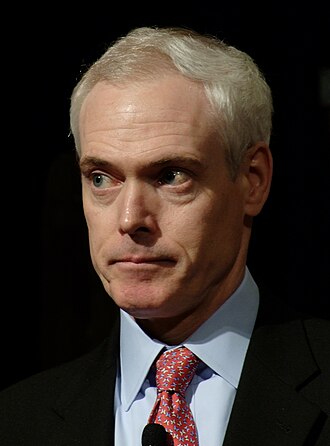 Jim Collinsrecommends 1 book here
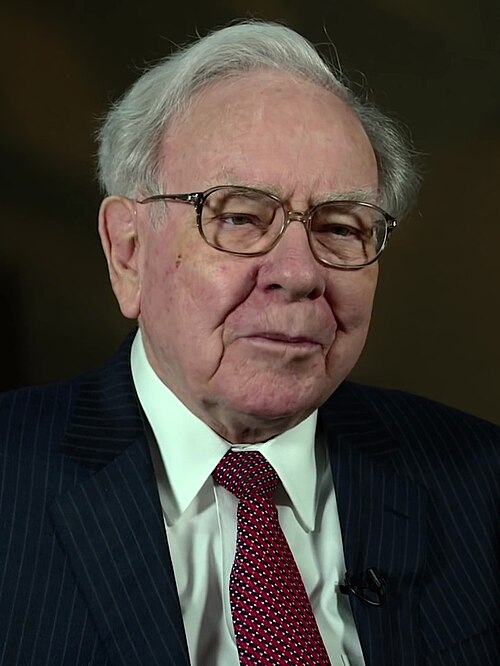 Warren Buffettrecommends 1 book here
 Brad Feldrecommends 1 book here
 Aileen Leerecommends 1 book here
 Bret Victorrecommends 1 book here
 Bryan Johnsonrecommends 1 book here
 Chris Dixonrecommends 1 book here
 Ev Williamsrecommends 1 book here
 Fred Wilsonrecommends 1 book here
 Jim O'Shaughnessyrecommends 1 book here
 Ron Conwayrecommends 1 book here
 Vinod Khoslarecommends 1 book here