Invention, engineering and energy
This niche holds histories of invention and industry, electricity and the grid, batteries and renewable power, materials, cars and railways, and engineering failures such as Chernobyl.
Start here
- The Path Between the SeasDavid McCullough, 1977
- Networks of PowerThomas P. Hughes, 1983
- Normal AccidentsCharles Perrow, 1984
- The Making of the Atomic BombRichard Rhodes, 1986
- Creating the Twentieth CenturyVaclav Smil, 2004
The building of the Panama Canal, from France's failed attempt to US completion.
Recommended by: Mohnish Pabrai, Bill Gates

Electrification in the US, Britain and Germany, 1880 to 1930, as a technical system.
Why complex, tightly coupled systems such as Three Mile Island will fail regardless.
How the bomb was built, from the discovery of atomic energy to Hiroshima.
Recommended by: Chris Dixon, Elon Musk, Patrick Collison

How inventions of 1867 to 1914, from electricity to cars, made the modern world.
Recommended by: Mohnish Pabrai, Bill Gates

How the diesel engine and the gas turbine made modern global trade possible.
Recommended by: Bill Gates, Mohnish Pabrai

How American manufacturing rose to lead the world, and why its share then fell.
Recommended by: Mohnish Pabrai
How much steel, cement and plastic the world uses, and whether growth needs less.
Recommended by: Bill Gates, Mohnish Pabrai
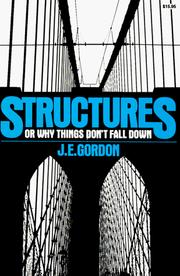
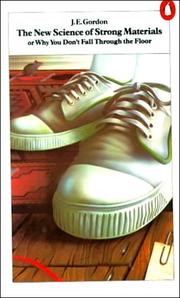
Why structures hold up or fail: tension, compression, shear and fracture explained.
Recommended by: Elon Musk

A catalogue reviewing over 1,500 tools and what each one is good for.
Recommended by: John Doerr

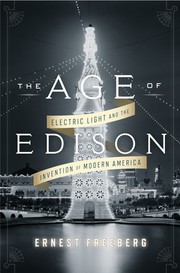
How Edison's electric light changed American life and marked a new age.
Recommended by: Alfred Lin, Patrick Collison
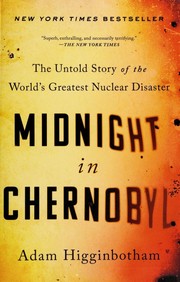
The 1986 Chernobyl disaster, and the secrecy and myth that hid what happened.
Recommended by: Casey Neistat

One USB charger followed from a factory in Vietnam by ship and truck to a door.

Tesla from its founding disputes through the Model 3 production crisis to 2020.

How the stirrup and the plough reorganised medieval society and economy
Recommended by: Patrick Collison, Paul Graham
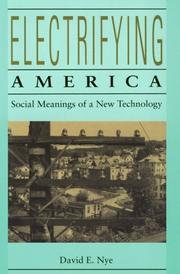
How electricity spread through everyday American life and commerce.

Nucor building a mini-mill at the bottom of the steel cycle.
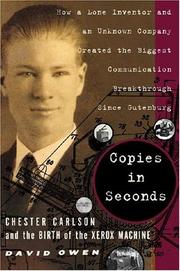
Chester Carlson and xerography, the invention that funded PARC.

How utility business models must change once regulated growth ends.
Why US railroads declined under regulation and recovered after the Staggers Act.
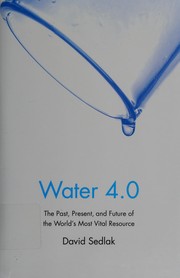
The engineering and capital replacement cycle of urban water systems.

Water technology as an export industry built from a domestic constraint.

How minor metals are mined, traded and hoarded.
The global race to build a better lithium-ion battery for electric cars.
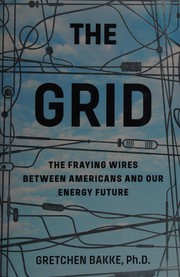


Why complex systems fail, from Volkswagen to Everest, and how to design against it.

The demand side: what full electrification of homes and vehicles requires.
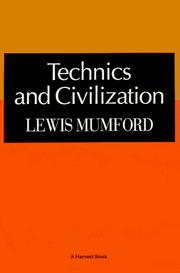
Recommended by: Patrick Collison


Recommended by: Nick Szabo


Recommended by: Patrick Collison


Recommended by: Patrick Collison, Marc Andreessen
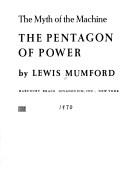
The forces that have shaped technology since prehistory and now shape modern people.
Recommended by: Patrick Collison

Recommended by: Bill Gates, Mohnish Pabrai
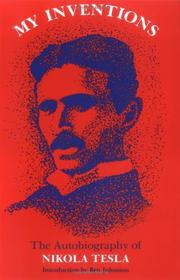
The inventor's own account of his life and work, the main source for his biographers.
Recommended by: Larry Page
Recommended by: Patrick Collison

Recommended by: Nick Szabo

Recommended by: Patrick Collison

Recommended by: Balaji S. Srinivasan

Recommended by: Mohnish Pabrai

Recommended by: Paul Graham

Recommended by: Mohnish Pabrai
Recommended by: Antonio García Martínez
Recommended by: Mohnish Pabrai
Recommended by: Mohnish Pabrai

Recommended by: Bryant Chou


Recommended by: Mohnish Pabrai

Recommended by: Patrick Collison

Recommended by: Mohnish Pabrai
Recommended by: Bill Gates, Mohnish Pabrai, Nick Szabo

Recommended by: Bill Gates

Recommended by: Mohnish Pabrai

Recommended by: Mohnish Pabrai

Tight narrative of the Model T years; the best short account.
Recommended by: Mohnish Pabrai
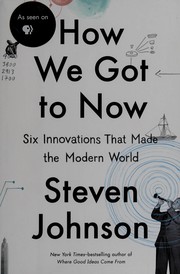
Recommended by: Mohnish Pabrai, Chris Dixon

The knowledge survivors would need to rebuild technological society after a collapse.
Recommended by: Patrick Collison, Balaji S. Srinivasan

The century-long race among automakers to build the car of the future.
Recommended by: Mohnish Pabrai
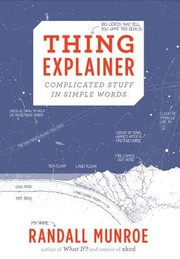
Recommended by: Bill Gates, Naval Ravikant


Institutional history of interconnection and who controls it.

Recommended by: Balaji S. Srinivasan, Patrick Collison

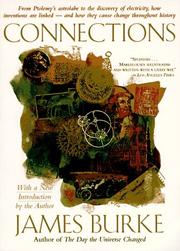


The coming of the machine age in Britain, 1660 to 1886, through eyewitness writings.
Recommended by: Sam Altman


 Mohnish Pabrairecommends 20 books here
 Patrick Collisonrecommends 15 books here
 Bill Gatesrecommends 13 books here
 Paul Grahamrecommends 4 books here
 Balaji S. Srinivasanrecommends 3 books here
 Marc Andreessenrecommends 2 books here
 Chris Dixonrecommends 2 books here
 Elon Muskrecommends 2 books here
 Brad Feldrecommends 1 book here
 John Doerrrecommends 1 book here
 Ryan Holidayrecommends 1 book here
Show all 24
 Alfred Linrecommends 1 book here
 Antonio García Martínezrecommends 1 book here
 Astro Tellerrecommends 1 book here
 Casey Neistatrecommends 1 book here
 Jack Marecommends 1 book here
 Larry Pagerecommends 1 book here
 Naval Ravikantrecommends 1 book here
 Sam Altmanrecommends 1 book here