
Vaclav Smil
Czech-Canadian scientist and policy analyst whose research spans energy, environment, food, population, economics and history, including China's energy and food affairs.
 University of Manitoba
Each book counts the physical inputs an economy consumes - joules, tonnes of steel, ammonia, cement - and establishes the historical rates at which past energy transitions actually moved. Those numbers let an investor size decarbonisation timelines and test claims about how fast an energy system can be rebuilt.
22 books of their own · 30 articles
Start here
- Energy and CivilizationVaclav Smil, 2017
- How the World Really WorksVaclav Smil, 2022
- Energy TransitionsVaclav Smil, 2010
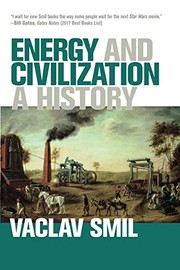
History told through energy, from muscle and fire to coal, oil and electricity.
Recommended by: Balaji S. Srinivasan, Bill Gates and 1 other
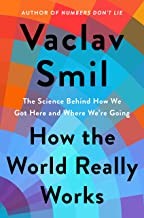
The physical basics of modern life: energy, food, materials and globalisation.
Recommended by: Bill Gates
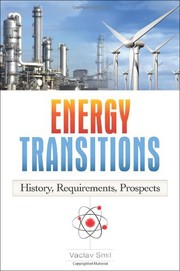
Each shift from wood to coal to oil took 50 to 70 years; new ones will be slow too.
Recommended by: Bill Gates

How organisms, populations, machines, economies and civilisations grow, and stop.
Recommended by: Bill Gates
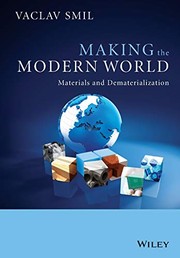
How much steel, cement and plastic the world uses, and whether growth needs less.
Recommended by: Bill Gates, Mohnish Pabrai

Seventy-one short pieces that correct common impressions with plain arithmetic.
Recommended by: Bill Gates, Mark Zuckerberg and 1 other

A short primer on energy: its forms, units and role in nature and economies.
Recommended by: Bill Gates, Mark Zuckerberg
A short technical primer on oil: geology, extraction, refining, uses and reserves.
Recommended by: Mohnish Pabrai

How the diesel engine and the gas turbine made modern global trade possible.
Recommended by: Bill Gates, Mohnish Pabrai

How inventions of 1867 to 1914, from electricity to cars, made the modern world.
Recommended by: Mohnish Pabrai, Bill Gates

How Haber and Bosch's ammonia synthesis transformed world food production.
Recommended by: Mohnish Pabrai, Bill Gates

How American manufacturing rose to lead the world, and why its share then fell.
Recommended by: Mohnish Pabrai
Meat in human evolution and modern farming, and the costs of heavy meat-eating.
Recommended by: Bill Gates, Mohnish Pabrai

Tests the popular comparison of America with ancient Rome and finds deep differences.
Recommended by: Bill Gates, Mohnish Pabrai



 Energy and Civilization | History told through energy, from muscle and fire to coal, oil and electricity. | 2017 | T1 | Balaji S. Srinivasan, Bill Gates, Nat Eliason |
 How the World Really Works | The physical basics of modern life: energy, food, materials and globalisation. | 2022 | T1 | Bill Gates |
 Energy Transitions | Each shift from wood to coal to oil took 50 to 70 years; new ones will be slow too. | 2010 | T1 | Bill Gates |
 Growth | How organisms, populations, machines, economies and civilisations grow, and stop. | 2019 | T1 | Bill Gates |
 Making the Modern World: Materials and Dematerialization | How much steel, cement and plastic the world uses, and whether growth needs less. | 2013 | T1 | Bill Gates, Mohnish Pabrai |
 Numbers Don't Lie | Seventy-one short pieces that correct common impressions with plain arithmetic. | 2020 | T1 | Bill Gates, Mark Zuckerberg, Terrance McArthur |
 Energy: A Beginner's Guide | A short primer on energy: its forms, units and role in nature and economies. | 2006 | T1 | Bill Gates, Mark Zuckerberg |
 Oil: A Beginner's Guide | A short technical primer on oil: geology, extraction, refining, uses and reserves. | 2008 | T1 | Mohnish Pabrai |
 Prime Movers of Globalization | How the diesel engine and the gas turbine made modern global trade possible. | 2010 | T1 | Bill Gates, Mohnish Pabrai |
 Creating the Twentieth Century | How inventions of 1867 to 1914, from electricity to cars, made the modern world. | 2004 | T1 | Mohnish Pabrai, Bill Gates |
 Enriching the Earth | How Haber and Bosch's ammonia synthesis transformed world food production. | 2001 | T1 | Mohnish Pabrai, Bill Gates |
 Made in the USA: The Rise and Retreat of American Manufacturing | How American manufacturing rose to lead the world, and why its share then fell. | 2013 | T1 | Mohnish Pabrai |
 Should We Eat Meat? | Meat in human evolution and modern farming, and the costs of heavy meat-eating. | 2013 | T1 | Bill Gates, Mohnish Pabrai |
 Why America Is Not a New Rome | Tests the popular comparison of America with ancient Rome and finds deep differences. | 2010 | T1 | Bill Gates, Mohnish Pabrai |
 Energies | – | 1998 | Bill Gates | |
 Energy at the Crossroads | – | 2003 | Bill Gates | |
 Energy Myths and Realities | – | 2010 | Bill Gates | |
 Global Catastrophes and Trends | – | 2008 | Bill Gates | |
| Harvesting the Biosphere | – | 2013 | Bill Gates | |
 How to Feed the World | – | Bill Gates | ||
 Invention and Innovation | – | Bill Gates | ||
 The Earth's Biosphere | – | 2002 | Bill Gates |
| Vaclav Smil and the Value of Doubt Paywall | The New Yorker | 2024 |
| This Eminent Scientist Says Climate Activists Need to Get Real Paywall | The New York Times | 2022 |