Invention, engineering and space
Books on how inventions and research labs come about, on materials, flight, rockets and spaceflight, and on future technologies.
Start here
- Structures: Or Why Things Don't Fall DownJ. E. Gordon, 1981
- Crystal FireMichael Riordan, Lillian Hoddeson, 1997
- The Rational Optimist: How Prosperity EvolvesMatt Ridley, 2010
- How Innovation WorksMatt Ridley, 2020
- Genius MakersCade Metz, 2021
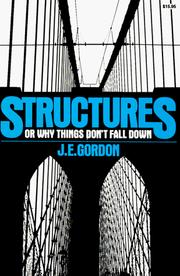
Why structures hold up or fail: tension, compression, shear and fracture explained.
Recommended by: Elon Musk
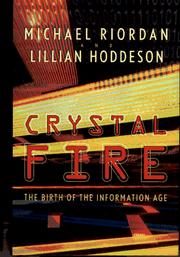
How the Bell Labs team of Shockley, Bardeen and Brattain invented the transistor.
Recommended by: Patrick Collison

Prosperity grows as trade and specialisation let ideas meet and combine.
“…books I've recommended, highlighted to death, or forced on friends.” — Andrew Wilkinson
Source: Andrew Wilkinson's Bookshelf, neverenough.com
Recommended by: Andrew Wilkinson, Bill Gates, Frank Martin and 10 others

Innovation is gradual, collective and bottom-up, not the work of lone inventors.
“It's a must-read for entrepreneurs and government officials who want to either be innovative themselves or foster innovation.” — Naval Ravikant
Source: Nav.al — 'Matt Ridley: How Innovation Works, Part 2'
Recommended by: Naval Ravikant, Balaji S. Srinivasan

How Hinton, LeCun and Bengio kept neural networks alive until deep learning took off.


Recommended by: Bill Gates, Mohnish Pabrai

Recommended by: Patrick O'Shaughnessy, Richard Branson and 2 others
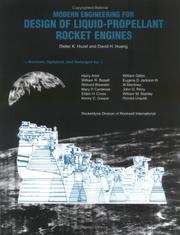
The engineering design of liquid-propellant rocket engines, with 470 illustrations.
Recommended by: Elon Musk

Recommended by: Patrick Collison, Bret Victor, Keith Rabois

Recommended by: Patrick Collison
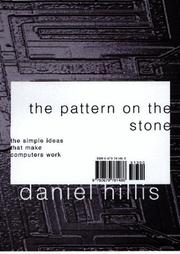
Recommended by: Stewart Brand

Recommended by: Balaji S. Srinivasan

The chief engineer on designing, building, testing and flying the lunar module.
Recommended by: Patrick Collison


Recommended by: Patrick Collison, Bret Victor


Recommended by: Mohnish Pabrai
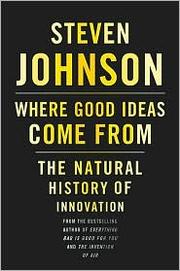
Seven patterns, such as the adjacent possible, in the settings that produce ideas.
Recommended by: Andrew Wilkinson, Bill Gates, Mohnish Pabrai and 3 others

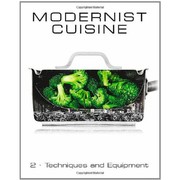
Science-inspired cooking techniques of modern gastronomy, across six volumes.
Recommended by: Bill Gates
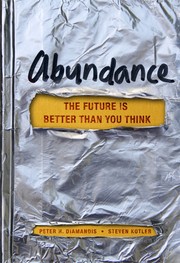
The case that fast-improving technology will make scarce resources cheap.
Recommended by: Bill Gates, Morgan Housel, Richard Branson and 2 others

Recommended by: Patrick Collison

How Bell Labs turned research into the transistor, the laser and information theory.
Recommended by: Mohnish Pabrai, Mark Zuckerberg and 2 others

Recommended by: Satya Nadella
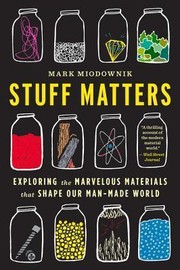
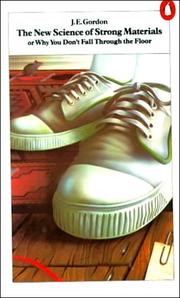
Why glass is clear and paperclips bend: the science of everyday materials.
Recommended by: Bill Gates, Patrick Collison

The knowledge survivors would need to rebuild technological society after a collapse.
Recommended by: Patrick Collison, Balaji S. Srinivasan
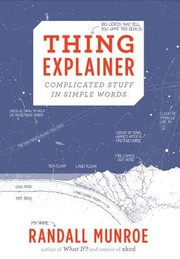
Recommended by: Bill Gates, Naval Ravikant
Recommended by: Patrick Collison


Why organisations kill breakthrough projects, and how structure can protect them.
Recommended by: Arianna Huffington, Bill Gates and 8 others


Recommended by: Keith Rabois, Susan Cain


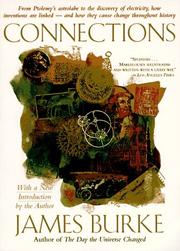


 Matt Ridleywrote 2 books here
 Vaclav Smilwrote 1 book here
 Peter Diamandiswrote 1 book here
 Patrick Collisonrecommends 19 books here
 Bill Gatesrecommends 11 books here
 Mohnish Pabrairecommends 5 books here
 Balaji S. Srinivasanrecommends 4 books here
 Elon Muskrecommends 4 books here
 Keith Raboisrecommends 4 books here
 Naval Ravikantrecommends 3 books here
 Richard Bransonrecommends 3 books here
 Bret Victorrecommends 2 books here
 Mark Zuckerbergrecommends 2 books here
Show all 38
 Stewart Brandrecommends 2 books here
 Susan Cainrecommends 2 books here
 Tim Ferrissrecommends 2 books here
 Daniel Kahnemanrecommends 1 book here
 Marc Andreessenrecommends 1 book here
 Paul Grahamrecommends 1 book here
 Peter Thielrecommends 1 book here
 Alfred Linrecommends 1 book here
 Arianna Huffingtonrecommends 1 book here
 Changpeng Zhaorecommends 1 book here
 James Altucherrecommends 1 book here
 John Arnoldrecommends 1 book here
 Ron Conwayrecommends 1 book here
 Satya Nadellarecommends 1 book here
 Steve Jurvetsonrecommends 1 book here
 Tony Hsiehrecommends 1 book here
 Vinod Khoslarecommends 1 book here