The Rational Walk
Investing website started in February 2009; its writing now goes out mainly by email through the Rational Reflections newsletter, which began as a list of links to other writers' work.
100 articles · 25 books they recommend
More 8
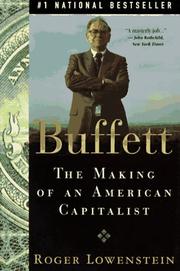
Buffett's life from Omaha and Graham's class to building Berkshire Hathaway.
Also recommended by: Andrew Wilkinson, Christopher Bloomstran and 11 others
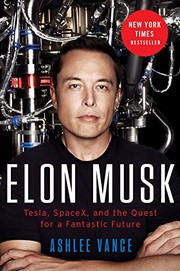
Musk's life from South Africa and PayPal to running SpaceX and Tesla at once.
Also recommended by: Mohnish Pabrai, Anthony Pompliano and 9 others
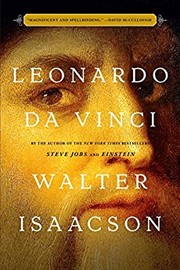
Leonardo's life read through his notebooks, where art and science were one pursuit.
Also recommended by: Bill Gates, Austen Allred, Daniel Petre and 6 others
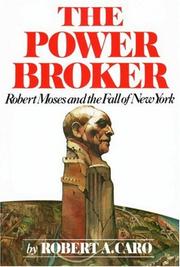
How an unelected official amassed power and used it to rebuild New York.
Also recommended by: Balaji S. Srinivasan, Jim Collins and 7 others
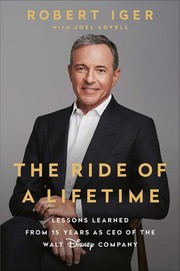
Running Disney and buying Pixar, Marvel, Lucasfilm and Fox to add creative talent.
Also recommended by: Bill Gates, Alexis Ohanian, Ali Abdaal and 7 others
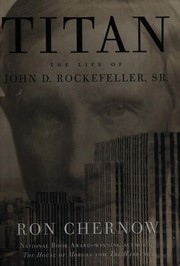
How Rockefeller built Standard Oil, faced its breakup and gave his fortune away.
Also recommended by: Andrew Wilkinson, Charlie Munger and 11 others
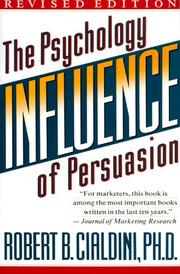
Six principles of compliance, from reciprocity to scarcity, and how sellers use them.
Also recommended by: Andrew Wilkinson, Charlie Munger and 28 others
Life in Nazi concentration camps, and logotherapy: finding meaning to survive.
Also recommended by: Frank Martin, Mohnish Pabrai, Nat Eliason and 23 others
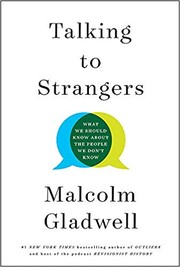
Also recommended by: Melinda Gates, Patrick Bet-David
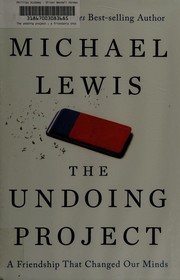
Michael Lewis's account of the Kahneman-Tversky collaboration works as intellectual biography and as a second path through the research for readers who find academic writing slow. The friendship and its eventual fracture clarifies how two very different minds produced work that neither could have done alone.
Also recommended by: Andrew Wilkinson, Mohnish Pabrai, Ray Dalio and 5 others
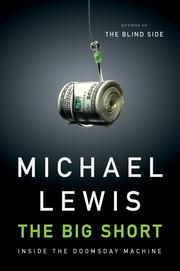
The few investors who saw subprime mortgage bonds would fail, and bet against them.
Also recommended by: Mohnish Pabrai and 4 others
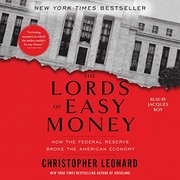
Quantitative easing told through Thomas Hoenig's dissents.
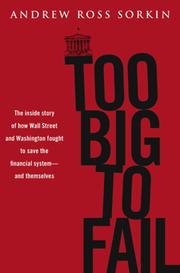
Inside the meetings of bankers and regulators during the 2008 financial crisis.
Also recommended by: Mohnish Pabrai, Bill Gates, Max Levchin
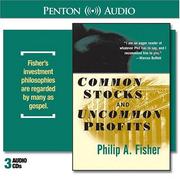
Buy a few outstanding growth companies, research them by scuttlebutt, and hold.
Also recommended by: Arnold Van Den Berg, Bill Stewart and 9 others
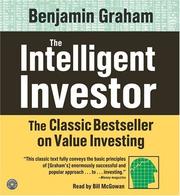
Treat stocks as parts of businesses and buy only with a margin of safety.
Also recommended by: Benjamin Graham, Christopher Bloomstran and 26 others
Why Wall Street grows rich on fees while its clients' results stay ordinary.
Also recommended by: Mohnish Pabrai, Nick Sleep, Warren Buffett and 3 others
Also recommended by: Ana Fabrega, Chamath Palihapitiya, Jenny Chu and 1 other
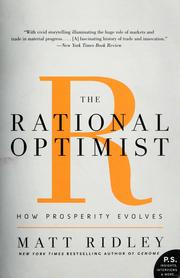
Prosperity grows as trade and specialisation let ideas meet and combine.
Also recommended by: Andrew Wilkinson, Bill Gates, Frank Martin and 9 others

A method for reading hard books for understanding, not just information.
Also recommended by: Mohnish Pabrai, Alex and Books and 2 others
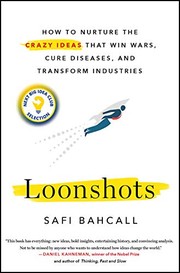
Why organisations kill breakthrough projects, and how structure can protect them.
Also recommended by: Arianna Huffington, Bill Gates and 7 others

Also recommended by: Mohnish Pabrai, Nat Eliason, Daniel Ek and 8 others
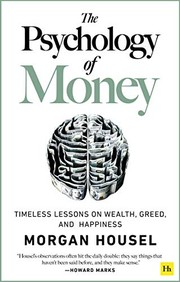
Twenty short essays on why behaviour matters more than knowledge with money.
Also recommended by: Andrew Wilkinson, Nat Eliason, Ali Abdaal and 9 others
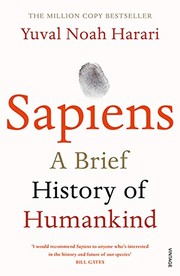
How shared fictions such as money, nations and gods let humans cooperate at scale.
Also recommended by: Andrew Wilkinson, Bill Gates, Mohnish Pabrai and 37 others
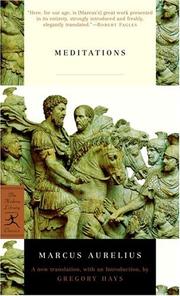
A Roman emperor's private notes reminding himself to live by Stoic principles.
Also recommended by: Mohnish Pabrai, Nat Eliason, Naval Ravikant and 16 others
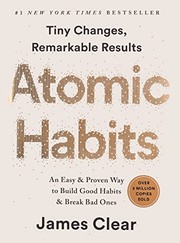
Build habits by making them obvious, attractive, easy and satisfying.
Also recommended by: Ali Abdaal, Balaji S. Srinivasan and 20 others
| Buffett Completes Succession Plan | The Rational Walk | 2026-09-18 |
| Greg Abel’s 2026 Letter to Shareholders | The Rational Walk | 2026-03-02 |
| Greg Abel’s Unique Challenge | The Rational Walk | 2025-12-31 |
| Warren Buffett’s Thanksgiving Letter | The Rational Walk | 2025-11-11 |
| Daily Journal Accused of Incorrect Accounting | The Rational Walk | 2025-07-29 |
| What I’ve Been Reading | The Rational Walk | 2025-07-11 |
| Greg Abel Steps into the Spotlight | The Rational Walk | 2025-05-19 |
| Warren Buffett’s Final Brushstrokes | The Rational Walk | 2025-05-05 |
| Berkshire Hathaway’s Diamond Anniversary | The Rational Walk | 2025-04-30 |
| Writing in Private | The Rational Walk | 2025-04-14 |
| Warren Buffett’s Thoughts on Trade in 2003 | The Rational Walk | 2025-04-07 |
| What I’ve Been Reading | The Rational Walk | 2025-04-03 |
| Berkshire Hathaway’s 2025 Proxy Statement | The Rational Walk | 2025-03-15 |
| Buffett & Munger Unscripted | The Rational Walk | 2025-03-14 |
| Warren Buffett on Berkshire’s Valuation | The Rational Walk | 2025-03-03 |
| Berkshire Hathaway’s 2024 Annual Report | The Rational Walk | 2025-02-26 |
| Berkshire Hathaway’s Culture in 2050 | The Rational Walk | 2025-02-21 |
| Staying the Course | The Rational Walk | 2025-02-14 |
| Primary Sources | The Rational Walk | 2025-02-11 |
| A Quarter Century of Investing | The Rational Walk | 2025-01-06 |
| What I’ve Been Reading | The Rational Walk | 2024-12-26 |
| The Cost of Corporate Security | The Rational Walk | 2024-12-09 |
| The Digest #227 | The Rational Walk | 2024-12-05 |
| The Digest #226 | The Rational Walk | 2024-11-26 |
| The Digest #225 | The Rational Walk | 2024-11-18 |
| The Digest #224 | The Rational Walk | 2024-11-15 |
| The Digest #223 | The Rational Walk | 2024-11-08 |
| The Digest #222 | The Rational Walk | 2024-11-04 |
| Stepping into the River | The Rational Walk | 2024-11-01 |
| The Digest #221 | The Rational Walk | 2024-10-30 |
| The Digest #220 | The Rational Walk | 2024-10-22 |
| The Digest #219 | The Rational Walk | 2024-10-15 |
| Roth IRA Conversions For Early Retirees | The Rational Walk | 2024-10-09 |
| The Digest #218 | The Rational Walk | 2024-10-07 |
| What I’ve Been Reading | The Rational Walk | 2024-10-05 |
| The Digest #217 | The Rational Walk | 2024-10-01 |
| Berkshire Hathaway Acquires BHE Minority Interests | The Rational Walk | 2024-10-01 |
| Measuring Competence | The Rational Walk | 2024-09-30 |
| The Digest #216 | The Rational Walk | 2024-09-24 |
| The Theban Plays | The Rational Walk | 2024-09-23 |
| Just Hold the Goddamn Stock! | The Rational Walk | 2024-09-21 |
| The Digest #215 | The Rational Walk | 2024-09-18 |
| The Digest #214 | The Rational Walk | 2024-09-11 |
| The Digest #213 | The Rational Walk | 2024-09-05 |
| The Digest #212 | The Rational Walk | 2024-08-29 |
| The Digest #211 | The Rational Walk | 2024-08-22 |
| Thucydides | The Rational Walk | 2024-08-16 |
| The Digest #210 | The Rational Walk | 2024-08-15 |
| The Digest #209 | The Rational Walk | 2024-08-08 |
| The Digest #208 | The Rational Walk | 2024-07-24 |
| The Digest #207 | The Rational Walk | 2024-07-18 |
| Herodotus | The Rational Walk | 2024-07-17 |
| Claim Checks | The Rational Walk | 2024-07-16 |
| The Digest #206 | The Rational Walk | 2024-07-10 |
| The Limits of the 25th Amendment | The Rational Walk | 2024-07-06 |
| The Digest #205 | The Rational Walk | 2024-07-03 |
| What I’ve Been Reading | The Rational Walk | 2024-07-02 |
| The Magic of Compounding | The Rational Walk | 2024-06-30 |
| Warren Buffett’s Evolving Estate Plan | The Rational Walk | 2024-06-28 |
| The Digest #204 | The Rational Walk | 2024-06-19 |
| Daily Journal Annual Meeting Notes | The Rational Walk | 2024-06-17 |
| The Digest #203 | The Rational Walk | 2024-06-12 |
| Prometheus Bound | The Rational Walk | 2024-06-09 |
| American Scripture | The Rational Walk | 2024-06-08 |
| The Other Side of the Trade | The Rational Walk | 2024-06-06 |
| The Digest #202 | The Rational Walk | 2024-06-05 |
| The Digest #201 | The Rational Walk | 2024-05-29 |
| The Oresteia | The Rational Walk | 2024-05-29 |
| Daily Journal: The Canary in the Coal Mine? | The Rational Walk | 2024-05-25 |
| The Digest #200 | The Rational Walk | 2024-05-22 |
| Thomas Jefferson’s Advice to His Nephew | The Rational Walk | 2024-05-18 |
| The Digest #199 | The Rational Walk | 2024-05-17 |
| Hesiod’s Works and Days | The Rational Walk | 2024-05-14 |
| The Digest #198 | The Rational Walk | 2024-05-13 |
| Apple’s Dystopian iPad Video | The Rational Walk | 2024-05-08 |
| The Odyssey | The Rational Walk | 2024-05-07 |
| Berkshire Hathaway’s 2024 Q&A Session | The Rational Walk | 2024-05-04 |
| In the Zone | The Rational Walk | 2024-05-03 |
| The Dividend Signal | The Rational Walk | 2024-04-26 |
| Free Articles! | The Rational Walk | 2024-04-17 |
| Paid Subscriptions | The Rational Walk | 2024-04-15 |
| Progressive is Firing on All Cylinders | The Rational Walk | 2024-04-13 |
| The Digest #197 | The Rational Walk | 2024-04-10 |
| Berkshire Hathaway Annual Meeting Questions | The Rational Walk | 2024-04-08 |
| The Iliad | The Rational Walk | 2024-04-05 |
| What I’ve Been Reading | The Rational Walk | 2024-04-04 |
| The Digest #196 | The Rational Walk | 2024-04-03 |
| Poor Charlie’s Almanack | The Rational Walk | 2024-03-29 |
| The Digest #195 | The Rational Walk | 2024-03-27 |
| Improving Disclosure for Public Companies | The Rational Walk | 2024-03-25 |
| Berkshire Hathaway HomeServices | The Rational Walk | 2024-03-23 |
| Inflation Expectations | The Rational Walk | 2024-03-22 |
| The Digest #194 | The Rational Walk | 2024-03-20 |
| Berkshire Hathaway’s 2024 Proxy Statement | The Rational Walk | 2024-03-18 |
| Real Estate Adventures | The Rational Walk | 2024-03-16 |
| Berkshire Hathaway Energy’s Uncertain Future | The Rational Walk | 2024-03-15 |
| The Digest #193 | The Rational Walk | 2024-03-13 |
| Burlington Northern Santa Fe — 2023 Results | The Rational Walk | 2024-03-09 |
| The Digest #192 | The Rational Walk | 2024-03-06 |
| Progressive vs. GEICO: 2023 Results | The Rational Walk | 2024-03-05 |