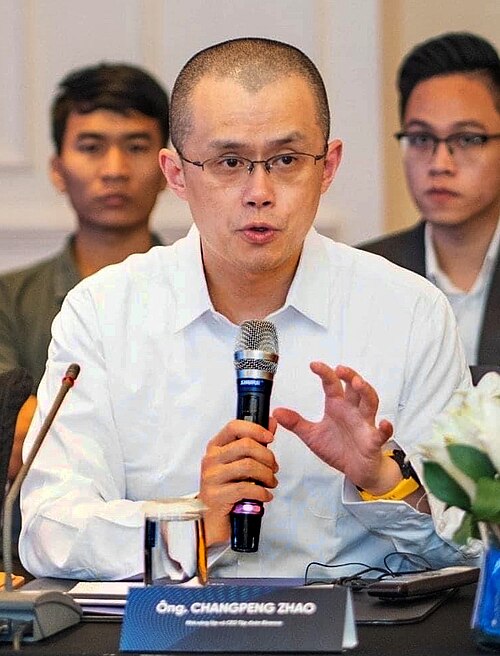
Changpeng Zhao
Co-founded the cryptocurrency exchange Binance and ran it as CEO from 2017 to 2023; earlier CTO of OKCoin. Forbes estimated his net worth at $111.1 billion in April 2026.
 Binance
17 books they recommend · 5 appearances
More 5
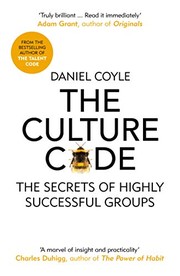
Coyle examines high-performing groups — SEAL teams, Pixar, the San Antonio Spurs — to identify the three skills that build strong cultures: building safety, sharing vulnerability, and establishing purpose. The research is descriptive rather than prescriptive, which makes it more credible than most culture books.
Also recommended by: David Cancel, George Hatzis, Graham Duncan and 1 other
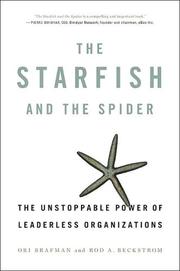
Leaderless organisations, from Alcoholics Anonymous to file sharing, and their power.
Also recommended by: Mohnish Pabrai, Simon Sinek
Insider account of Google's people operations by its SVP of HR.
Also recommended by: Mohnish Pabrai, David Cancel, John Doerr and 1 other
When and how to put speed before efficiency to capture a market before rivals.
Also recommended by: Anthony Pompliano, Bill Gates, Biz Stone and 6 others
Why organisations kill breakthrough projects, and how structure can protect them.
Also recommended by: Arianna Huffington, Bill Gates and 7 others
Insider account of restructuring JSOC for speed of decision.
Also recommended by: Patrick Collison, Doug McMillon
Organisational health, clarity and cohesion, matters more than strategy or smarts.
Also recommended by: David Cancel
Incerto volume 4
Also recommended by: Mohnish Pabrai, Nat Eliason and 24 others
Incerto volume 5
Also recommended by: Nat Eliason, Ana Fabrega, Ben Horowitz and 11 others

Why tech products stall between early adopters and the mainstream, and how to cross.
Also recommended by: Andrew Wilkinson, Mohnish Pabrai and 12 others
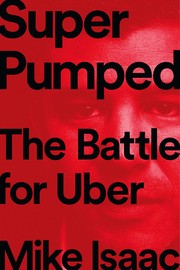
How Uber grew on subsidies and aggression until its founder was pushed out in 2017.
Also recommended by: Alexis Ohanian, Andrew Wilkinson, Anna Cheng and 2 others
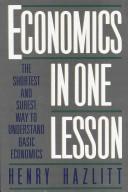
Hazlitt's 1946 distillation of Bastiat's 'broken window' insight: good economic reasoning requires seeing both what is visible and what is made invisible by a policy. A short book that teaches a single analytical habit, and that habit is genuinely useful regardless of your politics.
Also recommended by: Christopher Bloomstran, Marc Andreessen and 2 others
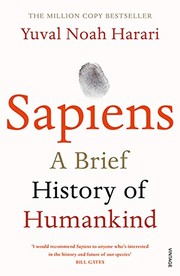
How shared fictions such as money, nations and gods let humans cooperate at scale.
Also recommended by: Andrew Wilkinson, Bill Gates, Mohnish Pabrai and 37 others
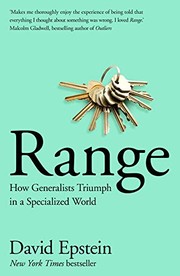
Early specialisation works only where rules are stable; elsewhere breadth wins.
Also recommended by: Bill Gates, Abi Tyas Tunggal, Alex Lieberman and 10 others
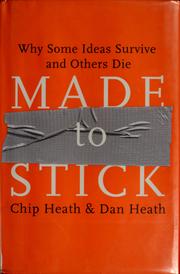
Six traits of memorable ideas, from simple and unexpected to emotional stories.
Also recommended by: Andrew Wilkinson, Mohnish Pabrai and 9 others
| From Binance To Beyond: CZ Predicts Crypto’s Next Phase | FYI - For Your Innovation | 2026-05-07 |
| Binance CEO Changpeng Zhao discusses cryptocurrency benefits, risks, and regulations | What's Next with Aki Anastasiou | 2022-08-16 |
| Binance CEO Changpeng Zhao on Forbes Investment, Disney’s Results Beat the Street & Sonos CEO Patrick Spence Breaks Down Earnings | TechCheck | 2022-02-10 |
| Changpeng Zhao: The Meteoric Rise of Crypto Exchange Binance | Epicenter - Learn about Crypto, Blockchain, Ethereum, Bitcoin and Distributed Technologies | 2018-05-16 |
| CZ's biggest prediction has nothing to do with Bitcoin | Yahoo Finance |
| Inside a Billionaire's Paradise With Crypto's Most Powerful Ex-Convict Paywall | The New York Times | 2026 |