Technology and society
This niche holds books on what computers, media and the internet do to people, politics and war, from McLuhan and Postman to social media critics, futurists, surveillance and cyber conflict.
Start here
- Out of ControlKevin Kelly, 1994
- What Technology WantsKevin Kelly, 2010
- Average Is OverTyler Cowen, 2013
- The New Digital AgeEric Schmidt, Jonathan Rosenberg, 2013
- The InevitableKevin Kelly, 2016

How machines and economies grow so complex that they behave like living systems.
Recommended by: Cynthia Johnson, Ev Williams and 1 other
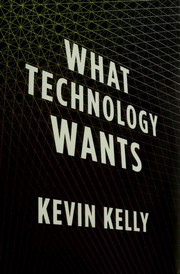
How humanity and technology together keep widening the opportunities open to people.
Recommended by: Patrick Collison, Stewart Brand, Nir Eyal
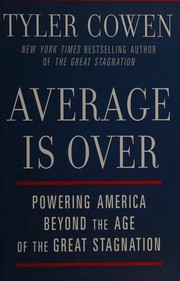
Work is splitting between those who work well with smart machines and the rest.
“Tyler Cowen... dedicates a chapter to freestyle chess in his terrific book, Average Is Over.” — Michael Mauboussin
Source: Lessons from Freestyle Chess: Merging Fundamental and Quantitative Analysis (Credit Suisse)
Recommended by: Michael Mauboussin, Ryan Holiday

A forecast of a hugely connected future world, with its challenges and benefits.
Recommended by: Mohnish Pabrai, Michael Bloomberg
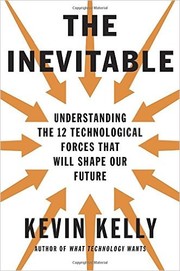
The technology trends that will reshape daily life over the next thirty years.
Recommended by: Nat Eliason, Patrick Collison, Alfred Lin and 1 other

Why the platform mattered politically, and what that cost it.

Why the US buys military power wrongly, and the case for cheap autonomous systems.
Recommended by: Palmer Luckey

How trade and payment chokepoints became instruments of state coercion.
Insider manifesto by Palantir's CEO on tech and national power.
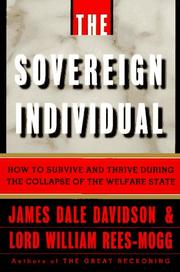
1997 forecast of digital money weakening the nation state
Recommended by: Balaji S. Srinivasan, Nat Eliason and 11 others

Environmentalist case for nuclear power, dense cities and genetic engineering
“on why even environmentalists should be pro building, pro cities, pro nuclear, and pro genetic engineering” — Marc Andreessen
Source: @pmarca, companion thread to 'It's Time to Build'
Recommended by: Marc Andreessen, Jack Dorsey and 2 others
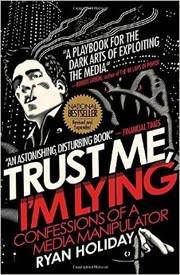
Recommended by: Ryan Holiday, Chase Jarvis, Raoul Pal
The pay-TV smartcard hacking operation; the strangest corner of the empire.

Power in a networked age; connection as the source of advantage
Recommended by: Reid Hoffman

How Israel's military tech, from drones to cyber, feeds its commercial industry.

Insider account by Microsoft's president on tech policy and regulation.
Recommended by: Bill Gates, Reed Hastings, Reid Hoffman and 1 other

Argument that online communities can become sovereign; crypto-native politics
Recommended by: Balaji S. Srinivasan, Brian Armstrong and 4 others

Insiders on Pentagon-Valley contracting where Palantir won

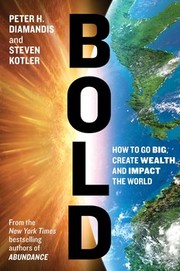
How to use prize competitions, crowdfunding and communities to go big.
Recommended by: Nat Eliason, James Altucher, Tom Bilyeu

Recommended by: Patrick Collison

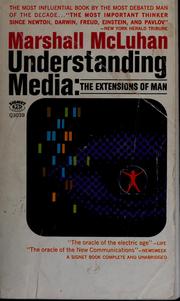
Recommended by: Patrick Collison, David Perell


Recommended by: Patrick Collison

A forecast of vast software models that mirror the real world and change society.
Recommended by: Patrick Collison

How a culture hands its judgement to machines, statistics and technical experts.
Recommended by: Patrick Collison, Tristan Harris
Alternating fiction and essay, a rewrite of Nineteen Eighty-Four with a new ending.
Recommended by: Mark Zuckerberg
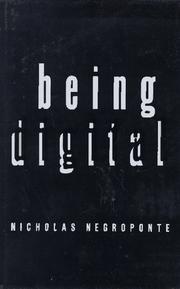


Recommended by: Ev Williams


How the internet let amateurs topple old professions such as lawyers and stock gurus.
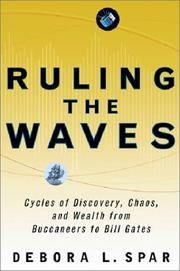
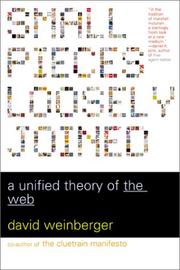
Recommended by: Ev Williams


Recommended by: Patrick Collison, Mike Maples, Jr.


Recommended by: Patrick Collison

Recommended by: Jack Ma, John Maeda, Ryan Holiday

Recommended by: Patrick Collison, Bret Victor
The long-run trends set to reshape economies and markets over the coming decades.

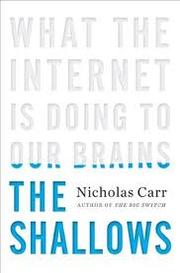


Recommended by: Ev Williams, Ryan Holiday


Recommended by: Patrick Collison
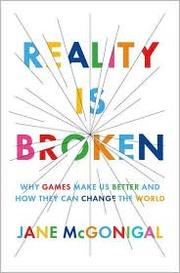
How the problem-solving and teamwork of games could solve real-world problems.
Recommended by: Mohnish Pabrai

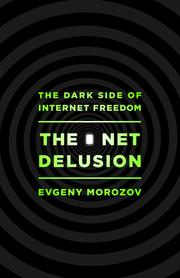
How the internet changed politics and economies in Iran, Estonia, Korea and Senegal.
Recommended by: Patrick Collison, Balaji S. Srinivasan
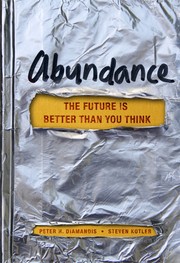
The case that fast-improving technology will make scarce resources cheap.
Recommended by: Bill Gates, Morgan Housel, Richard Branson and 2 others

Recommended by: Patrick Collison
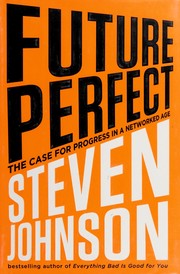
Recommended by: Patrick Collison, Ev Williams
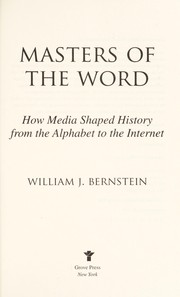
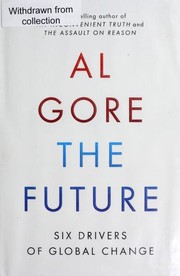

Recommended by: Patrick Collison

Recommended by: Mohnish Pabrai


How fleeing face-to-face talk harms relationships and work, and how to reclaim it.
Recommended by: Arianna Huffington

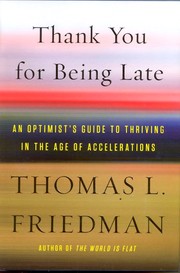


Recommended by: Alfred Lin, Reid Hoffman
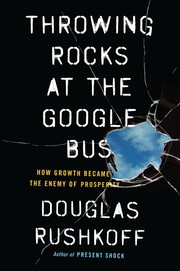
Recommended by: George Hatzis


Recommended by: Danah Boyd

Recommended by: The Barefoot Investor

Recommended by: Satya Nadella


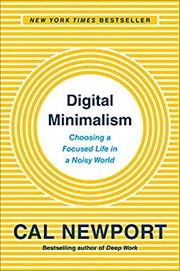
Recommended by: Alex Lieberman, Cal Newport, Nat Eliason
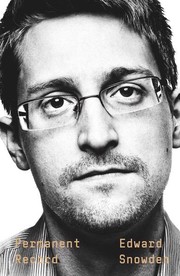
Recommended by: Alexis Ohanian, Kara Swisher

Recommended by: Anthony Pompliano, Keith Rabois

Recommended by: Andrew Wilkinson

How information networks, from the Stone Age to AI, have made and unmade societies.
Recommended by: Andrew Wilkinson
Standalone edition of the 2023 a16z essay; Andreessen has written no conventional book


A manifesto for redesigning politics, government and the economy around human scale.
Recommended by: Reid Hoffman
A print magazine on how people shape technology and how technology shapes them.
Recommended by: John Maeda

 Kevin Kellywrote 3 books here
 Peter Diamandiswrote 2 books here
 Marc Andreessenwrote 1 book here
 Michael Lewiswrote 1 book here
 Peter F. Druckerwrote 1 book here
 Eric Schmidtwrote 1 book here
 Tyler Cowenwrote 1 book here
 Ryan Holidaywrote 1 book here
 Jane McGonigalwrote 1 book here
 Stewart Brandwrote 1 book here
 Patrick Collisonrecommends 24 books here
 Ev Williamsrecommends 8 books here
 Mohnish Pabrairecommends 6 books hereRyan Holidayrecommends 5 books here
 Reid Hoffmanrecommends 4 books here
 Balaji S. Srinivasanrecommends 4 books here
 Bill Gatesrecommends 4 books hereMarc Andreessenrecommends 3 books here
 Alfred Linrecommends 3 books here
Show all 62
 Bret Victorrecommends 2 books here
 Brian Armstrongrecommends 2 books here
 John Maedarecommends 2 books here
 Kara Swisherrecommends 2 books here
 Keith Raboisrecommends 2 books here
 Naval Ravikantrecommends 2 books here
 Satya Nadellarecommends 2 books here
 Steve Jurvetsonrecommends 2 books hereStewart Brandrecommends 2 books here
 Tim Ferrissrecommends 2 books here
 Vitalik Buterinrecommends 2 books here
 Peter Thielrecommends 1 book here
 Warren Buffettrecommends 1 book here
 Brad Feldrecommends 1 book here
 John Doerrrecommends 1 book hereKevin Kellyrecommends 1 book here
 Alexis Ohanianrecommends 1 book here
 Arianna Huffingtonrecommends 1 book here
 Claire Diaz-Ortizrecommends 1 book here
 Cynthia Johnsonrecommends 1 book here
 Danah Boydrecommends 1 book here
 Jack Dorseyrecommends 1 book here
 Jack Marecommends 1 book here
 James Altucherrecommends 1 book here
 Mark Zuckerbergrecommends 1 book here
 Michael Bloombergrecommends 1 book here
 Nir Eyalrecommends 1 book here
 Palmer Luckeyrecommends 1 book here
 Reed Hastingsrecommends 1 book here
 Richard Bransonrecommends 1 book here
 Tom Bilyeurecommends 1 book here
 Tristan Harrisrecommends 1 book here