Media and technology in society
Holds McLuhan, Postman and later writers on what television, the internet, social platforms and new technology do to attention, politics and daily life, plus books that forecast the future.
Start here
- Amusing Ourselves to DeathNeil Postman, 1985
- The Attention MerchantsTim Wu, 2016
- The Success of Open SourceSteven Weber, 2004
- The Big PictureEdward Jay Epstein, 2005
- The Curse of the Mogul: What's Wrong with the World's Leading Media CompaniesBruce Greenwald, Jonathan A. Knee, Ava Seave, 2009
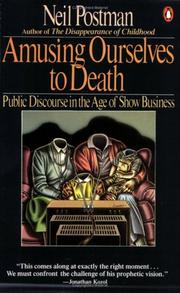
How television turned public discourse from argument into entertainment.
Recommended by: Nat Eliason, Keith Rabois, Matt Mullenweg and 3 others
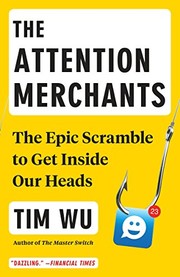
How media from the penny press to social media capture attention and resell it.
Political economy of production without conventional property.
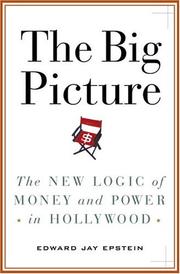
How Hollywood really makes money, mostly away from the box office.
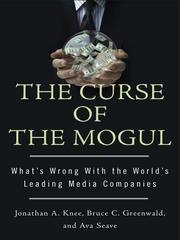
Why most media companies destroy shareholder value: few have barriers to entry.
Recommended by: Keith Rabois
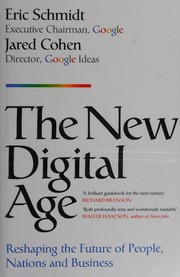
A forecast of a hugely connected future world, with its challenges and benefits.
Recommended by: Mohnish Pabrai, Michael Bloomberg
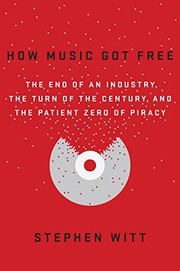
How the mp3, a CD-factory leaker and pirate websites broke the music business.
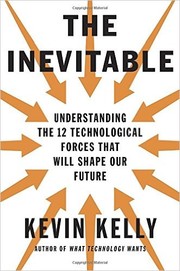
The technology trends that will reshape daily life over the next thirty years.
Recommended by: Nat Eliason, Patrick Collison, Alfred Lin and 1 other
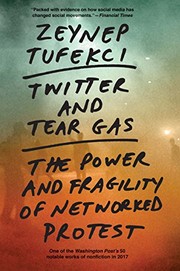
Why the platform mattered politically, and what that cost it.
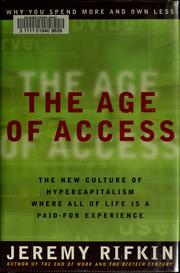
Early and prescient case that access would displace ownership.
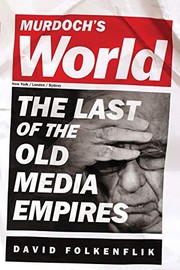
The empire after the phone-hacking scandal.
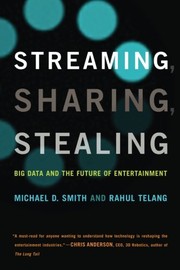
Data economics of the shift from studios to streamers.
By an early mentor and investor who turned against the company.
Recommended by: Marc Benioff

How intermediaries capture creative-work rents; the bear case for creators.
Recommended by: Patrick Collison
Recommended by: Patrick Collison, David Perell
Recommended by: Patrick Collison
Recommended by: Patrick Collison
Recommended by: Patrick Collison
How media in democracies serve state and corporate power while claiming independence.
Recommended by: Eric Weinstein
How a culture hands its judgement to machines, statistics and technical experts.
Recommended by: Patrick Collison, Tristan Harris

Recommended by: Patrick Collison
Recommended by: Ev Williams
How the internet let amateurs topple old professions such as lawyers and stock gurus.
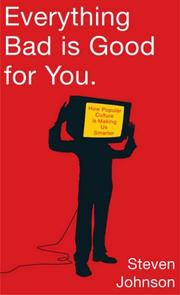
Recommended by: Ev Williams
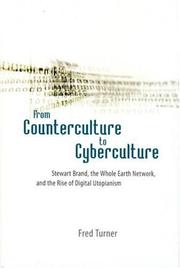
Recommended by: Patrick Collison
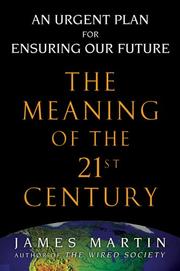
Recommended by: Richard Branson
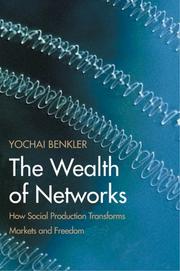
Recommended by: Patrick Collison, Mike Maples, Jr.
A history of the NBC broadcast network, which Comcast bought in 2011.

Recommended by: Jack Ma, John Maeda, Ryan Holiday
The long-run trends set to reshape economies and markets over the coming decades.
Recommended by: Mohnish Pabrai
How the problem-solving and teamwork of games could solve real-world problems.
Recommended by: Mohnish Pabrai
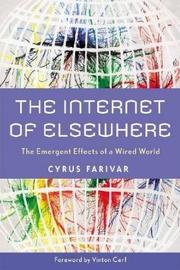
How the internet changed politics and economies in Iran, Estonia, Korea and Senegal.
Recommended by: Patrick Collison, Balaji S. Srinivasan
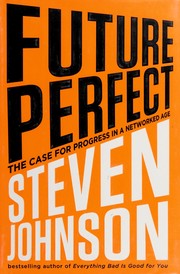
Recommended by: Patrick Collison, Ev Williams
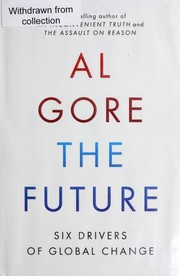
Recommended by: Mohnish Pabrai
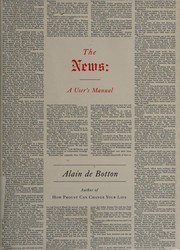
How to make sense of the daily torrent of news, and what it does to our minds.
Recommended by: Andrew Wilkinson, Antonio García Martínez
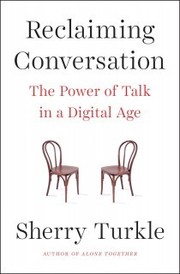
How fleeing face-to-face talk harms relationships and work, and how to reclaim it.
Recommended by: Arianna Huffington
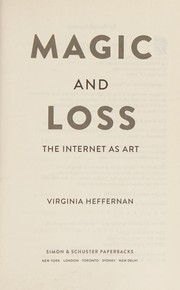
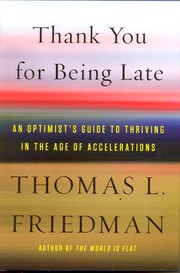
Recommended by: Patrick Collison
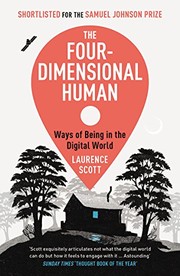
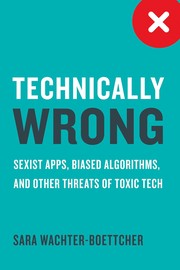
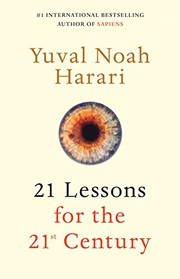
Twenty-one essays on today's challenges, from technology and politics to truth.
Recommended by: Bill Gates, Alfred Lin, Anna Cheng and 4 others
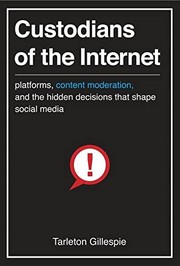
Recommended by: Danah Boyd
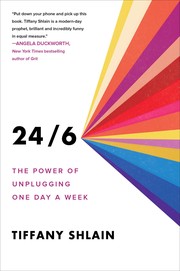
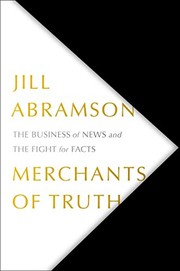
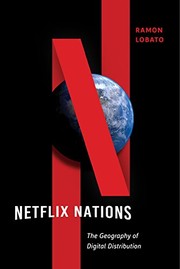
The geography and licensing limits of streaming television around the world.
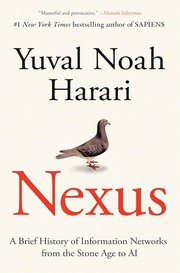
How information networks, from the Stone Age to AI, have made and unmade societies.
Recommended by: Andrew Wilkinson

Recommended by: Andrew Wilkinson, Bill Gates and 1 other
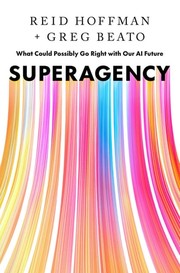

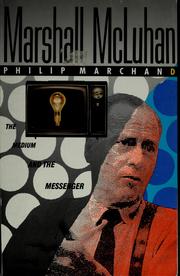
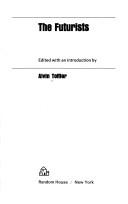
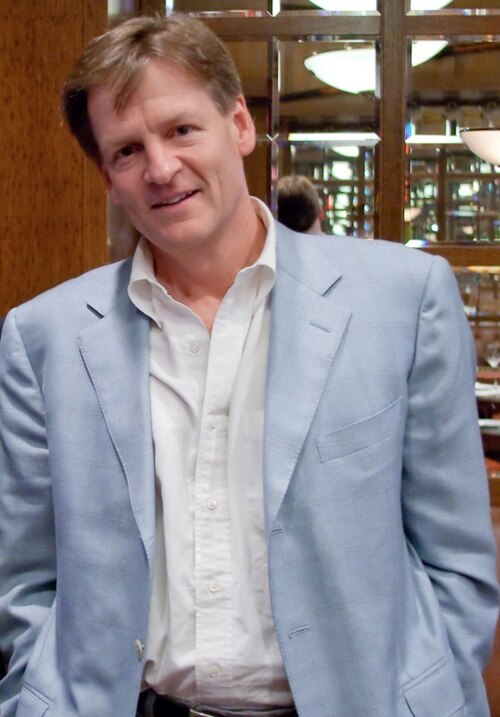 Michael Lewiswrote 1 book here
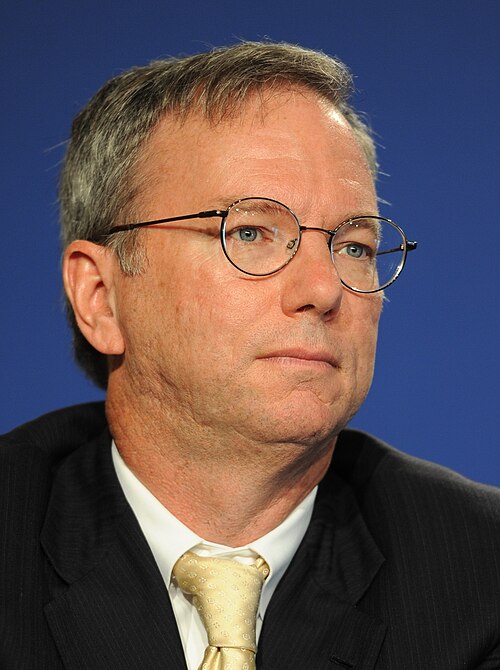 Eric Schmidtwrote 1 book here
 Kevin Kellywrote 1 book here
 Reid Hoffmanwrote 1 book here
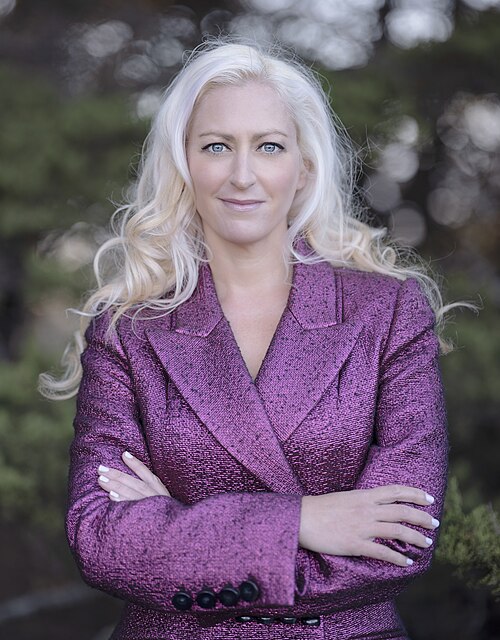 Jane McGonigalwrote 1 book here
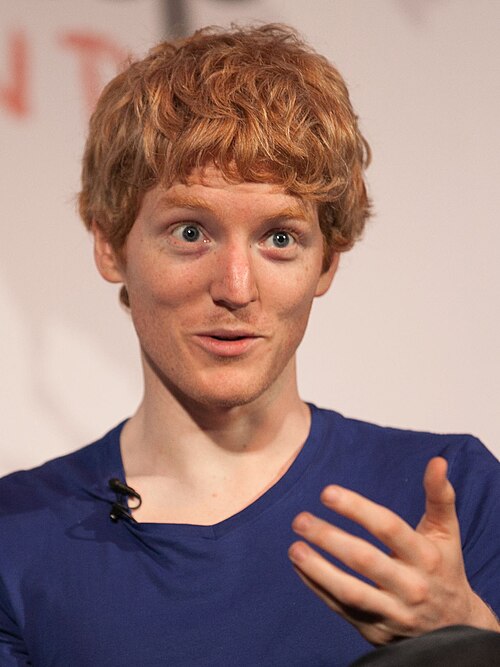 Patrick Collisonrecommends 19 books here
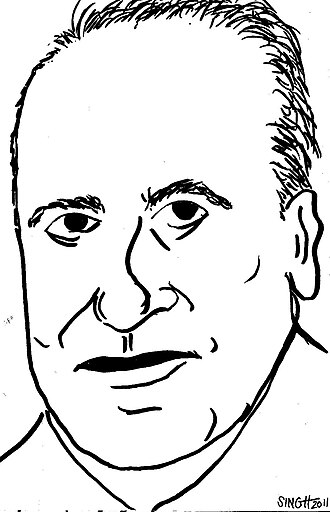 Mohnish Pabrairecommends 6 books here
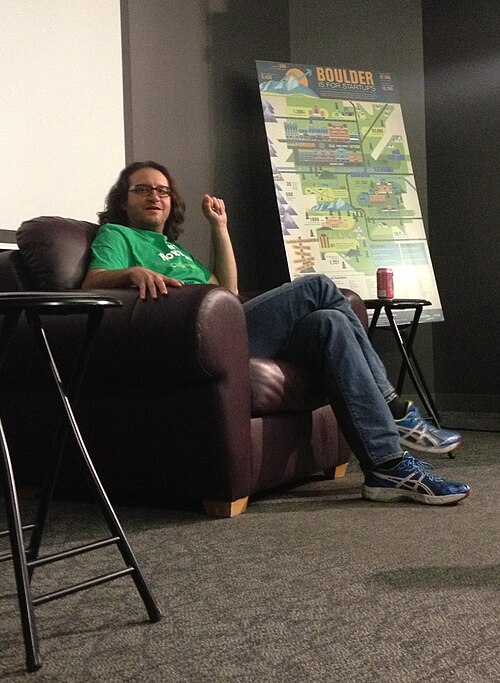 Brad Feldrecommends 3 books here
 Alfred Linrecommends 3 books here
 Ev Williamsrecommends 3 books here
 Arianna Huffingtonrecommends 2 books here
 Balaji S. Srinivasanrecommends 2 books here
 Bill Gatesrecommends 2 books here
 Keith Raboisrecommends 2 books here
 Matt Mullenwegrecommends 2 books here
Show all 45
 Tristan Harrisrecommends 2 books here
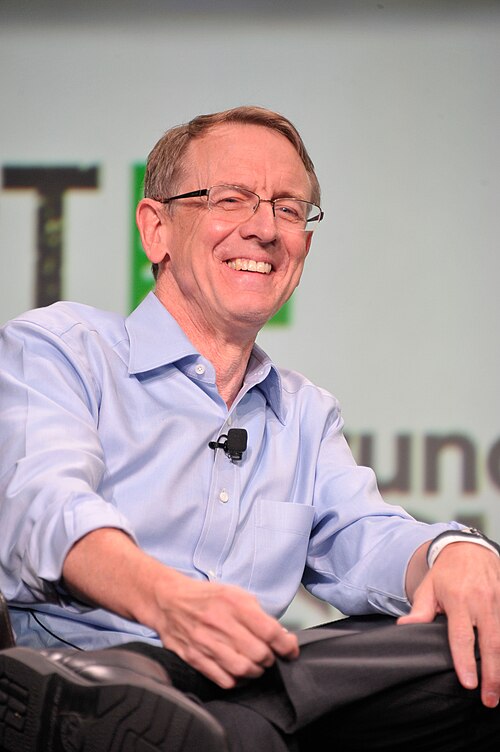 John Doerrrecommends 1 book hereKevin Kellyrecommends 1 book here
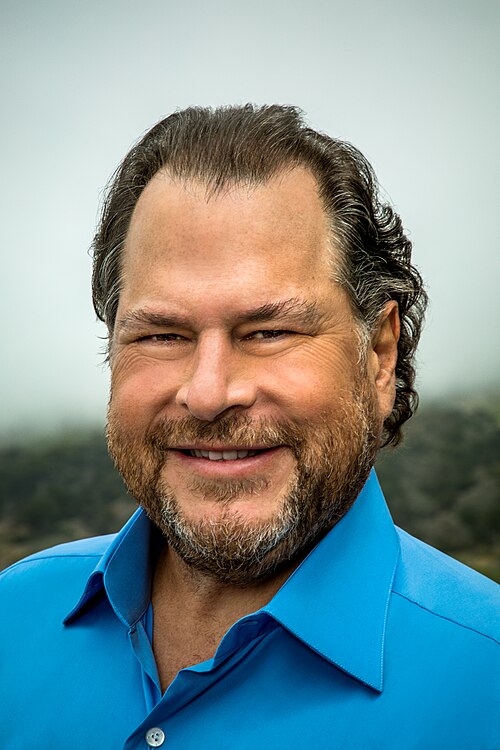 Marc Benioffrecommends 1 book here
 Ryan Holidayrecommends 1 book here
 Antonio García Martínezrecommends 1 book here
 Danah Boydrecommends 1 book here
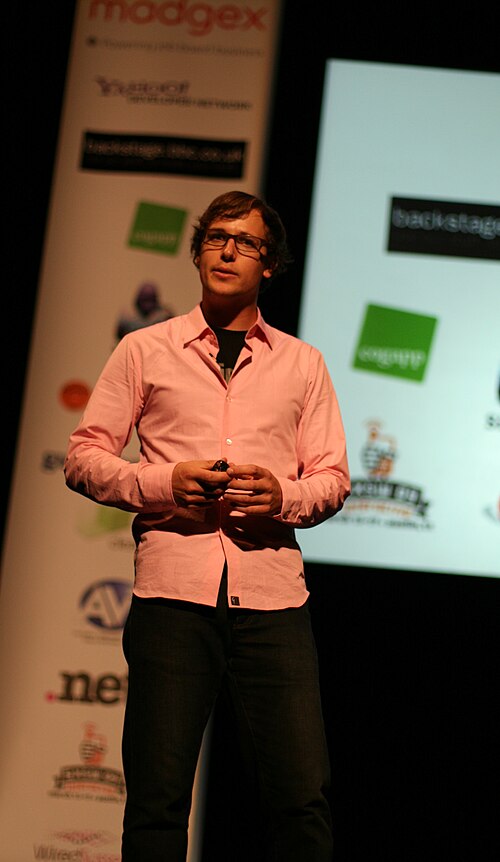 Daniel Burkarecommends 1 book here
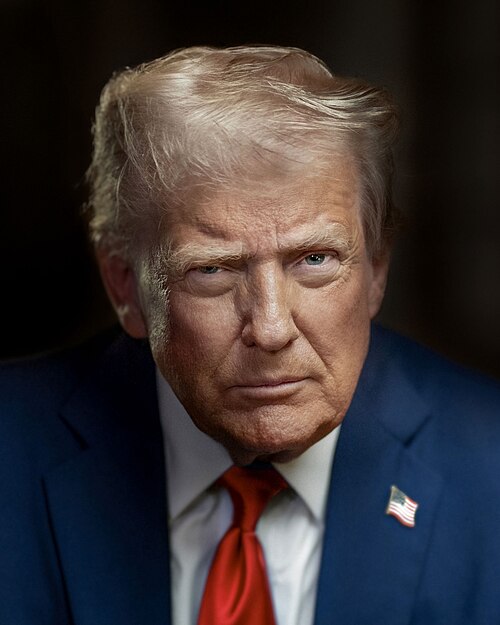 Donald Trumprecommends 1 book here
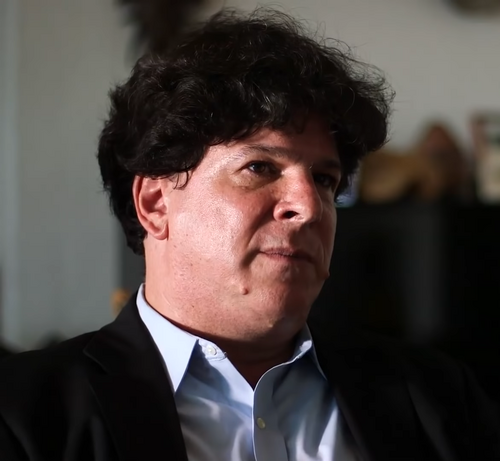 Eric Weinsteinrecommends 1 book here
 Evan Spiegelrecommends 1 book here
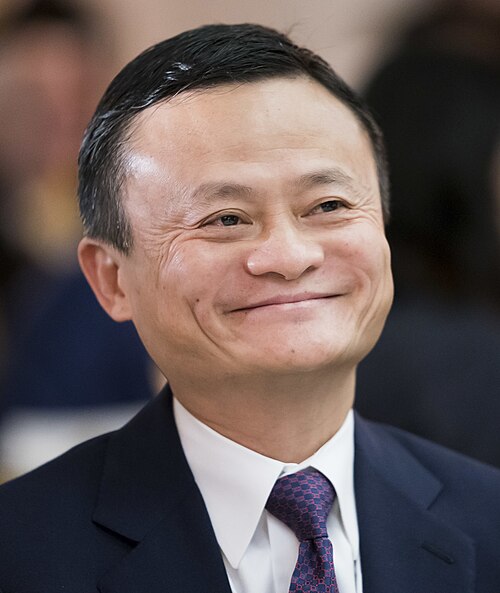 Jack Marecommends 1 book here
 John Maedarecommends 1 book here
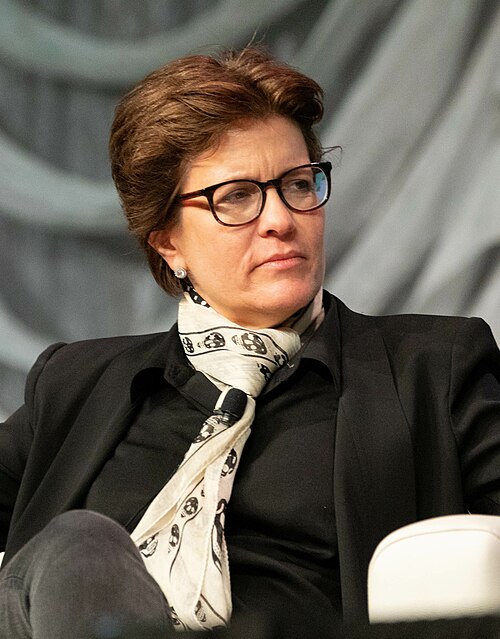 Kara Swisherrecommends 1 book here
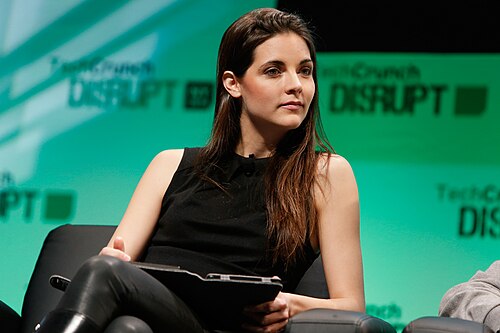 Kathryn Minshewrecommends 1 book here
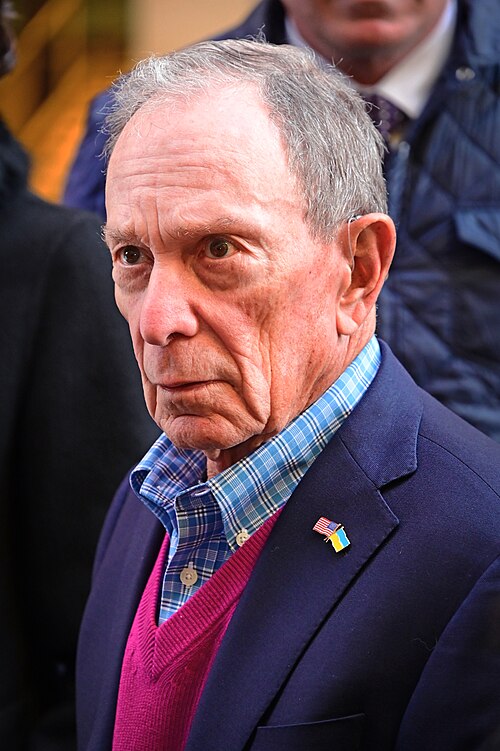 Michael Bloombergrecommends 1 book here
 Nir Eyalrecommends 1 book here
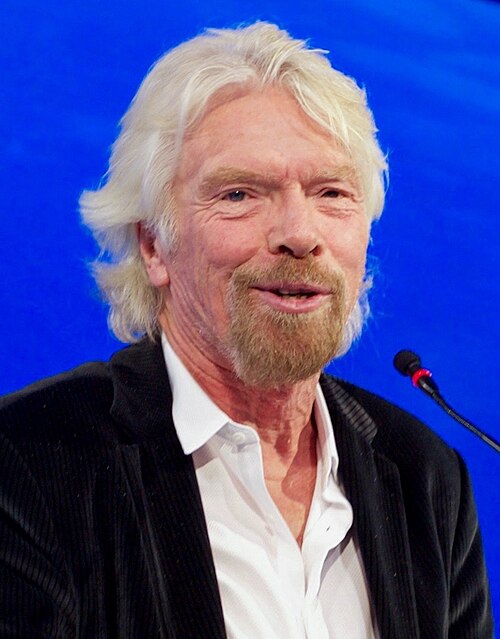 Richard Bransonrecommends 1 book here
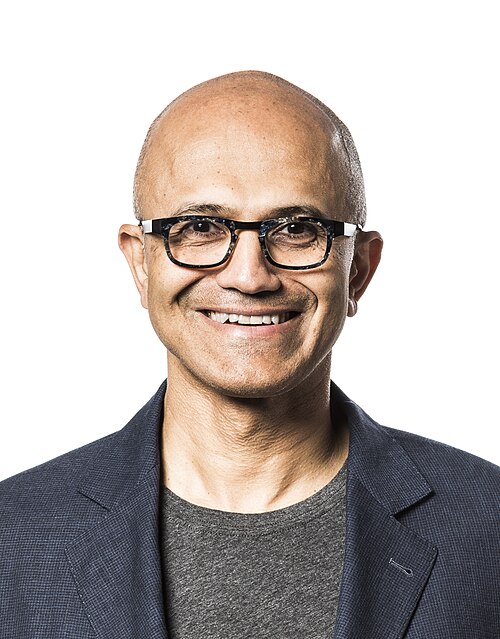 Satya Nadellarecommends 1 book here
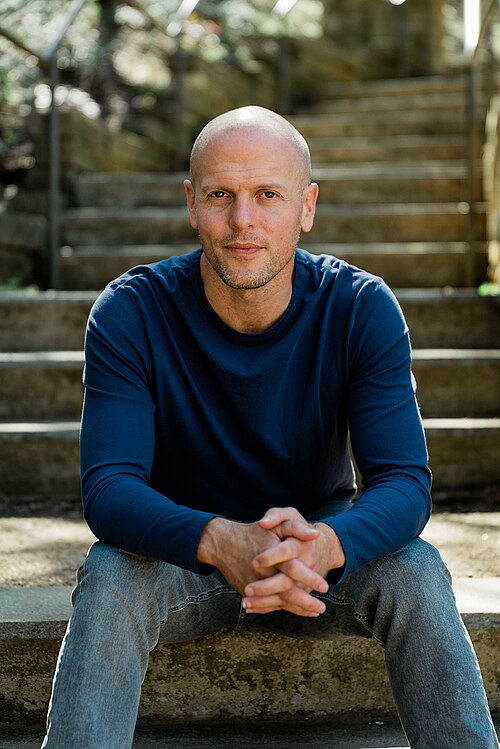 Tim Ferrissrecommends 1 book here
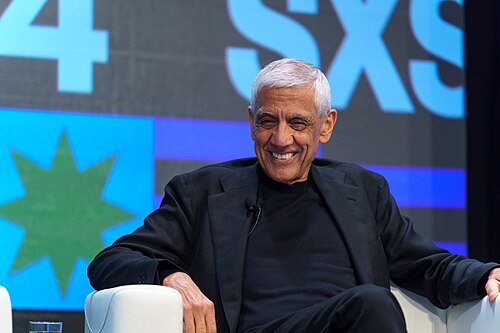 Vinod Khoslarecommends 1 book here
 Zoë Foster Blakerecommends 1 book here