Political philosophy and ideology
Classic and modern works on justice, democracy, power, the state, mass movements and the ideologies of left and right.
Start here
- Capitalism, Socialism and DemocracyJoseph A. Schumpeter, 1942
- The True BelieverEric Hoffer, 1951
- Capitalism and FreedomMilton Friedman, 1962
- Free to Choose: A Personal StatementMilton Friedman, 1980
- Seeing Like a StateJames C. Scott, 1998
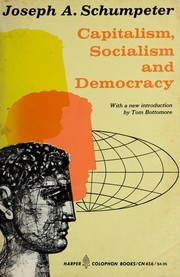
Capitalism runs on creative destruction, and its success may lead it to socialism.

Why mass movements of every kind draw the same frustrated people and use one method.
“My favourite book to recommend is The True Believer: Thoughts on the Nature of Mass Movements by Eric Hoffer. There is no discussion about investing, but it is extremely helpful in understanding…” — Joe Rosenberg
Source: Rosenberg on the book he most often recommends
Recommended by: Joe Rosenberg, Mohnish Pabrai and 6 others
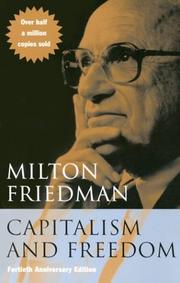
Economic freedom as a condition of political freedom, applied to policy questions.
Recommended by: Marc Andreessen
The case for free markets and limited government, policy area by policy area.
Recommended by: Brian Armstrong, Mohnish Pabrai and 2 others
Why large state plans fail when they override local, practical knowledge.
Recommended by: Balaji S. Srinivasan, Nat Eliason
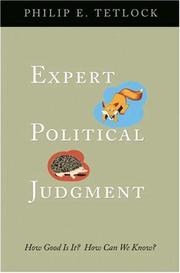
A 20-year test of 28,000 expert forecasts: foxes with many models beat hedgehogs.
“All pundits and commentators should publish their prediction track records, yet don't. What to pay attention to and what to ignore.” — Marc Andreessen
Source: @pmarca, 'Thread: Books I've recently read and recommend'
Recommended by: Marc Andreessen, Michael Mauboussin and 2 others
Preference falsification: why people hide their views and how that hides change.
“So this is one of the all time great books. Incredible.” — Marc Andreessen
Source: Lex Fridman Podcast #458 transcript — Marc Andreessen
Recommended by: Marc Andreessen
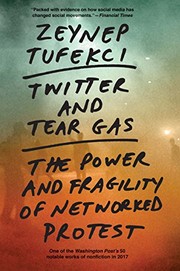
Why the platform mattered politically, and what that cost it.

Elite theory: who actually rules, and why stated aims mislead
“The book that I always recommend on this topic is called "The Machiavellians," which is this sort of a famous book from the 1940s” — Marc Andreessen
Source: The a16z Show — Marc Andreessen with David Senra (transcript)
Recommended by: Marc Andreessen
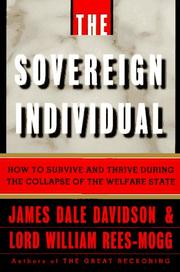
1997 forecast of digital money weakening the nation state
Recommended by: Balaji S. Srinivasan, Nat Eliason and 11 others
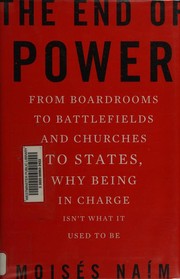
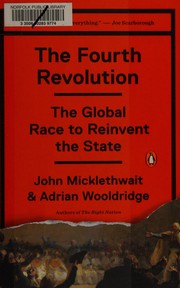
Why incumbent power in states, firms and armies now erodes faster
Recommended by: Mark Zuckerberg
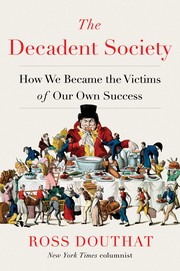
Argument that rich societies have stagnated into repetition and sterility
Recommended by: Peter Thiel
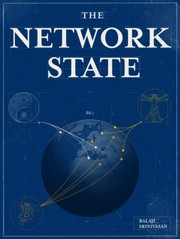
Argument that online communities can become sovereign; crypto-native politics
Recommended by: Balaji S. Srinivasan, Brian Armstrong and 4 others


Why managers and technocrats would replace capitalists as society's ruling class.
Recommended by: Marc Andreessen

An inquiry into the nature of freedom and the uses of power.
Recommended by: Marc Andreessen

Recommended by: Patrick Collison

A reading of Xenophon's Hiero, where a tyrant and a poet weigh the uses of tyranny.
Recommended by: Peter Thiel
Ways to end humanity's conflicts with nature, with other people and within the self.
Recommended by: Patrick Collison

Recommended by: Patrick Collison

Recommended by: Patrick Collison
Recommended by: Nat Eliason
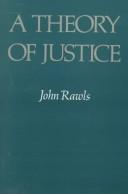
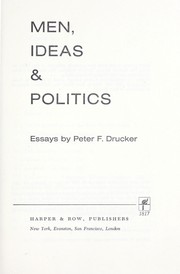
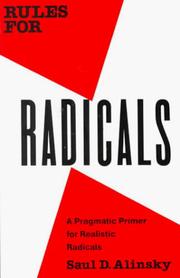
Recommended by: Ryan Holiday, Balaji S. Srinivasan
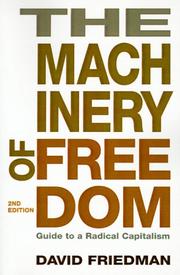
The case for anarcho-capitalism, a society run on markets without a state.
Recommended by: Marc Andreessen

Recommended by: Marc Andreessen
Recommended by: Marc Andreessen
How media in democracies serve state and corporate power while claiming independence.
Recommended by: Eric Weinstein

How communities manage shared resources without either the state or the market.
Recommended by: Patrick Collison, Stewart Brand

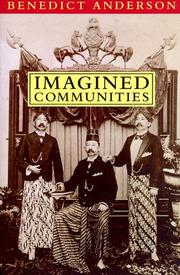
An enquiry into nationalism since 1780: its programme, its myths and its reality.
Recommended by: Patrick Collison

Why liberal democracy may be the end state of political change, and how people react.
Recommended by: Marc Andreessen, Peter Thiel
Alternating fiction and essay, a rewrite of Nineteen Eighty-Four with a new ending.
Recommended by: Mark Zuckerberg
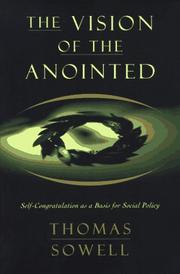
Recommended by: Keith Rabois, Marc Andreessen

Recommended by: Patrick Collison

Recommended by: Patrick Collison
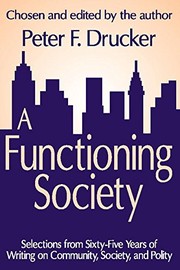
Selections on community and society

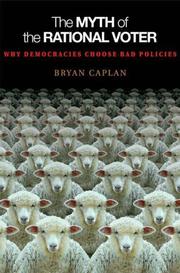
Voters hold systematic biases about economics, so democracies choose bad policies.
“The median American is a moderate national socialist – statist to the core on both economic and social policy.” — Marc Andreessen
Source: @pmarca, 'Thread: Books I've recently read and recommend'
Recommended by: Marc Andreessen, Patrick Collison
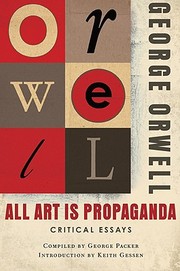
Recommended by: Patrick Collison
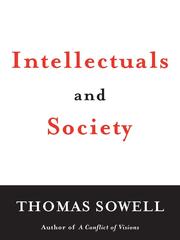
Recommended by: Marc Andreessen

Recommended by: Emmett Shear


Recommended by: Patrick Collison
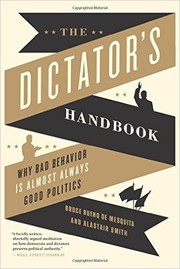
Recommended by: Nat Eliason, Andrew Chen

Recommended by: Balaji S. Srinivasan
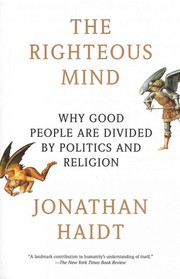
Recommended by: Ali Abdaal, Jackie Vullinghs, Tristan Harris and 1 other
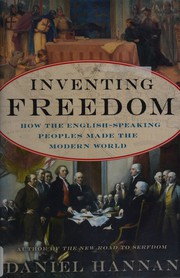
Recommended by: Patrick Collison

Recommended by: Patrick Collison
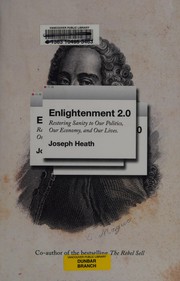
Recommended by: Patrick Collison
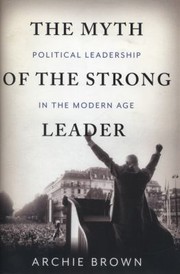
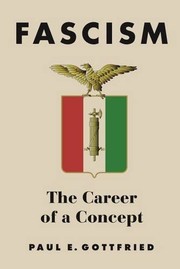
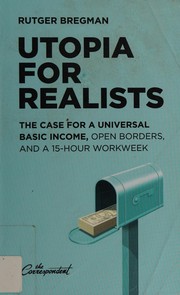
Recommended by: Daniel Petre, Matej Latin
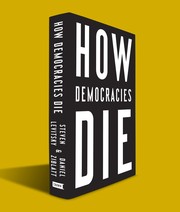
Recommended by: Barack Obama, Julian Shapiro
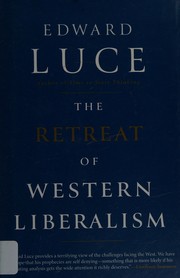
Recommended by: Antonio García Martínez
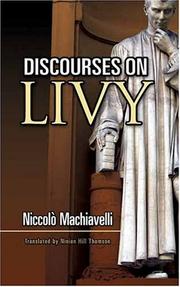
How Rome's republican institutions broke down and the Republic fell into tyranny.
Recommended by: Evan Spiegel
How group identities drive politics at home and abroad, and how elites missed it.
Recommended by: Mark Cuban
Recommended by: Andrew Wilkinson
Published in the UK as In Defence of Open Society.
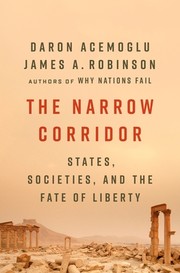
Why liberty is hard to win and keep, and how it can survive new threats.
Recommended by: Satya Nadella
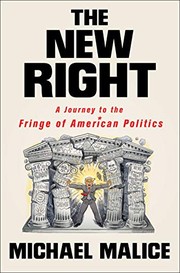


Recommended by: Ev Williams, Elon Musk, Julian Shapiro
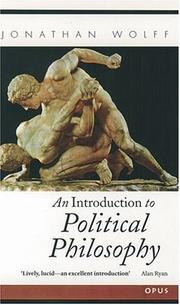


A manifesto for redesigning politics, government and the economy around human scale.
Recommended by: Reid Hoffman
Recommended by: Mohnish Pabrai
Recommended by: Nick Szabo
Recommended by: Patrick O'Shaughnessy
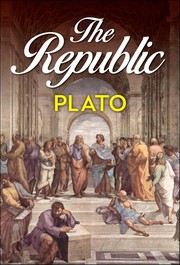
What justice is, answered by building an ideal city in dialogue.
Recommended by: Patrick Collison, Mark Zuckerberg and 4 others
 Marc Andreessenrecommends 23 books here
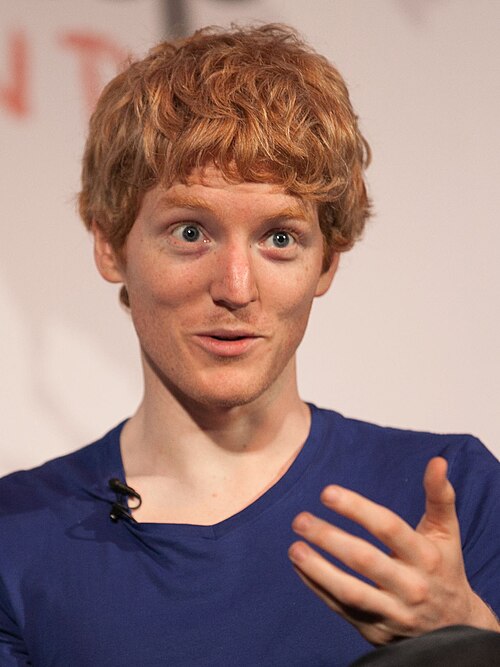 Patrick Collisonrecommends 23 books here
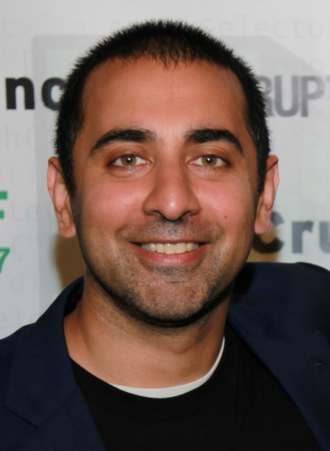 Balaji S. Srinivasanrecommends 7 books here
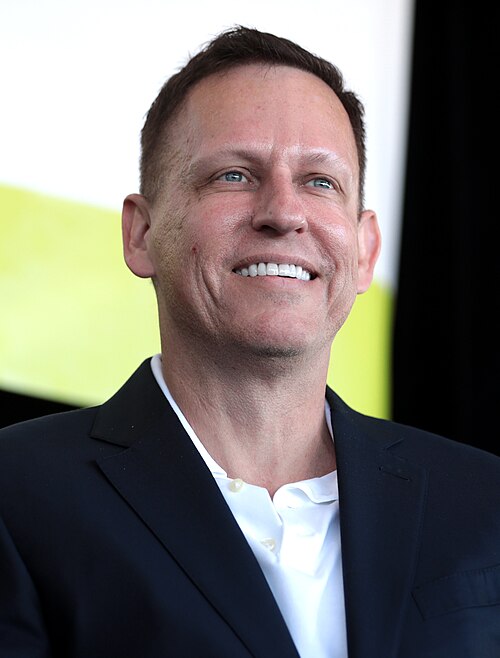 Peter Thielrecommends 6 books here
 Mohnish Pabrairecommends 3 books here
 Antonio García Martínezrecommends 3 books here
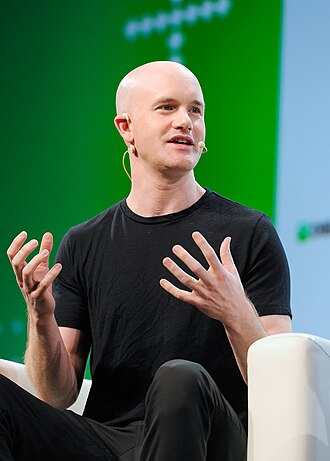 Brian Armstrongrecommends 3 books here
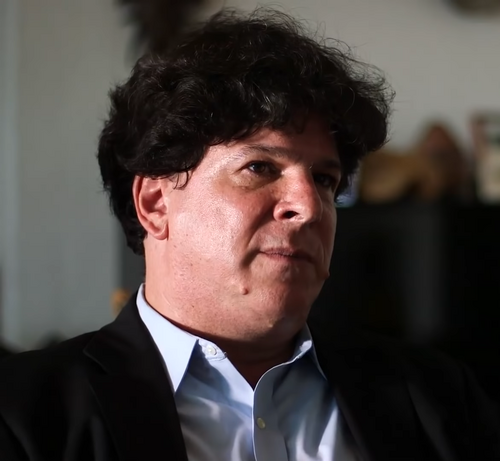 Eric Weinsteinrecommends 3 books here
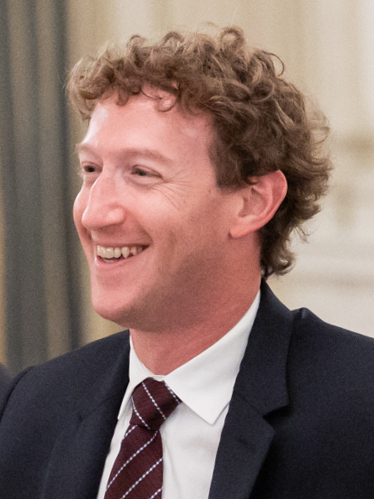 Mark Zuckerbergrecommends 3 books here
 Reid Hoffmanrecommends 2 books here
Show all 51
 Ryan Holidayrecommends 2 books here
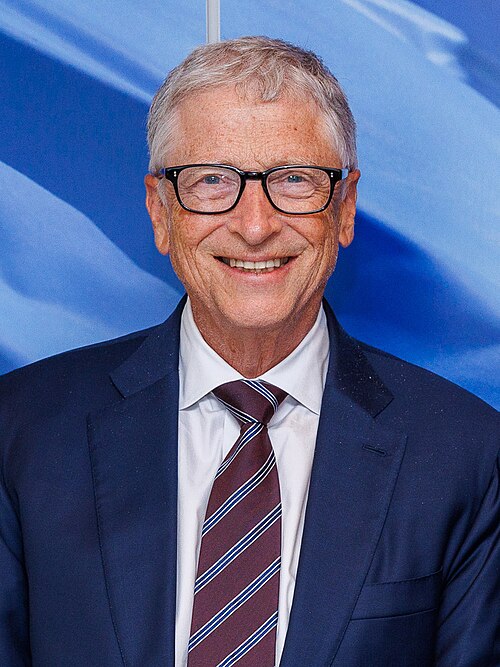 Bill Gatesrecommends 2 books here
 Elon Muskrecommends 2 books here
 Emmett Shearrecommends 2 books here
 Naval Ravikantrecommends 2 books here
 Susan J. Fowlerrecommends 2 books here
 Vitalik Buterinrecommends 2 books here
 Tyler Cowenrecommends 1 book here
 Barack Obamarecommends 1 book here
 Cynthia Johnsonrecommends 1 book here
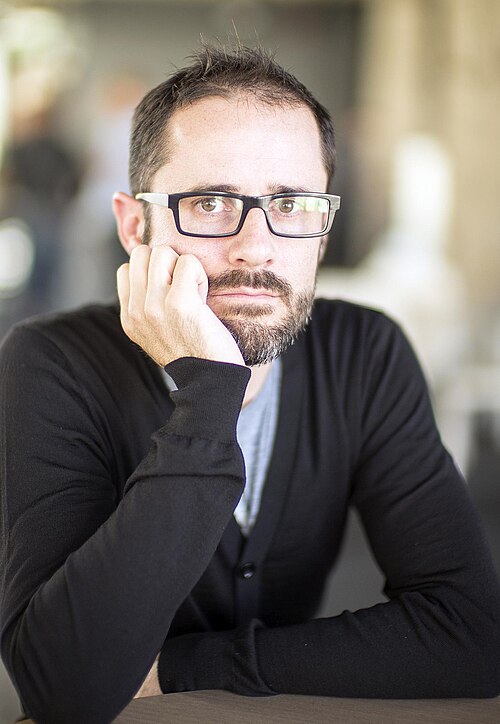 Ev Williamsrecommends 1 book here
 Evan Spiegelrecommends 1 book here
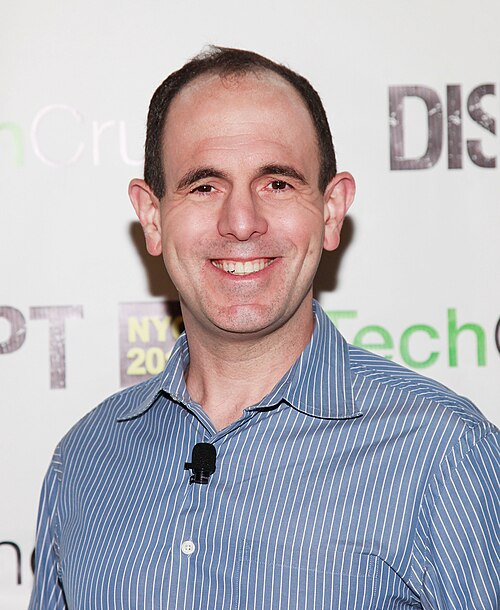 Keith Raboisrecommends 1 book here
 Kevin Systromrecommends 1 book here
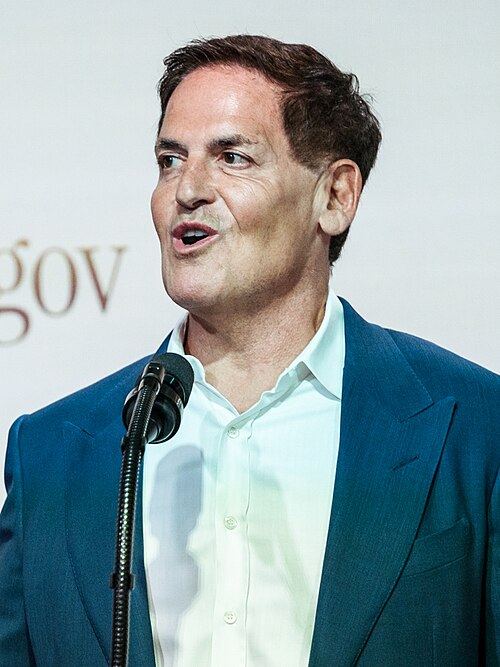 Mark Cubanrecommends 1 book here
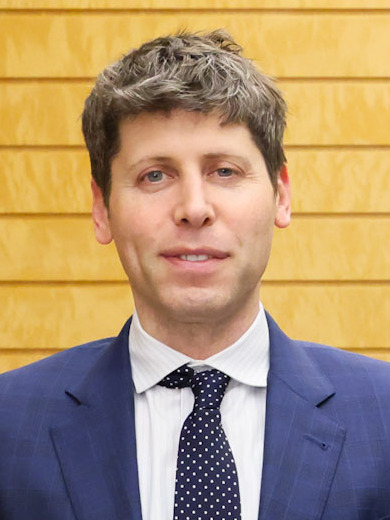 Sam Altmanrecommends 1 book here
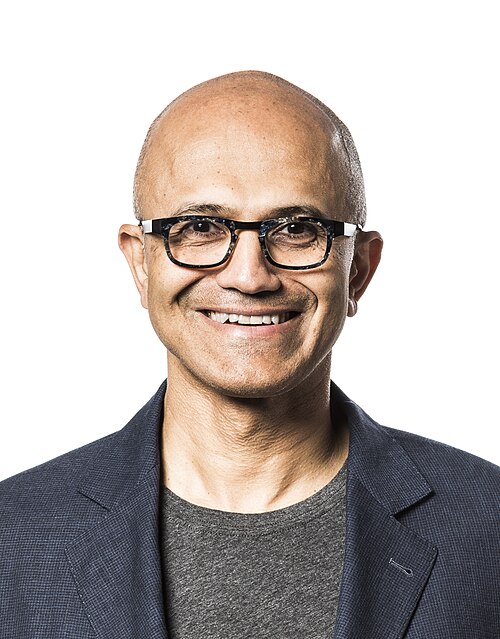 Satya Nadellarecommends 1 book here
 Stewart Brandrecommends 1 book here
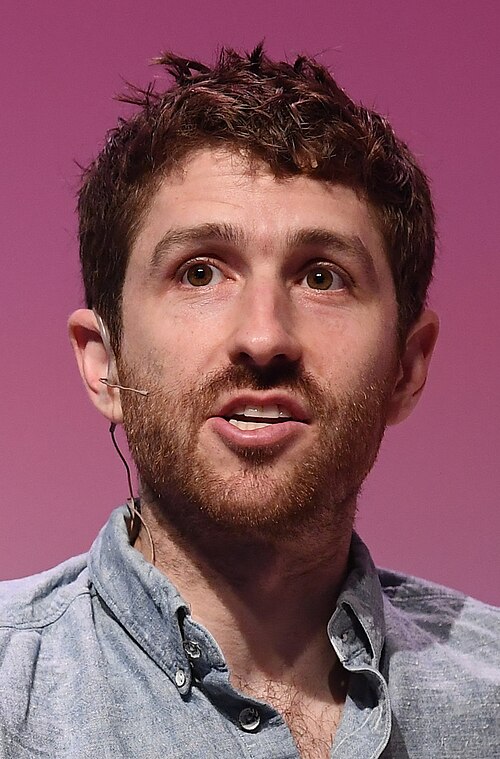 Tristan Harrisrecommends 1 book here
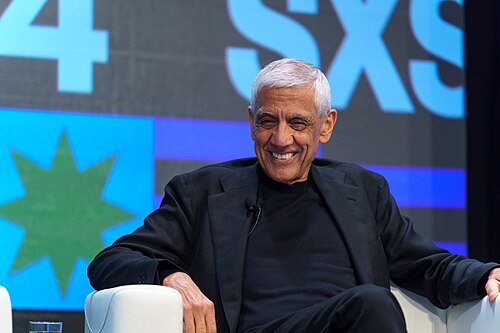 Vinod Khoslarecommends 1 book here
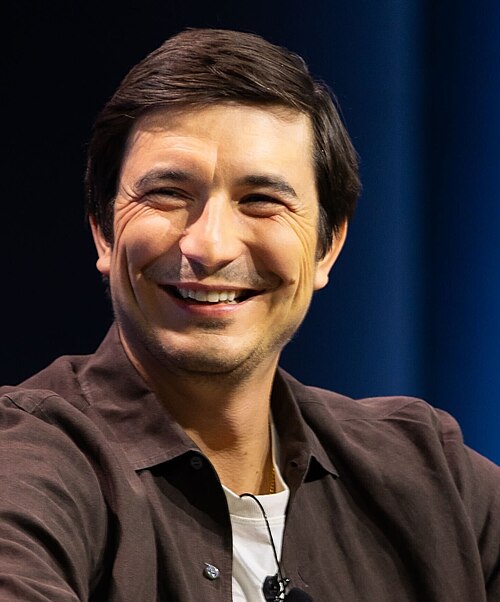 Vlad Tenevrecommends 1 book here