
Creative Destruction
Schumpeter's engine of capitalism: the entrant that revolutionises the structure from within, destroying the incumbent's franchise in the act of building the new one. For an investor it converts moat analysis into decay analysis, because every terminal value is a bet on how long the gale spares this company. Ask what kills this before asking how fast it grows.
Start here
- Only the Paranoid SurviveAndrew S. Grove, 1996
- The Innovator's DilemmaClayton M. Christensen, 1997
- Capitalism, Socialism and DemocracyJoseph A. Schumpeter, 1942
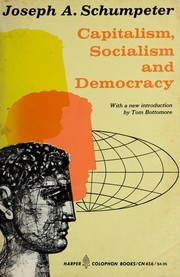
Capitalism runs on creative destruction, and its success may lead it to socialism.
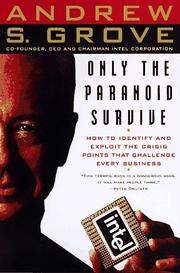
How to spot a strategic inflection point, when a tenfold force changes a business.
“On my Top Ten List. Great Book. Grove was CEO of Intel.” — Mohnish Pabrai
Source: Mohnish's Bookshelf — Books on Entrepreneurship, Management and Leadership, entry 174
Recommended by: Charlie Munger, Mohnish Pabrai and 11 others
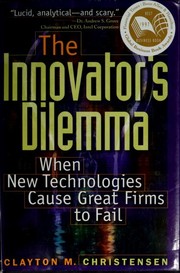
Why well-run firms lose to cheaper, worse products that enter at the market's bottom.
“Awesome book. May move soon to my Top Ten List. If anything will keep CEOs awake at night, reading this book certainly will.” — Mohnish Pabrai
Source: Mohnish's Bookshelf — Books on Sales & Marketing, entry 66
Recommended by: Jim Collins, Mohnish Pabrai, Aaron Levie and 27 others

Sex evolved as a defence against parasites, and that shapes human mating.
“I really highly, highly recommend picking up Genome, The Red Queen, Origins of Virtue, The Rational Optimist, and The Evolution of Everything.” — Naval Ravikant
Source: The Tim Ferriss Show — Naval Ravikant Q&A, full transcript
Recommended by: Mohnish Pabrai, Naval Ravikant, Seth Klarman and 1 other

Five technological revolutions since 1771, and why each brings a financial bubble.
“Perhaps the best book on the topic is Carlota Perez, Technological Revolutions and Financial Capital” — Michael Mauboussin
Source: New Business Boom and Bust: How Capitalism Experiments (Consilient Observer, Counterpoint Global)
Recommended by: Michael Mauboussin, Patrick Collison
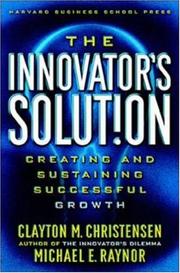
How a company can build new businesses through low-end and new-market disruption.
Recommended by: Jeff Bezos, Keith Rabois
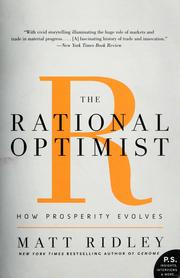
Prosperity grows as trade and specialisation let ideas meet and combine.
“…books I've recommended, highlighted to death, or forced on friends.” — Andrew Wilkinson
Source: Andrew Wilkinson's Bookshelf, neverenough.com
Recommended by: Andrew Wilkinson, Bill Gates, Frank Martin and 10 others
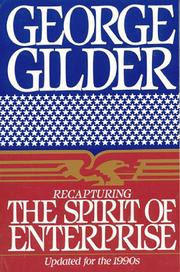
Supply-side case for entrepreneurs as the actual source of growth
“on how economic systems that encourage aggressive entrepreneurship build the most for the benefit of the most” — Marc Andreessen
Source: @pmarca, companion thread to 'It's Time to Build'
Recommended by: Marc Andreessen
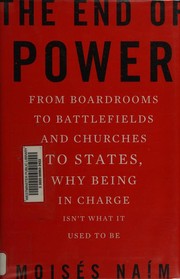
Why incumbent power in states, firms and armies now erodes faster
Recommended by: Mark Zuckerberg
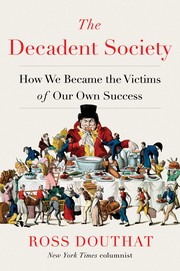
Argument that rich societies have stagnated into repetition and sterility
Recommended by: Peter Thiel
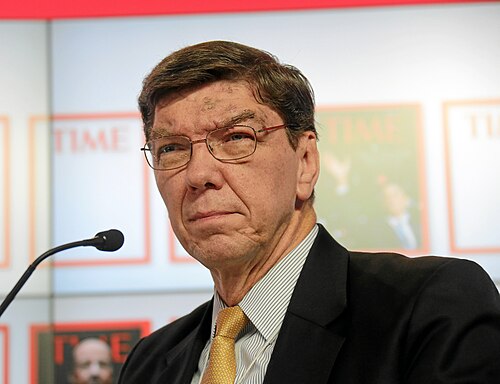

 Marc Andreessenrecommends 4 books here
 Mohnish Pabrairecommends 4 books here
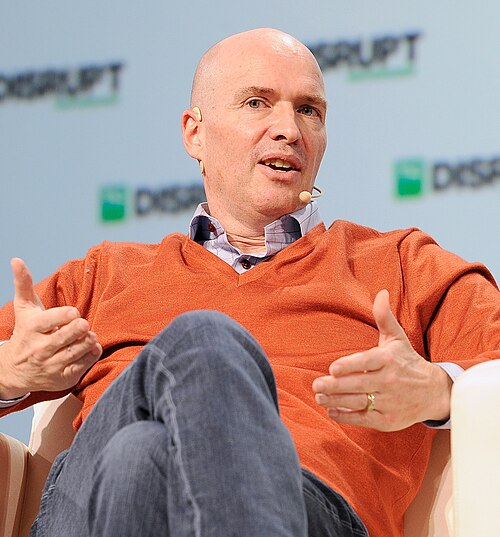 Ben Horowitzrecommends 2 books here
 Reid Hoffmanrecommends 2 books here
 Drew Houstonrecommends 2 books here
 Jeff Bezosrecommends 2 books here
 Jensen Huangrecommends 2 books here
 Mark Zuckerbergrecommends 2 books here
 Naval Ravikantrecommends 2 books here
 Patrick Collisonrecommends 2 books here
 Andrew S. Groverecommends 1 book here
Show all 52
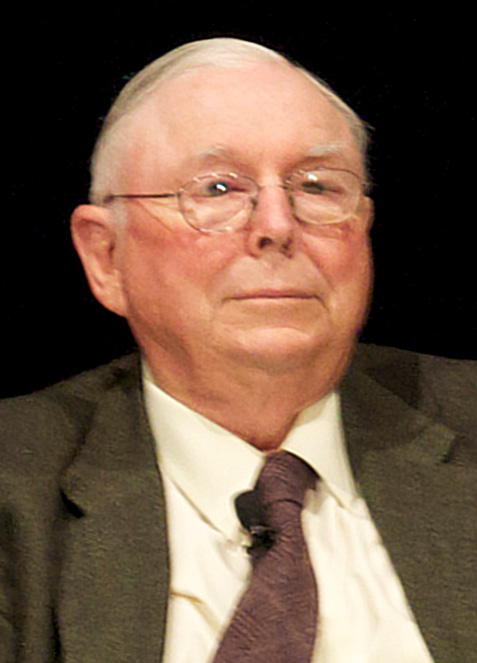 Charlie Mungerrecommends 1 book here
 Jim Collinsrecommends 1 book here
 Paul Grahamrecommends 1 book here
 Peter Thielrecommends 1 book here
 Kevin Kellyrecommends 1 book here
 Marc Benioffrecommends 1 book here
 Seth Klarmanrecommends 1 book here
 Guy Kawasakirecommends 1 book here
 Aaron Levierecommends 1 book here
 Alfred Linrecommends 1 book here
 Anne Wojcickirecommends 1 book here
 Balaji S. Srinivasanrecommends 1 book here
 Bill Gatesrecommends 1 book here
 Bill Gurleyrecommends 1 book here
 Brett Adcockrecommends 1 book here
 Caterina Fakerecommends 1 book here
 Chris Dixonrecommends 1 book here
 Ev Williamsrecommends 1 book here
 Jamie Dimonrecommends 1 book here
 John Arnoldrecommends 1 book here
 Keith Raboisrecommends 1 book here
 Mark Cubanrecommends 1 book here
 Max Levchinrecommends 1 book here
 Michael Bloombergrecommends 1 book here
 Mike Cannon-Brookesrecommends 1 book here
 Nir Eyalrecommends 1 book here
 Steve Jobsrecommends 1 book here
 Tim O’Reillyrecommends 1 book here
- Underestimating the Red QueenMichael J. Mauboussin · paper · Competitive erosion is faster than forecasts assume.
- The Red Queen EffectShane Parrish · essay · Running hard to hold position against co-evolving rivals.
- Why Competitive Advantages DieMorgan Housel · essay · How success itself erodes the edge that produced it.
- Birth, Death, and Wealth CreationMichael J. Mauboussin · paper · Corporate life cycles and where value actually accrues.