Moral and political philosophy
Holds works on justice, ethics, liberty and the state, from Adam Smith, Mill and Rawls to Hayek, Soros, Havel and Ayn Rand.
Start here
- The Theory of Moral SentimentsAdam Smith, 1759
- On the Principles of Political Economy and TaxationDavid Ricardo, 1817
- Capitalism, Socialism and DemocracyJoseph A. Schumpeter, 1942
- An Inquiry into the Nature and Causes of the Wealth of Nations: Volume 1Adam Smith, 2015
- An Inquiry into the Nature and Causes of the Wealth of Nations: Volume 2Adam Smith, 2015
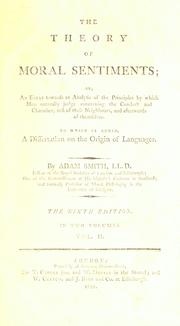
How moral judgement grows from sympathy and an imagined impartial spectator.
Recommended by: Mohnish Pabrai

Rent, wages, profit and comparative advantage, reasoned from first assumptions.
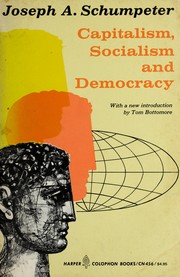
Capitalism runs on creative destruction, and its success may lead it to socialism.

Books One to Three: division of labour, money, prices, wages, profit and capital.
Recommended by: Mohnish Pabrai

Books Four and Five: the case against mercantilism, and the role of the state.
Recommended by: Mohnish Pabrai
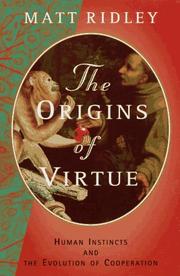
How cooperation and morality evolved from self-interest, via the prisoner's dilemma.
“I really highly, highly recommend picking up Genome, The Red Queen, Origins of Virtue, The Rational Optimist, and The Evolution of Everything.” — Naval Ravikant
Source: The Tim Ferriss Show — Naval Ravikant Q&A, full transcript
Recommended by: Mohnish Pabrai, Naval Ravikant, Ryan Holiday

Why societies should put sustainable long-run growth almost above all else.
Recommended by: Jackie Vullinghs, Patrick Collison

Elite theory: who actually rules, and why stated aims mislead
“The book that I always recommend on this topic is called "The Machiavellians," which is this sort of a famous book from the 1940s” — Marc Andreessen
Source: The a16z Show — Marc Andreessen with David Senra (transcript)
Recommended by: Marc Andreessen
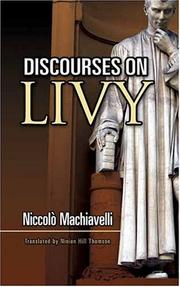

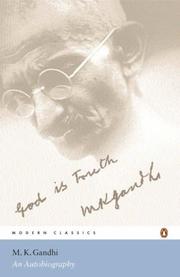
Recommended by: Mohnish Pabrai, Tim Cook
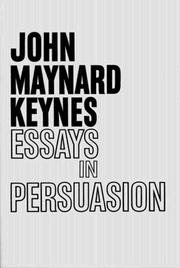
Recommended by: Mohnish Pabrai, Warren Buffett

A novel in which industrialists vanish from an economy run by government directives.
Recommended by: Brian Armstrong, Mohnish Pabrai, Nat Eliason and 18 others

A novel of an architect who will build only by his own judgment, whatever it costs.
Recommended by: Mohnish Pabrai, Ev Williams, Iman Gadzhi and 5 others

A reading of Xenophon's Hiero, where a tyrant and a poet weigh the uses of tyranny.
Recommended by: Peter Thiel


Ways to end humanity's conflicts with nature, with other people and within the self.
Recommended by: Patrick Collison

Recommended by: Patrick Collison

Recommended by: Patrick Collison
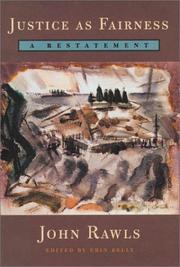



Recommended by: Marc Andreessen

Recommended by: Marc Andreessen

A critique of socialism: why morality and markets are not products of reason.
Recommended by: Nick Szabo

Why liberal democracy may be the end state of political change, and how people react.
Recommended by: Marc Andreessen, Peter Thiel

The causes of instability in the global economy and the open society as a remedy.

Recommended by: Patrick Collison

Recommended by: Mohnish Pabrai

A professor living with ALS sets out his philosophy of living and of letting go.
Recommended by: Mohnish Pabrai

A philosopher defines bullshit by setting it apart from lying and humbug.
Recommended by: Paul Graham
Recommended by: Mohnish Pabrai



A short case against all lying, white lies included.
Recommended by: Nat Eliason, Naval Ravikant, Vinod Khosla and 3 others

Recommended by: Patrick Collison

Recommended by: Patrick Collison

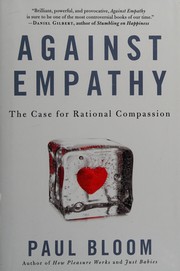
Portraits of people living lives of extreme ethical commitment to helping strangers.
Recommended by: Patrick Collison, Nick Thompson

Published in the UK as In Defence of Open Society.


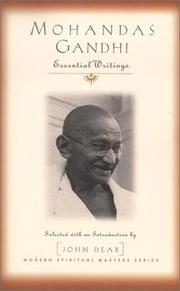
Writings by the leader of India's independence movement on practising nonviolence.
Recommended by: Mohnish Pabrai


 George Soroswrote 4 books here
 Adam Smithwrote 3 books here
 Mahatma Gandhiwrote 2 books here
 Matt Ridleywrote 1 book here
 Tyler Cowenwrote 1 book here
 Mohnish Pabrairecommends 13 books here
 Patrick Collisonrecommends 13 books here
 Marc Andreessenrecommends 6 books here
 Peter Thielrecommends 4 books here
 Naval Ravikantrecommends 4 books here
 Audrey Gelmanrecommends 2 books here
 Brian Armstrongrecommends 2 books here
 Elon Muskrecommends 2 books here
 Ev Williamsrecommends 2 books here
 Mark Cubanrecommends 2 books here
Show all 43
 Tim Ferrissrecommends 2 books here
 Travis Kalanickrecommends 2 books here
 Vinod Khoslarecommends 2 books here
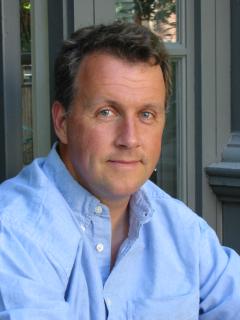 Paul Grahamrecommends 1 book here
 Warren Buffettrecommends 1 book here
 Kevin Kellyrecommends 1 book here
 Ryan Holidayrecommends 1 book here
 Antonio García Martínezrecommends 1 book here
 Balaji S. Srinivasanrecommends 1 book here
 Bob Metcalferecommends 1 book here
 Charles Kochrecommends 1 book here
 Fred Wilsonrecommends 1 book here
 James Cameronrecommends 1 book here
 Larry Ellisonrecommends 1 book here
 Peter Diamandisrecommends 1 book here
 Ruslan Koganrecommends 1 book here
 Tim Cookrecommends 1 book here