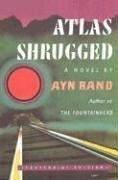
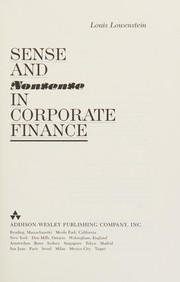
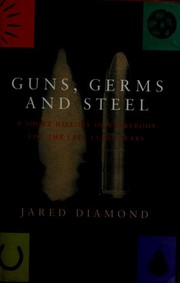
| Build-A-Bear (BBW) Part II: The Scion Capital Analyst Tempate and the All Map Paywall | Cassandra Unchained | 2026-10-29 |
| Short Thoughts: Anthropic’s S-1 Paywall | Cassandra Unchained | 2026-10-27 |
| [Abridged] Foundations: The Fate of the S&P 500’s Worst Stocks, the Y2K Analogue, and Time for Small Caps? Paywall | Cassandra Unchained | 2026-10-26 |
| Pricing Update - There will be NO Pricing/ Rate Increase November 1 | Cassandra Unchained | 2026-10-26 |
| Foundations: The Fate of the S&P 500’s Worst Stocks, the Y2K Analogue, and Time for Small Caps? Paywall | Cassandra Unchained | 2026-10-24 |
| Compression, The End of Moats | Cassandra Unchained | 2026-10-22 |
| Abridged Version Foundations: Performance in the Next Bear Market & the Caldera Under S. Park & Wall Paywall | Cassandra Unchained | 2026-10-19 |
| Foundations: Performance in the Next Bear Market & the Caldera Under S. Park & Wall Paywall | Cassandra Unchained | 2026-10-17 |
| Siloam Health - Health Care for Those in Need | Cassandra Unchained | 2026-10-14 |
| Fannie Mae, Freddie Mac, Hong Kong stocks Value Stocks late in a Bull Market, and Consolidating a Big Short Paywall | Cassandra Unchained | 2026-10-11 |
| Short Thoughts: The AI Cloud Oligopoly, Stages of Grief & a Flashing Bear Market Indicator Paywall | Cassandra Unchained | 2026-10-08 |
| Trading Post October 5, 2026 Paywall | Cassandra Unchained | 2026-10-05 |
| Don’t Believe Your Lyin’ Eyes, GPU Depreciation & Useful Lives Paywall | Cassandra Unchained | 2026-10-01 |
| Trading Post September 28, 2026 Paywall | Cassandra Unchained | 2026-09-28 |
| Short Thoughts: A Wall Street Titan Hands Us Part V.5 of Our Heretic’s Guide to AI’s Stars Paywall | Cassandra Unchained | 2026-09-28 |
| Abridged - Capital Cycle IQ & Forensic Files on the Big 5 Hyperscalers (MSFT, AMZN, ORCL, META, GOOG) Paywall | Cassandra Unchained | 2026-09-26 |
| Capital Cycle IQ & Forensic Files on the Big 5 Hyperscalers Paywall | Cassandra Unchained | 2026-09-24 |
| The Next Big Deadly Fire Nightmare is Being Incubated Right Now by the State of California | Cassandra Unchained | 2026-09-23 |
| Trading Post September 22, 2026 Paywall | Cassandra Unchained | 2026-09-22 |
| Trading Post September 21, 2026 Paywall | Cassandra Unchained | 2026-09-21 |
| The Heretic’s Guide to AI’s Stars Part IV: The Big 5 Hyperscalers & the Missing $3 Trillion Paywall | Cassandra Unchained | 2026-09-19 |
| The Sickle Cell Development Fund | Cassandra Unchained | 2026-09-16 |
| Trading Post Friday September 11, 2026 Paywall | Cassandra Unchained | 2026-09-11 |
| Short & Thankful: 300 | Cassandra Unchained | 2026-07-12 |
| [Abridged Version] Fannie, Freddie, Trump & the Housing Crisis Paywall | Cassandra Unchained | 2026-07-12 |
| Fannie, Freddie, Trump & the Housing Crisis Paywall | Cassandra Unchained | 2026-07-10 |
| Short Thoughts July 8, 2026 - NVDA, Neos, Hyperscalers, Jevons Paradox, and Compression Paywall | Cassandra Unchained | 2026-07-09 |
| Trading Post July 8, 2026 Paywall | Cassandra Unchained | 2026-07-08 |
| July 2026 Charity - Seva Foundation, Transforming Lives by Restoring Sight | Cassandra Unchained | 2026-07-04 |
| Trading Post July 2, 2026 Paywall | Cassandra Unchained | 2026-07-02 |
| Trading Post June 30, 2026 Paywall | Cassandra Unchained | 2026-06-30 |
| Foundations: My 1989 Paywall | Cassandra Unchained | 2026-06-29 |
| [Abridged] lululemon athletica (LULU): An Ode to Bad Management & The Politics of Skin-Tight Leggings Paywall | Cassandra Unchained | 2026-06-26 |
| Trading Post June 25, 2026 Paywall | Cassandra Unchained | 2026-06-25 |
| lululemon athletica (LULU): An Ode to Bad Management & The Politics of Skin-Tight Leggings Paywall | Cassandra Unchained | 2026-06-24 |
| Trading Post June 18, 2026 Paywall | Cassandra Unchained | 2026-06-19 |
| Trading Post June 16, 2026 Paywall | Cassandra Unchained | 2026-06-16 |
| June 2026 Charity of the Month | Cassandra Unchained | 2026-06-16 |
| Trading Post June 15, 2026 Paywall | Cassandra Unchained | 2026-06-15 |
| Trading Post June 12, 2026 Paywall | Cassandra Unchained | 2026-06-12 |
| Trading Post June 8, 2026 Paywall | Cassandra Unchained | 2026-06-09 |
| Trading Post June 5, 2026 Paywall | Cassandra Unchained | 2026-06-05 |
| MEGA Trading Post/Short Thoughts Mash-Up June 2, 2026 Paywall | Cassandra Unchained | 2026-06-03 |
| Short Thoughts May 29, 2026 | Cassandra Unchained | 2026-05-29 |
| [Abridged] Software & Payments Stocks Part II: Productivity Tools and Cybersecurity Paywall | Cassandra Unchained | 2026-05-29 |
| Software & Payments Stocks Part II: Productivity Tools and Cybersecurity Paywall | Cassandra Unchained | 2026-05-28 |
| Short Thoughts May 25, 2026 Paywall | Cassandra Unchained | 2026-05-26 |
| [Abridged] The Heretic’s Guide to AI’s Stars Part III: Tracepalooza & the Bezzle Paywall | Cassandra Unchained | 2026-05-23 |
| The Heretic’s Guide to AI’s Stars Part III: Tracepalooza & the Bezzle Paywall | Cassandra Unchained | 2026-05-22 |
| Trading Post May 18, 2026 Paywall | Cassandra Unchained | 2026-05-18 |
| National Brain Tumor Society - May 2026 | Cassandra Unchained | 2026-05-17 |
| D'AI of the Triffids: Office Software Triage (Abridged Version) Paywall | Cassandra Unchained | 2026-05-17 |
| D'AI of the Triffids: Office Software Triage Paywall | Cassandra Unchained | 2026-05-15 |
| Trading Post May 12, 2026 Paywall | Cassandra Unchained | 2026-05-12 |
| About That Boy Who Cried Wolf Paywall | Cassandra Unchained | 2026-05-11 |
| Trading Post Friday May 8, 2026 Paywall | Cassandra Unchained | 2026-05-08 |
| Trading Post May 7, 2026 Paywall | Cassandra Unchained | 2026-05-07 |
| Trading Post Wednesday May 6, 2026 Paywall | Cassandra Unchained | 2026-05-07 |
| Trading Post Tuesday May 5, 2026 Paywall | Cassandra Unchained | 2026-05-05 |
| Trading Post Monday May 4, 2026 Paywall | Cassandra Unchained | 2026-05-04 |
| GameStop Makes Its Play Paywall | Cassandra Unchained | 2026-05-04 |
| Short Thoughts May 2, 2026 Paywall | Cassandra Unchained | 2026-05-02 |
| Trading Post Wednesday April 29, 2026 Paywall | Cassandra Unchained | 2026-04-30 |
| Trading Post Friday April 24, 2026 Paywall | Cassandra Unchained | 2026-04-24 |
| Trading Post Thursday April 23, 2026 Paywall | Cassandra Unchained | 2026-04-23 |
| Trading Post Wednesday, April 22, 2026 Paywall | Cassandra Unchained | 2026-04-22 |
| Trading Post Wednesday April 15, 2026 Paywall | Cassandra Unchained | 2026-04-15 |
| Trading Post Monday April 13th Paywall | Cassandra Unchained | 2026-04-13 |
| Trading Post April 10, 2026 Paywall | Cassandra Unchained | 2026-04-10 |
| Trade Alert Friday April 10, 2026 Paywall | Cassandra Unchained | 2026-04-10 |
| New Feature: Dr. Burry's Trade Alerts! | Cassandra Unchained | 2026-04-10 |
| April 2026 Charity - Joyful Heart Foundation | Cassandra Unchained | 2026-04-08 |
| AP SBC: The Tragic Algebra Recurrence Paywall | Cassandra Unchained | 2026-04-07 |
| The Toxic Twins Recurrence: Fannie Mae & Freddie Mac Paywall | Cassandra Unchained | 2026-03-26 |
| Hong Kong Stocks: Structure & Strategy, Part 2 Paywall | Cassandra Unchained | 2026-03-11 |
| March 2026 Charity of the Month - The Headstrong Project | Cassandra Unchained | 2026-03-09 |
| Foundations: U.S. Market Structure & Value Paywall | Cassandra Unchained | 2026-03-03 |
| Hystory Rhymes: Large Language Models Off to a Bad Start? Paywall | Cassandra Unchained | 2026-02-28 |
| Hong Kong Stocks: Structure & Strategy Paywall | Cassandra Unchained | 2026-02-26 |
| Short Thought: Nvidia Ratchets Up the Risk Paywall | Cassandra Unchained | 2026-02-26 |
| Palantir: An Accounting Paywall | Cassandra Unchained | 2026-02-19 |
| Palantir’s New Clothes: Foundry, AIP, & the Failure of Reason Paywall | Cassandra Unchained | 2026-02-12 |
| February 2026 Cassandra Unchained Charity of the Month | Cassandra Unchained | 2026-02-03 |
| Short Thoughts: February 2, 2026 Paywall | Cassandra Unchained | 2026-02-02 |
| Final Stop GameStop: The Jig is Up Paywall | Cassandra Unchained | 2026-01-26 |
| The Payments Giants: FEE FI FOUR Umm… Paywall | Cassandra Unchained | 2026-01-15 |
| Short Thoughts: January 12, 2026 Paywall | Cassandra Unchained | 2026-01-12 |
| The Blessed Fraud Recurrence Paywall | Cassandra Unchained | 2026-01-09 |
| January 2026 Cassandra Unchained Charity of the Month | Cassandra Unchained | 2026-01-07 |
| Short Thoughts: January 5, 2026 Paywall | Cassandra Unchained | 2026-01-05 |
| Foundations: My Summer of 1994 | Cassandra Unchained | 2026-01-01 |
| Molina Healthcare: Ghosts of GEICO Past Paywall | Cassandra Unchained | 2025-12-30 |
| Foundations: The Psychology of Investing in the Information Age Paywall | Cassandra Unchained | 2025-12-19 |
| Foundations: The Big Short Squeeze Paywall | Cassandra Unchained | 2025-12-16 |
| The Supply-Side Gluttony Recurrence Paywall | Cassandra Unchained | 2025-12-11 |
| Fannie & Freddie, Toxic Twins No More No More? Paywall | Cassandra Unchained | 2025-12-08 |
| December 2025 Cassandra Unchained Charity of the Month | Cassandra Unchained | 2025-12-03 |
| Michael Lewis: Against the Rules Podcast | Cassandra Unchained | 2025-12-02 |
| Foundations: The Tragic Algebra of Stock-Based Compensation Paywall | Cassandra Unchained | 2025-12-01 |
| Unicorns and Cockroaches: Paywall | Cassandra Unchained | 2025-11-26 |
| Foundations: My 1999 (and part of 2000) Paywall | Cassandra Unchained | 2025-11-23 |
| The Cardinal Sign of a Bubble: Supply-Side Gluttony Paywall | Cassandra Unchained | 2025-11-23 |
 Scion Asset Management