Philosophy of science and mind
Holds books on how science knows what it knows, on consciousness and free will, and on logic, probability and the nature of physical reality.
Start here
- The Logic of Scientific DiscoveryKarl Popper, 1959
- The Structure of Scientific RevolutionsThomas S. Kuhn, 1962
- Conjectures and RefutationsKarl Popper, 1963
- Godel, Escher, BachDouglas R. Hofstadter, 1979
- Science and SanityAlfred Korzybski, 1933
Falsifiability as the line between science and non-science.
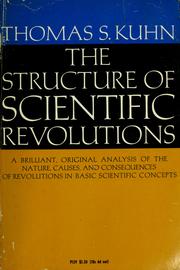
Science moves through long stretches of normal work broken by paradigm shifts.
Recommended by: Nat Eliason, Charlie Munger, Mark Zuckerberg and 5 others

Knowledge grows by bold guesses that we then try to refute, not by proof.
Recommended by: Patrick Collison
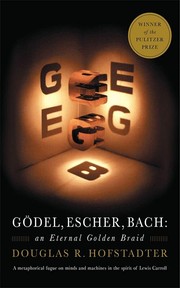
How a mind could arise from parts, traced through Godel, Escher and Bach.
Recommended by: Nat Eliason, Naval Ravikant, Demis Hassabis and 3 others
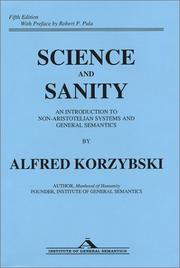
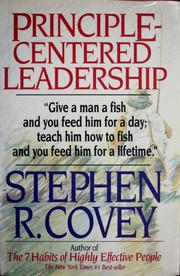
Applies the Seven Habits to organisations: lead by fixed principles, not by values.
Recommended by: Mohnish Pabrai
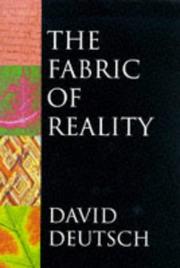
Reality through four strands: many-worlds physics, computation, evolution, Popper.
Recommended by: Naval Ravikant, Patrick Collison and 2 others
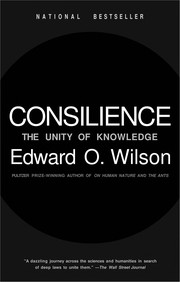
How the sciences and humanities can be unified by causal links from physics up.
“I was inspired by E. O. Wilson's book Consilience, which came out in 1998 and is a book I'd recommend.” — Michael Mauboussin
Source: MOI Global interview with Michael Mauboussin
Recommended by: Michael Mauboussin, Mohnish Pabrai
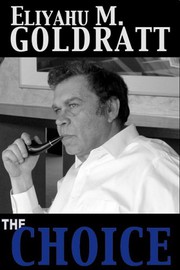
A dialogue on thinking clearly: reality is simple, conflicts can be resolved.
Recommended by: Mohnish Pabrai
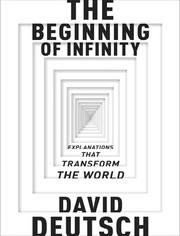
Knowledge can grow without limit through good explanations that are hard to vary.
Recommended by: Nat Eliason, Naval Ravikant, Albert Wenger and 5 others
Why economics misapplies probability to problems where the future is unknowable.
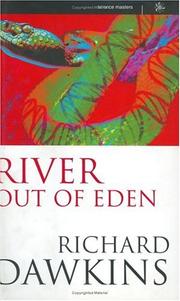
Genes as a river of digital information; a short Dawkins primer
Recommended by: Ray Dalio
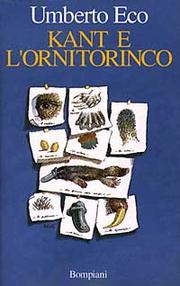
Eco on how we categorise the world and where categories fail
Recommended by: Nassim Nicholas Taleb
Nozick on objectivity and what stays invariant across perspectives
Recommended by: Nassim Nicholas Taleb
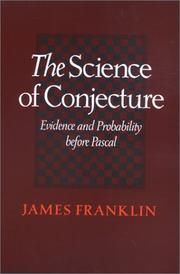
How evidence and probability were reasoned about before formal statistics
Recommended by: Nassim Nicholas Taleb

Elster on mechanisms rather than laws in the social sciences
Recommended by: Mohnish Pabrai, Nassim Nicholas Taleb
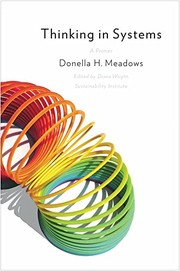
Meadows wrote this before systems thinking became a popular phrase, and it remains the clearest account of why short-term interventions in complex systems so often backfire. The chapter on leverage points is the conceptual core of what long-term thinking actually requires from decision-makers.
Recommended by: Patrick O'Shaughnessy, Daniel Burka and 3 others
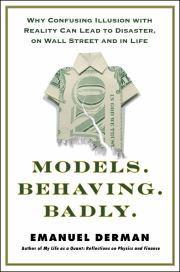
A quant on confusing models with reality, in finance and life
Recommended by: Nassim Nicholas Taleb
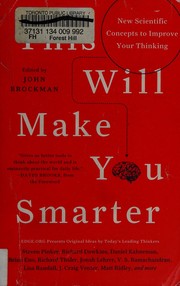
Short essays on the scientific concepts most worth adopting
Recommended by: Morgan Housel, Patrick Collison
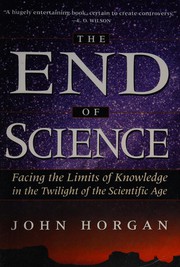
The limits of scientific knowledge and what cannot be measured
Recommended by: Shane Parrish
When the simpler theory is the better one: the principle of parsimony tested.
How present certainties will look to the future; outside view applied
“Hard to read and not emerge humbled.” — Marc Andreessen
Source: @pmarca, 'Thread: Books I've recently read and recommend'
Recommended by: Marc Andreessen, Brad Feld, Bryan Johnson and 1 other
Dawkins narrates the whole of evolutionary history as a pilgrimage backward in time, meeting ancestors at each branching point. The cumulative effect is a felt sense of deep time that no abstract statement about 'billions of years' can produce. Reading this first recalibrates everything that follows.
Recommended by: Patrick Collison
Recommended by: Vlad Zamfir

Examples showing what the logical-analytic method in philosophy can and cannot do.
Recommended by: Patrick Collison
Recommended by: Mohnish Pabrai
Recommended by: Patrick Collison, Paul Graham
Essays, talks and letters from 1934 to 1950 on social, religious and school issues.
Recommended by: Eric Weinstein
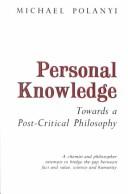
Argues that scientific knowledge joins personal experience, moral judgement and data.
Recommended by: Charles Koch
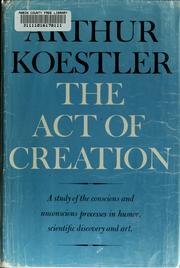
Creativity in humour, science and art as 'bisociation': joining two unrelated frames.
Recommended by: Patrick O'Shaughnessy, Adam Robinson
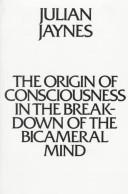
The theory that consciousness is learned, arising from a once two-chambered mind.
Recommended by: Patrick O'Shaughnessy, Adam Robinson and 3 others

Metaphor as a basic mechanism of thought that shapes how people understand the world.
Recommended by: Nat Eliason, Matt Mullenweg, Nick Szabo and 1 other
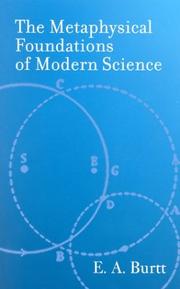
Recommended by: Patrick Collison
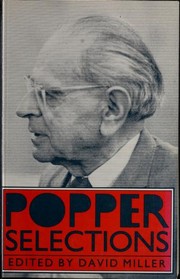
Thirty selections from Popper's writings, chosen to show the range of his ideas.
Recommended by: Patrick Collison
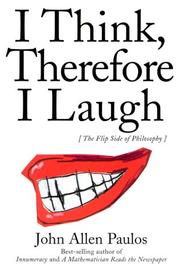
Analytic philosophy and logic presented through humour
Recommended by: Mohnish Pabrai, Nassim Nicholas Taleb
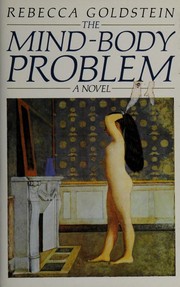
A philosophy student marries a math prodigy and weighs the mind against the body.
Recommended by: Patrick Collison
Recommended by: Matt Mullenweg
Recommended by: Stewart Brand
Information theory as a unifying idea across three scientists' work
Recommended by: Charlie Munger, Mohnish Pabrai
Recommended by: Mohnish Pabrai

Recommended by: Patrick Collison
Recommended by: Mohnish Pabrai
A collection of Richard Feynman's best short works.
Recommended by: Brian Armstrong, Larry Page
Recommended by: Bret Victor

Recommended by: Mohnish Pabrai
Recommended by: Mohnish Pabrai
Argues that string theory is not a theory at all, since it makes no predictions.
Recommended by: Eric Weinstein
Recommended by: Patrick Collison

Rare, unforeseen, high-impact events drive history, explained only after the fact.
“The message of The Black Swan is how important it is to realize that the things everyone rules out can still come to pass.” — Howard Marks
Source: Oaktree memo 'The Limits to Negativism'
Recommended by: Howard Marks, Marc Andreessen, Nat Eliason and 18 others
Recommended by: Patrick Collison
Recommended by: Patrick Collison, Eric Weinstein
Recommended by: Patrick Collison
Philosophical treatment of contingency and the practice of option trading
Recommended by: Nassim Nicholas Taleb
Recommended by: Warren Buffett
Recommended by: Patrick Collison
Recommended by: Nassim Nicholas Taleb
Recommended by: Patrick Collison

Short illustrated catalogue of the common logical fallacies
Recommended by: Shane Parrish
Thought experiments and other tools a philosopher uses to reason carefully.
Recommended by: Patrick Collison, Shane Parrish
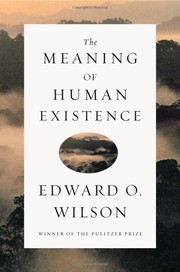
Recommended by: Ray Dalio
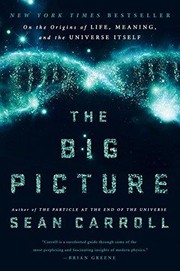
From the origin of the universe through life and consciousness to what it all means.
Recommended by: Elon Musk, Scott Farquhar

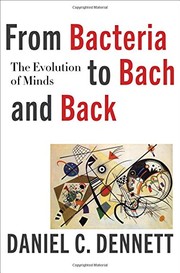
Recommended by: Ray Dalio, Esther Dyson, Vinod Khosla
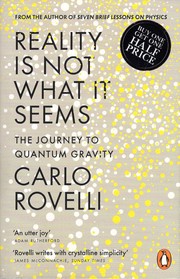
The nature of space, time and the quantum world, on the road to quantum gravity.
Recommended by: Naval Ravikant
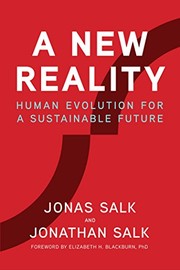
Recommended by: Arianna Huffington
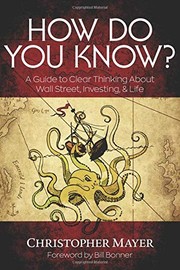
Subtitled A Guide to Clear Thinking About Wall Street, Investing, and Life.
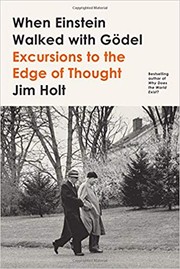
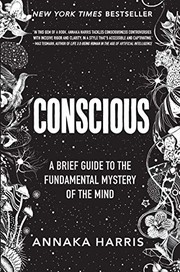
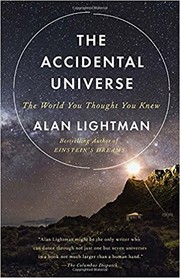
Recommended by: Patrick O'Shaughnessy
An argument that consciousness is not algorithmic and rests on quantum mechanics.
Recommended by: Patrick Collison
The mind-body problem from Descartes to today, and a case for neutral monism.
Recommended by: Mario Gabriele, Patrick Collison
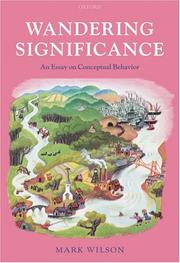
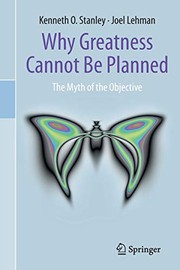
Recommended by: Ev Williams
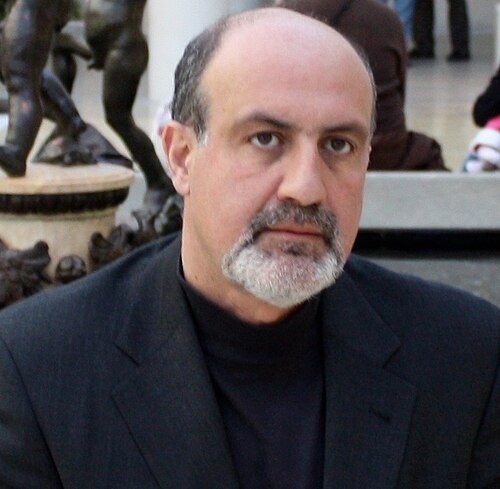 Nassim Nicholas Talebwrote 1 book here
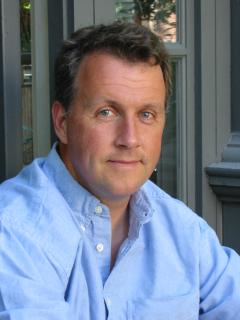 Paul Grahamwrote 1 book here
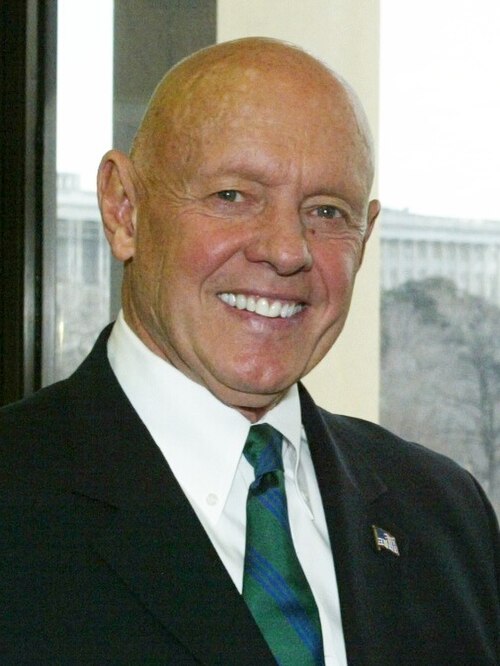 Stephen Coveywrote 1 book here
 Emanuel Dermanwrote 1 book here
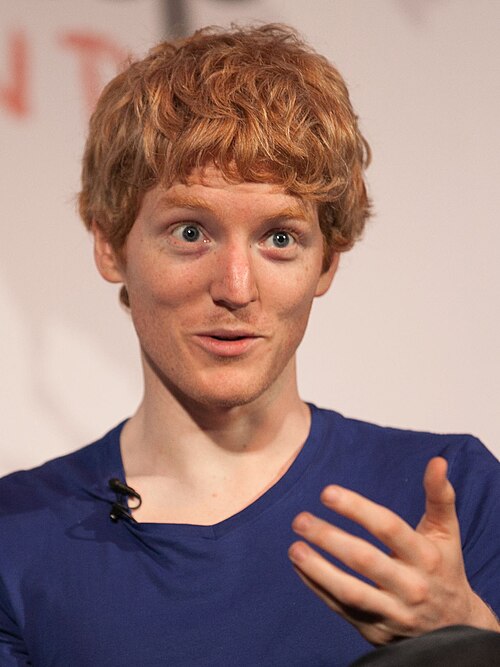 Patrick Collisonrecommends 29 books here
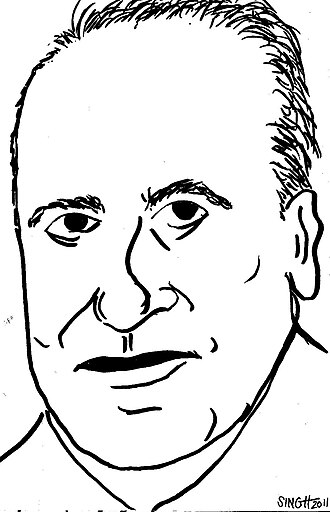 Mohnish Pabrairecommends 14 books hereNassim Nicholas Talebrecommends 9 books here
 Naval Ravikantrecommends 8 books here
 Matt Mullenwegrecommends 4 books here
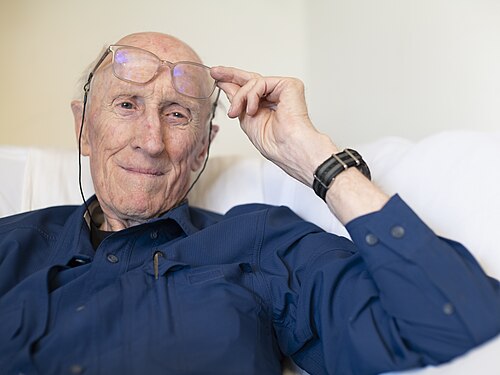 Stewart Brandrecommends 4 books here
 Marc Andreessenrecommends 3 books here
 Ray Daliorecommends 3 books here
 Bryan Johnsonrecommends 3 books here
Show all 64
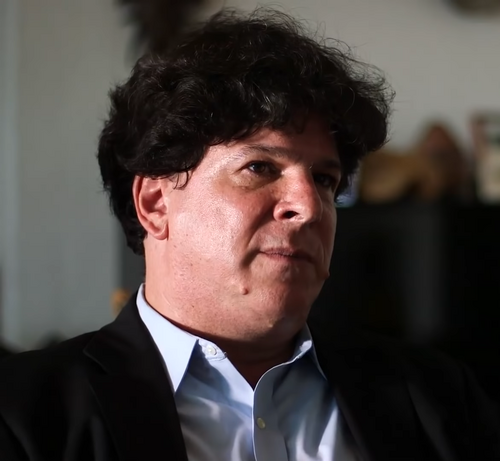 Eric Weinsteinrecommends 3 books here
 Charlie Mungerrecommends 2 books herePaul Grahamrecommends 2 books here
 Chris Andersonrecommends 2 books here
 Bret Victorrecommends 2 books here
 Mark Zuckerbergrecommends 2 books here
 Sam Altmanrecommends 2 books here
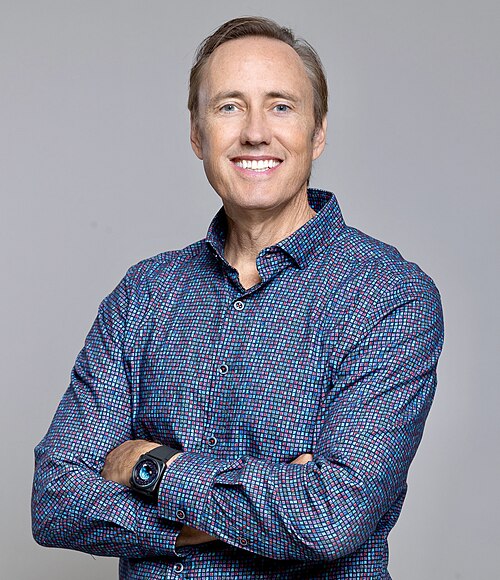 Steve Jurvetsonrecommends 2 books here
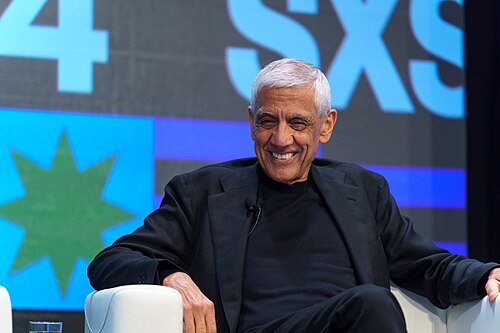 Vinod Khoslarecommends 2 books here
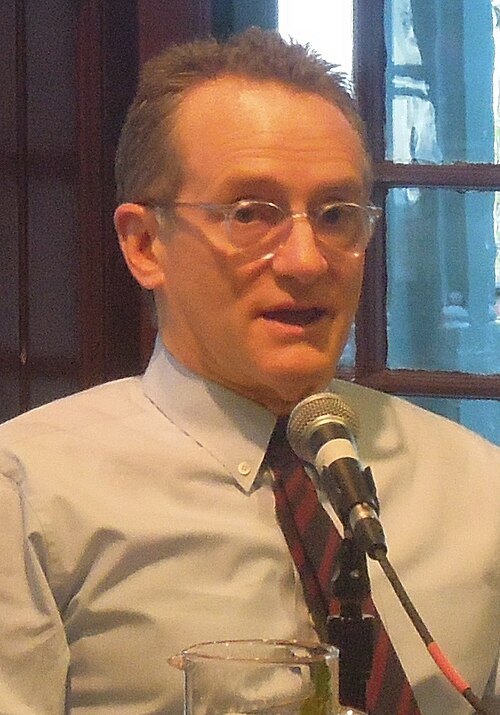 Howard Marksrecommends 1 book here
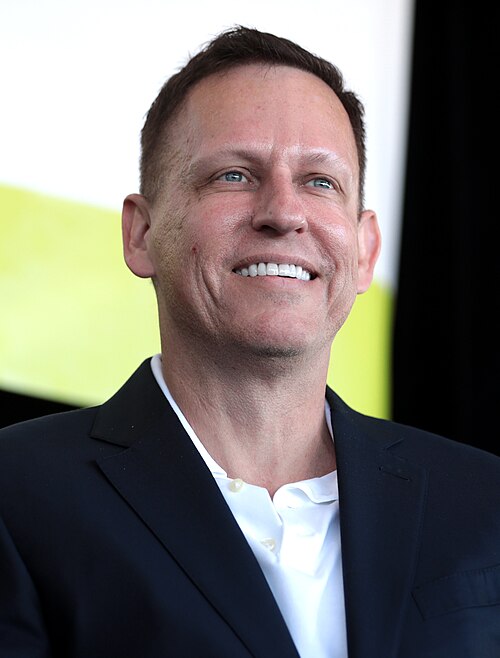 Peter Thielrecommends 1 book here
 Warren Buffettrecommends 1 book here
 Brad Feldrecommends 1 book here
 Kevin Kellyrecommends 1 book here
 Ryan Holidayrecommends 1 book here
 Simon Sinekrecommends 1 book here
 Albert Wengerrecommends 1 book here
 Arianna Huffingtonrecommends 1 book here
 Bill Gatesrecommends 1 book here
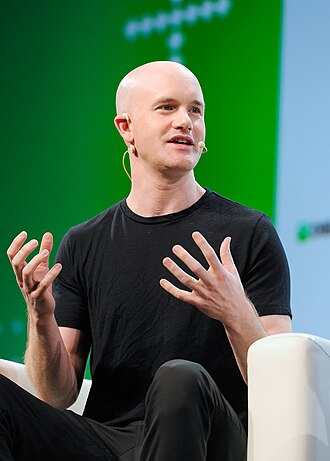 Brian Armstrongrecommends 1 book here
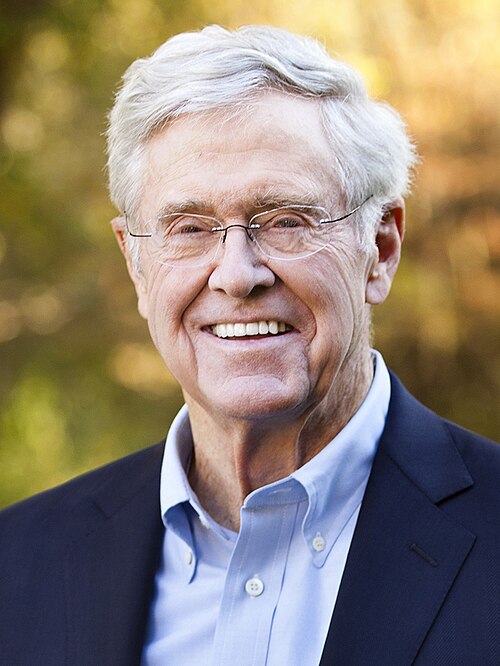 Charles Kochrecommends 1 book here
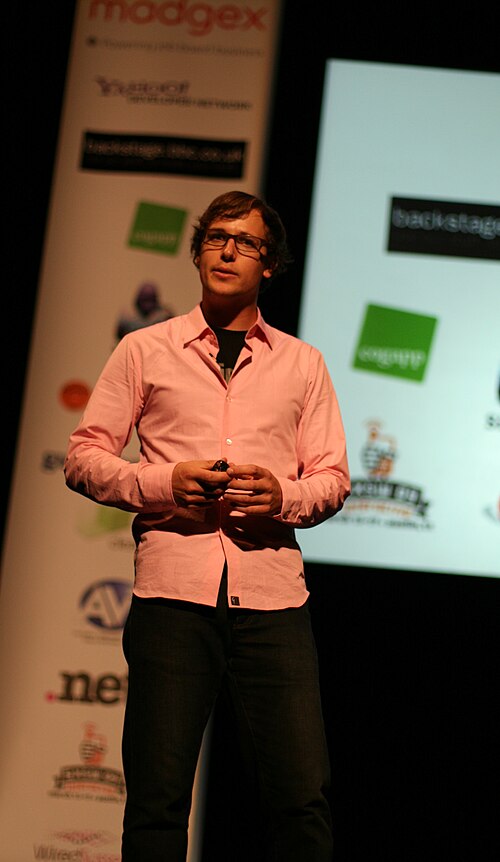 Daniel Burkarecommends 1 book here
 Demis Hassabisrecommends 1 book here
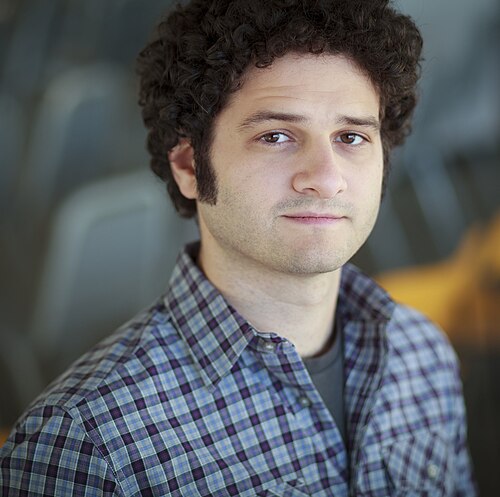 Dustin Moskovitzrecommends 1 book here
 Elon Muskrecommends 1 book here
 Esther Dysonrecommends 1 book here
 Ev Williamsrecommends 1 book here
 James Altucherrecommends 1 book here
 James Cameronrecommends 1 book here
 Jeff Bezosrecommends 1 book here
 John Maedarecommends 1 book here
 Larry Pagerecommends 1 book here
 Scott Farquharrecommends 1 book here
 Steve Jobsrecommends 1 book here
 Tim Ferrissrecommends 1 book here
 Tristan Harrisrecommends 1 book here
 Vlad Tenevrecommends 1 book here