
Stephen Covey
Educator and speaker best known for The 7 Habits of Highly Effective People; also wrote First Things First and The 8th Habit. Died in 2012.
The 7 Habits of Highly Effective People organises personal effectiveness around principles rather than techniques, and its working parts - the circle of influence, the urgency-importance quadrants, begin with the end in mind, think win-win - entered standard managerial vocabulary. Principle-Centered Leadership applies the same framework at organisational scale.
3 books of their own
Start here
- The 7 Habits of Highly Effective PeopleStephen R. Covey, 1989
- Principle Centered LeadershipStephen Covey, 1989
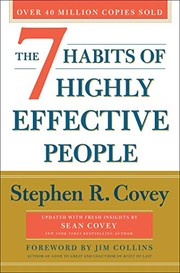
Seven habits, from being proactive to win-win, that build personal effectiveness.
“…books I've recommended, highlighted to death, or forced on friends.” — Andrew Wilkinson
Source: Andrew Wilkinson's Bookshelf, neverenough.com
Recommended by: Andrew Wilkinson, Jim Collins and 10 others

Applies the Seven Habits to organisations: lead by fixed principles, not by values.
Recommended by: Mohnish Pabrai
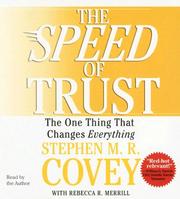
Trust as an economic variable: low trust adds cost and slows everything.
Recommended by: John Maeda
 The 7 Habits of Highly Effective People | Seven habits, from being proactive to win-win, that build personal effectiveness. | 1989 | T2 | Andrew Wilkinson, Jim Collins, Mohnish Pabrai and 9 others |
 Principle Centered Leadership | Applies the Seven Habits to organisations: lead by fixed principles, not by values. | 1989 | T2 | Mohnish Pabrai |
 The Speed of Trust | Trust as an economic variable: low trust adds cost and slows everything. | 2006 | T2 | John Maeda |
| Stephen R. Covey dies; author of ‘The 7 Habits of Highly Effective People’ was 79 Paywall | The Washington Post | 2012 |
| Stephen R. Covey dies at 79; wrote influential self-help bestseller Paywall | Los Angeles Times | 2012 |
| ‘7 Habits’ gave business guru Stephen R. Covey fame, fortune | The Salt Lake Tribune | 2012 |
| Stephen Covey, "7 Habits" author, dies at 79 | Deseret News | 2012 |