Popular mathematics, history and puzzles
Books that explain mathematics to general readers, tell its history and the lives of mathematicians, and set puzzles and problems.
Start here
- On Growth and FormD'Arcy Wentworth Thompson, 1917
- Godel, Escher, BachDouglas R. Hofstadter, 1979
- ScaleGeoffrey West, 2017
- CyberneticsNorbert Wiener, 1948
- Infinite PowersSteven Strogatz, 2019

How mathematics and physical forces shape the forms of living things.
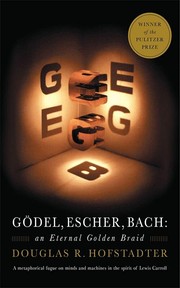
How a mind could arise from parts, traced through Godel, Escher and Bach.
Recommended by: Nat Eliason, Naval Ravikant, Demis Hassabis and 3 others
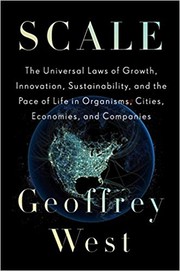
Why organisms, cities and companies follow power laws set by their supply networks.
Recommended by: Nat Eliason, Bill Miller, Marc Benioff and 2 others
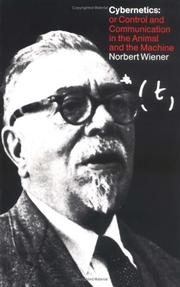
Control and communication in animals and machines run on the same principles.

How calculus works and how it made modern technology possible.
Recommended by: Michael Mauboussin, Naval Ravikant

Network science on how success and reputation compound unequally
Recommended by: Nassim Nicholas Taleb, Vinod Khosla
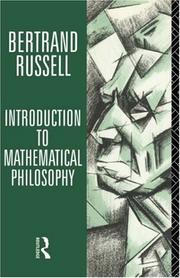
Recommended by: Vlad Zamfir
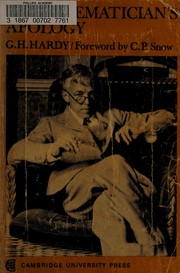
Recommended by: Patrick Collison, Paul Graham

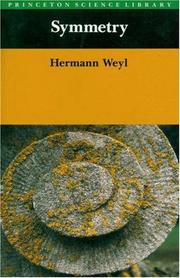

How the concept of number evolved from prehistoric times to the twentieth century.
Recommended by: Bryan Johnson

Recommended by: Patrick Collison

Analytic philosophy and logic presented through humour
Recommended by: Mohnish Pabrai, Nassim Nicholas Taleb
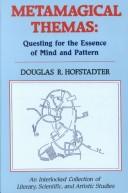
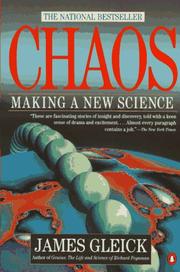
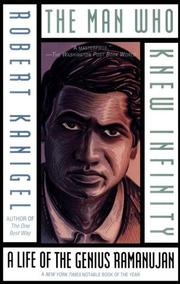
Recommended by: Patrick Collison, Paul Graham and 1 other
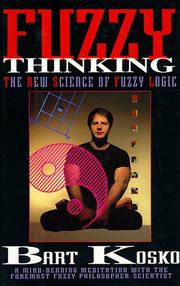
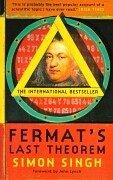
Recommended by: Mohnish Pabrai, Chamath Palihapitiya
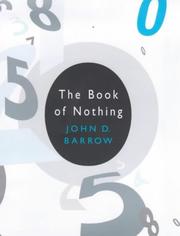
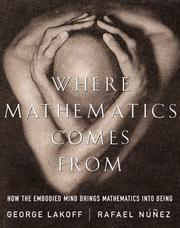
Recommended by: Bret Victor
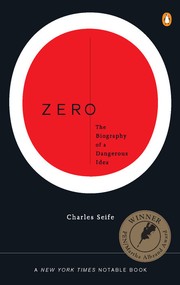
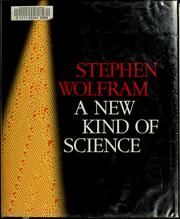
Recommended by: Mohnish Pabrai, Steve Jurvetson
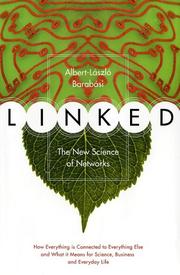
Recommended by: Mohnish Pabrai

Riemann's 1859 hypothesis on prime numbers, unsolved for 150 years.
Recommended by: Mohnish Pabrai


Recommended by: Patrick Collison

Recommended by: Patrick Collison

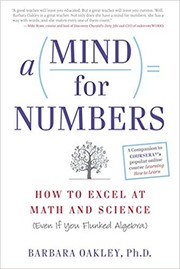
Recommended by: Mohnish Pabrai

Recommended by: Bill Gates, Keith Rabois, Nick Ganju

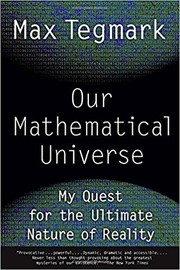
The hypothesis that physical reality is a mathematical structure, through physics.
Recommended by: Mark Cuban

Recommended by: Bret Victor


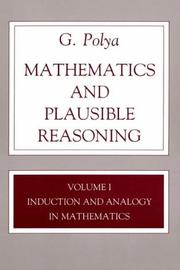
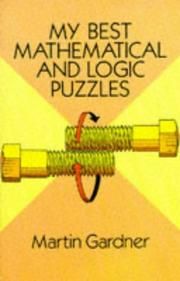
Short math and logic puzzles, from the mutilated chessboard to the fork in the road.
Recommended by: Patrick Collison

Recommended by: Paul Graham
 Patrick Collisonrecommends 15 books here
 Mohnish Pabrairecommends 6 books here
 Paul Grahamrecommends 5 books here
 Naval Ravikantrecommends 5 books here
 Bryan Johnsonrecommends 4 books here
 Bret Victorrecommends 3 books here
 Nassim Nicholas Talebrecommends 2 books here
 Steve Jurvetsonrecommends 2 books here
 Stewart Brandrecommends 2 books here
 Vinod Khoslarecommends 2 books here
Show all 28
 Kevin Kellyrecommends 1 book here
 Marc Benioffrecommends 1 book here
 Bill Gatesrecommends 1 book here
 Chamath Palihapitiyarecommends 1 book here
 Demis Hassabisrecommends 1 book here
 Eric Weinsteinrecommends 1 book here
 Ev Williamsrecommends 1 book here
 Keith Raboisrecommends 1 book here
 Mark Cubanrecommends 1 book here
 Matt Mullenwegrecommends 1 book here