Complexity and systems science
Books on chaos, networks, emergence, scaling, causality and the Santa Fe Institute view of economies as complex systems.
Start here
- ScaleGeoffrey West, 2017
- The Book of WhyJudea Pearl, Dana Mackenzie, 2018
- CyberneticsNorbert Wiener, 1948
- Order Out of ChaosIlya Prigogine, Isabelle Stengers, 1984
- Complexity: The Emerging Science at the Edge of Order and ChaosM. Mitchell Waldrop, 1992
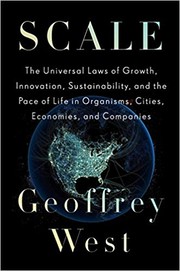
Why organisms, cities and companies follow power laws set by their supply networks.
Recommended by: Nat Eliason, Bill Miller, Marc Benioff and 2 others
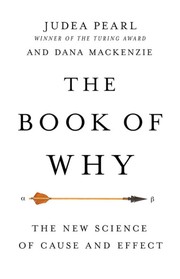
How the science of cause and effect moved past 'correlation is not causation'.
Recommended by: Bill Gates, Keith Rabois, Naval Ravikant

Control and communication in animals and machines run on the same principles.
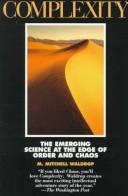
The founding of the Santa Fe Institute and the people who built complexity science.
Recommended by: Bill Gurley, Jamie Dimon, Michael Mauboussin and 1 other
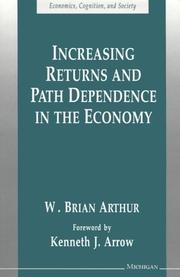
Papers showing positive feedback and lock-in govern parts of the economy.
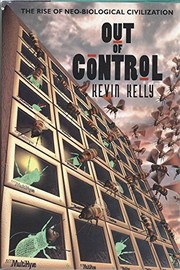
How machines and economies grow so complex that they behave like living systems.
Recommended by: Cynthia Johnson, Ev Williams and 1 other
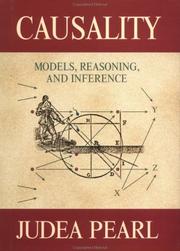
A mathematical theory of causation for statistics, AI, economics and science.
Big changes in human affairs emerge from the bottom up rather than by design.
Recommended by: Naval Ravikant
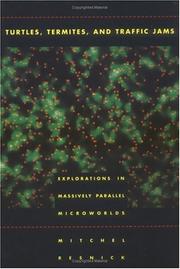
“The first challenge to the centralized mindset comes from a delightful book by MIT Professor Mitchel Resnick, "Turtles, Termites, and Traffic Jams.” — Michael Mauboussin
Source: The Invisible Lead Steer: New Answers to Old Questions About the Stock Market (CS First Boston)
Recommended by: Michael Mauboussin

Power laws, scaling and critical points across physical and social systems
Recommended by: Nassim Nicholas Taleb
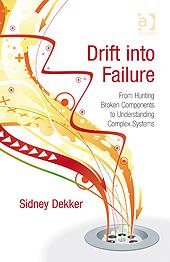
How complex systems, from subprime lending to space shuttles, drift into failure.

How economics copied the maths of 19th-century physics, and what that cost it.
“there's a wonderful book called More Heat Than Light by a professor named Phil Mirowski, which documents how economists mapped over equations from Newtonian physics” — Michael Mauboussin
Source: The Tim Ferriss Show #659 — official transcript
Recommended by: Michael Mauboussin, Eric Weinstein
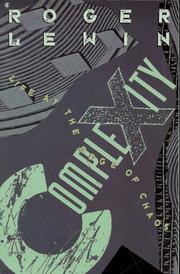
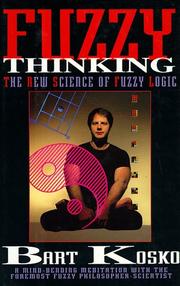
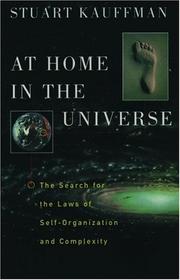
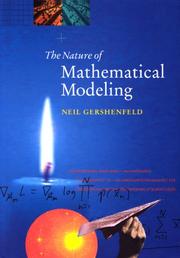
Techniques for mathematical modelling, aimed at simple, efficient computer code.
Recommended by: Patrick Collison, Bret Victor
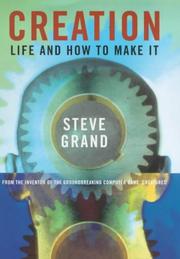
How a game designer built artificial life from simple rules of biology.
Recommended by: Mohnish Pabrai, Jeff Bezos

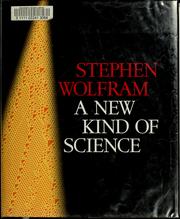
Recommended by: Mohnish Pabrai, Steve Jurvetson
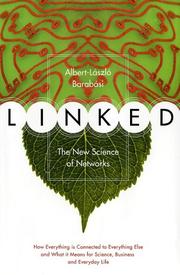
Recommended by: Mohnish Pabrai
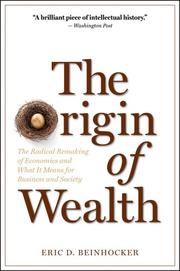
The economy as a complex evolving system rather than one in equilibrium.
Recommended by: Ryan Peterson

Recommended by: Mohnish Pabrai
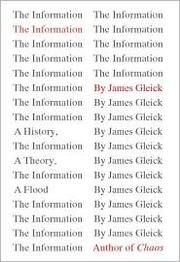
Recommended by: Marc Andreessen, Mark Zuckerberg and 2 others


 Naval Ravikantrecommends 6 books here
 Mohnish Pabrairecommends 4 books here
 Ev Williamsrecommends 3 books here
 Stewart Brandrecommends 3 books here
 Patrick Collisonrecommends 2 books here
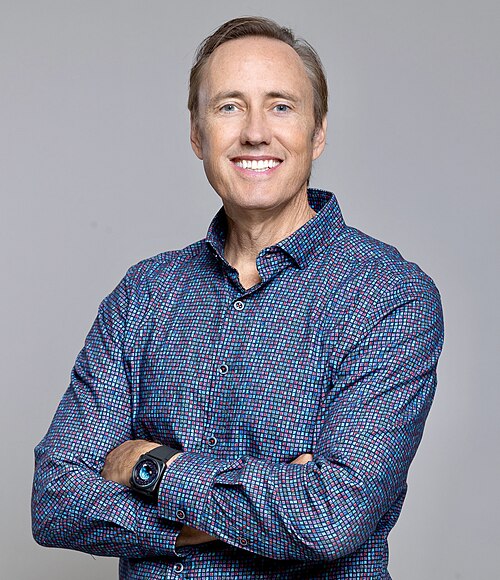 Steve Jurvetsonrecommends 2 books here
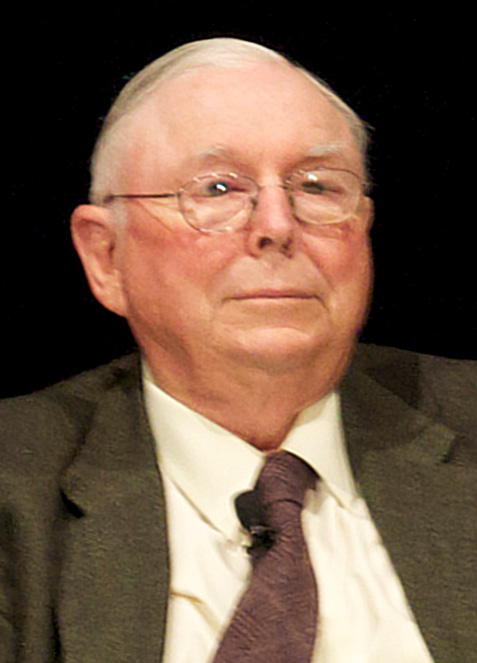 Charlie Mungerrecommends 1 book here
 Marc Andreessenrecommends 1 book here
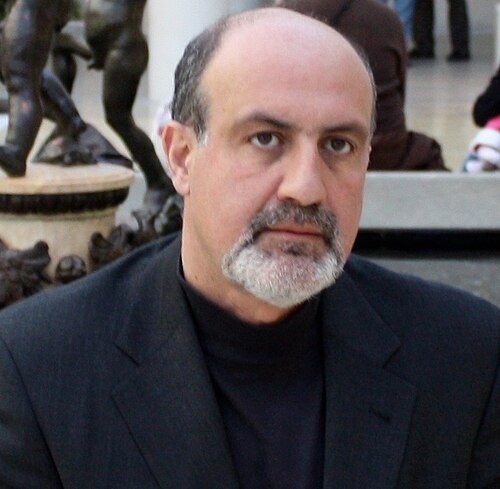 Nassim Nicholas Talebrecommends 1 book here
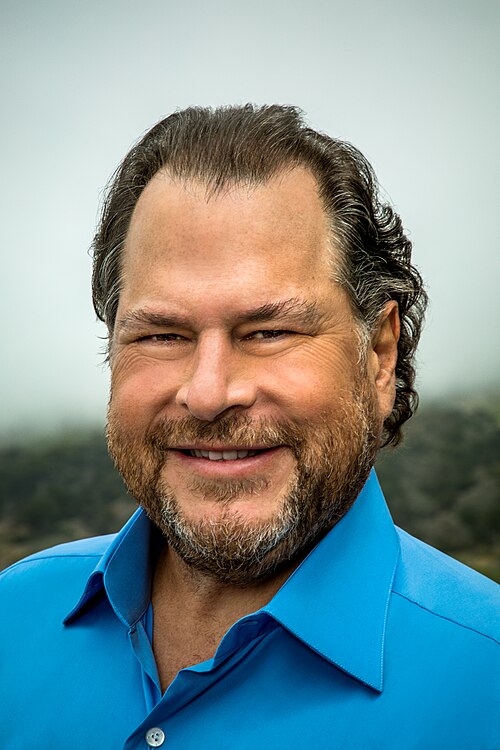 Marc Benioffrecommends 1 book here
Show all 26
 Bill Gatesrecommends 1 book here
 Bill Gurleyrecommends 1 book here
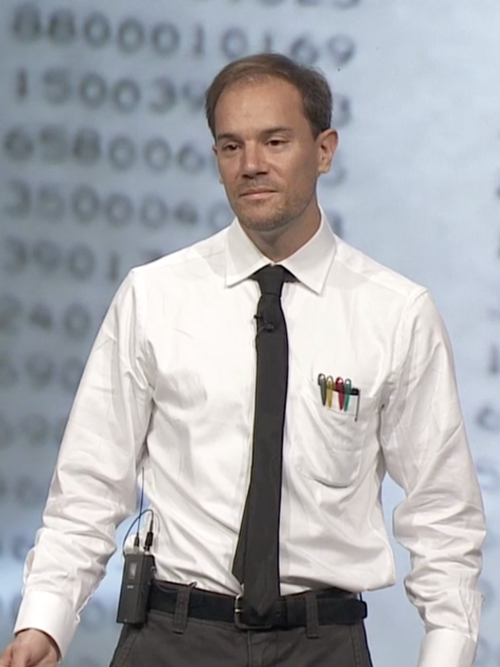 Bret Victorrecommends 1 book here
 Cynthia Johnsonrecommends 1 book here
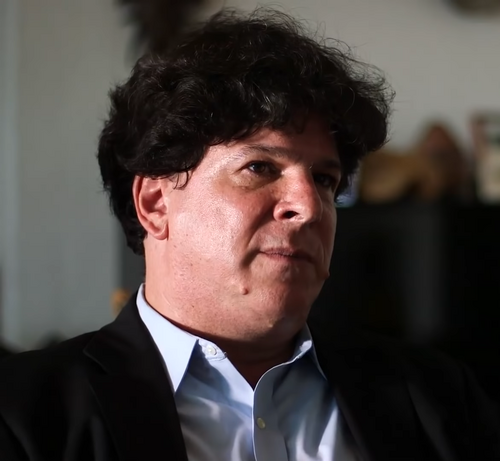 Eric Weinsteinrecommends 1 book here
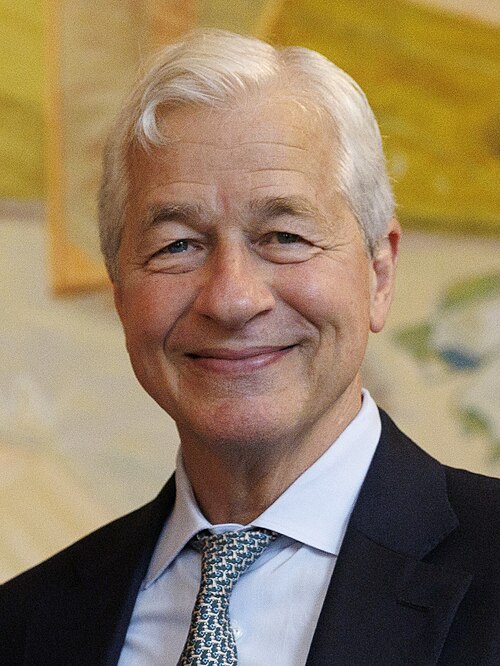 Jamie Dimonrecommends 1 book here
 Jeff Bezosrecommends 1 book here
 Keith Raboisrecommends 1 book here
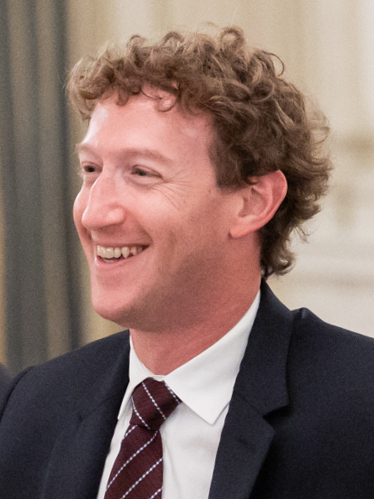 Mark Zuckerbergrecommends 1 book here
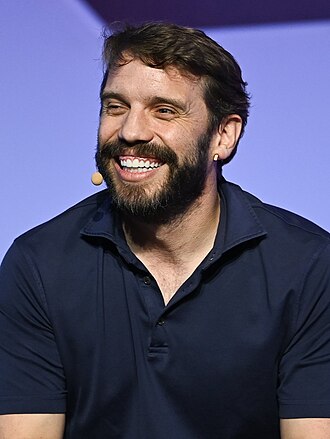 Ryan Petersonrecommends 1 book here
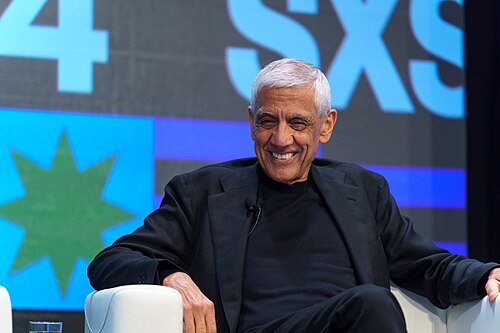 Vinod Khoslarecommends 1 book here
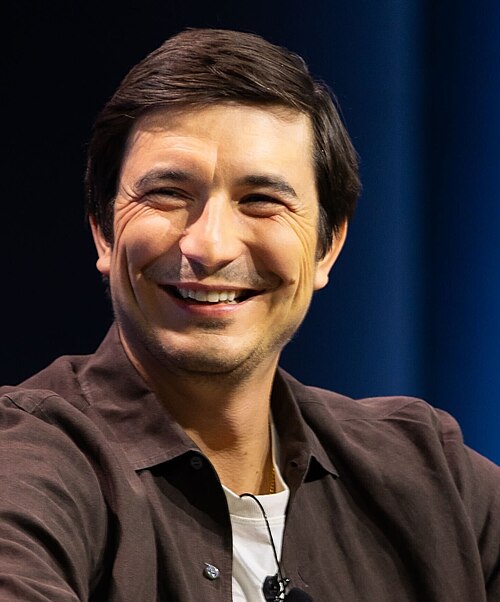 Vlad Tenevrecommends 1 book here