
Power Laws and the Pareto Principle
In power-law domains a few observations produce most of the outcome and there is no stable typical case to anchor on. Venture portfolios are underwritten expecting one company to return the fund, and index gains concentrate in a handful of names. The operative question for any portfolio is which few positions are doing all the work.
Start here
- Zero to OnePeter Thiel, Blake Masters, 2014
- The Power LawSebastian Mallaby, 2022
- The Black SwanNassim Nicholas Taleb, 2007
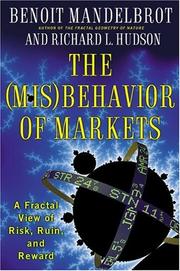
Why standard finance models understate market risk, from fractal geometry's creator.
Recommended by: Mohnish Pabrai, Nassim Nicholas Taleb and 1 other
Rare, unforeseen, high-impact events drive history, explained only after the fact.
“The message of The Black Swan is how important it is to realize that the things everyone rules out can still come to pass.” — Howard Marks
Source: Oaktree memo 'The Limits to Negativism'
Recommended by: Howard Marks, Marc Andreessen, Nat Eliason and 18 others
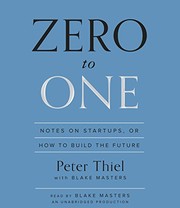
Why startups should build something new and own a small market before growing.
Recommended by: Balaji S. Srinivasan, Eric Weinstein and 36 others
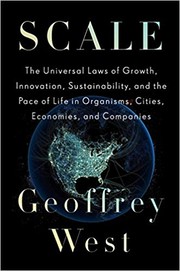
Why organisms, cities and companies follow power laws set by their supply networks.
Recommended by: Nat Eliason, Bill Miller, Marc Benioff and 2 others
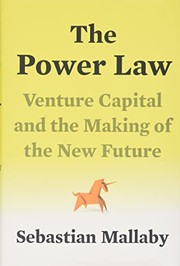
Venture capital from Arthur Rock to SoftBank, and why a few big bets pay for all.
Recommended by: Andrew Wilkinson, Anthony Pompliano and 4 others

Power laws, scaling and critical points across physical and social systems
Recommended by: Nassim Nicholas Taleb
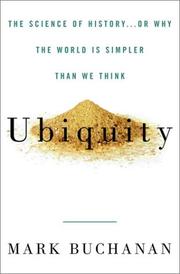
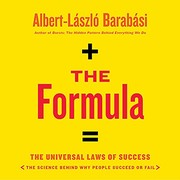
Network science on how success and reputation compound unequally
Recommended by: Nassim Nicholas Taleb, Vinod Khosla
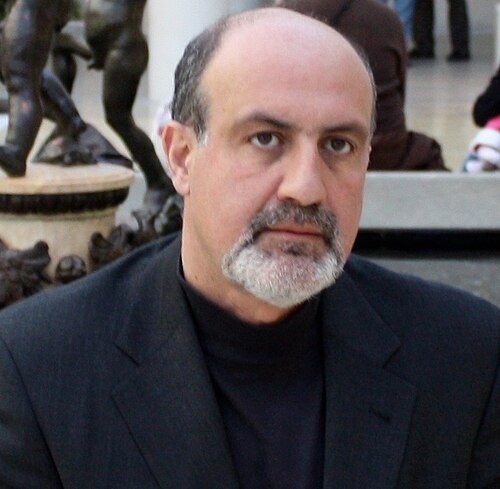 Nassim Nicholas Talebwrote 1 book here
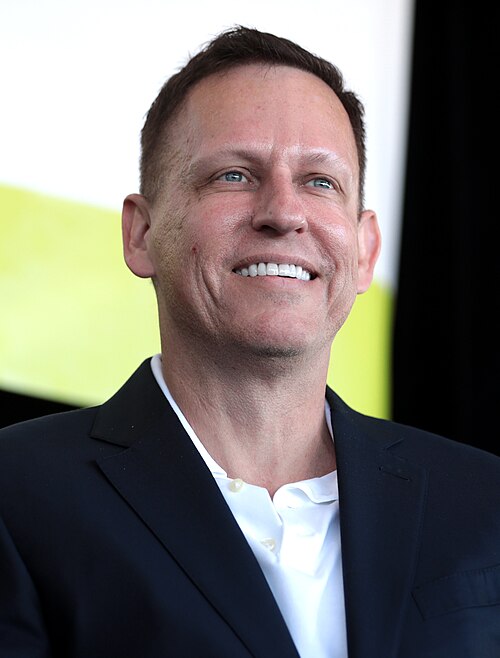 Peter Thielwrote 1 book hereNassim Nicholas Talebrecommends 5 books here
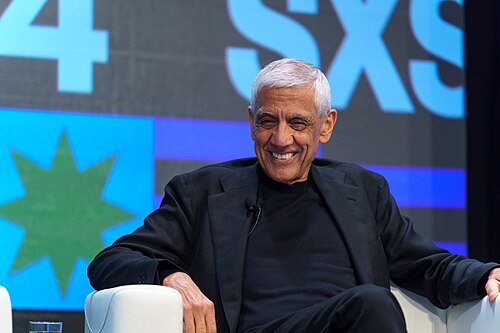 Vinod Khoslarecommends 3 books here
 Marc Andreessenrecommends 2 books here
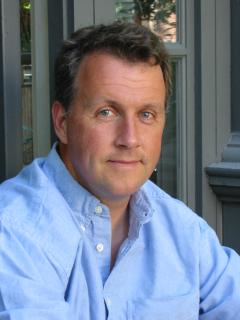 Paul Grahamrecommends 2 books herePeter Thielrecommends 2 books here
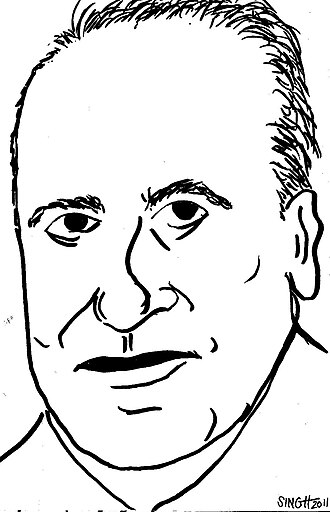 Mohnish Pabrairecommends 2 books here
 James Altucherrecommends 2 books here
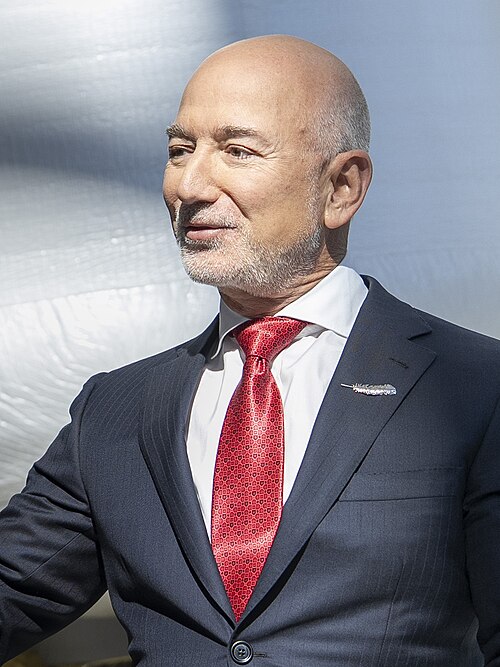 Jeff Bezosrecommends 2 books here
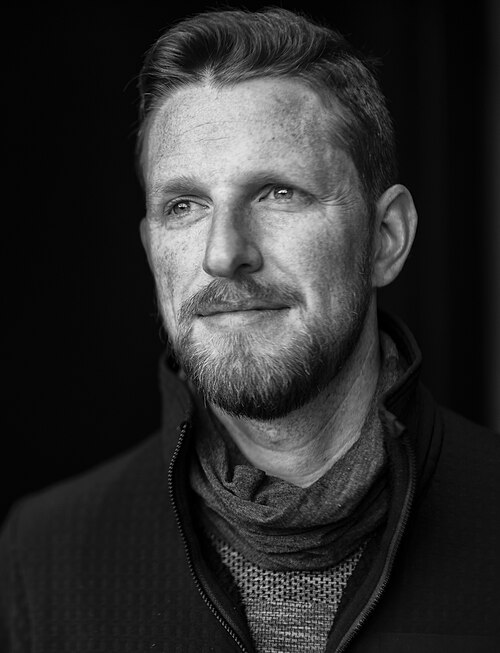 Matt Mullenwegrecommends 2 books here
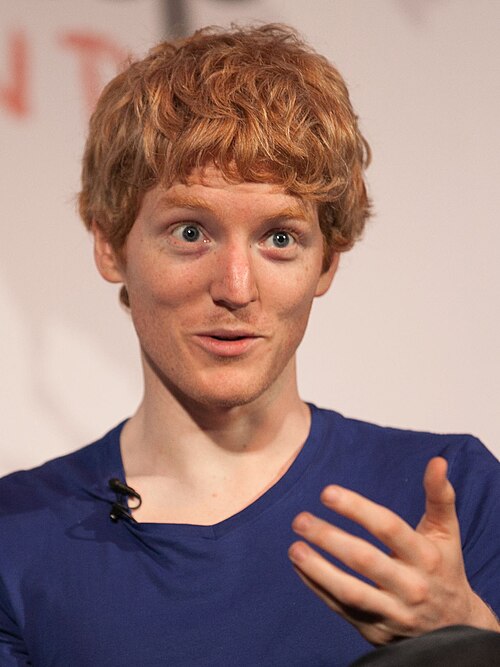 Patrick Collisonrecommends 2 books here
Show all 58
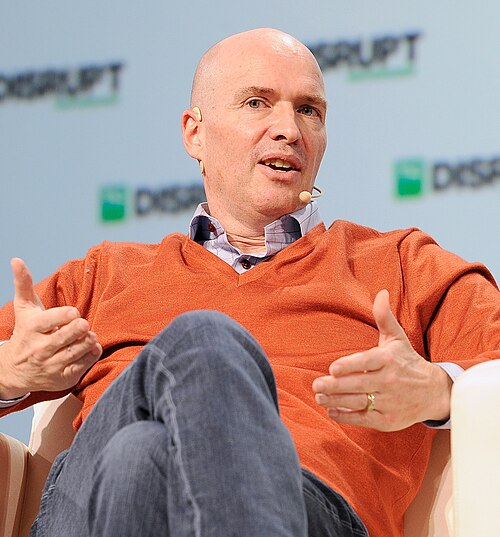 Ben Horowitzrecommends 1 book here
 Howard Marksrecommends 1 book here
 Brad Feldrecommends 1 book here
 Marc Benioffrecommends 1 book here
 Reid Hoffmanrecommends 1 book here
 Ryan Holidayrecommends 1 book here
 Simon Sinekrecommends 1 book here
 Alfred Linrecommends 1 book here
 Balaji S. Srinivasanrecommends 1 book here
 Bill Gatesrecommends 1 book here
 Brett Adcockrecommends 1 book here
 Casey Neistatrecommends 1 book here
 Chris Dixonrecommends 1 book here
 Dustin Moskovitzrecommends 1 book here
 Elon Muskrecommends 1 book here
 Eric Weinsteinrecommends 1 book here
 Keith Raboisrecommends 1 book here
 Luis von Ahnrecommends 1 book here
 Max Levchinrecommends 1 book here
 Naval Ravikantrecommends 1 book here
 Ryan Petersonrecommends 1 book here
 Sam Altmanrecommends 1 book here
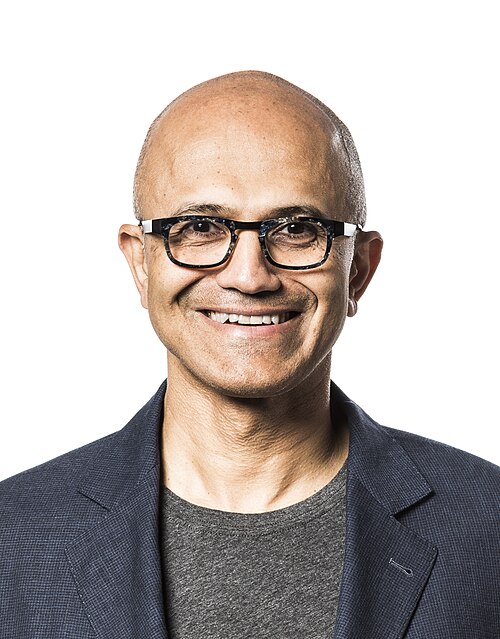 Satya Nadellarecommends 1 book here
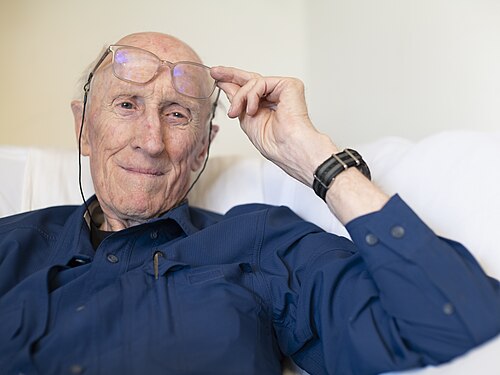 Stewart Brandrecommends 1 book here
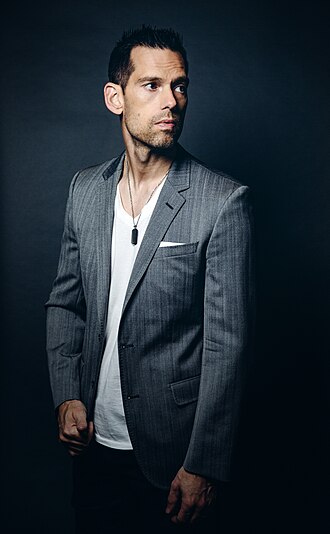 Tom Bilyeurecommends 1 book here
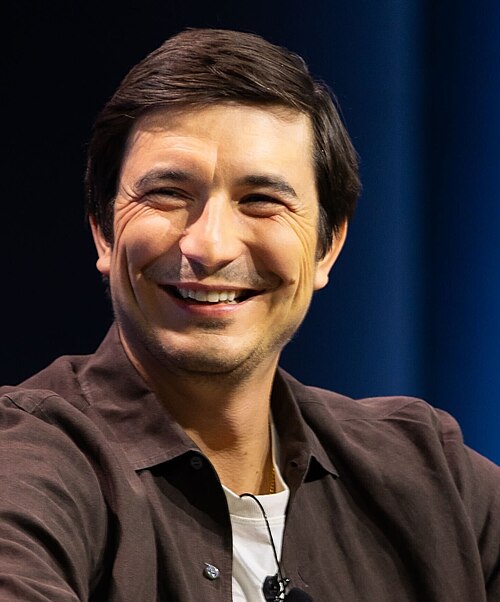 Vlad Tenevrecommends 1 book here
- Tails, You WinMorgan Housel · essay · A tiny share of events drives nearly all returns.
- Birth, Death, and Wealth CreationMichael J. Mauboussin · paper · Corporate life cycles and where value actually accrues.
- Stock Market ConcentrationMichael J. Mauboussin · paper · How much of the index a handful of names carries.
- How People Get Rich NowPaul Graham · essay · Power-law wealth creation and why it shifted.