Statistics, probability and data
Books on statistics, probability, causal inference, econometrics, forecasting, machine learning and the display of data.
Start here
- How to Lie with StatisticsDarrell Huff, 1954
- MoneyballMichael Lewis, 2003
- The Book of WhyJudea Pearl, Dana Mackenzie, 2018
- Probability, Random Variables and Stochastic ProcessesAthanasios Papoulis, S. Unnikrishna Pillai, 1965
- CausalityJudea Pearl, 2000
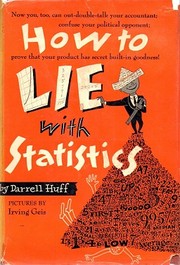
How biased samples, chosen averages and cut-off chart axes make numbers mislead.
Recommended by: Bill Gates, Mohnish Pabrai, Morgan Housel and 6 others
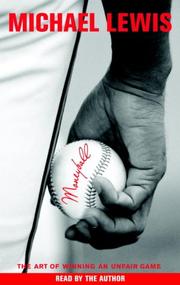
How the Oakland A's won on a small payroll by buying players the market undervalued.
“understanding how to buy undervalued players is very similar to buying undervalued stocks and so that's a really helpful book” — Joel Greenblatt
Source: Masters in Business transcript: Joel Greenblatt (2018)
Recommended by: Joel Greenblatt, Mohnish Pabrai, Ev Williams and 2 others
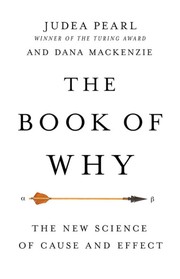
How the science of cause and effect moved past 'correlation is not causation'.
Recommended by: Bill Gates, Keith Rabois, Naval Ravikant
The graduate engineering text on probability and stochastic processes.
Recommended by: Nassim Nicholas Taleb
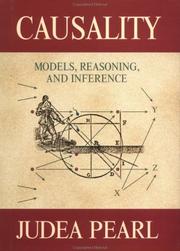
A mathematical theory of causation for statistics, AI, economics and science.
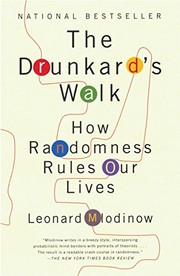
How randomness shapes our lives, the history of probability, and why we misread it.
Recommended by: Patrick Collison
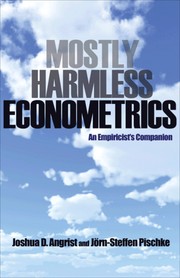
A practical guide to causal inference: regression, instruments, differences.
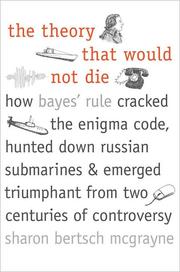
Statistics without the maths, for reading claims: averages, correlation, regression.
Recommended by: Keith Rabois
How evidence and probability were reasoned about before formal statistics
Recommended by: Nassim Nicholas Taleb
Calibration and the value of information applied to intangibles.
Recommended by: Julia Galef, Nick Ganju
Freedman on regression's assumptions and the causal claims it cannot support
Recommended by: Nassim Nicholas Taleb
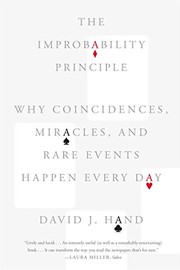
Recommended by: Mohnish Pabrai
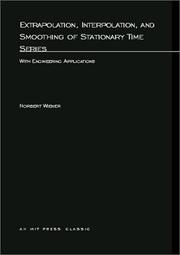
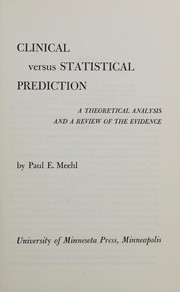
Recommended by: Daniel Kahneman
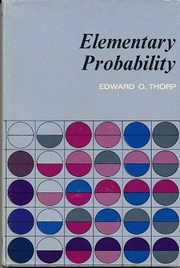
Recommended by: Patrick Collison
Recommended by: Patrick Collison, Bret Victor, Daniel Burka and 1 other
Recommended by: Bret Victor
How to show complex information on flat paper or screens, with many examples.
Recommended by: Patrick Collison, Bret Victor, Jeff Atwood and 1 other
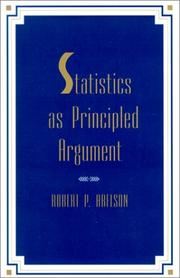
Recommended by: Patrick Collison
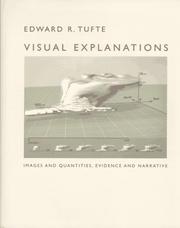
Recommended by: Patrick Collison, Bret Victor, Jeff Atwood
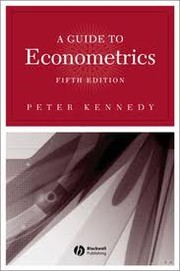
What each econometric technique is for, what it assumes and what goes wrong.
Recommended by: Nassim Nicholas Taleb
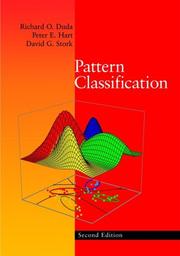
Recommended by: Eric Weinstein
Recommended by: Patrick Collison, Bret Victor, Jeff Atwood
Recommended by: Eric Weinstein
Recommended by: Eric Weinstein
Recommended by: Patrick Collison
Recommended by: Bill Gates
Recommended by: Patrick Collison
Why some forecasts succeed and most fail, from weather to earthquakes and economics.
Recommended by: Bill Gates, Mohnish Pabrai, Sophie Bakalar
Recommended by: Mohnish Pabrai
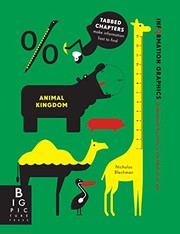
Recommended by: Coleen Baik, Jessica Hische
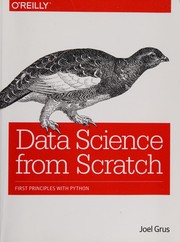
Recommended by: Balaji S. Srinivasan
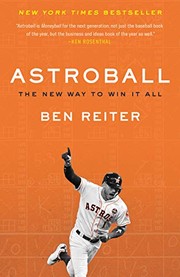
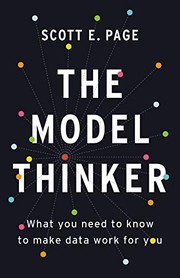
Recommended by: Keith Rabois, Michael Mauboussin
 Patrick Collisonrecommends 12 books here
 Mohnish Pabrairecommends 5 books here
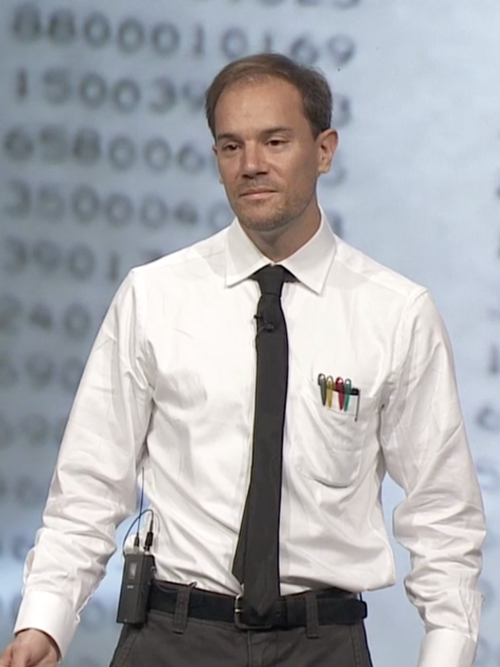 Bret Victorrecommends 5 books here
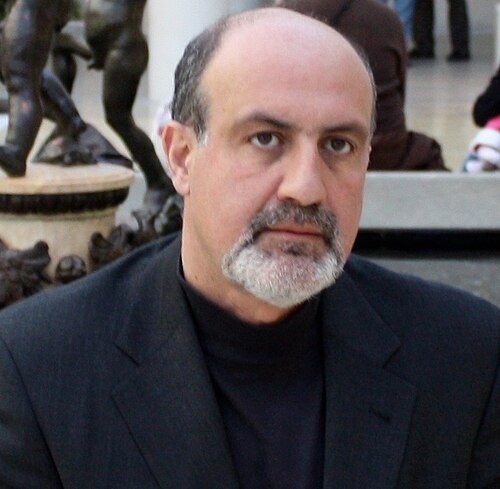 Nassim Nicholas Talebrecommends 4 books here
 Bill Gatesrecommends 4 books here
 Jeff Atwoodrecommends 4 books here
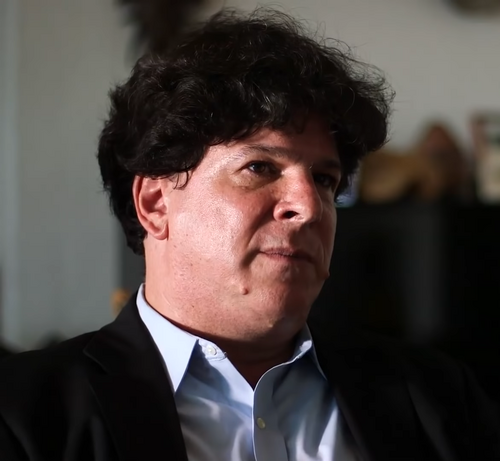 Eric Weinsteinrecommends 3 books here
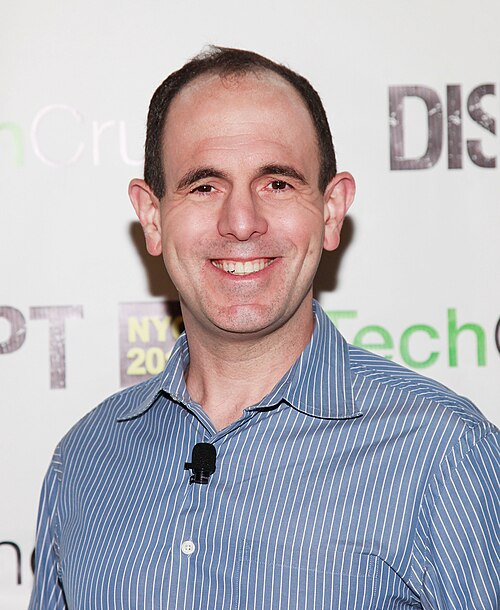 Keith Raboisrecommends 3 books here
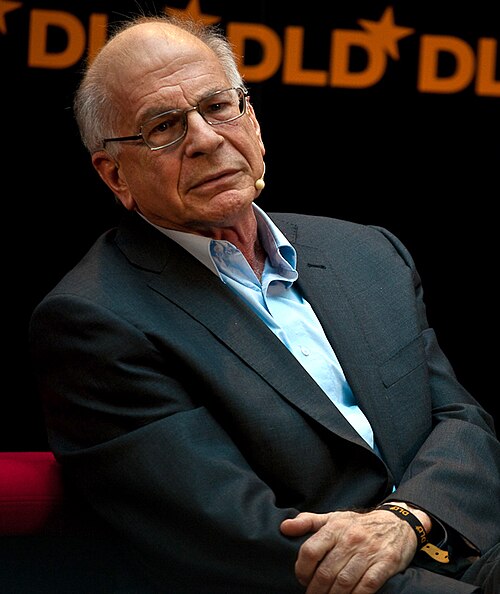 Daniel Kahnemanrecommends 1 book here
Show all 30
 Seth Klarmanrecommends 1 book here
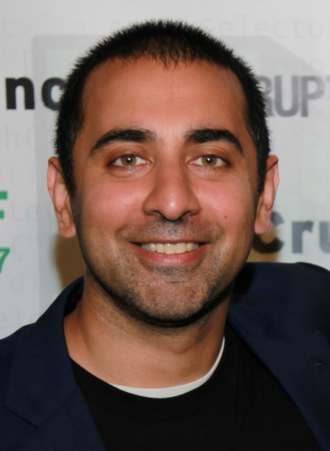 Balaji S. Srinivasanrecommends 1 book here
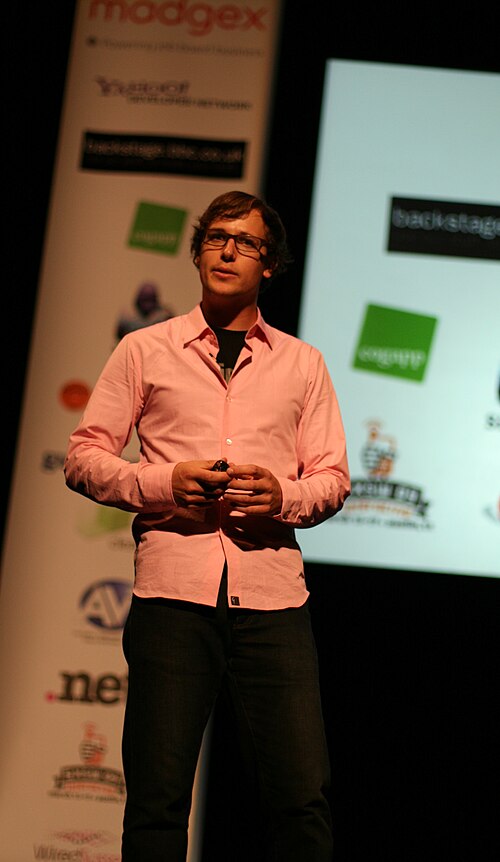 Daniel Burkarecommends 1 book here
 Ev Williamsrecommends 1 book here
 Jessica Hischerecommends 1 book here
 Julia Galefrecommends 1 book here
 Kevin Roserecommends 1 book here
 Naval Ravikantrecommends 1 book here