
Forecasting and Decision Making Under Uncertainty
What is actually knowable about the future, how badly experts do, and how to make decisions anyway.
Start here
- SuperforecastingPhilip E. Tetlock, Dan Gardner, 2015
- Thinking, Fast and SlowDaniel Kahneman, 2011
- The Black SwanNassim Nicholas Taleb, 2007
- Against the GodsPeter L. Bernstein, 1996
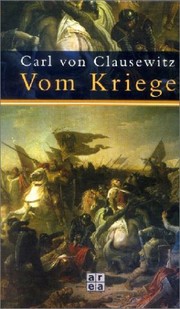
Clausewitz introduces friction, fog, and the political nature of conflict as irreducible elements of strategy. His insistence that war is a continuation of politics by other means is the foundational challenge to anyone who wants a purely technical theory of winning.
Recommended by: Ryan Holiday, Elon Musk, Reid Hoffman
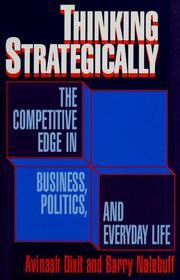
Game theory without maths: look forward, reason back, and make threats credible.
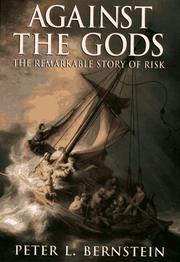
How people learned to measure risk, from early probability to portfolio theory.
“I think some of the books that are a must would be Peter Bernstein's book about risk, Against the Gods: The Remarkable Story of Risk.” — Charles de Vaulx
Source: De Vaulx naming Bernstein's book a must-read on risk
Recommended by: Charles de Vaulx, Jim Collins and 8 others
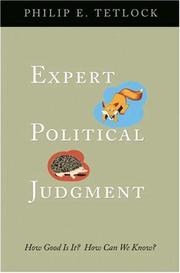
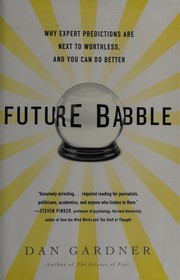
A 20-year test of 28,000 expert forecasts: foxes with many models beat hedgehogs.
“All pundits and commentators should publish their prediction track records, yet don't. What to pay attention to and what to ignore.” — Marc Andreessen
Source: @pmarca, 'Thread: Books I've recently read and recommend'
Recommended by: Marc Andreessen, Michael Mauboussin and 2 others

Rare, unforeseen, high-impact events drive history, explained only after the fact.
“The message of The Black Swan is how important it is to realize that the things everyone rules out can still come to pass.” — Howard Marks
Source: Oaktree memo 'The Limits to Negativism'
Recommended by: Howard Marks, Marc Andreessen, Nat Eliason and 18 others
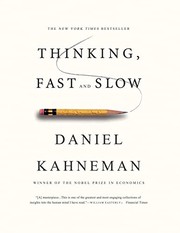
Kahneman's synthesis of behavioral economics is the cognitive science underpinning every negotiation tactic. Anchoring, loss aversion, framing effects, and the planning fallacy — understanding why these biases operate, not just that they exist, makes you harder to exploit and more honest about your own irrationality.
“…books I've recommended, highlighted to death, or forced on friends.” — Andrew Wilkinson
Source: Andrew Wilkinson's Bookshelf, neverenough.com
Recommended by: Andrew Wilkinson, Charles de Vaulx and 32 others
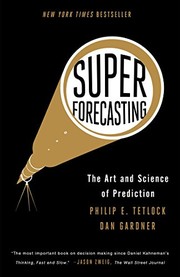
The Good Judgment Project; the practices that measurably improve forecasts.
Recommended by: Patrick Collison and 9 others
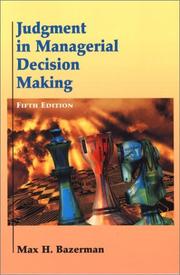
The biases that distort managers' decisions, with exercises that show them.
Recommended by: Mohnish Pabrai, Charlie Munger and 1 other

A life across economics, psychology, organisations and artificial intelligence.
Recommended by: Charlie Munger, Mohnish Pabrai
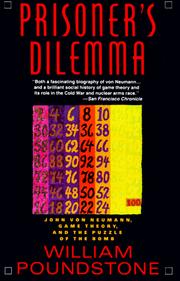
Von Neumann, game theory and the prisoner's dilemma in nuclear strategy.
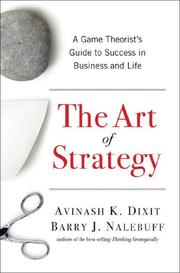
Game theory without maths, with new examples: commitment, signals, bargaining.
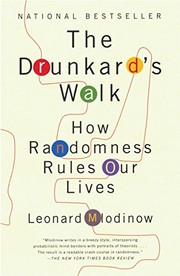
How randomness shapes our lives, the history of probability, and why we misread it.
Recommended by: Patrick Collison
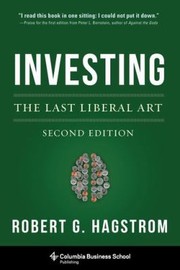
What physics, biology, psychology and other fields teach about investing.
“here's a book I read, Robert Hagstrom, who has written a lot of books about Buffett” — Thomas Gayner
Source: Masters in Business transcript: Thomas S. Gayner, Markel Corp
Recommended by: Morgan Housel, Thomas Gayner
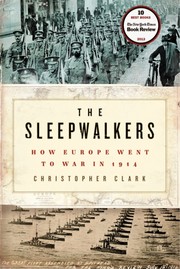
How the 37 days after Sarajevo led Europe into the First World War.
Recommended by: Sam Altman
Why economics misapplies probability to problems where the future is unknowable.
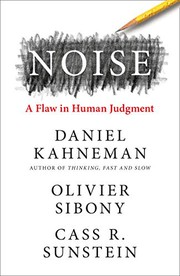
Kahneman died 27 March 2024; this was his last book.
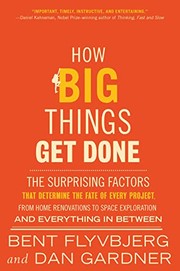
Why megaprojects overrun, and the reference-class forecasting correction.
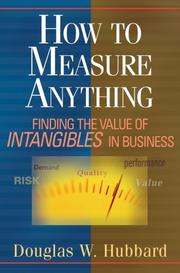
Calibration and the value of information applied to intangibles.
Recommended by: Julia Galef, Nick Ganju
Dialogue form; Munger's inversion habit worked through systematically.
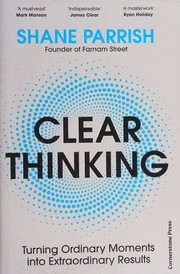
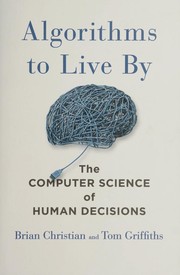
Brian Christian and Tom Griffiths translate classical computer science results — optimal stopping, explore/exploit tradeoffs, scheduling — into guidance for human decisions. The 37% rule for when to stop searching and commit is the most cited single insight.
Recommended by: Alfred Lin, Anthony Pompliano and 2 others

Why people mistake luck for skill, above all in markets.
“Fooled by Randomness is a serious, intellectually sophisticated book, well worth reading carefully. At times, the book is condescending. Nevertheless, there are some great insights.” — Barton Biggs
Source: Biggs on a sophisticated book worth reading carefully
Recommended by: Barton Biggs, Michael Mauboussin and 11 others
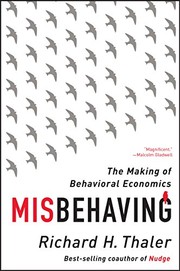
How behavioural economics was built against economists who assumed rational agents.
“He opens his new book, Misbehaving, with Vilfredo Pareto's assertion” — Howard Marks
Source: Oaktree memo 'On the Couch'
Recommended by: Howard Marks, Peter Mallouk, Tyler Cowen
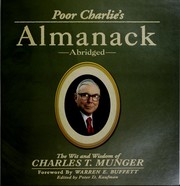
Speeches making the case for a latticework of mental models from many fields.
“…books I've recommended, highlighted to death, or forced on friends.” — Andrew Wilkinson
Source: Andrew Wilkinson's Bookshelf, neverenough.com
Recommended by: Andrew Wilkinson, Charlie Munger and 26 others
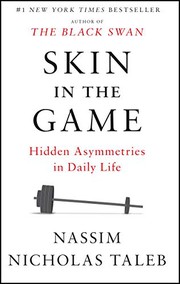
Incerto volume 5
Recommended by: Nat Eliason, Ana Fabrega, Ben Horowitz and 12 others
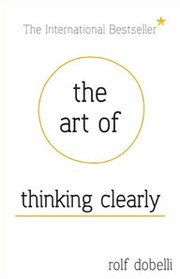
A working catalogue of 99 cognitive errors, organized so you can actually use it. Less academic than Kahneman, more encyclopedic than Duke. The format — one bias per short chapter — makes it useful as a pre-mortem checklist before consequential decisions.
Recommended by: Mohnish Pabrai
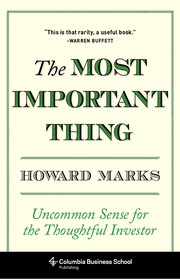
Second-level thinking, risk and market cycles, drawn from Oaktree's client memos.
Recommended by: Matt Mullenweg, Mohnish Pabrai, Nat Eliason and 3 others
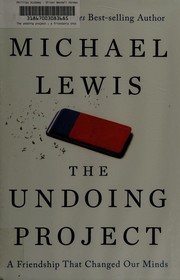
Michael Lewis's account of the Kahneman-Tversky collaboration works as intellectual biography and as a second path through the research for readers who find academic writing slow. The friendship and its eventual fracture clarifies how two very different minds produced work that neither could have done alone.
Recommended by: Andrew Wilkinson, Mohnish Pabrai, Ray Dalio and 6 others
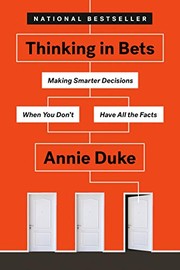
Judge decisions by their reasoning, not their outcomes, and think in odds.
Recommended by: Ev Williams, Ana Fabrega, Jason Fried and 5 others

A military historian's reflections on what history teaches and why we ignore it.
Recommended by: Morgan Housel, Nat Eliason, Shane Parrish
Recommended by: Daniel Kahneman
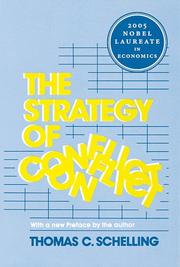
Conflict as bargaining: commitment, credible threats and focal points.
Recommended by: Naval Ravikant
Recommended by: Patrick O'Shaughnessy, Tim Ferriss
How the wish for agreement in close groups led to fiascos like the Bay of Pigs.
“One of my favourite books, Groupthink by Irving Janis, breaks down how small, cohesive groups of very smart people can make very bad decisions.” — Adam Weiss
Source: Weiss naming Groupthink one of his favourite books
Recommended by: Adam Weiss, Barton Biggs
A neurologist on the varieties of luck in scientific discovery
“wrote an outstanding book called Chase, Chance, and Creativity … It's the best book I've read on the role of luck, chance, and serendipity” — Marc Andreessen
Source: Luck and the Entrepreneur: The four kinds of luck, blog.pmarca.com
Recommended by: Marc Andreessen
Recommended by: Patrick Collison, Stewart Brand
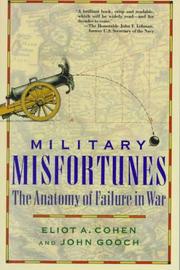
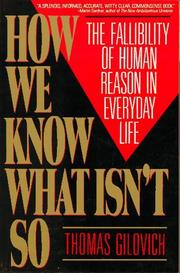
Recommended by: Mohnish Pabrai
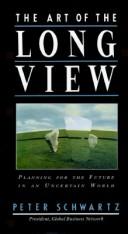
Scenario planning: building strategic vision for business and life amid uncertainty.
Recommended by: Stewart Brand
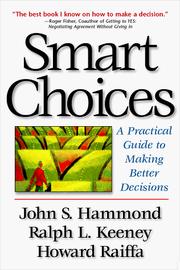
A step-by-step method for making better decisions in life and work.
Recommended by: Mohnish Pabrai
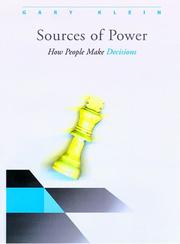
How firefighters, pilots and other experts decide under time pressure.
Recommended by: Mohnish Pabrai
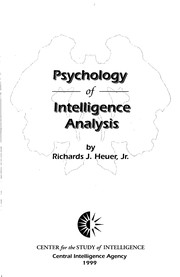
Recommended by: Mohnish Pabrai
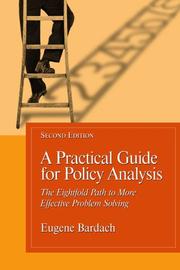
Recommended by: Patrick Collison
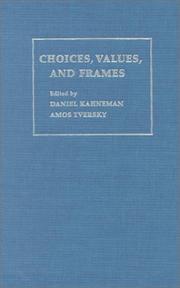
Papers on how people choose under risk, from prospect theory to framing.
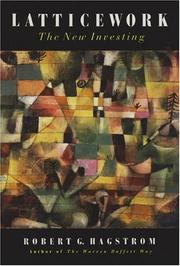
Mental models from physics, biology and psychology, applied to investing.
“I'd recommend reading Robert Hagstrom's outstanding book, Latticework.” — Mohnish Pabrai
Source: Pabrai recommending Hagstrom's book on mental models
Recommended by: Mohnish Pabrai
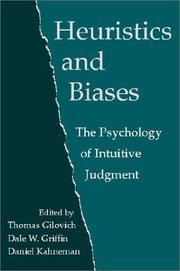
Edited volume.
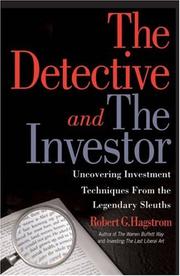
Reasoning methods of fictional detectives such as Dupin applied to stock analysis.
Recommended by: Mohnish Pabrai
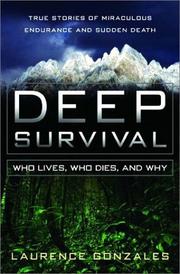
Why some people survive disasters that kill others in the same circumstances.
Recommended by: Michael Mauboussin, Patrick O'Shaughnessy
Builds out Munger's latticework idea from primary sources.
“…books I've recommended, highlighted to death, or forced on friends.” — Andrew Wilkinson
Source: Andrew Wilkinson's Bookshelf, neverenough.com
Recommended by: Andrew Wilkinson, Nat Eliason and 8 others
How snap judgments work, when to trust them and when they mislead.
Recommended by: Mohnish Pabrai, Ev Williams, Packy McCormick
Beyond a point, more options make people less likely to choose and less satisfied.
“It is almost ten years since Barry Schwartz published his popular psychology book "The Paradox of Choice".” — Nick Sleep
Source: Nomad Investment Partnership, Annual Letter for the period ended December 31st, 2013, p. 216
Recommended by: Nat Eliason, Nick Sleep and 1 other
When groups judge better than experts, and the four conditions that make it work.
“Jim Surowiecki deftly articulated this line of thinking in his delightful book, The Wisdom of Crowds.” — Michael Mauboussin
Source: Contrarian Investing: The Psychology of Going Against the Crowd (Legg Mason Capital Management)
Recommended by: Michael Mauboussin, Mohnish Pabrai and 3 others
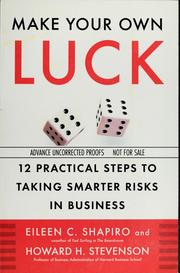
Recommended by: Mohnish Pabrai
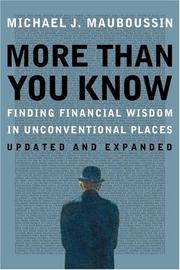
Essays on investing philosophy, psychology, competition and science.
Recommended by: Rational Capital Investment Fund
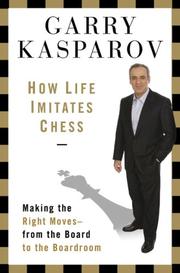
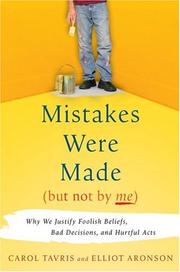
Tavris and Aronson focus on what happens after a bias fires: the self-justification, narrative revision, and escalating commitment that follow. Cognitive dissonance, they argue, is not a personality flaw but a universal mechanism, and understanding it explains police misconduct, political tribalism, and therapy failures in a single framework.
Recommended by: Mohnish Pabrai, Nat Eliason and 2 others
Recommended by: Patrick Collison
Binmore on when Bayesian decision theory applies and when it does not
Recommended by: Nassim Nicholas Taleb
Why people misjudge risk; the availability heuristic in public life
Recommended by: Morgan Housel

Recommended by: Mohnish Pabrai
Why policies backfire in a networked world, drawing on complexity theory and history.
Recommended by: Mohnish Pabrai
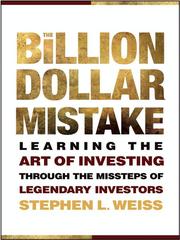
Investing lessons from the career-defining mistakes of billionaire investors.
Recommended by: Mohnish Pabrai
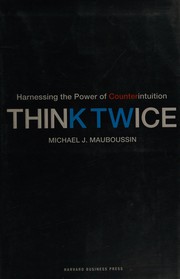
Eight mistakes experienced decision-makers repeat, and a correction for each.
Recommended by: Mohnish Pabrai and 1 other
The long-run trends set to reshape economies and markets over the coming decades.
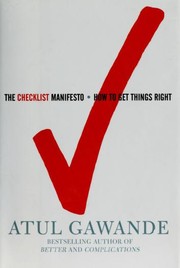
How checklists stop experts in complex fields failing to apply what they know.
“In his wonderful book, The Checklist Manifesto, Atul Gawande... explains the value of using a checklist to improve outcomes” — Michael Mauboussin
Source: Methods to Improve Decisions: Five Common Mistakes and How to Address Them (Credit Suisse)
Recommended by: Michael Mauboussin, Mohnish Pabrai and 9 others
Recommended by: Mohnish Pabrai
Recommended by: Ann Handley, Daniel Burka, Michael Batko and 1 other
Seventy questions to ask before buying any business.
Recommended by: Mohnish Pabrai and 1 other
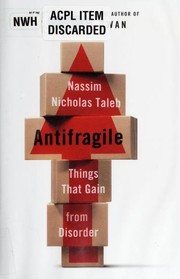
Incerto volume 4
“Nassim Taleb, author of the new book Antifragile, praises volatility and criticises those who would artificially damp it at great unseen cost. Taleb advises us to be 'anti-fragile'. This is exactly…” — Seth Klarman
Source: Klarman on Taleb's praise of volatility and what Baupost strives for
Recommended by: Mohnish Pabrai, Nat Eliason and 25 others
Recommended by: Ran Segall, Ryan Hoover

Experiments showing most cheating is many people cheating a little.
Recommended by: Mohnish Pabrai
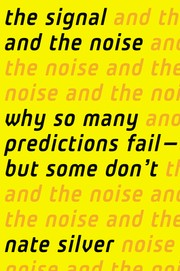
Why some forecasts succeed and most fail, from weather to earthquakes and economics.
Recommended by: Bill Gates, Mohnish Pabrai, Sophie Bakalar
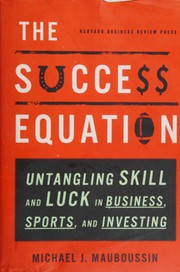
How to separate skill from luck in business, sport and investing.
Recommended by: Mohnish Pabrai, Jessica Livingston and 3 others
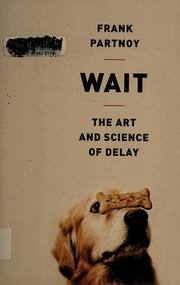
Most decisions improve if you wait until the last responsible moment.
Recommended by: Tom Peters

Bevelin distilling observation and inference habits from Sherlock Holmes
Recommended by: Mohnish Pabrai, Patrick O'Shaughnessy and 1 other
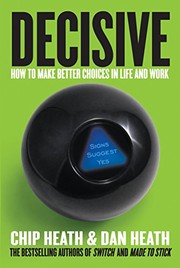
Four traps that ruin decisions, such as narrow framing, and a process to beat each.
Recommended by: Andrew Wilkinson, Mohnish Pabrai and 4 others
Thought experiments and other tools a philosopher uses to reason carefully.
Recommended by: Patrick Collison, Shane Parrish
Recommended by: Mohnish Pabrai
Recommended by: Mohnish Pabrai
People can't act randomly, and how to exploit that in games, tests and markets.
Recommended by: Mohnish Pabrai
Recommended by: Mohnish Pabrai
Why aviation learns from every failure while fields like medicine hide theirs.
Recommended by: Richard Branson, Daniel Ek
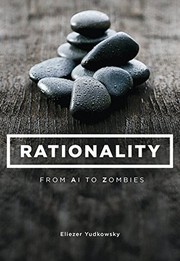
Yudkowsky's collected LessWrong essays, free online and in compiled book form, develop the epistemic foundations that underpin his AI doom arguments. The reasoning about cognitive biases, Bayesian updating, and decision theory is independently useful; the AI safety arguments that follow are the most influential non-peer-reviewed work in the field.
Recommended by: Emmett Shear
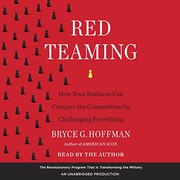
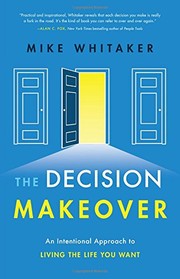
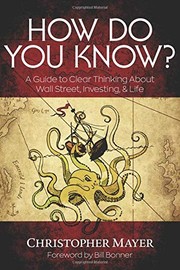
Subtitled A Guide to Clear Thinking About Wall Street, Investing, and Life.
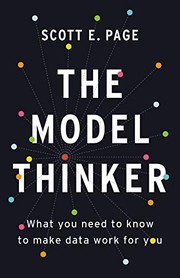
Recommended by: Keith Rabois, Michael Mauboussin
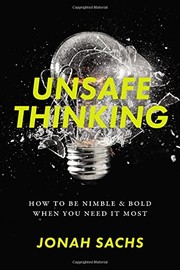
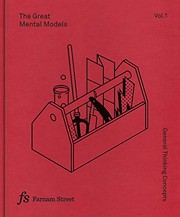
Recommended by: Ana Fabrega, Chamath Palihapitiya, Jenny Chu and 2 others
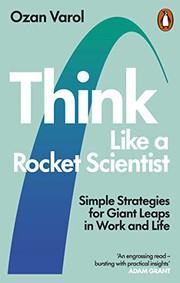
Recommended by: Keith Rabois, Susan Cain
Recommended by: Eric Schmidt
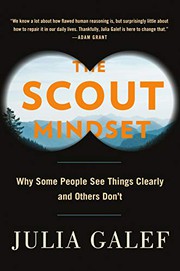
Recommended by: Julia Galef, Vitalik Buterin
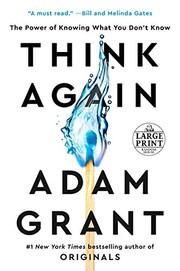
Rethinking your beliefs is a skill apart from intelligence, and how to practise it.
Recommended by: Jim O'Shaughnessy, Melinda Gates
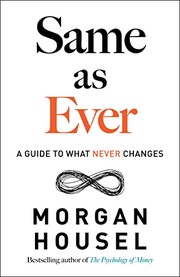
“There are many things that never change” — Andrew Wilkinson
Source: Newsletter
Recommended by: Andrew Wilkinson
The ten attributes of successful investors: how to think well, not what to think.
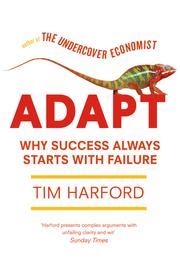
Complex problems yield to trial and error, not expert plans, and how to run it.
Recommended by: Mohnish Pabrai, Patrick O'Shaughnessy
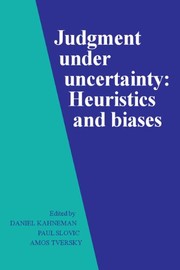
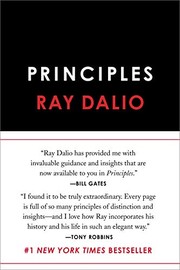
Decision rules from building Bridgewater: radical truth and radical transparency.
Recommended by: Alfred Lin, Nat Eliason, Andrew Lokenauth and 28 others
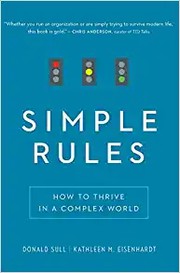
A primer on the theory of games of strategy, written for non-specialists.
Recommended by: Naval Ravikant
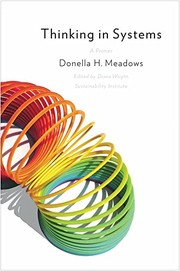
Meadows wrote this before systems thinking became a popular phrase, and it remains the clearest account of why short-term interventions in complex systems so often backfire. The chapter on leverage points is the conceptual core of what long-term thinking actually requires from decision-makers.
Recommended by: Patrick O'Shaughnessy, Daniel Burka and 3 others

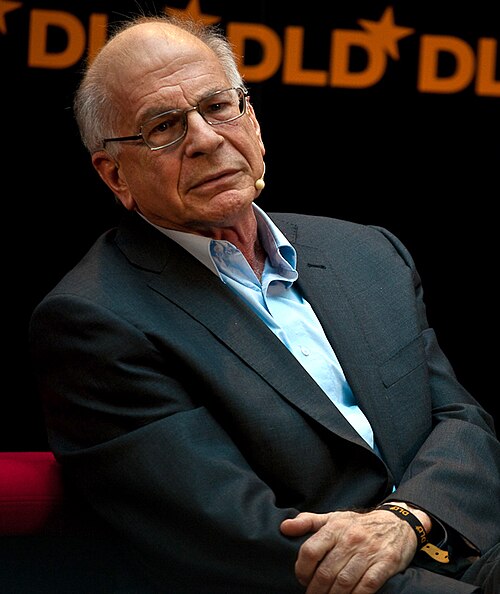 Daniel Kahnemanwrote 5 books here
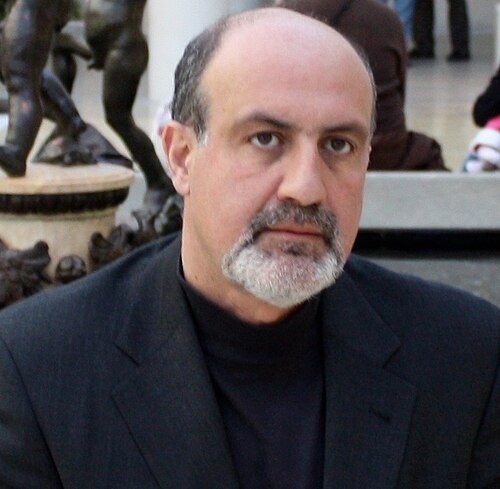 Nassim Nicholas Talebwrote 4 books here
 Dan Gardnerwrote 3 books here
 Charlie Mungerwrote 1 book here
 Howard Markswrote 1 book here
 Michael Lewiswrote 1 book here
Show all 22
 Ray Daliowrote 1 book here
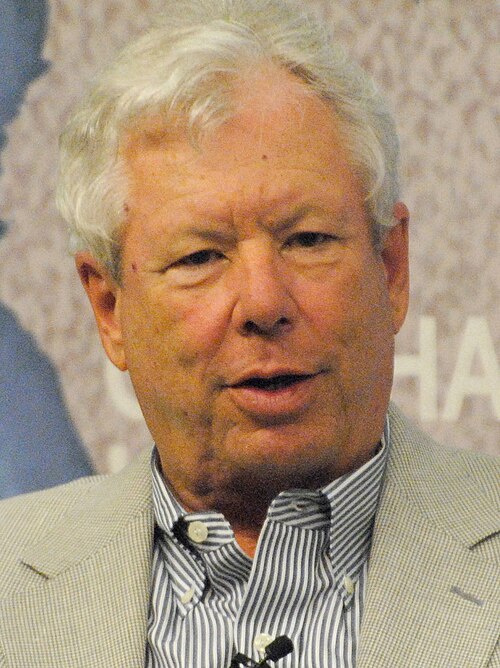 Richard H. Thalerwrote 1 book here
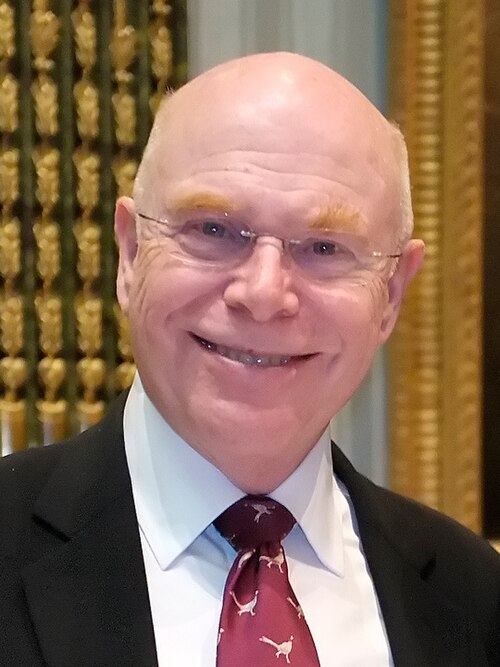 Richard Rumeltwrote 1 book here
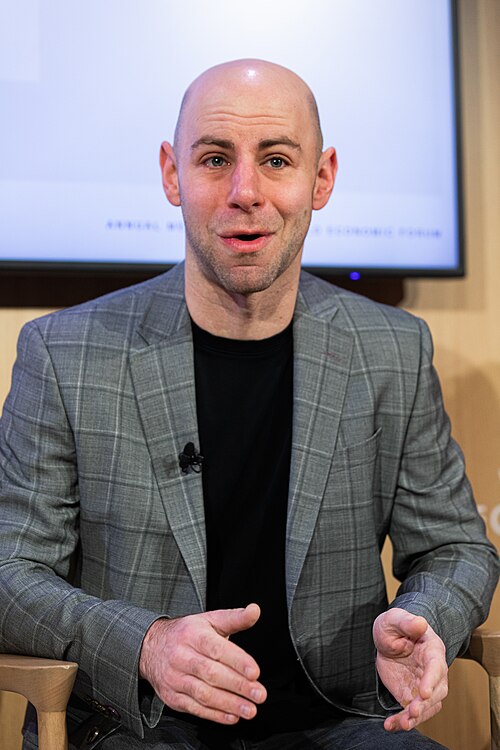 Adam Grantwrote 1 book here
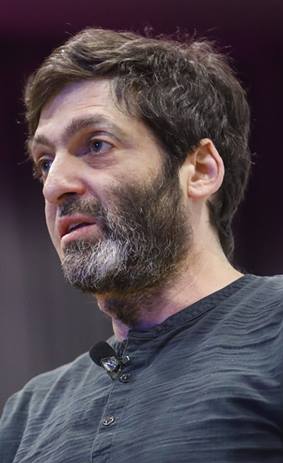 Dan Arielywrote 1 book here
 Julia Galefwrote 1 book here
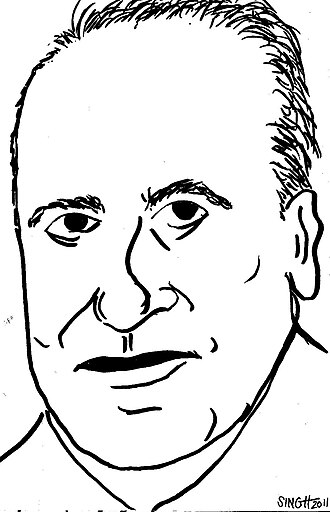 Mohnish Pabrairecommends 38 books here
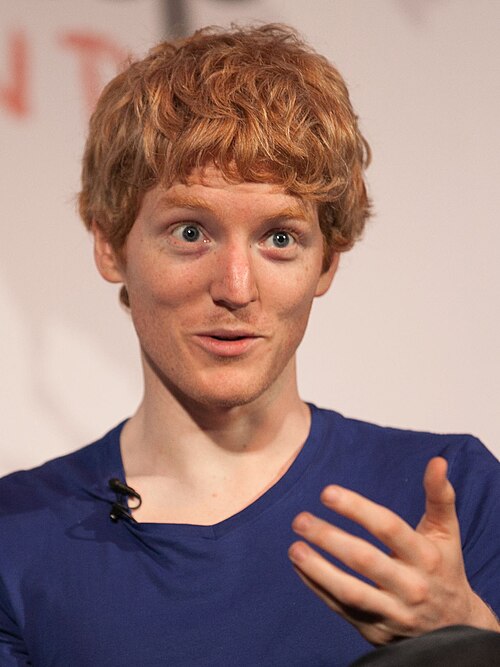 Patrick Collisonrecommends 12 books here
 Marc Andreessenrecommends 10 books here
 Naval Ravikantrecommends 9 books here
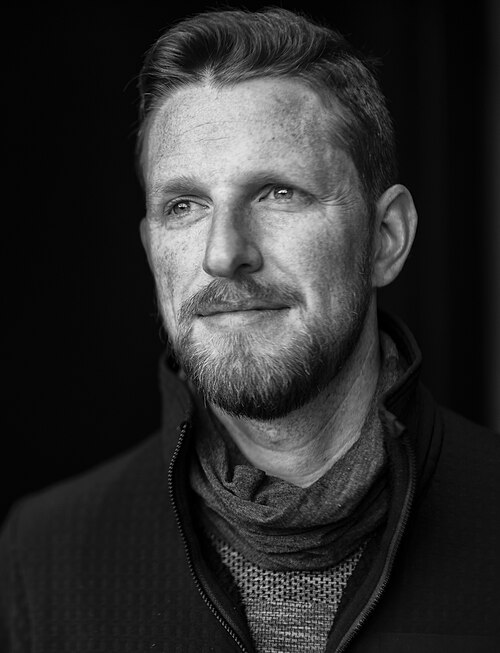 Matt Mullenwegrecommends 8 books hereNassim Nicholas Talebrecommends 7 books here
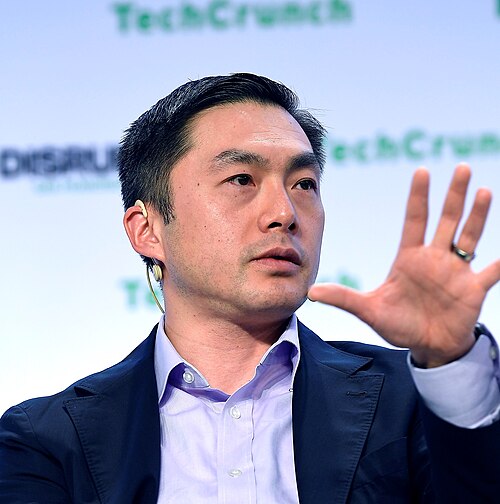 Alfred Linrecommends 7 books here
Show all 138
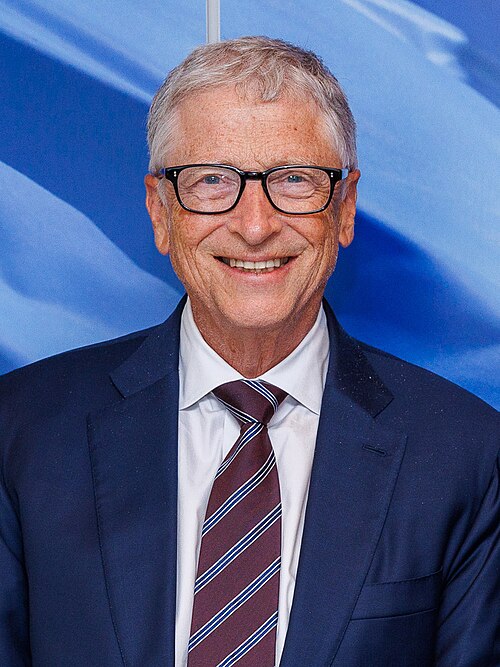 Bill Gatesrecommends 6 books here
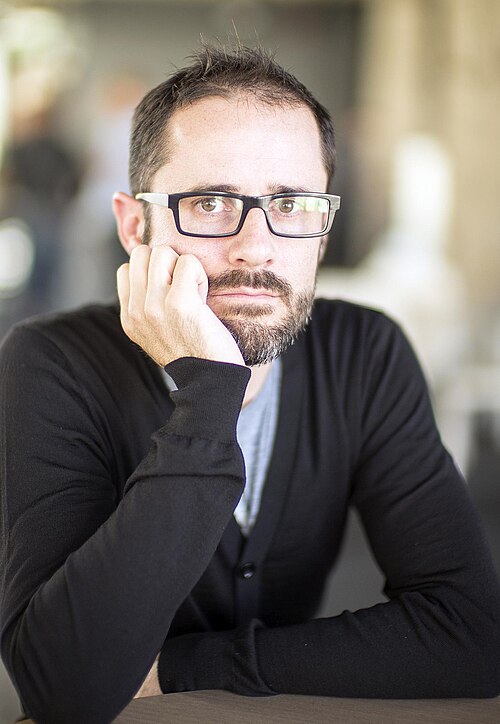 Ev Williamsrecommends 6 books here
 Tim Ferrissrecommends 6 books hereCharlie Mungerrecommends 5 books hereHoward Marksrecommends 5 books here
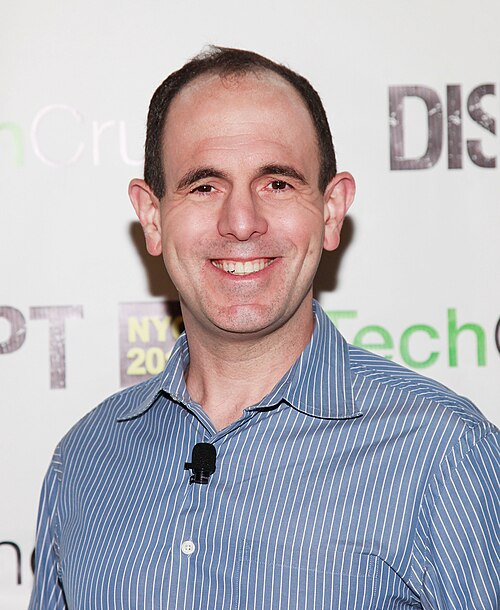 Keith Raboisrecommends 5 books here
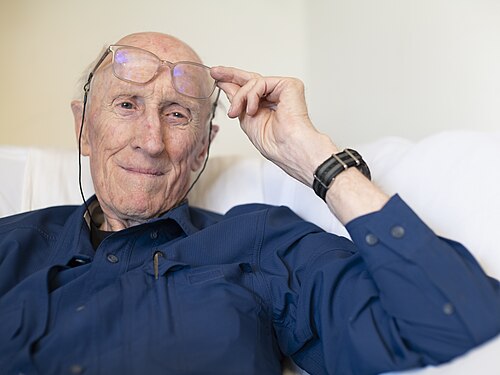 Stewart Brandrecommends 5 books hereJulia Galefrecommends 4 books hereDaniel Kahnemanrecommends 3 books hereRay Daliorecommends 3 books here
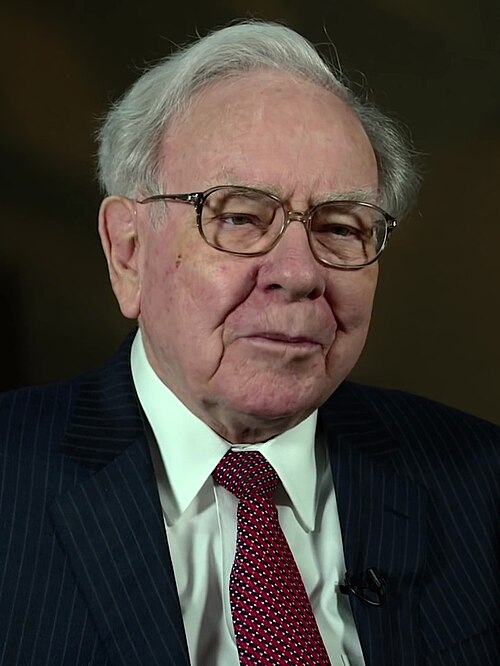 Warren Buffettrecommends 3 books here
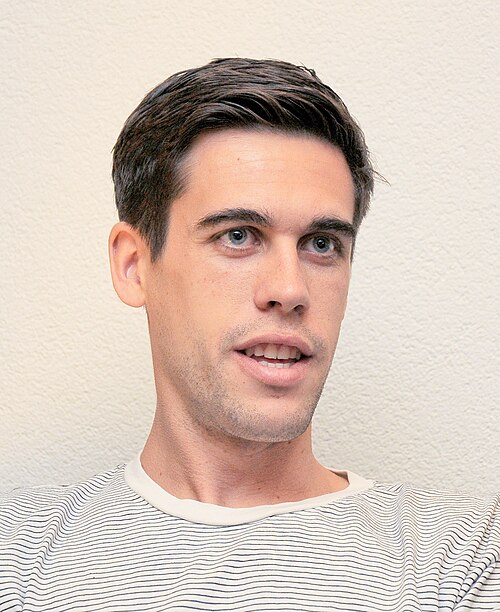 Ryan Holidayrecommends 3 books here
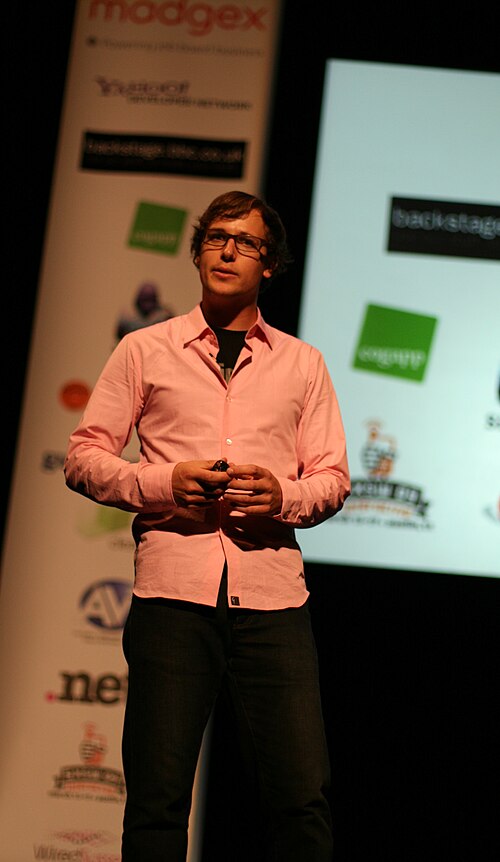 Daniel Burkarecommends 3 books here
 James Altucherrecommends 3 books here
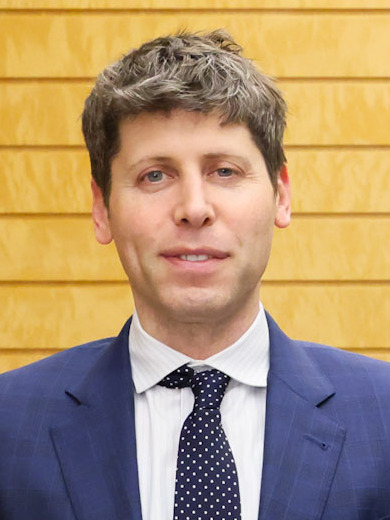 Sam Altmanrecommends 3 books here
 Vinod Khoslarecommends 3 books here
 Seth Klarmanrecommends 2 books here
 Tyler Cowenrecommends 2 books here
 Simon Sinekrecommends 2 books here
 Albert Wengerrecommends 2 books here
 Bryan Johnsonrecommends 2 books here
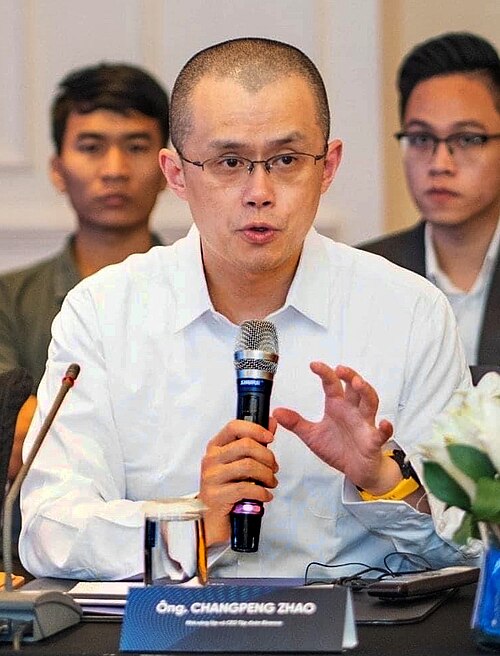 Changpeng Zhaorecommends 2 books here
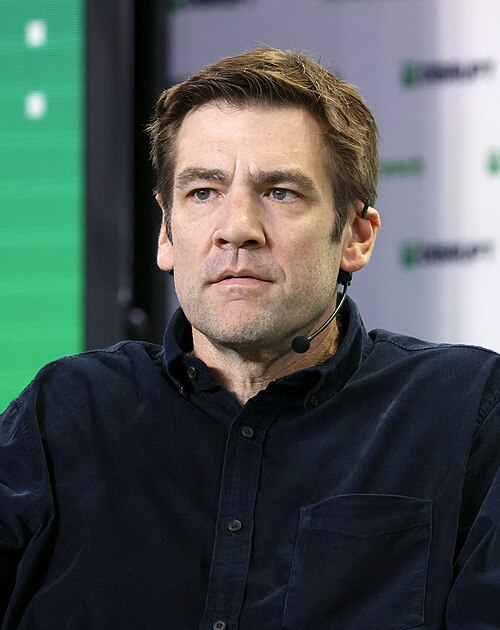 Chris Dixonrecommends 2 books here
 Daniel Ekrecommends 2 books here
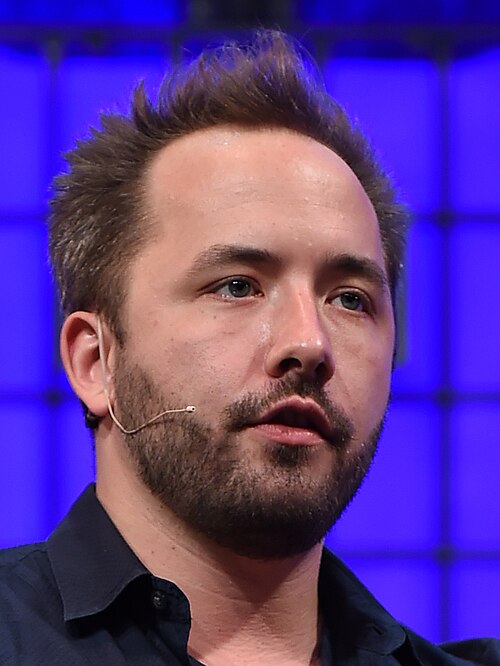 Drew Houstonrecommends 2 books here
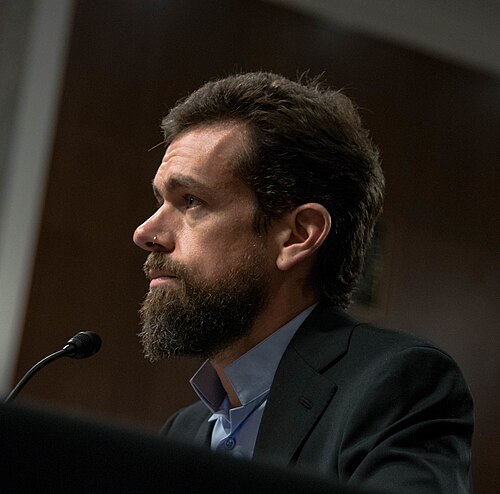 Jack Dorseyrecommends 2 books here
 Kathryn Minshewrecommends 2 books here
 Mark Cubanrecommends 2 books here
 Ramit Sethirecommends 2 books here
 Ryan Petersonrecommends 2 books here
 Tom Bilyeurecommends 2 books here
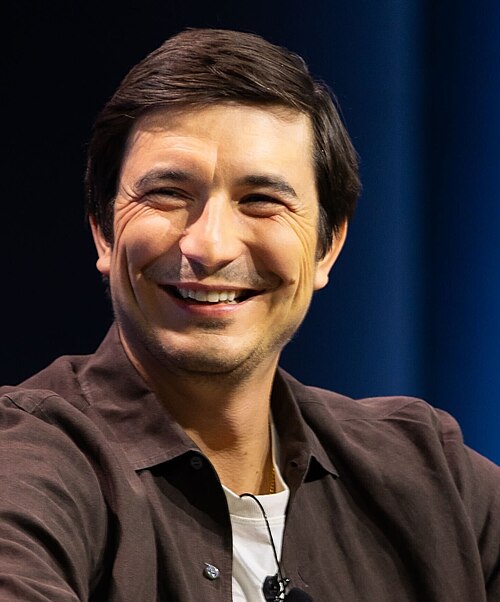 Vlad Tenevrecommends 2 books here
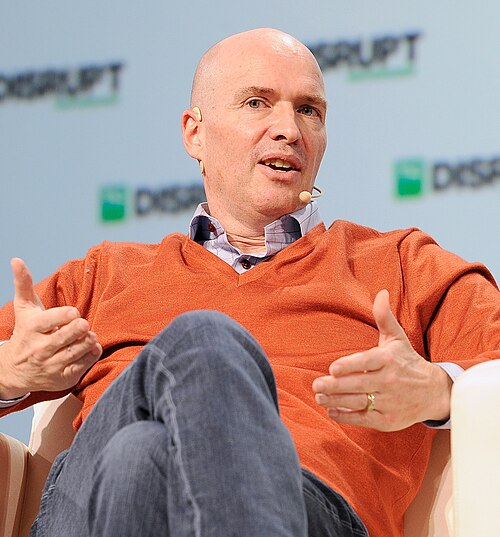 Ben Horowitzrecommends 1 book here
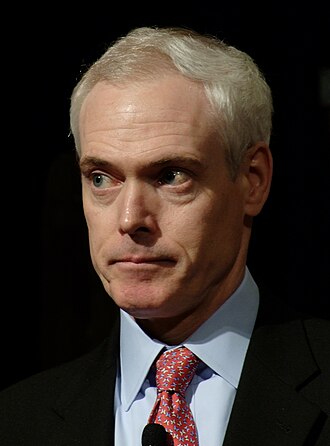 Jim Collinsrecommends 1 book here
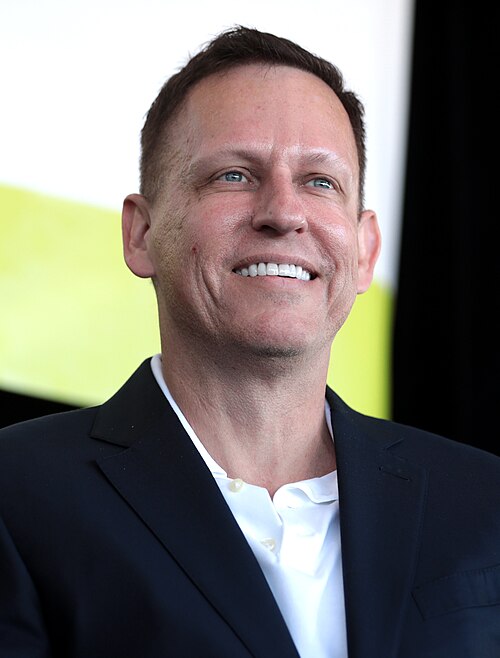 Peter Thielrecommends 1 book here
 Eric Schmidtrecommends 1 book here
 Marc Benioffrecommends 1 book here
 Reid Hoffmanrecommends 1 book here
 Guy Spierrecommends 1 book here
 Alexis Ohanianrecommends 1 book here
 Amy Hoodrecommends 1 book here
 Arianna Huffingtonrecommends 1 book here
 Chamath Palihapitiyarecommends 1 book here
 Doug McMillonrecommends 1 book here
 Elon Muskrecommends 1 book here
 Emmett Shearrecommends 1 book here
 Jeff Bezosrecommends 1 book here
 Jessica Livingstonrecommends 1 book here
 Jim O'Shaughnessyrecommends 1 book here
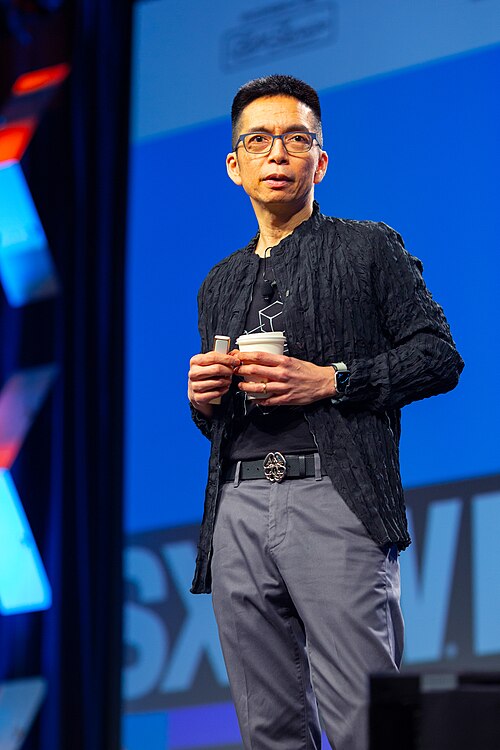 John Maedarecommends 1 book here
 Julie Zhuorecommends 1 book here
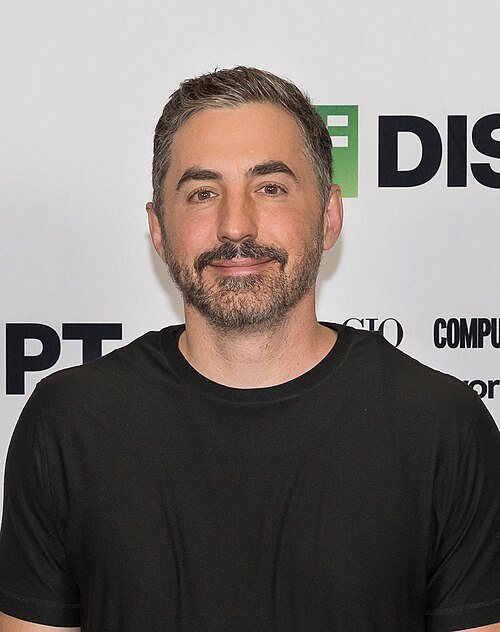 Kevin Roserecommends 1 book here
 Kevin Systromrecommends 1 book here
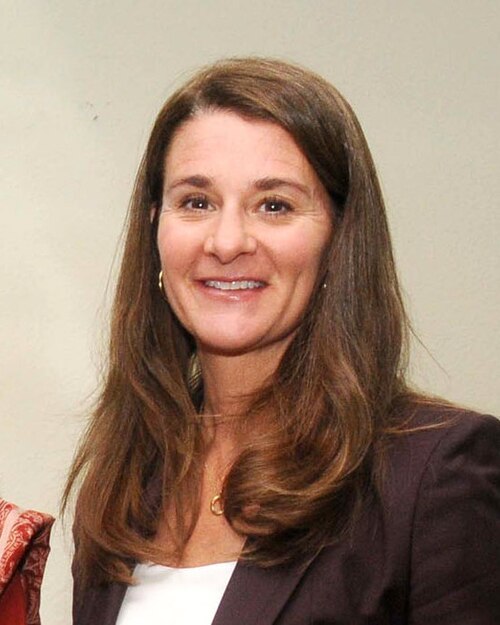 Melinda Gatesrecommends 1 book here
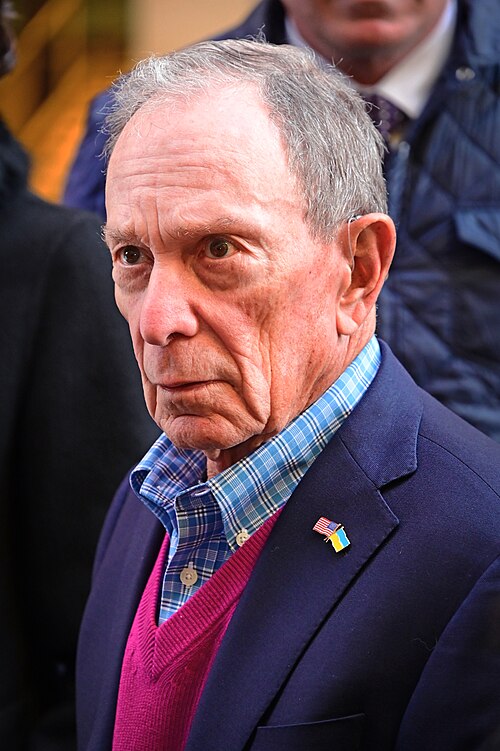 Michael Bloombergrecommends 1 book here
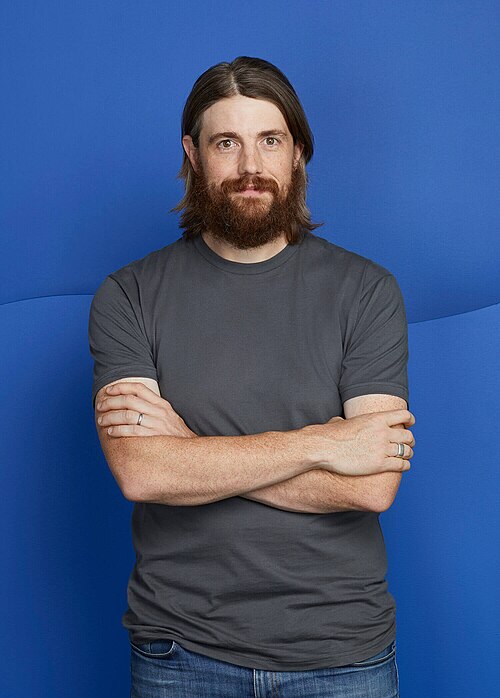 Mike Cannon-Brookesrecommends 1 book here
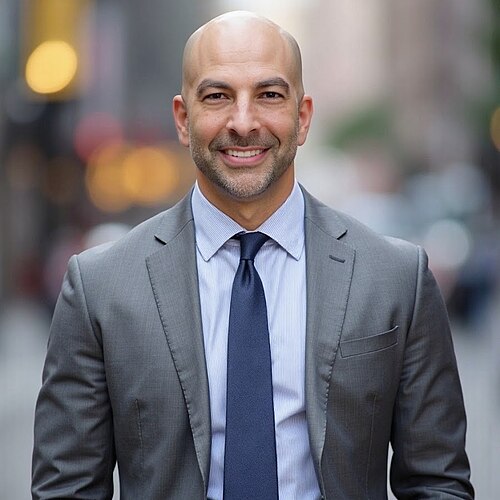 Peter Attiarecommends 1 book here
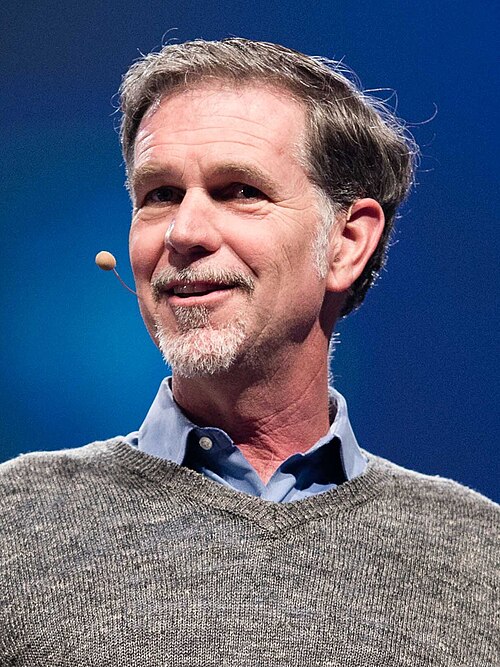 Reed Hastingsrecommends 1 book here
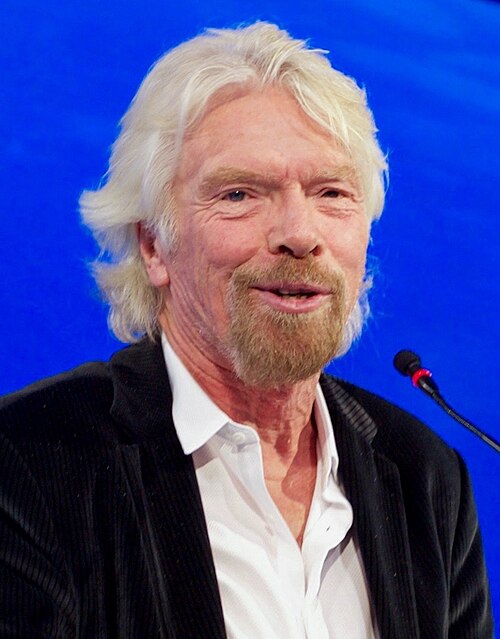 Richard Bransonrecommends 1 book here
 Ron Conwayrecommends 1 book here
 Satya Nadellarecommends 1 book here
 Sheryl Sandbergrecommends 1 book here
 Susan Cainrecommends 1 book here
 Tobi Lütkerecommends 1 book here
 Tony Hsiehrecommends 1 book here
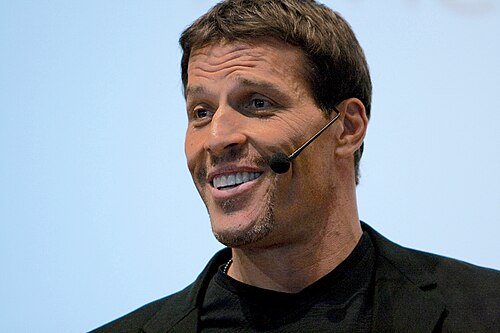 Tony Robbinsrecommends 1 book here
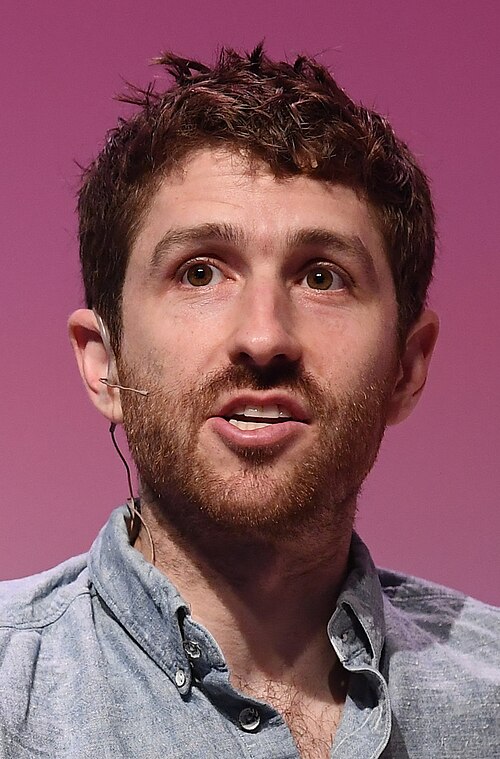 Tristan Harrisrecommends 1 book here
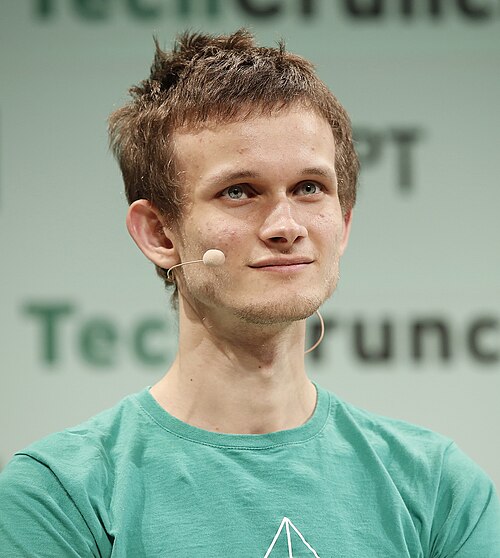 Vitalik Buterinrecommends 1 book here
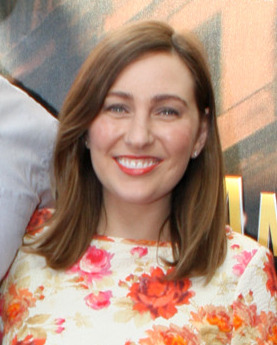 Zoë Foster Blakerecommends 1 book here