Cognitive biases, judgement and decisions
Books on how people judge, predict and decide, the biases that distort those judgements, and mental models for better decisions.
Start here
- Choices, Values, and FramesDaniel Kahneman, Amos Tversky, 2000
- Expert Political JudgmentPhilip E. Tetlock, 2005
- Poor Charlie's AlmanackCharlie Munger, 2005
- The Paradox of ChoiceBarry Schwartz, 2004
- The Honest Truth About Dishonesty: How We Lie to Everyone--- Especially OurselvesDan Ariely, 2012
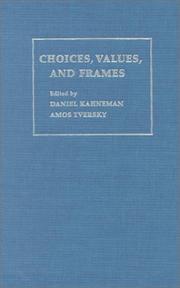
Papers on how people choose under risk, from prospect theory to framing.
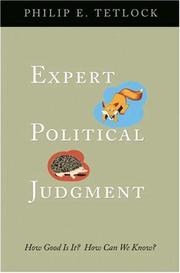
A 20-year test of 28,000 expert forecasts: foxes with many models beat hedgehogs.
“All pundits and commentators should publish their prediction track records, yet don't. What to pay attention to and what to ignore.” — Marc Andreessen
Source: @pmarca, 'Thread: Books I've recently read and recommend'
Recommended by: Marc Andreessen, Michael Mauboussin and 2 others
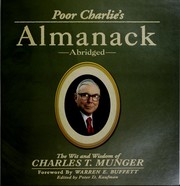
Speeches making the case for a latticework of mental models from many fields.
“…books I've recommended, highlighted to death, or forced on friends.” — Andrew Wilkinson
Source: Andrew Wilkinson's Bookshelf, neverenough.com
Recommended by: Andrew Wilkinson, Charlie Munger and 26 others
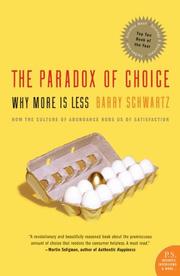
Beyond a point, more options make people less likely to choose and less satisfied.
“It is almost ten years since Barry Schwartz published his popular psychology book "The Paradox of Choice".” — Nick Sleep
Source: Nomad Investment Partnership, Annual Letter for the period ended December 31st, 2013, p. 216
Recommended by: Nat Eliason, Nick Sleep and 1 other

Experiments showing most cheating is many people cheating a little.
Recommended by: Mohnish Pabrai
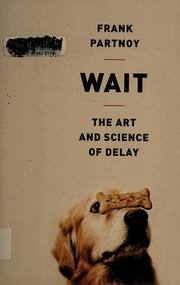
Most decisions improve if you wait until the last responsible moment.
Recommended by: Tom Peters
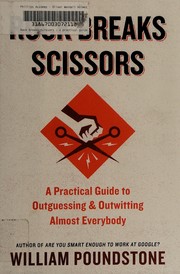
People can't act randomly, and how to exploit that in games, tests and markets.
Recommended by: Mohnish Pabrai
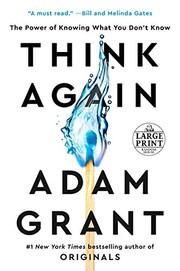
Rethinking your beliefs is a skill apart from intelligence, and how to practise it.
Recommended by: Jim O'Shaughnessy, Melinda Gates
How poker players, hedge fund managers and venture capitalists think about risk.
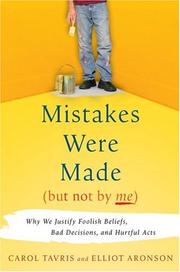
Tavris and Aronson focus on what happens after a bias fires: the self-justification, narrative revision, and escalating commitment that follow. Cognitive dissonance, they argue, is not a personality flaw but a universal mechanism, and understanding it explains police misconduct, political tribalism, and therapy failures in a single framework.
Recommended by: Mohnish Pabrai, Nat Eliason and 2 others
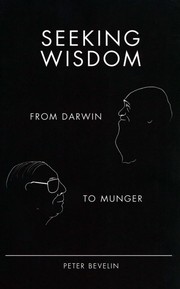
Builds out Munger's latticework idea from primary sources.
“…books I've recommended, highlighted to death, or forced on friends.” — Andrew Wilkinson
Source: Andrew Wilkinson's Bookshelf, neverenough.com
Recommended by: Andrew Wilkinson, Nat Eliason and 8 others
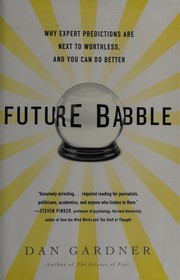
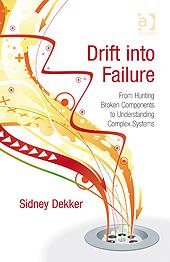
How complex systems, from subprime lending to space shuttles, drift into failure.

Bevelin distilling observation and inference habits from Sherlock Holmes
Recommended by: Mohnish Pabrai, Patrick O'Shaughnessy and 1 other
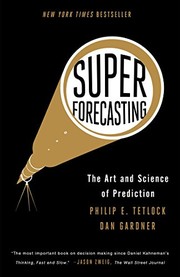
The Good Judgment Project; the practices that measurably improve forecasts.
Recommended by: Patrick Collison and 9 others
Dialogue form; Munger's inversion habit worked through systematically.
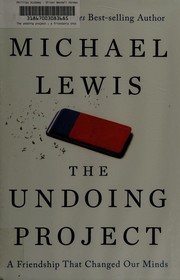
Michael Lewis's account of the Kahneman-Tversky collaboration works as intellectual biography and as a second path through the research for readers who find academic writing slow. The friendship and its eventual fracture clarifies how two very different minds produced work that neither could have done alone.
Recommended by: Andrew Wilkinson, Mohnish Pabrai, Ray Dalio and 6 others
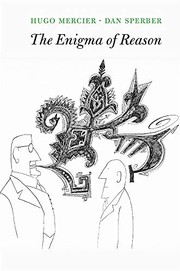
Reason evolved to justify ourselves and persuade others, not to think alone.
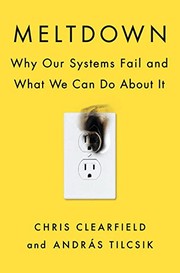
Why complex systems fail, from Volkswagen to Everest, and how to design against it.
Recommended by: Ana Fabrega, Chamath Palihapitiya, Jenny Chu and 2 others
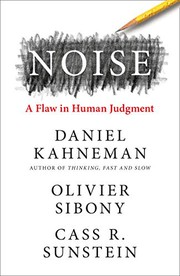
Kahneman died 27 March 2024; this was his last book.
Experiments from psychology showing the systematic errors in how people reason.
One mental bias per chapter, the research behind it and how people fall for it.
Recommended by: Daniel Kahneman
Cognitive psychology applied to how leaders misperceive each other in foreign policy.
Recommended by: Bill Gates
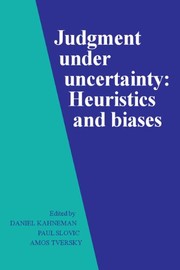
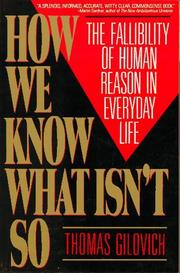
Recommended by: Mohnish Pabrai
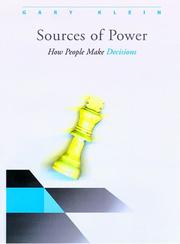
How firefighters, pilots and other experts decide under time pressure.
Recommended by: Mohnish Pabrai
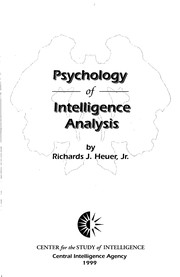
Recommended by: Mohnish Pabrai
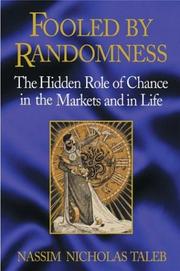
Why people mistake luck for skill, above all in markets.
“Fooled by Randomness is a serious, intellectually sophisticated book, well worth reading carefully. At times, the book is condescending. Nevertheless, there are some great insights.” — Barton Biggs
Source: Biggs on a sophisticated book worth reading carefully
Recommended by: Barton Biggs, Michael Mauboussin and 11 others
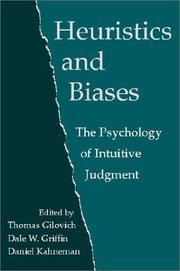
Edited volume.
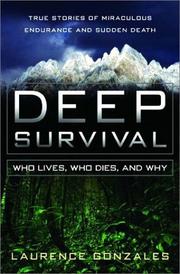
Why some people survive disasters that kill others in the same circumstances.
Recommended by: Michael Mauboussin, Patrick O'Shaughnessy
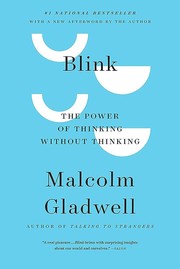
How snap judgments work, when to trust them and when they mislead.
Recommended by: Mohnish Pabrai, Ev Williams, Packy McCormick
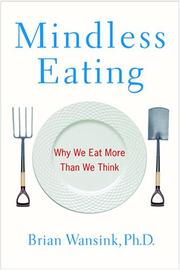
How plate size, brand names and habit make people eat more than they realise.
Recommended by: Ramit Sethi
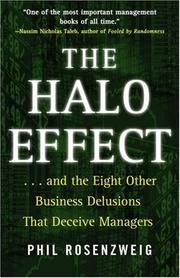
How judging firms by their results corrupts most business research and advice.
“Phil Rosenzweig's must-read book, The Halo Effect, shows this idea is alive and well in the business world.” — Michael Mauboussin
Source: Was Harry Potter Inevitable? Cumulative Advantage, Counterfactuals, and the Halo Effect (Legg Mason)
Recommended by: Michael Mauboussin, Ev Williams and 1 other
Recommended by: Patrick Collison
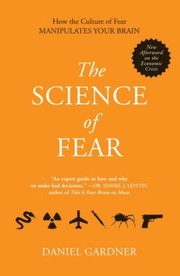
Why people misjudge risk; the availability heuristic in public life
Recommended by: Morgan Housel

Recommended by: Mohnish Pabrai
Eight mistakes experienced decision-makers repeat, and a correction for each.
Recommended by: Mohnish Pabrai and 1 other
Recommended by: Mohnish Pabrai
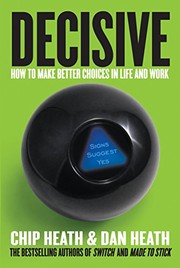
Four traps that ruin decisions, such as narrow framing, and a process to beat each.
Recommended by: Andrew Wilkinson, Mohnish Pabrai and 4 others
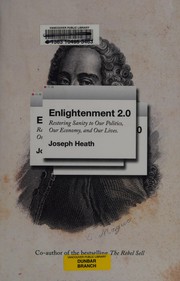
Recommended by: Patrick Collison
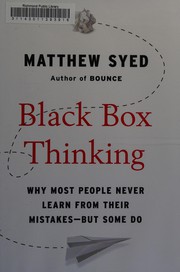
Why aviation learns from every failure while fields like medicine hide theirs.
Recommended by: Richard Branson, Daniel Ek
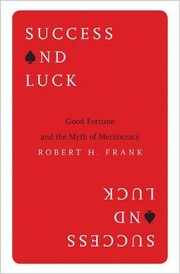
Chance shapes success more than people think; what that means for fairer economies.
Recommended by: Mohnish Pabrai
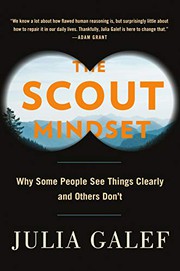
Recommended by: Julia Galef, Vitalik Buterin
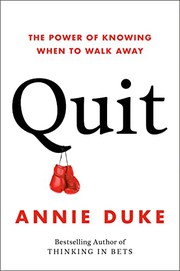
Why people stick too long with failing projects and careers, and how to quit well.
Recommended by: Ev Williams
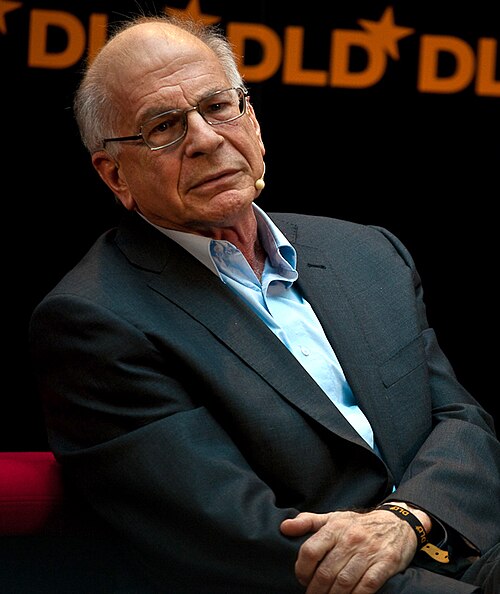 Daniel Kahnemanwrote 4 books here
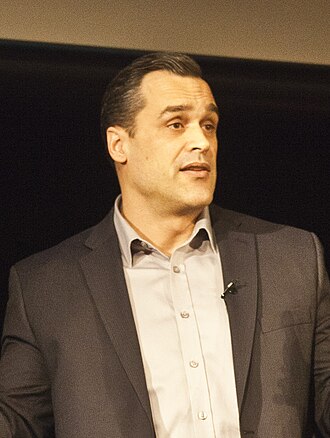 Dan Gardnerwrote 2 books here
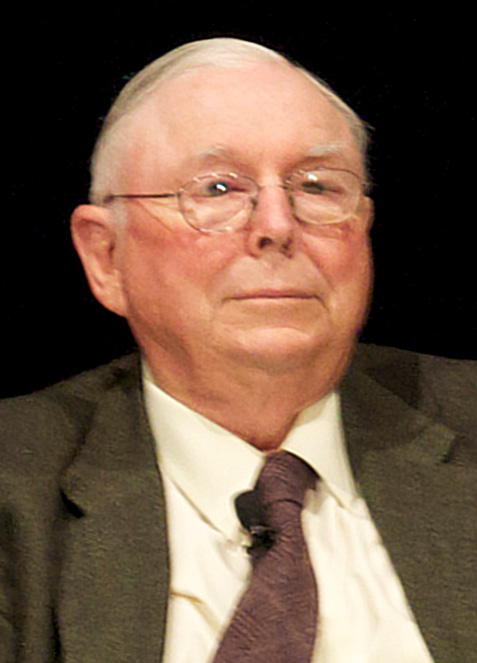 Charlie Mungerwrote 1 book here
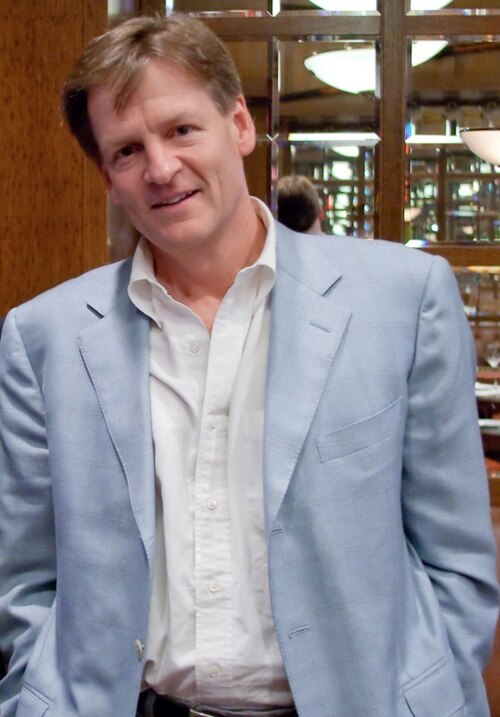 Michael Lewiswrote 1 book here
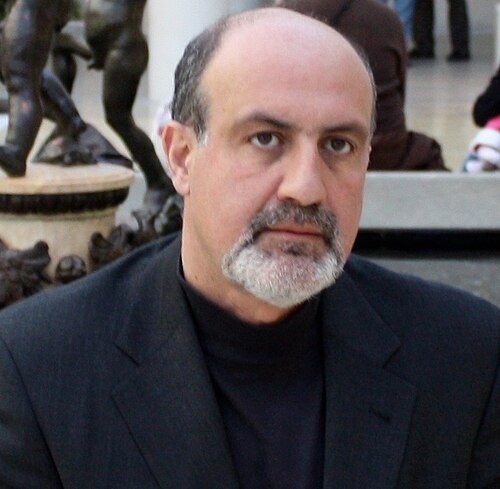 Nassim Nicholas Talebwrote 1 book here
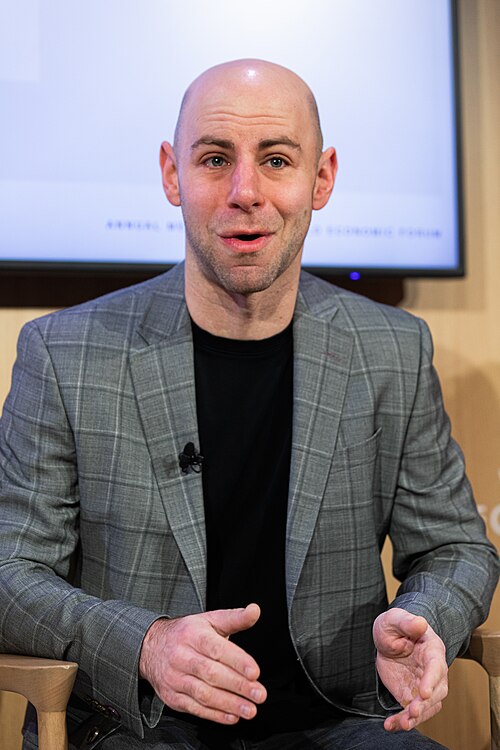 Adam Grantwrote 1 book here
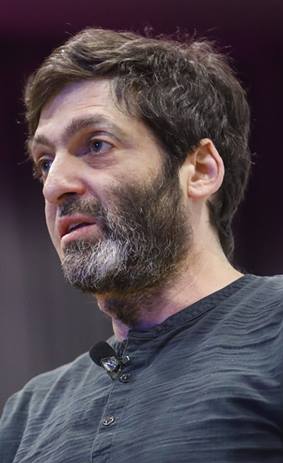 Dan Arielywrote 1 book here
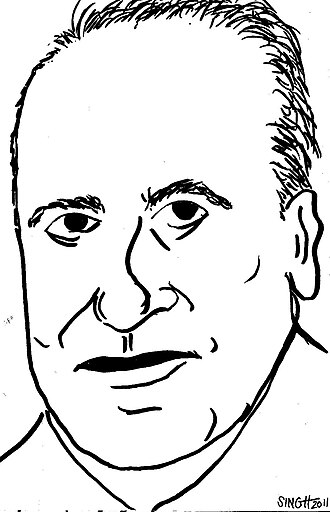 Mohnish Pabrairecommends 17 books here
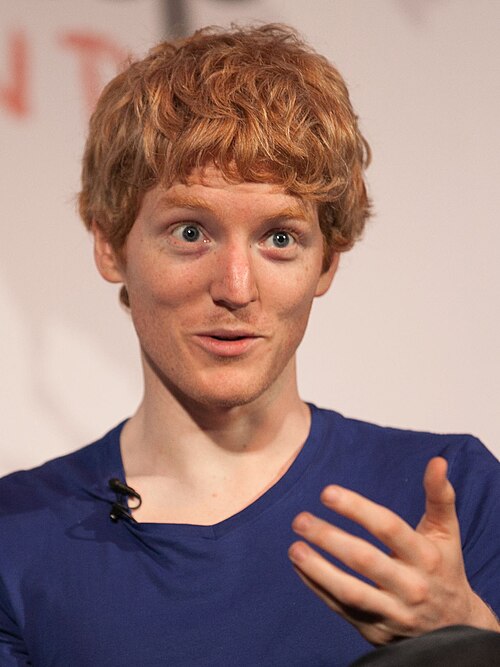 Patrick Collisonrecommends 5 books here
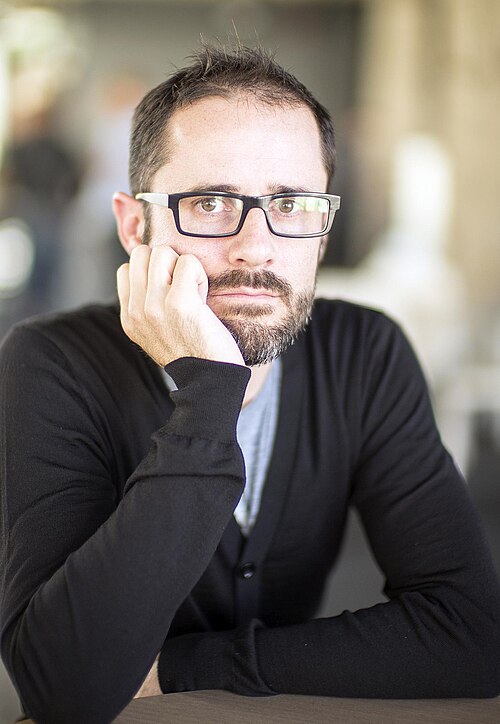 Ev Williamsrecommends 4 books here
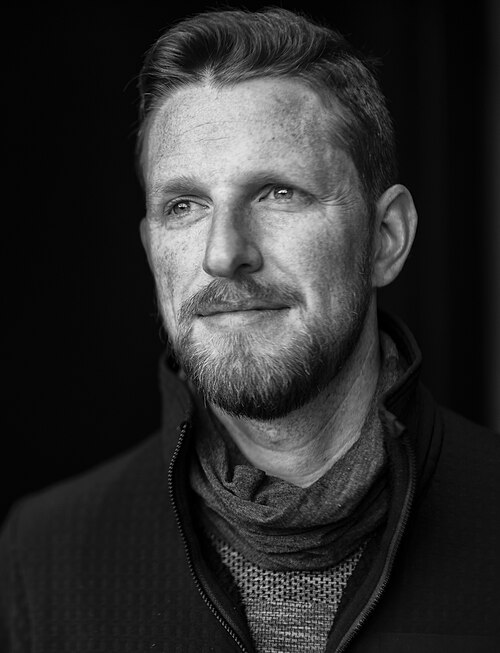 Matt Mullenwegrecommends 4 books hereNassim Nicholas Talebrecommends 3 books here
 Alfred Linrecommends 3 books here
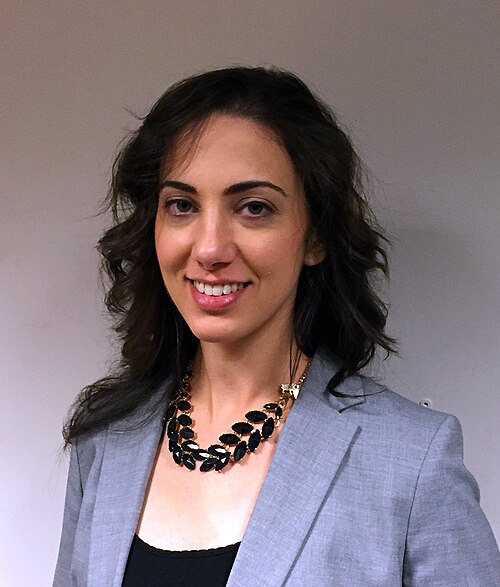 Julia Galefrecommends 3 books hereCharlie Mungerrecommends 2 books here
Show all 69
 Marc Andreessenrecommends 2 books here
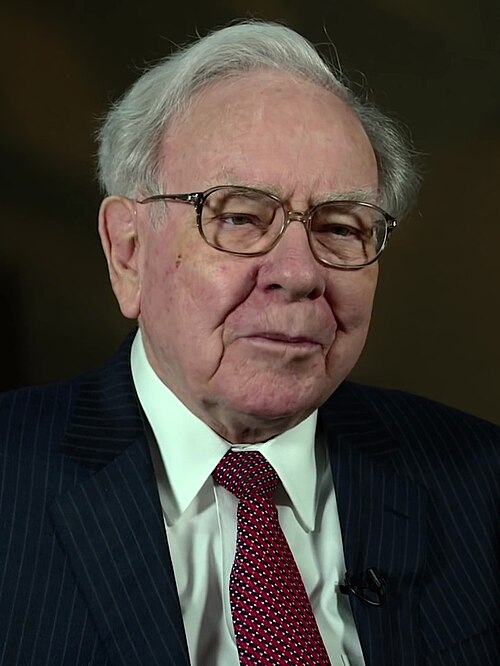 Warren Buffettrecommends 2 books here
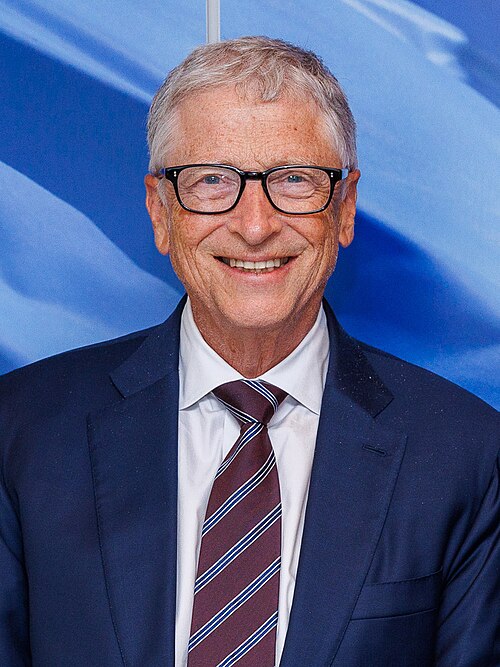 Bill Gatesrecommends 2 books here
 Daniel Ekrecommends 2 books here
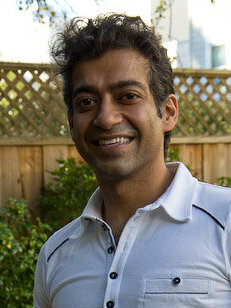 Naval Ravikantrecommends 2 books here
 Ramit Sethirecommends 2 books here
 Tim Ferrissrecommends 2 books hereDaniel Kahnemanrecommends 1 book here
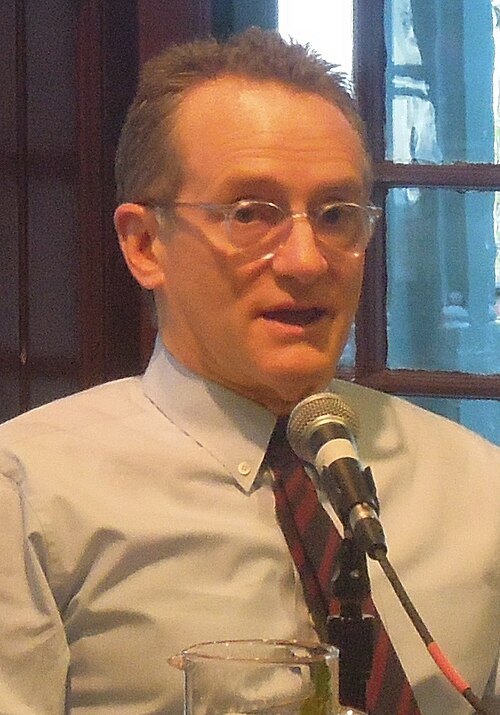 Howard Marksrecommends 1 book here
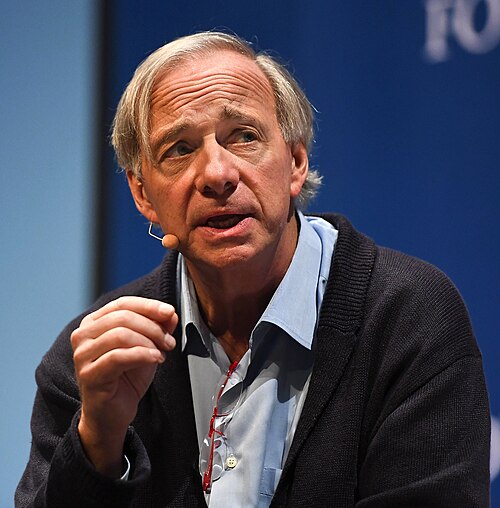 Ray Daliorecommends 1 book here
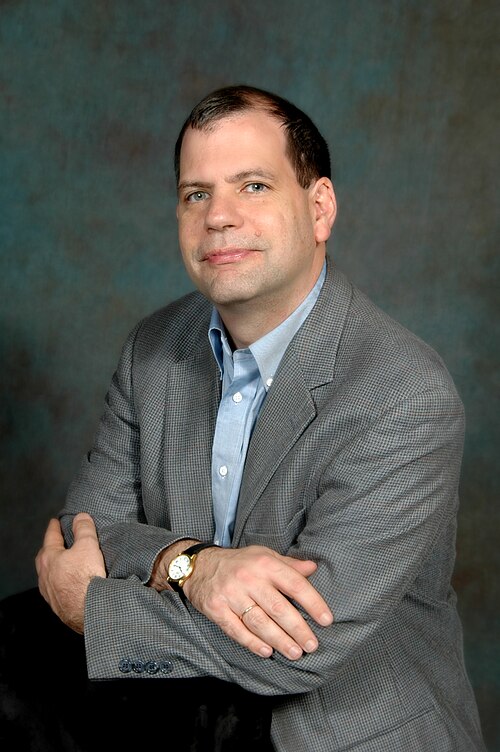 Tyler Cowenrecommends 1 book here
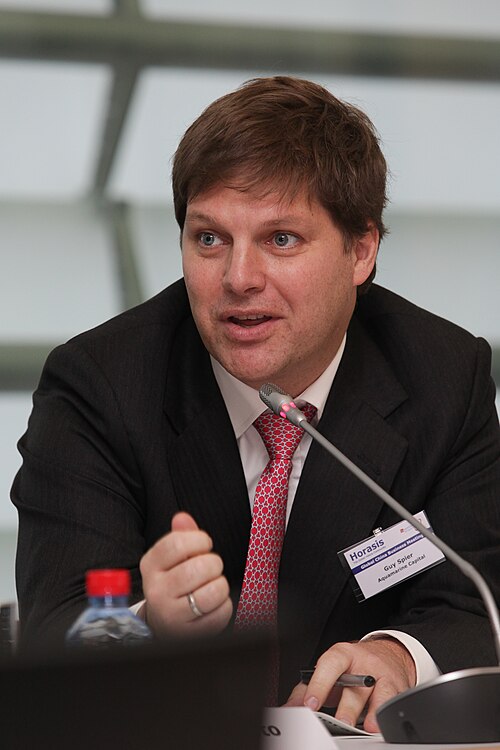 Guy Spierrecommends 1 book here
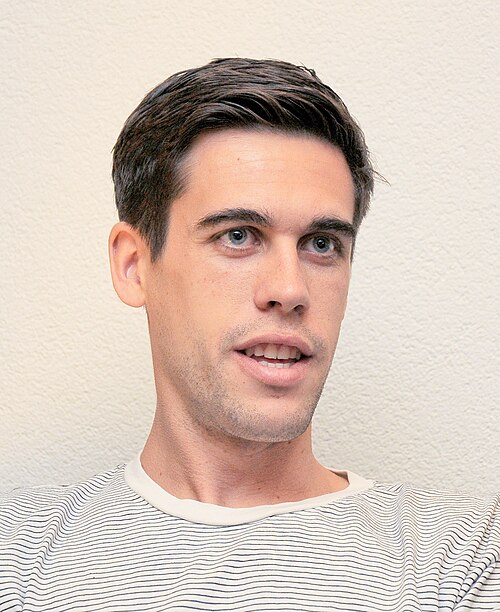 Ryan Holidayrecommends 1 book here
 Alexis Ohanianrecommends 1 book here
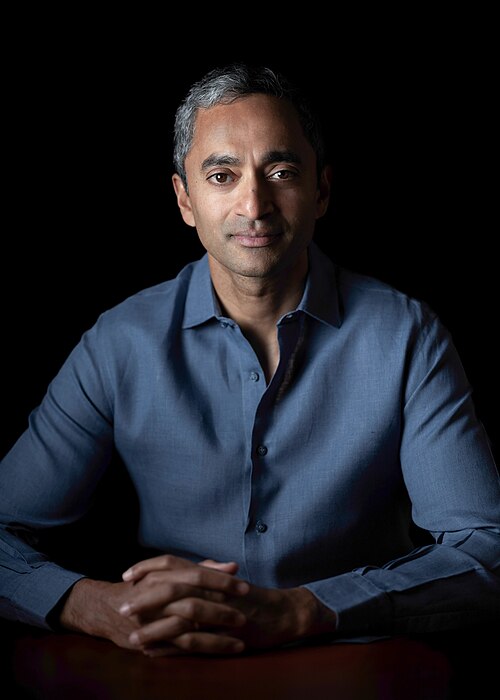 Chamath Palihapitiyarecommends 1 book here
 Chris Dixonrecommends 1 book here
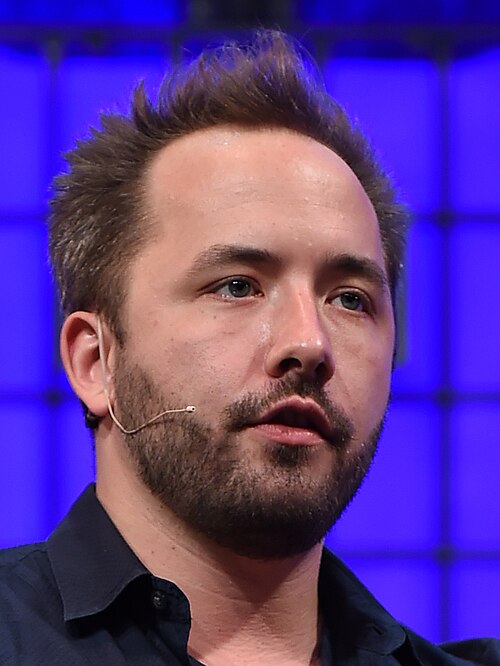 Drew Houstonrecommends 1 book here
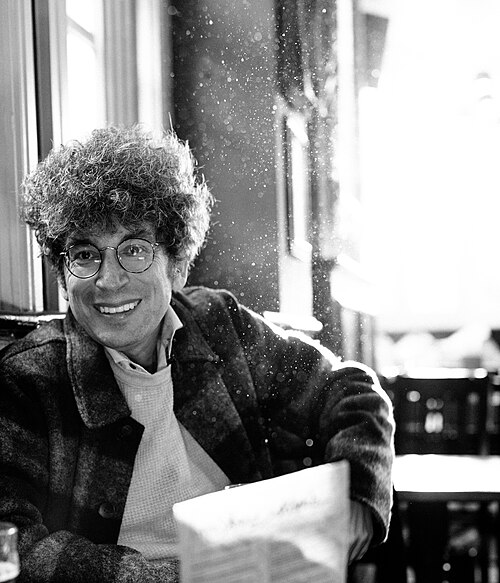 James Altucherrecommends 1 book here
 Jim O'Shaughnessyrecommends 1 book here
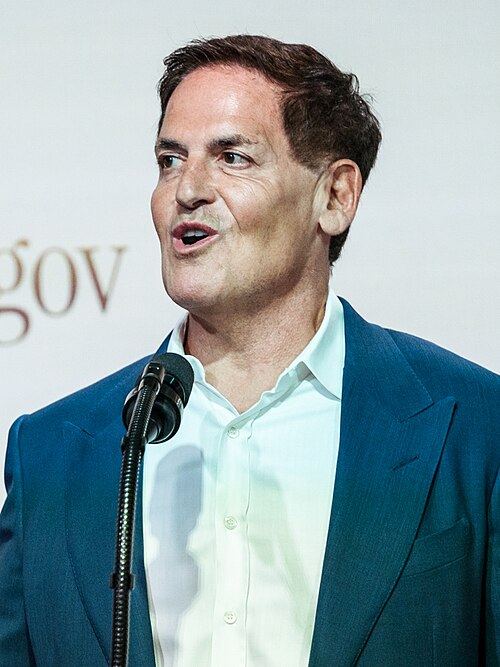 Mark Cubanrecommends 1 book here
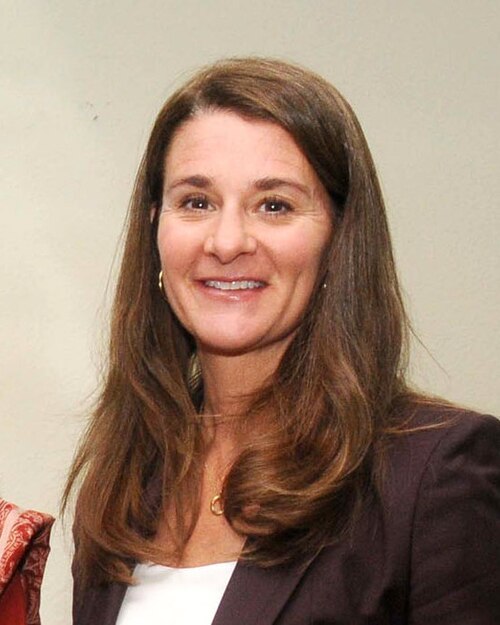 Melinda Gatesrecommends 1 book here
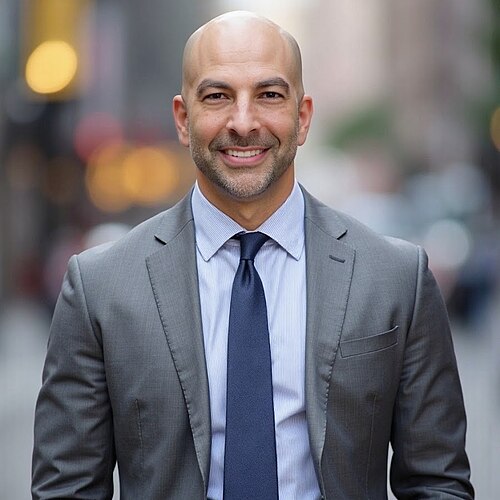 Peter Attiarecommends 1 book here
 Richard Bransonrecommends 1 book here
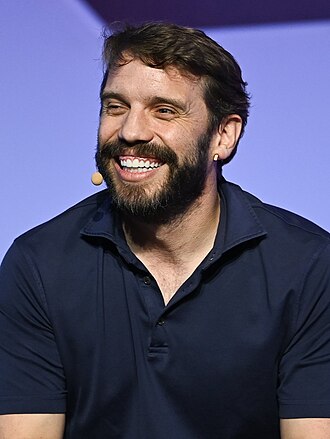 Ryan Petersonrecommends 1 book here
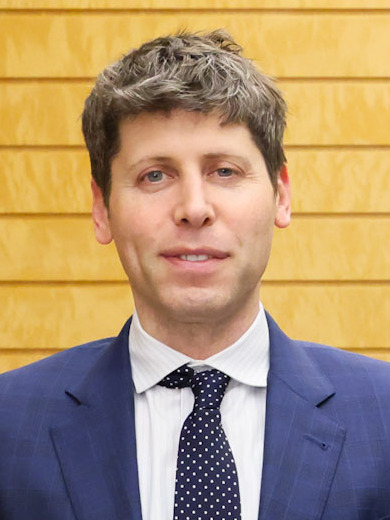 Sam Altmanrecommends 1 book here
 Tony Hsiehrecommends 1 book here
 Vinod Khoslarecommends 1 book here
 Vitalik Buterinrecommends 1 book here