Habits, motivation and self-improvement
Books on building habits, willpower, motivation, productivity and personal success, from research summaries to classic self-help.
Start here
- MindsetCarol S. Dweck, 2006
- DriveDaniel H. Pink, 2009
- The 50th LawRobert Greene, 2009
- The Power of HabitCharles Duhigg, 2012
- The Marshmallow TestWalter Mischel, 2014
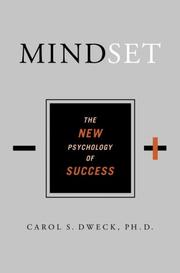
People who think ability grows with effort learn more than those who think it fixed.
“One of the reasons I loved Mindset is because it's solutions-oriented.” — Bill Gates
Source: Gates Notes review of Mindset
Recommended by: Bill Gates, Mohnish Pabrai, Alex and Books and 13 others
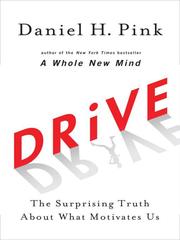
Rewards work for routine tasks; creative work runs on autonomy, mastery and purpose.
“In his excellent book, Drive, Dan Pink distinguishes between algorithmic tasks and heuristic tasks.” — Michael Mauboussin
Source: Blaming the Rat: Incentives, Motivation, and How They Interact (Legg Mason Capital Management)
Recommended by: Michael Mauboussin, Mohnish Pabrai and 3 others

Lessons on fearlessness drawn from the life of the rapper 50 Cent.
Recommended by: Nat Eliason

The habit loop of cue, routine and reward, and how to change a habit by its routine.
“I love his [Charles Duhigg's] book. By the way I got his book and gave it to everyone in the company [Bridgewater].” — Ray Dalio
Source: Dalio on giving Duhigg's book to everyone at Bridgewater
Recommended by: Mohnish Pabrai, Nat Eliason, Naval Ravikant and 6 others


Experiments showing people work for meaning and recognition, not just money.
Recommended by: Tim Ferriss, Alfred Lin

366 daily lessons on power, seduction, mastery, strategy and human nature.
Recommended by: Ryan Holiday

Recommended by: Andrew Wilkinson, David Cancel, Nat Eliason and 4 others

Thirteen principles of getting rich, claimed to come from studying 500 wealthy men.
“I've always been a big fan of books and teaching seminars specializing in the area of self-improvement. Think And Grow Rich by Napoleon Hill is one book I'd recommend to everyone.” — Jim Clayton
Source: Clayton on the one book he would recommend to everyone
Recommended by: Jim Clayton, Mohnish Pabrai and 8 others

Recommended by: Shane Parrish
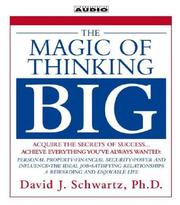
The size of your thinking sets the size of your results, and how to think bigger.
Recommended by: Ali Abdaal, Mohnish Pabrai, Nat Eliason and 2 others

Recommended by: The Barefoot Investor

Behavioural training methods for animals and people, explained with examples.
Recommended by: Naval Ravikant, Nir Eyal, Tim Ferriss and 1 other


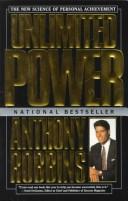

Change behaviour by changing what you link with pain and pleasure.
Recommended by: Guy Spier, Nat Eliason, Brian Koppelman and 2 others

Recommended by: Mohnish Pabrai
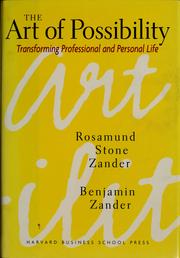
Recommended by: Patrick Collison

Recommended by: Michael Batko

Recommended by: Mohnish Pabrai

Recommended by: The Barefoot Investor

The case that disorder is often more efficient than imposed order
“This idea comes from a wonderful book called A Perfect Mess” — Marc Andreessen
Source: The Pmarca Guide to Personal Productivity
Recommended by: Marc Andreessen



The 'Upper Limit Problem': how people sabotage themselves when good things happen.
Recommended by: Andrew Wilkinson, Noah Kagan


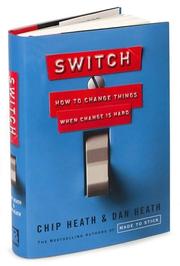
Change made easier: direct the rational rider, motivate the emotional elephant.
Recommended by: Andrew Wilkinson, Mohnish Pabrai, Nir Eyal and 1 other
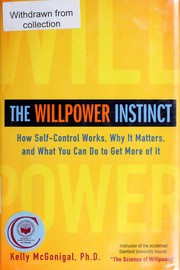
Self-control as a physical capacity, and how to build it, from a Stanford course.
Recommended by: Mohnish Pabrai, Nat Eliason, Jane McGonigal and 2 others

Recommended by: Mohnish Pabrai

Recommended by: Nat Eliason, Naval Ravikant, Garry Tan and 1 other

Why the twenties matter, against the hype that trivialises that decade of life.
Recommended by: Nat Eliason, John Doerr

Recommended by: Mohnish Pabrai

Twelve rules for living, each drawn from clinical practice, biology and myth.
Recommended by: Nat Eliason, Alex and Books, Ana Fabrega and 7 others

Recommended by: Mohnish Pabrai
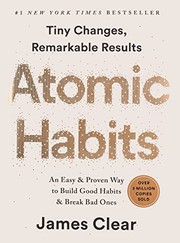
Build habits by making them obvious, attractive, easy and satisfying.
Recommended by: Ali Abdaal, Balaji S. Srinivasan and 21 others
Recommended by: Albert Wenger, Anu Hariharan, Brené Brown and 3 others

Productivity as a matter of how people think, set goals, build teams and decide.
Recommended by: Mohnish Pabrai, Sarah Pritula

Recommended by: Ran Segall, Johnnie Gomez, Matej Latin and 1 other

Routines, tools and advice from over 200 podcast guests on health, wealth and wisdom.
Recommended by: Keith Rabois, Nat Eliason, Kevin Rose and 4 others
Distraction comes from escaping discomfort, not technology, and how to manage it.
Recommended by: Nir Eyal, Alexis Ohanian, Allen Gannett and 4 others

Recommended by: Naval Ravikant

Recommended by: Melinda Gates

“Derek is one of my favorite writers, and his latest book is focused on a simple idea: our beliefs are often not necessarily true, but simply useful to us. That beliefs are tools, not truths.” — Andrew Wilkinson
Source: Newsletter
Recommended by: Andrew Wilkinson
Recommended by: Richard Branson

A four-point program, built on motivation research, for sticking with exercise.
Recommended by: Arianna Huffington

Recommended by: Arianna Huffington

 Robert Greenewrote 2 books here
 Dan Arielywrote 1 book here
 Ryan Holidaywrote 1 book here
 James Altucherwrote 1 book here
 Nir Eyalwrote 1 book here
 Tim Ferrisswrote 1 book here
 Tony Robbinswrote 1 book here
 Mohnish Pabrairecommends 16 books here
 Naval Ravikantrecommends 6 books hereNir Eyalrecommends 6 books hereTim Ferrissrecommends 6 books here
 Arianna Huffingtonrecommends 4 books hereTony Robbinsrecommends 4 books here
 Tom Bilyeurecommends 3 books here
Show all 91
 Marc Andreessenrecommends 2 books here
 Guy Spierrecommends 2 books here
 Alfred Linrecommends 2 books here
 Balaji S. Srinivasanrecommends 2 books here
 Brené Brownrecommends 2 books here
 Eric Weinsteinrecommends 2 books here
 Graham Stephanrecommends 2 books here
 Keith Raboisrecommends 2 books here
 Richard Bransonrecommends 2 books here
 Tobi Lütkerecommends 2 books here
 Tony Hsiehrecommends 2 books here
 Tristan Harrisrecommends 2 books here
 Ray Daliorecommends 1 book here
 John Doerrrecommends 1 book hereRyan Holidayrecommends 1 book here
 Albert Wengerrecommends 1 book here
 Alexis Ohanianrecommends 1 book here
 Antonio García Martínezrecommends 1 book here
 Bill Gatesrecommends 1 book here
 Biz Stonerecommends 1 book here
 Chelsea Krostrecommends 1 book here
 Daymond Johnrecommends 1 book here
 Ev Williamsrecommends 1 book here
 Garry Tanrecommends 1 book here
 Jack Dorseyrecommends 1 book hereJames Altucherrecommends 1 book here
 Jane McGonigalrecommends 1 book here
 Jeff Atwoodrecommends 1 book here
 Julie Zhuorecommends 1 book here
 Justin Kanrecommends 1 book here
 Kathryn Minshewrecommends 1 book here
 Kevin Roserecommends 1 book here
 Melinda Gatesrecommends 1 book here
 Patrick Collisonrecommends 1 book here
 Ramit Sethirecommends 1 book here
 Ryan Petersonrecommends 1 book here
 Satya Nadellarecommends 1 book here
 Trevor Ncuberecommends 1 book here
 Vinod Khoslarecommends 1 book here
 Zoë Foster Blakerecommends 1 book here