Culture, teams and people
Books on organisational culture, change, teams, hiring, motivation, self-management and employee and family ownership.
Start here
- The Great Game of BusinessJack Stack, Bo Burlingham, 1992
- Managing the Professional Service FirmDavid H. Maister, 1993
- Generation to GenerationKelin E. Gersick, John A. Davis, Marion McCollom Hampton, Ivan Lansberg, 1997
- Creativity, Inc.Ed Catmull, Amy Wallace, 2014
- Organizational Culture and LeadershipEdgar H. Schein, 1985

Open-book management: teach every worker to read the financials and share the gains.
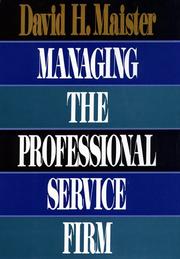
How firms that sell expertise set their ratio of juniors to partners, and price.
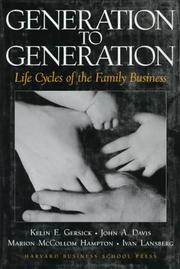
How family firms develop, seen as three overlapping circles: family, owners, firm.

How Pixar kept a creative company working after success, and the habits it used.
Recommended by: Jim Collins, Alexis Ohanian, Allen Gannett and 11 others
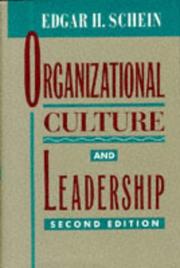
What organisational culture is, how it forms, and how it bears on leadership.
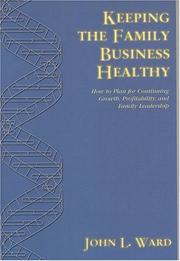
How family-owned firms can plan for growth, ownership and succession.
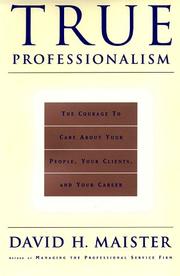
Essays on what makes professional work truly professional, beyond competence.

Building an ownership culture in which employees think and act like owners.
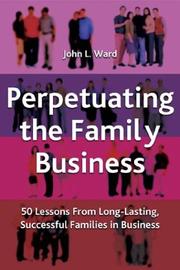
Lessons on why some family firms survive across generations and others do not.
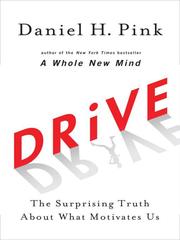
Rewards work for routine tasks; creative work runs on autonomy, mastery and purpose.
“In his excellent book, Drive, Dan Pink distinguishes between algorithmic tasks and heuristic tasks.” — Michael Mauboussin
Source: Blaming the Rat: Incentives, Motivation, and How They Interact (Legg Mason Capital Management)
Recommended by: Michael Mauboussin, Mohnish Pabrai and 3 others
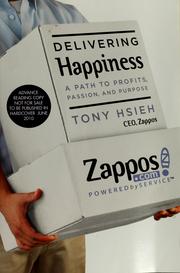
From LinkExchange to Zappos, and the case for building a company on its culture.
Recommended by: Mohnish Pabrai, Ev Williams, Ran Segall and 2 others

Founder's own account of recruiting and holding a commissioned sales force.

Nucor's chief executive on flat structure, incentive pay and minimills
“Another great builder of our time was Kenneth Iverson. In just a few decades, Iverson transformed a small, nearly bankrupt company into the largest and most profitable steel company in the U.S…” — Francois Rochon
Source: Rochon on Ken Iverson and the building of Nucor
Recommended by: Francois Rochon
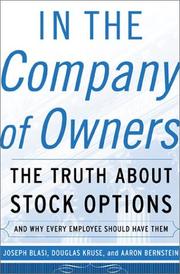
Broad-based stock options and what they did to company performance.
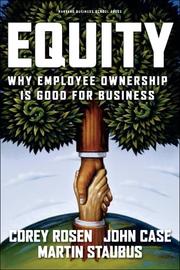
The NCEO's evidence on when shared ownership raises performance.

An owner who converted his own firm, on employee ownership in practice.

Current survey of ESOPs, worker co-ops and employee trusts.

Kegan and Lahey argue that most organizations are 'second nature' — places where people spend enormous energy managing impressions and hiding weaknesses. Deliberately Developmental Organizations build learning into daily work. A challenging read that sits at the furthest edge of what most organizations are ready for.
Recommended by: Tony Hsieh, Ray Dalio

Coyle examines high-performing groups — SEAL teams, Pixar, the San Antonio Spurs — to identify the three skills that build strong cultures: building safety, sharing vulnerability, and establishing purpose. The research is descriptive rather than prescriptive, which makes it more credible than most culture books.
Recommended by: Changpeng Zhao, David Cancel, George Hatzis and 2 others

A fable of a failing executive team and a five-level model of what goes wrong.
Recommended by: Alfred Lin, Chris Powers, Sarah Pritula and 1 other

Five disciplines, led by systems thinking, that let an organisation learn.
Recommended by: Mohnish Pabrai, Sahil Lavingia
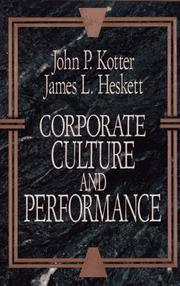
Recommended by: Mohnish Pabrai

Recommended by: Mohnish Pabrai
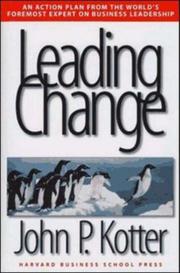
An eight-stage process for organisational change, starting with urgency.
Recommended by: Mohnish Pabrai

Recommended by: John Maeda

Recommended by: Mohnish Pabrai
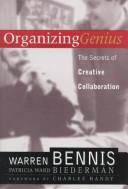
Why some groups of talented people achieve greatness and others never do.
Recommended by: Mohnish Pabrai, Patrick Collison

Hire by defining the results a role must deliver, not the skills on a CV.
Recommended by: Patrick Collison

Recommended by: Patrick Collison, Drew Houston, Simon Sinek


A fable of two rival firms showing why organisational health beats clever strategy.
Recommended by: Mohnish Pabrai, Ali Abdaal, Brian Armstrong
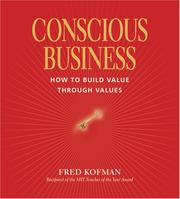
Seven qualities, such as unconditional responsibility, of people who make firms work.
Recommended by: Reid Hoffman, Sheryl Sandberg
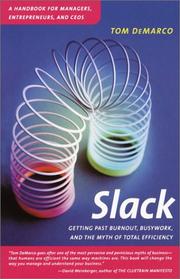
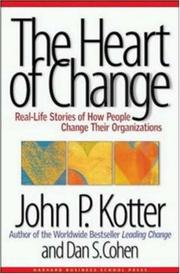
Recommended by: Mohnish Pabrai

Recommended by: Mohnish Pabrai


Leaderless organisations, from Alcoholics Anonymous to file sharing, and their power.
Recommended by: Mohnish Pabrai, Changpeng Zhao, Simon Sinek

Recommended by: Mohnish Pabrai
How to rate an organisation's tribal culture on five stages and raise it.
Recommended by: Tony Hsieh, Graham Duncan, Sahil Lavingia

A method for hiring the right people, built on interviews with wealthy executives.
Recommended by: Nat Eliason, Alexis Ohanian, Noah Kagan
Recommended by: Tony Hsieh
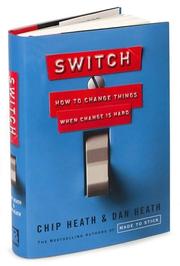
Change made easier: direct the rational rider, motivate the emotional elephant.
Recommended by: Andrew Wilkinson, Mohnish Pabrai, Nir Eyal and 1 other

Recommended by: Mohnish Pabrai

Tech firms' puzzle interview questions, and whether they pick good hires.
Recommended by: Sophie Bakalar
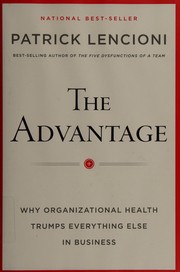
Organisational health, clarity and cohesion, matters more than strategy or smarts.
Recommended by: Changpeng Zhao, David Cancel


Recommended by: Nat Eliason, David Hellmann, Jason Fried and 3 others

Insider account of Google's people operations by its SVP of HR.
Recommended by: Mohnish Pabrai, Changpeng Zhao, David Cancel and 2 others
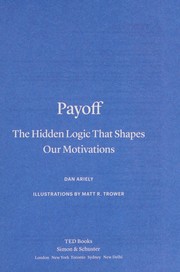
Experiments showing people work for meaning and recognition, not just money.
Recommended by: Tim Ferriss, Alfred Lin
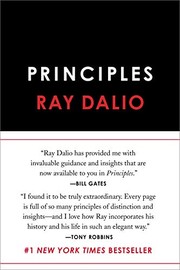
Decision rules from building Bridgewater: radical truth and radical transparency.
Recommended by: Alfred Lin, Nat Eliason, Andrew Lokenauth and 28 others


Recommended by: Arianna Huffington

Culture is how people behave when the leader is absent, and must be designed.
Recommended by: Matt Mullenweg, Andrew Chen, Anu Hariharan and 2 others
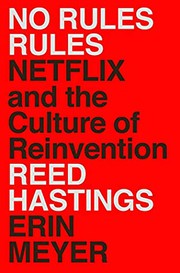
How Netflix built talent density and candour so it could remove controls.
Recommended by: Matt Mullenweg, Alex Lieberman, Ben Horowitz and 2 others

Recommended by: Tony Hsieh


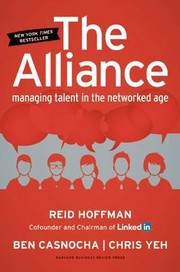
Employment as an honest alliance: set tours of duty between firm and employee.
Recommended by: Brad Feld, Brian Armstrong, Phil Libin
 Ben Horowitzwrote 1 book here
 Ray Daliowrote 1 book here
 Dan Arielywrote 1 book here
 Ed Catmullwrote 1 book here
 Reid Hoffmanwrote 1 book here
 David Heinemeier Hanssonwrote 1 book here
 Reed Hastingswrote 1 book here
 Tony Hsiehwrote 1 book here
 Mohnish Pabrairecommends 18 books hereTony Hsiehrecommends 11 books here
 Matt Mullenwegrecommends 6 books here
 Simon Sinekrecommends 4 books here
 Alfred Linrecommends 4 books here
 Changpeng Zhaorecommends 4 books here
 Ev Williamsrecommends 4 books here
 Patrick Collisonrecommends 4 books here
 Tim Ferrissrecommends 4 books hereRay Daliorecommends 3 books here
Show all 85
Reid Hoffmanrecommends 2 books here Alexis Ohanianrecommends 2 books here
 Arianna Huffingtonrecommends 2 books here
 Brian Armstrongrecommends 2 books here
 Drew Houstonrecommends 2 books here
 Keith Raboisrecommends 2 books here
 Nir Eyalrecommends 2 books hereReed Hastingsrecommends 2 books here
 Sheryl Sandbergrecommends 2 books here
 Tobi Lütkerecommends 2 books hereBen Horowitzrecommends 1 book here
 Howard Marksrecommends 1 book here
 Jim Collinsrecommends 1 book here
 Marc Andreessenrecommends 1 book here
 Brad Feldrecommends 1 book here
 John Doerrrecommends 1 book here
 Marc Benioffrecommends 1 book here
 Guy Spierrecommends 1 book here
 Bill Gatesrecommends 1 book here
 Bryan Johnsonrecommends 1 book here
 Daniel Burkarecommends 1 book here
 Demis Hassabisrecommends 1 book here
 Doug McMillonrecommends 1 book here
 Ezra Kleinrecommends 1 book here
 Jack Dorseyrecommends 1 book here
 Jason Calacanisrecommends 1 book here
 John Maedarecommends 1 book here
 Julie Zhuorecommends 1 book here
 Kevin Systromrecommends 1 book here
 Mark Cubanrecommends 1 book here
 Mark Zuckerbergrecommends 1 book here
 Max Levchinrecommends 1 book here
 Michael Bloombergrecommends 1 book here
 Naval Ravikantrecommends 1 book here
 Phil Libinrecommends 1 book here
 Richard Bransonrecommends 1 book here
 Ryan Petersonrecommends 1 book here
 Tom Bilyeurecommends 1 book here
 Tony Robbinsrecommends 1 book here
 Vinod Khoslarecommends 1 book here
 Zoë Foster Blakerecommends 1 book here