Competitive strategy
Porter, Rumelt, Helmer and other works on industry analysis, competitive advantage and strategic choice.
Start here
- Strategy and StructureAlfred D. Chandler Jr., 1962
- Thinking StrategicallyAvinash K. Dixit, Barry J. Nalebuff, 1991
- Hidden ChampionsHermann Simon, 1996
- 3-D NegotiationDavid A. Lax, James K. Sebenius, 2006
- The Content TrapBharat Anand, 2016
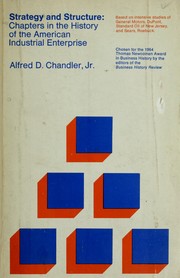
How DuPont, GM, Standard Oil and Sears built the multidivisional firm.
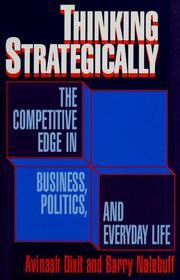
Game theory without maths: look forward, reason back, and make threats credible.
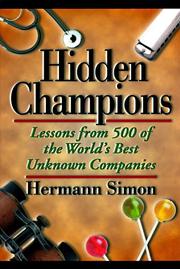
Little-known mid-sized firms, mostly German, that lead world niche markets.
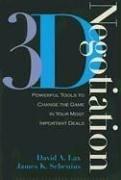
The deal is shaped before the table: set up the parties, interests and options first.
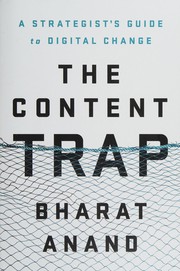
Media firms fail by fixating on content when value lies in the connections around it.
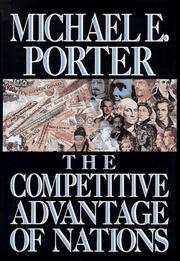
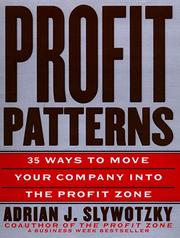
How value migrates between business designs in an industry.
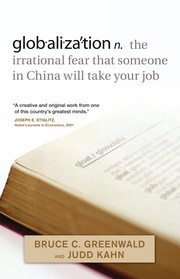
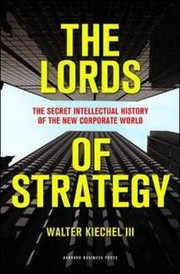
How BCG, Bain and McKinsey created the market for strategy itself.
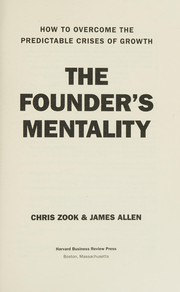
Bain's account of what founder-led companies lose as they scale.
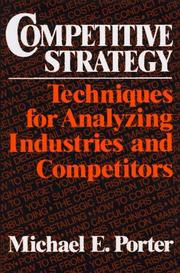
Techniques for Analyzing Industries and Competitors
Recommended by: Mohnish Pabrai, Bill Gurley, Jamie Dimon
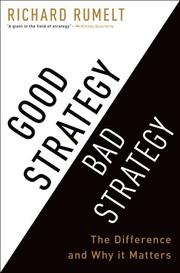
Rumelt's most important contribution is diagnosing what makes strategy bad — fluff, failure to face the challenge, goals masquerading as strategies. His kernel model (diagnosis + guiding policy + coherent actions) is the clearest framework for actually writing strategy, not just talking about it.
Recommended by: Ann Handley, Daniel Burka, Michael Batko and 1 other
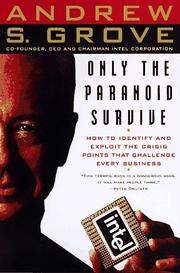
How to spot a strategic inflection point, when a tenfold force changes a business.
“On my Top Ten List. Great Book. Grove was CEO of Intel.” — Mohnish Pabrai
Source: Mohnish's Bookshelf — Books on Entrepreneurship, Management and Leadership, entry 174
Recommended by: Charlie Munger, Mohnish Pabrai and 11 others
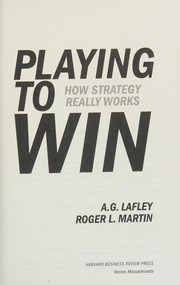
Strategy as five linked choices, including where to play and how to win.
Recommended by: Drew Houston, Justin Kan, Meg Whitman
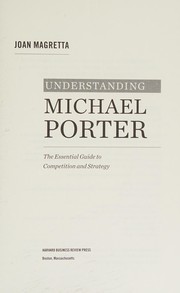
Joan Magretta's accessible synthesis of Porter's body of work clarifies the distinction between operational effectiveness and strategy proper. Essential for anyone who found Competitive Strategy dense or wants the argument stripped of its academic scaffolding.
Recommended by: Mohnish Pabrai
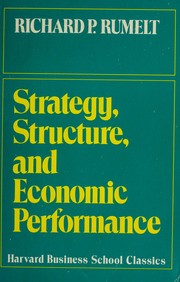
Harvard Business School doctoral dissertation series
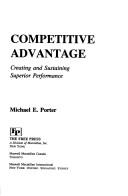
The value chain: how to find where a firm's cost or differentiation advantage lies.
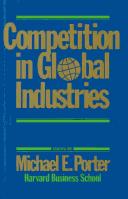
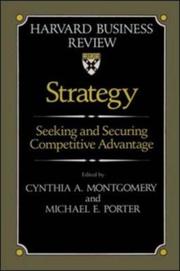
Edited HBR reader
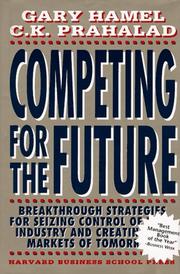
How firms lead future industries by seeing tomorrow's chances and building skills.
Recommended by: Mohnish Pabrai
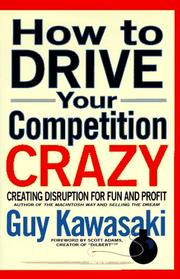
Kawasaki on competing through service, speed and irritating incumbents
“Awesome book. On my Top Ten List. CEO of garage.com and a friend.” — Mohnish Pabrai
Source: Mohnish's Bookshelf — Books on Sales & Marketing, entry 27
Recommended by: Mohnish Pabrai
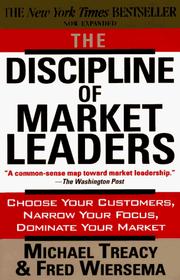
Recommended by: Mohnish Pabrai
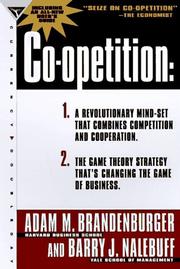
Game theory applied to business, which is cooperative and competitive at once.
Recommended by: Mohnish Pabrai
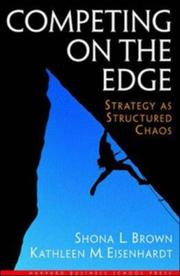
Strategy as constant reshaping of advantage in fast, unpredictable markets.
Recommended by: Mohnish Pabrai
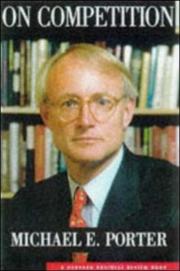
Collected HBR articles; expanded edition 2008
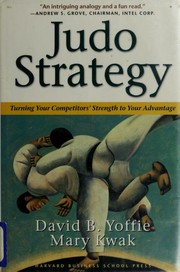
Recommended by: Mohnish Pabrai
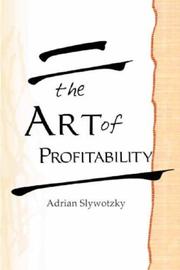
Twenty-three profit models taught as weekly lessons from a mentor to an analyst.
Recommended by: Mohnish Pabrai
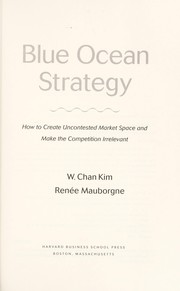
How to create new market space instead of fighting rivals over existing demand.
Recommended by: Mohnish Pabrai, Nat Eliason, Aaron Levie and 5 others
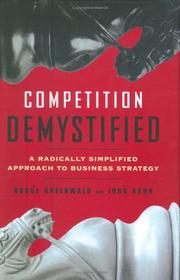
Barriers to entry as the only durable source of a toll.
Recommended by: Mohnish Pabrai, Li Lu
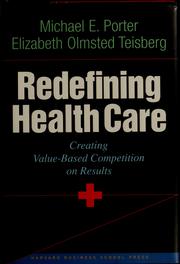
Creating Value-Based Competition on Results
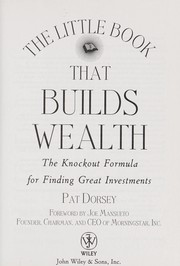
How to spot a durable economic moat from public information, and what isn't one.
Recommended by: Mohnish Pabrai
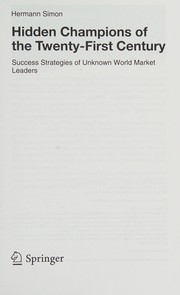
Little-known firms that lead the world in narrow product markets, and how they do it.
Recommended by: Mohnish Pabrai, Tom Peters
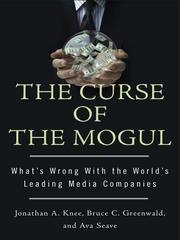
Why most media companies destroy shareholder value: few have barriers to entry.
Recommended by: Keith Rabois
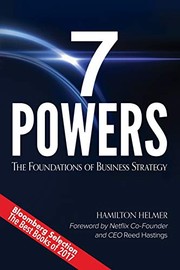
Seven sources of lasting advantage, each a benefit plus a barrier to rivals.
Recommended by: Alex Lieberman, Brett Adcock, Daniel Ek and 6 others
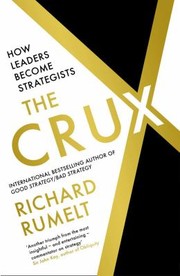
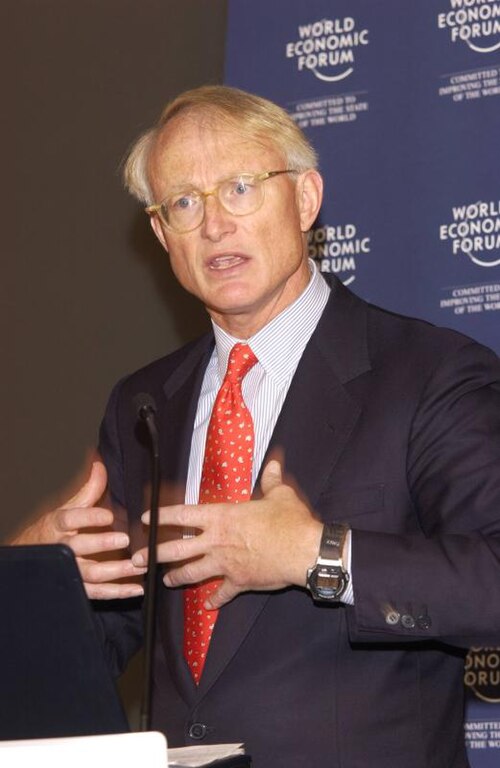 Michael E. Porterwrote 8 books here
 Richard Rumeltwrote 3 books here
 Andrew S. Grovewrote 1 book here
 Guy Kawasakiwrote 1 book here
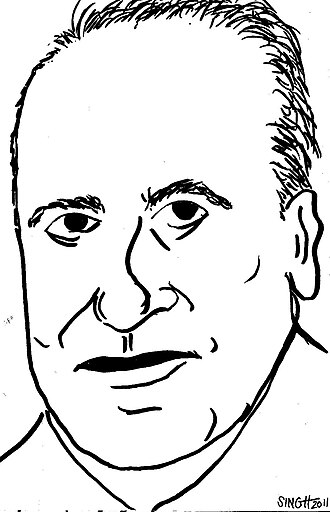 Mohnish Pabrairecommends 14 books here
 Drew Houstonrecommends 3 books here
 Jamie Dimonrecommends 2 books here
 Keith Raboisrecommends 2 books here
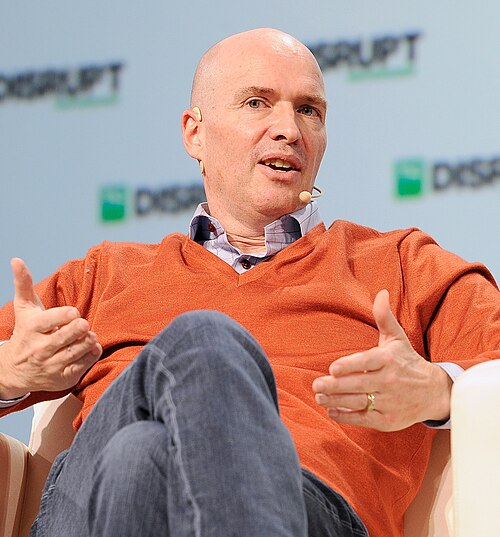 Ben Horowitzrecommends 1 book here
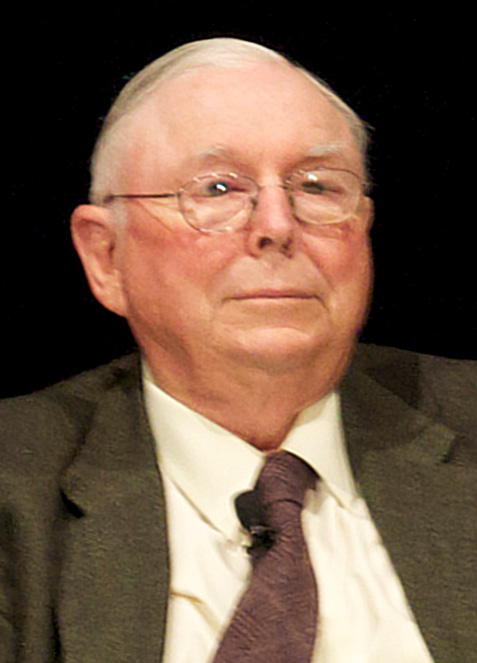 Charlie Mungerrecommends 1 book here
 Marc Andreessenrecommends 1 book here
 Reid Hoffmanrecommends 1 book here
 David Heinemeier Hanssonrecommends 1 book here
 Guy Spierrecommends 1 book here
Show all 38
 Ryan Holidayrecommends 1 book here
 Aaron Levierecommends 1 book here
 Anne Wojcickirecommends 1 book here
 Balaji S. Srinivasanrecommends 1 book here
 Bill Gurleyrecommends 1 book here
 Brett Adcockrecommends 1 book here
 Daniel Burkarecommends 1 book here
 Daniel Ekrecommends 1 book here
 Daymond Johnrecommends 1 book here
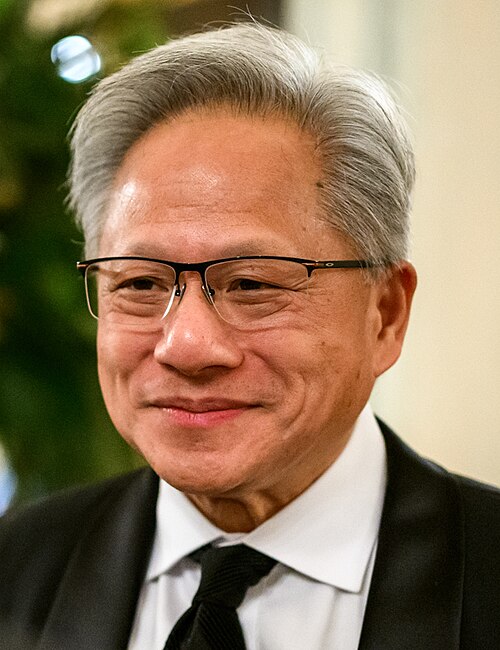 Jensen Huangrecommends 1 book here
 Justin Kanrecommends 1 book here
 Meg Whitmanrecommends 1 book here
 Mike Cannon-Brookesrecommends 1 book here
 Patrick Collisonrecommends 1 book here
 Reed Hastingsrecommends 1 book here
 Ryan Petersonrecommends 1 book here
 Tim Ferrissrecommends 1 book here