
Economic Moats
The central question of quality investing: what stops competition from arbitraging away a high return on capital.
Start here
- The Little Book That Builds WealthPat Dorsey, 2008
- 7 PowersHamilton Helmer, 2016
- Competitive StrategyMichael E. Porter, 1980
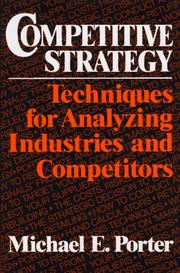
Techniques for Analyzing Industries and Competitors
Recommended by: Mohnish Pabrai, Bill Gurley, Jamie Dimon
The value chain: how to find where a firm's cost or differentiation advantage lies.
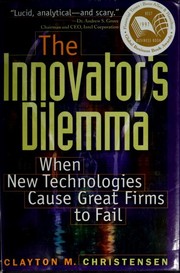
Why well-run firms lose to cheaper, worse products that enter at the market's bottom.
“Awesome book. May move soon to my Top Ten List. If anything will keep CEOs awake at night, reading this book certainly will.” — Mohnish Pabrai
Source: Mohnish's Bookshelf — Books on Sales & Marketing, entry 66
Recommended by: Jim Collins, Mohnish Pabrai, Aaron Levie and 27 others
Barriers to entry as the only durable source of a toll.
Recommended by: Mohnish Pabrai, Li Lu
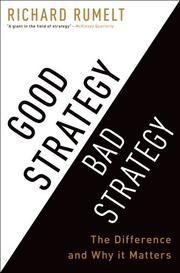
Recommended by: Ann Handley, Daniel Burka, Michael Batko and 1 other

Seven sources of lasting advantage, each a benefit plus a barrier to rivals.
Recommended by: Alex Lieberman, Brett Adcock, Daniel Ek and 6 others

Run a tech company for shareholder value by funding its core advantage.
“Moore's forthcoming book, Living on the Fault Line... is terrific and highly recommended.” — Michael Mauboussin
Source: Network to Net Worth: Exploring Network Dynamics (CS First Boston)
Recommended by: Michael Mauboussin

Wiley published it in 2020.
“George has also written a book on value investing, From Theory to Practice, which I highly recommend.” — Prem Watsa
Source: Fairfax Financial 2021 Shareholders' Letter, p. 35
Recommended by: Mohnish Pabrai, Prem Watsa, Joel Greenblatt and 1 other
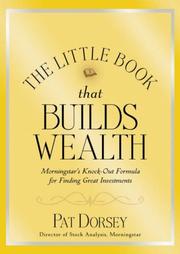
How to spot a durable economic moat from public information, and what isn't one.
Recommended by: Mohnish Pabrai

Recommended by: Mohnish Pabrai
The competitive advantages of 70 businesses Buffett and Munger bought for Berkshire.
 Michael E. Porterwrote 2 books here
 Clayton Christensenwrote 1 book here
 Richard Rumeltwrote 1 book here
 Mohnish Pabrairecommends 6 books here
 Bill Gurleyrecommends 2 books here
 Brett Adcockrecommends 2 books here
 Andrew S. Groverecommends 1 book here
 Ben Horowitzrecommends 1 book here
 Jim Collinsrecommends 1 book here
 Marc Andreessenrecommends 1 book here
 Paul Grahamrecommends 1 book here
 Warren Buffettrecommends 1 book here
 Kevin Kellyrecommends 1 book here
Show all 48
 Marc Benioffrecommends 1 book here
 Prem Watsarecommends 1 book here
 Reid Hoffmanrecommends 1 book here
 Guy Kawasakirecommends 1 book here
 Guy Spierrecommends 1 book here
 Aaron Levierecommends 1 book here
 Caterina Fakerecommends 1 book here
 Chris Dixonrecommends 1 book here
 Daniel Burkarecommends 1 book here
 Daniel Ekrecommends 1 book here
 Drew Houstonrecommends 1 book here
 Ev Williamsrecommends 1 book here
 Jamie Dimonrecommends 1 book here
 Jeff Bezosrecommends 1 book here
 Jensen Huangrecommends 1 book here
 Keith Raboisrecommends 1 book here
 Mark Cubanrecommends 1 book here
 Max Levchinrecommends 1 book here
 Michael Bloombergrecommends 1 book here
 Nir Eyalrecommends 1 book here
 Reed Hastingsrecommends 1 book here
 Ryan Petersonrecommends 1 book here
 Steve Jobsrecommends 1 book here
 Tim O’Reillyrecommends 1 book here