Meaning and the good life
Holds practical books on how to live: purpose, happiness, mortality and grief, advice and letters to the young, and collections of maxims and aphorisms.
Start here
- Poor Richard's AlmanackBenjamin Franklin, 1732
- Being MortalAtul Gawande, 2014
- Finite and Infinite GamesJames P. Carse, 1986
- Excellent Advice for LivingKevin Kelly, 2023
- MasteryGeorge Leonard, 1991

An almanac of proverbs and maxims urging thrift, industry and courtesy.
Recommended by: Tim Ferriss
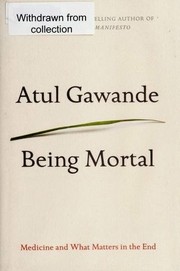
End-of-life and hospice care, and why medicine should aim at well-being.
Recommended by: Mohnish Pabrai, Bill Gates, Julie Zhuo
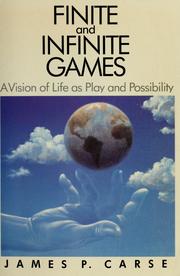
Finite games are played to win; infinite games are played to keep playing.
Recommended by: Nat Eliason, Daniel Gross, Derek Sivers and 8 others
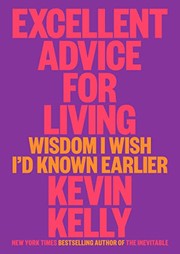
Short pieces of advice on living, goals, generosity, careers, family and money.
Recommended by: Andrew Wilkinson, Matt Mullenweg
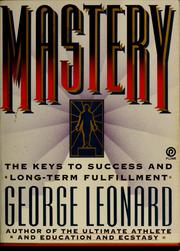
The plateau and long practice; mastery as a delayed reward
Recommended by: Ev Williams, Patrick O'Shaughnessy and 1 other
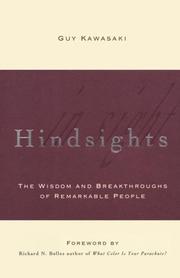
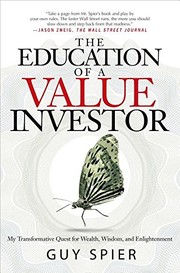
Spier on the psychology and habits behind durable value investing.
“…books I've recommended, highlighted to death, or forced on friends.” — Andrew Wilkinson
Source: Andrew Wilkinson's Bookshelf, neverenough.com
Recommended by: Andrew Wilkinson, Christopher Bloomstran and 1 other
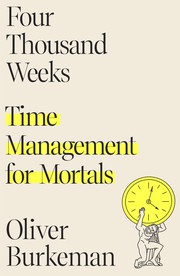
Burkeman's book on finitude is the necessary counterweight to grandiose civilizational thinking. Four thousand weeks is approximately an 80-year life, and Burkeman's argument — that productivity systems typically function as denial mechanisms against this fact — forces the question of how a mortal agent ought to orient toward long-term causes. The tension between personal finitude and multigenerational obligation is never fully resolved here, which is exactly right.
Recommended by: Andrew Wilkinson, The Barefoot Investor and 1 other

Recommended by: Nat Eliason, Tim Ferriss, Tony Robbins
Recommended by: Mohnish Pabrai, Ryan Holiday
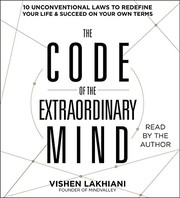
Recommended by: Jim Kwik


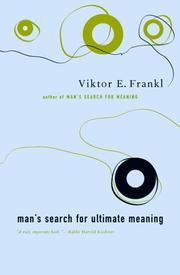
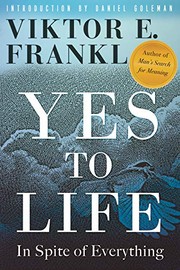
Life in Nazi concentration camps, and logotherapy: finding meaning to survive.
“I have been deeply influenced by the existentialist and eminent psychiatrist Viktor Frankl, who wrote the perennial best seller Man's Search for Meaning, one of the most influential books I've ever…” — Frank Martin
Source: Martin on one of the most influential books he has read and reread
Recommended by: Frank Martin, Mohnish Pabrai, Nat Eliason and 24 others
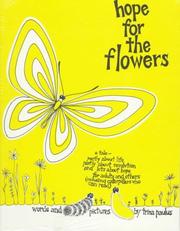
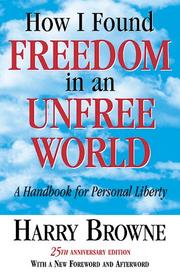
Recommended by: Nat Eliason

How people and cultures react to death, and what that reaction does to them.
Recommended by: Nat Eliason, Eric Weinstein

Recommended by: Sophia Amoruso
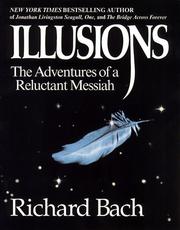
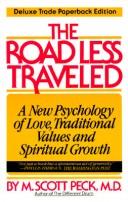
Recommended by: John Maeda, Nathan Murphy

Recommended by: Mohnish Pabrai
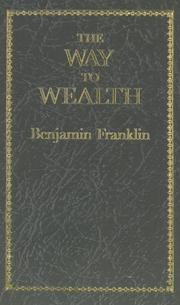
Recommended by: Mohnish Pabrai, Naval Ravikant
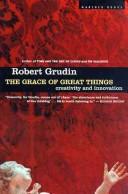
Recommended by: Mohnish Pabrai
Recommended by: Mohnish Pabrai
Myth, psychology and Sufi wisdom on how money can become a means of self-knowledge.
Recommended by: Mohnish Pabrai
Recommended by: Mohnish Pabrai
Recommended by: Mohnish Pabrai
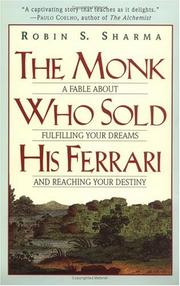
Recommended by: Melanie Perkins, Terrance McArthur and 1 other
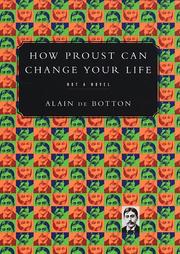
Recommended by: Mohnish Pabrai, Matt Mullenweg
Recommended by: Mohnish Pabrai
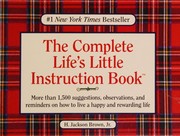
Recommended by: Scott Belsky
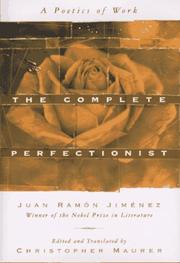
Recommended by: Ryan Holiday
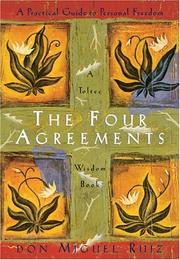
Recommended by: Jack Dorsey, Nate O'Brien, Peter Attia
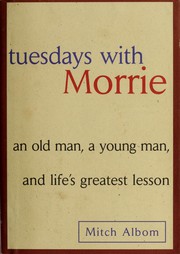
Recommended by: Mohnish Pabrai, Library Mindset

Recommended by: Mohnish Pabrai
Recommended by: Blake Mycoskie

Recommended by: Sheryl Sandberg
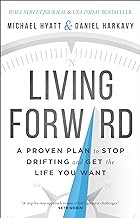
A venture adviser on startups and the trap of the deferred life plan.
Recommended by: Nat Eliason, Patrick Collison, Ev Williams and 3 others
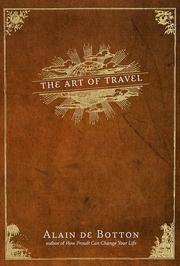
Recommended by: Andrew Wilkinson, Brian Chesky

Where the worry about others' judgement of us comes from, and how people overcome it.
Recommended by: Andrew Wilkinson, Garry Tan
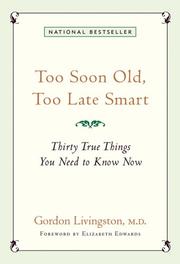
Recommended by: Andrew Wilkinson, Nat Eliason and 1 other
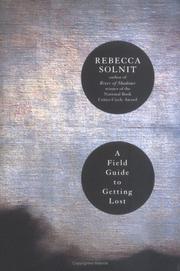
Recommended by: Matt Mullenweg

Ancient wisdom on happiness tested against modern psychology and brain research.
Recommended by: Andrew Wilkinson, Tony Hsieh
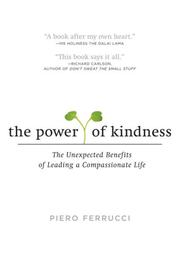
Recommended by: Mohnish Pabrai
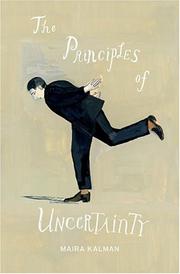
Recommended by: Caterina Fake
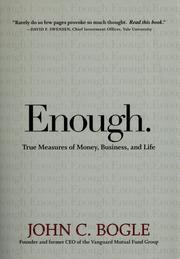
Recommended by: Mr. Money Mustache
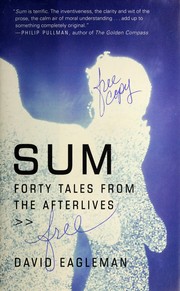
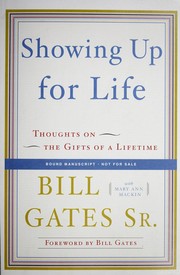
Recommended by: Mohnish Pabrai, Bill Gates

Recommended by: Andrew Wilkinson
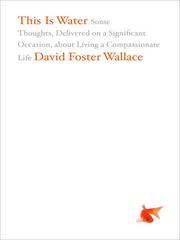
Recommended by: Nat Eliason, Julie Zhuo
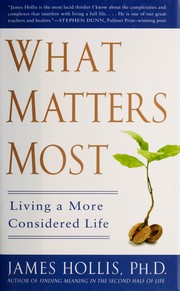
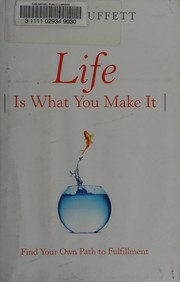
Recommended by: Bill Gates, Mohnish Pabrai, Warren Buffett
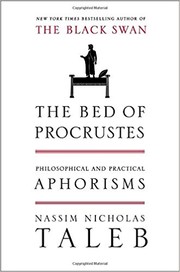
Aphorisms stating Taleb's ideas on randomness, knowledge and modern life.
Recommended by: Nat Eliason, Ryan Holiday, Matt Mullenweg and 2 others
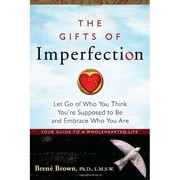
Courage, compassion and connection as choices that lead to wholehearted living.
Recommended by: Brené Brown, Melinda Gates
Recommended by: Mohnish Pabrai
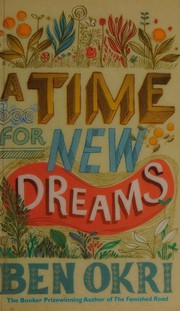
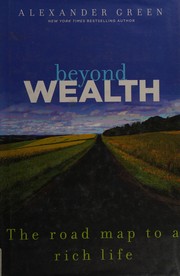

Edwardian essay on living deliberately below your means
Recommended by: Morgan Housel
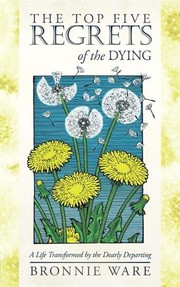
Recommended by: Mike Maples, Jr.

Recommended by: Patrick O'Shaughnessy
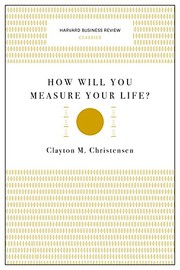
Business strategy theories applied to career, family and integrity.
Recommended by: Ali Abdaal, Mohnish Pabrai, Patrick Collison and 6 others

Recommended by: Ali Abdaal, Nat Eliason

Recommended by: Nat Eliason, Naval Ravikant, Garry Tan and 1 other
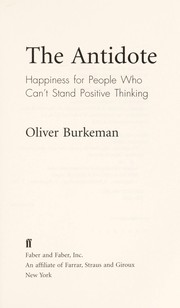

Recommended by: Ryan Holiday, Shane Parrish and 1 other
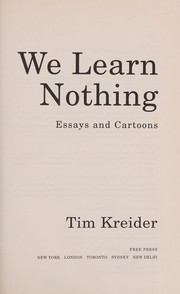
Recommended by: Abi Tyas Tunggal, Tim Ferriss
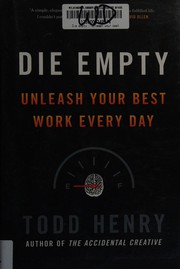
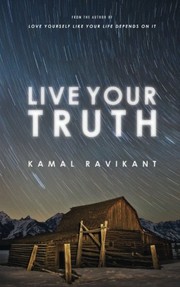
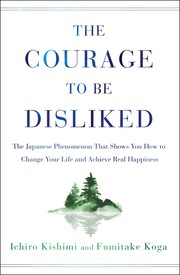
Alfred Adler's psychology taught through five nights of dialogue.
“This book is oddly written (it's translated from Japanese), but it changed my life.” — Andrew Wilkinson
Source: Newsletter
Recommended by: Ali Abdaal, Andrew Wilkinson, Tim Ferriss and 11 others
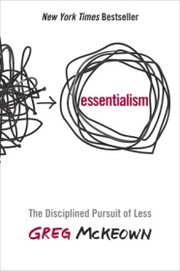
A method for finding the few activities that matter and dropping the rest.
Recommended by: Matt Mullenweg, Nat Eliason, Ran Segall and 10 others
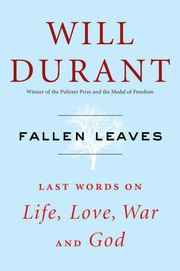
“a book that historian Will Durant wrote in his 90s, a summation of his thoughts on the meaning of life at the end of his” — Andrew Wilkinson
Source: Newsletter
Recommended by: Andrew Wilkinson, Matt Mullenweg and 1 other
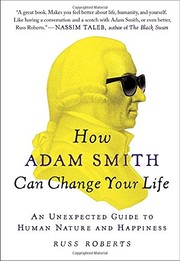
Recommended by: Tim O’Reilly
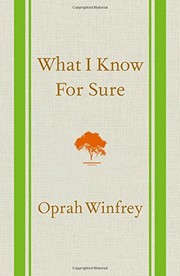
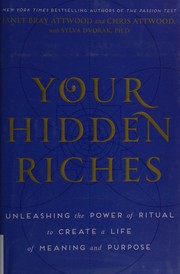
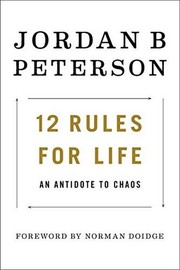
Twelve rules for living, each drawn from clinical practice, biology and myth.
Recommended by: Nat Eliason, Alex and Books, Ana Fabrega and 7 others
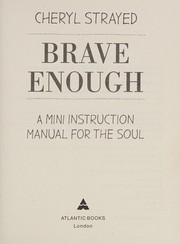
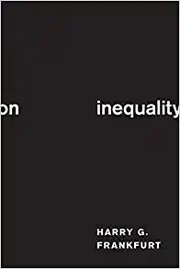
Recommended by: Patrick Collison, Paul Graham
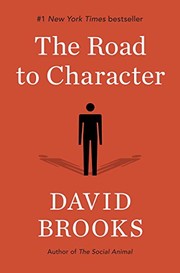
“It certainly was a stimulating read, and it got me thinking about my own motivations and limitations in new ways.” — Bill Gates
Source: Gates Notes review of The Road to Character
Recommended by: Bill Gates, Mohnish Pabrai, Alfred Lin and 1 other
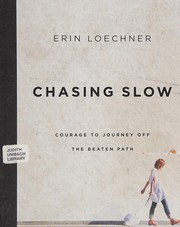
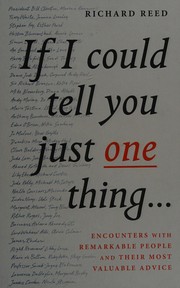
Recommended by: Richard Branson

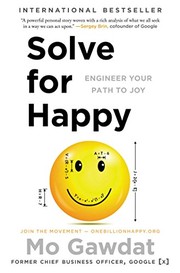
An engineer's approach to happiness: the illusions and brain flaws behind suffering.
Recommended by: Andrew Wilkinson, Peter Attia
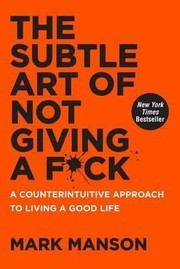
Recommended by: Ran Segall, Johnnie Gomez, Matej Latin and 1 other

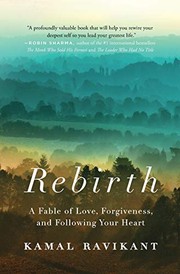
A grieving man walks the Camino de Santiago after scattering his father's ashes.
Recommended by: Matt Mullenweg
Quotation collection with commentary; thin, but the quotes are sourced.
Recommended by: Andrew Wilkinson, Chris Powers, David Cancel

Recommended by: Arianna Huffington
“I love this line from Dr. James Hollis' incredible book (one of my favorites from the last few years)” — Andrew Wilkinson
Source: Essay
Recommended by: Andrew Wilkinson
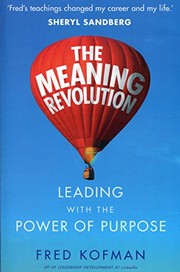
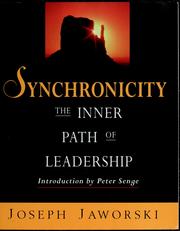
Leadership treated as the creation of meaning inside organisations
Recommended by: Reid Hoffman
Recommended by: Ryan Hoover

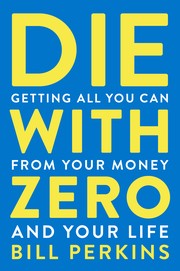
Recommended by: Ali Abdaal, Nat Eliason, James Altucher
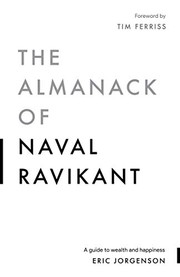
Naval Ravikant's ideas on building wealth and being happy, gathered from his talks.
Recommended by: Balaji S. Srinivasan, Nat Eliason and 9 others
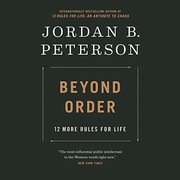
Recommended by: Naval Ravikant

“I also recommend Derek's other books (How To Live is especially good).” — Andrew Wilkinson
Source: Newsletter
Recommended by: Andrew Wilkinson
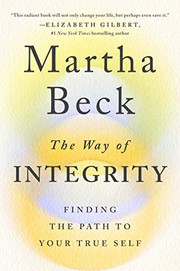
Recommended by: Melinda Gates
“Derek is one of my favorite writers, and his latest book is focused on a simple idea: our beliefs are often not necessarily true, but simply useful to us. That beliefs are tools, not truths.” — Andrew Wilkinson
Source: Newsletter
Recommended by: Andrew Wilkinson
Recommended by: Tim Ferriss
Recommended by: Patrick O'Shaughnessy
Recommended by: Mohnish Pabrai
Recommended by: Ryan Holiday
Examples of people who turned their concern for the world into their work.
Recommended by: Richard Branson
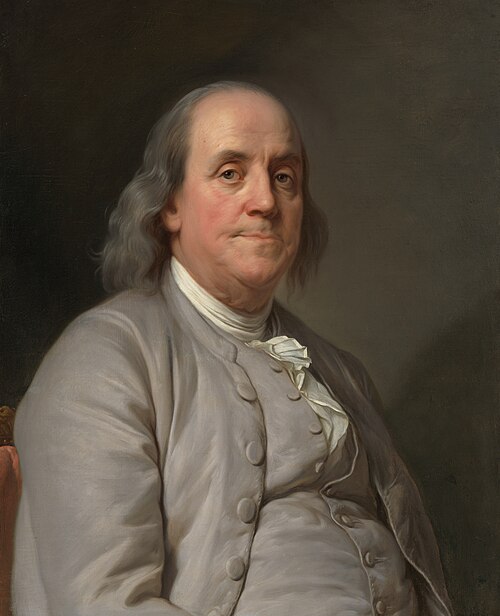 Benjamin Franklinwrote 4 books here
 Oprah Winfreywrote 2 books here
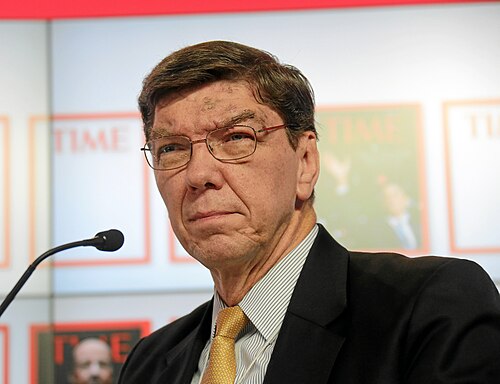 Clayton Christensenwrote 1 book here
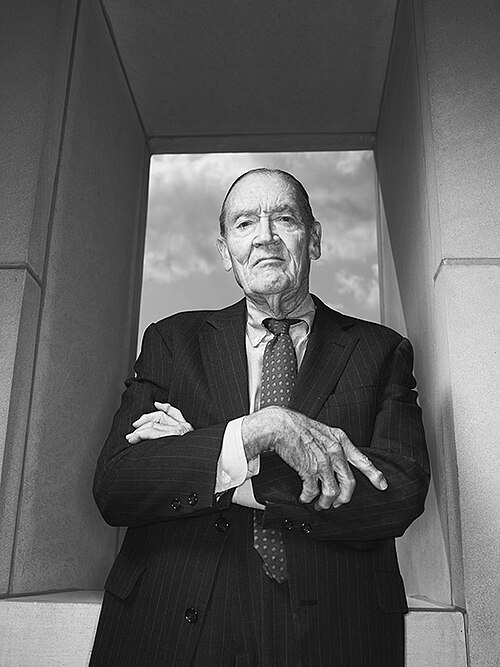 John C. Boglewrote 1 book here
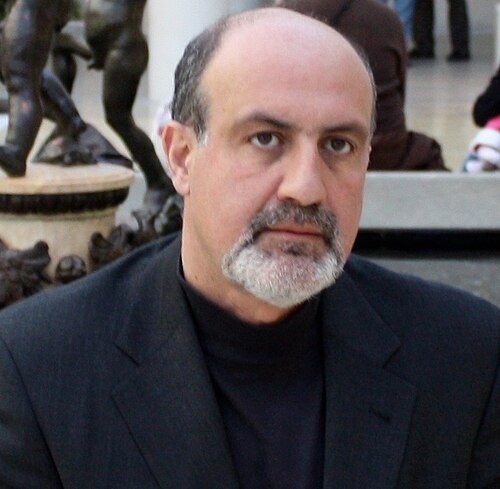 Nassim Nicholas Talebwrote 1 book here
 Kevin Kellywrote 1 book here
 Guy Kawasakiwrote 1 book here
 Guy Spierwrote 1 book here
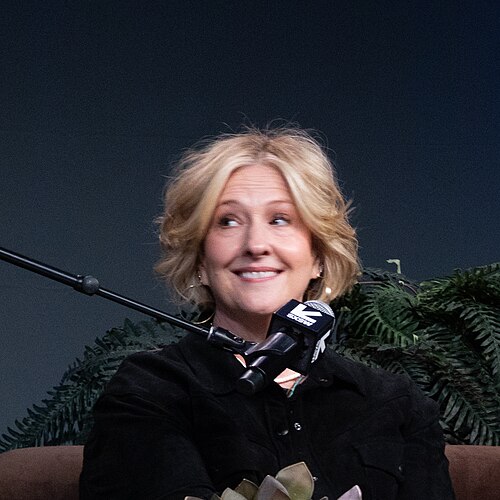 Brené Brownwrote 1 book here
Show all 13
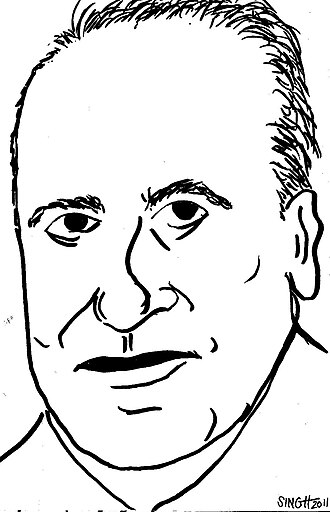 Mohnish Pabrairecommends 26 books here
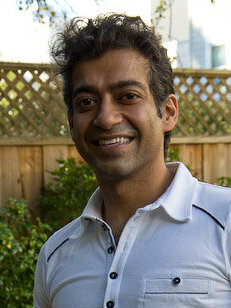 Naval Ravikantrecommends 12 books here
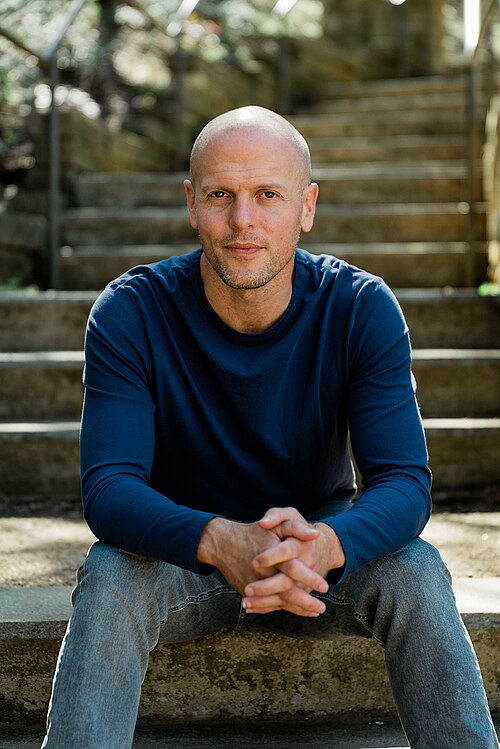 Tim Ferrissrecommends 11 books here
 Matt Mullenwegrecommends 9 books here
 Ryan Holidayrecommends 8 books here
 Ev Williamsrecommends 5 books here
Show all 116
 Bill Gatesrecommends 4 books here
 Patrick Collisonrecommends 4 books here
 Simon Sinekrecommends 3 books here
 Antonio García Martínezrecommends 3 books here
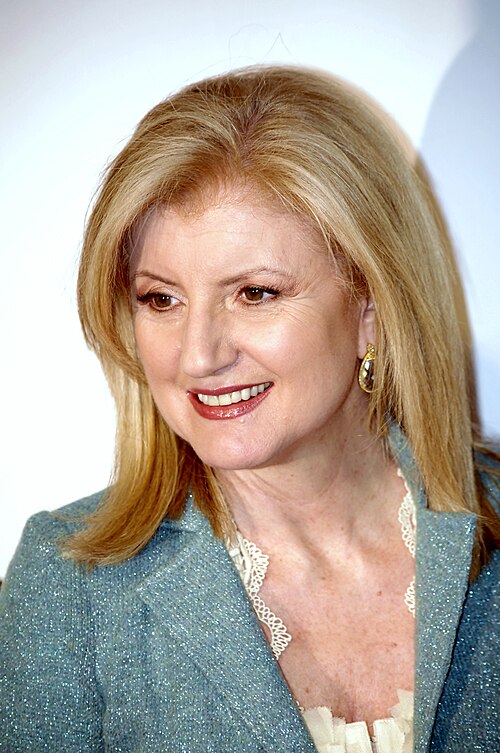 Arianna Huffingtonrecommends 3 books here
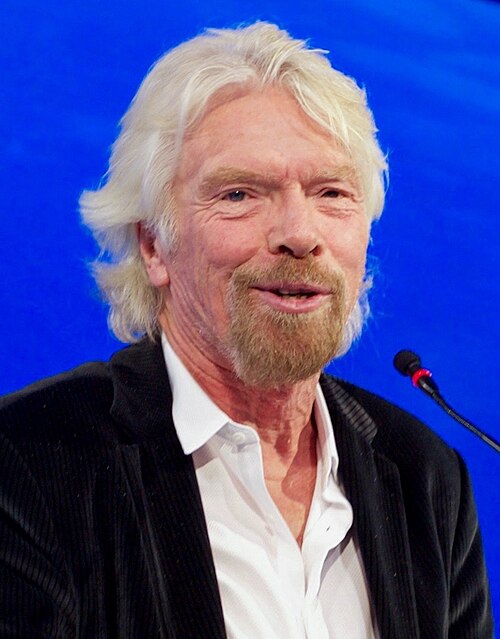 Richard Bransonrecommends 3 books here
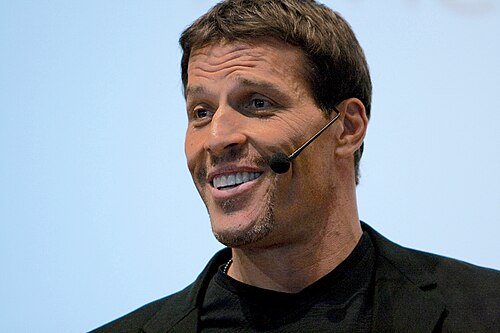 Tony Robbinsrecommends 3 books here
 Zoë Foster Blakerecommends 3 books here
 Marc Andreessenrecommends 2 books here
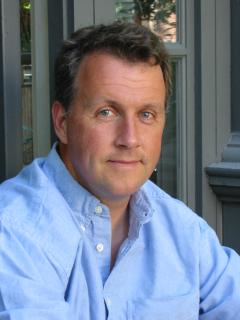 Paul Grahamrecommends 2 books here
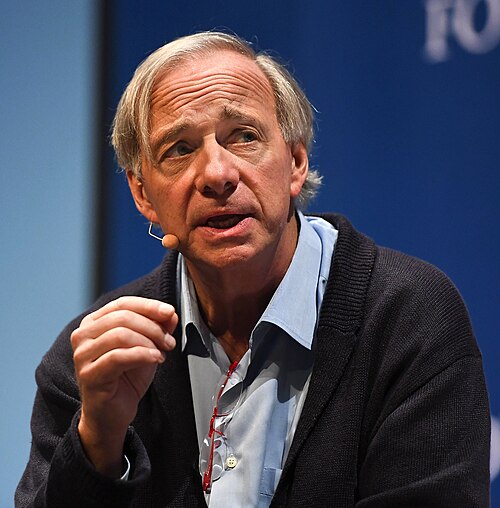 Ray Daliorecommends 2 books hereBrené Brownrecommends 2 books here
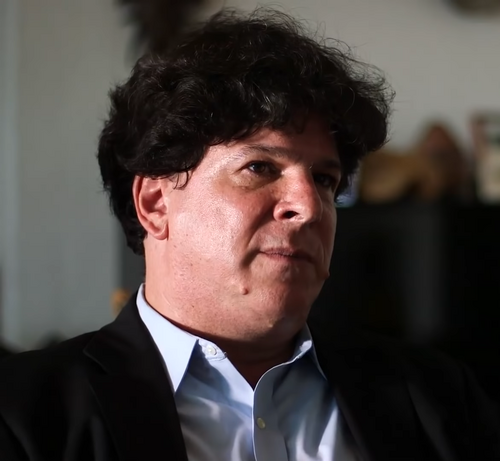 Eric Weinsteinrecommends 2 books here
 Garry Tanrecommends 2 books here
 James Altucherrecommends 2 books here
 John Maedarecommends 2 books here
 Julie Zhuorecommends 2 books here
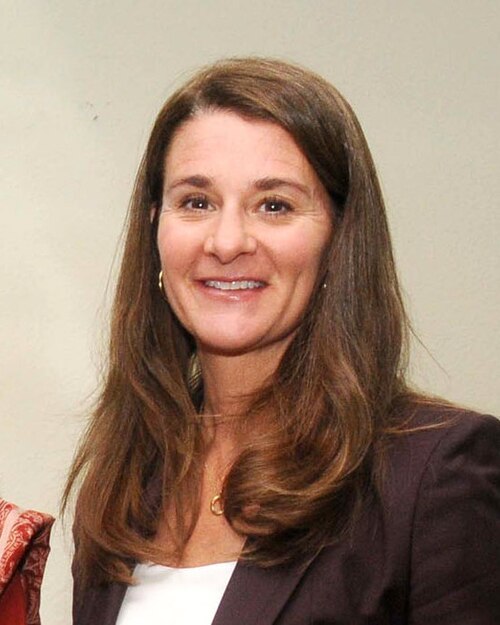 Melinda Gatesrecommends 2 books here
 Peter Attiarecommends 2 books here
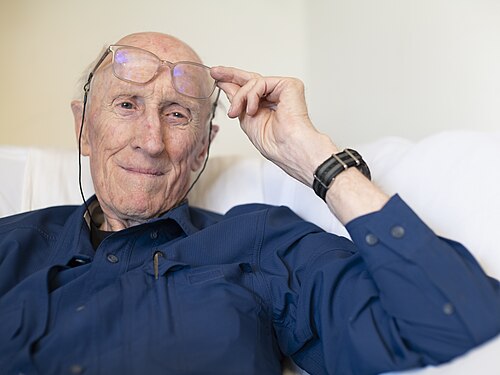 Stewart Brandrecommends 2 books here
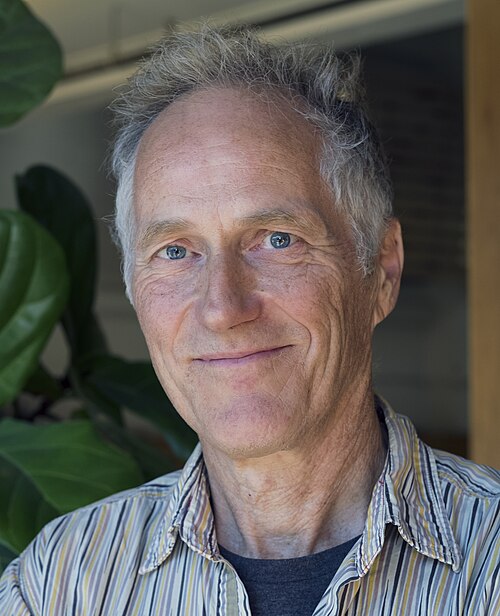 Tim O’Reillyrecommends 2 books here
 Tony Hsiehrecommends 2 books hereNassim Nicholas Talebrecommends 1 book here
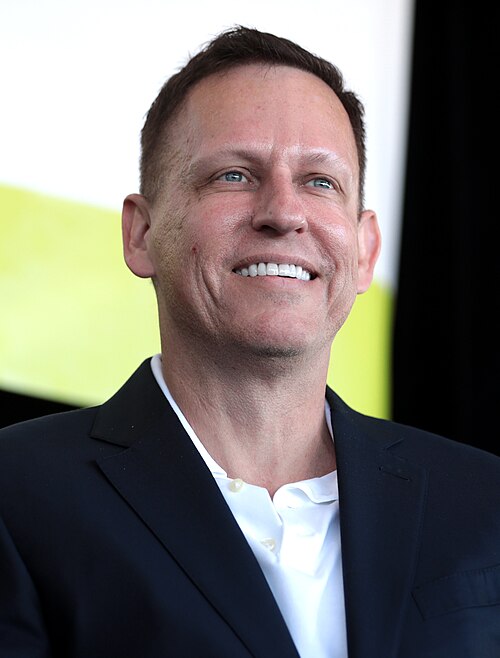 Peter Thielrecommends 1 book here
 Warren Buffettrecommends 1 book hereKevin Kellyrecommends 1 book here
 Reid Hoffmanrecommends 1 book here
 David Heinemeier Hanssonrecommends 1 book hereGuy Spierrecommends 1 book here
 Alfred Linrecommends 1 book here
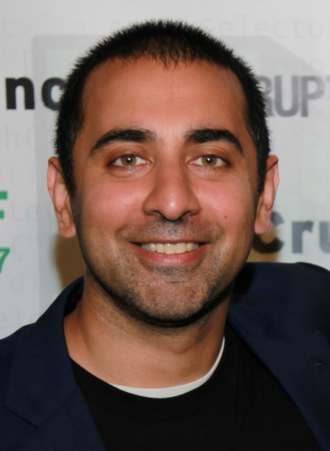 Balaji S. Srinivasanrecommends 1 book here
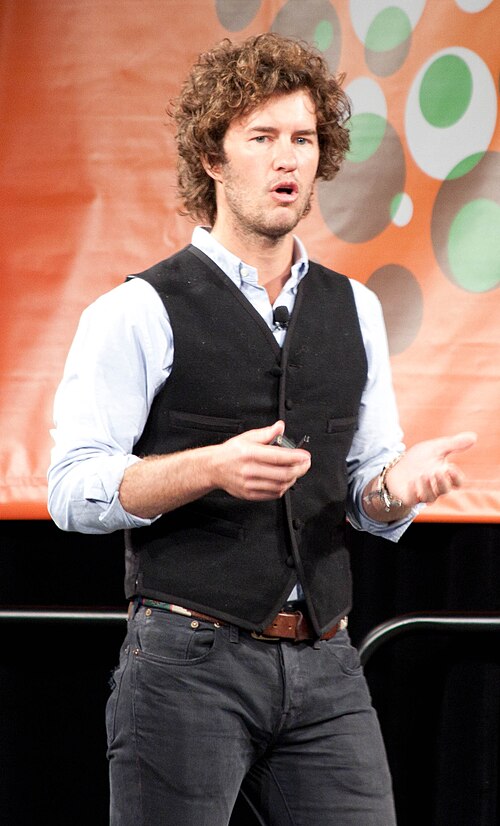 Blake Mycoskierecommends 1 book here
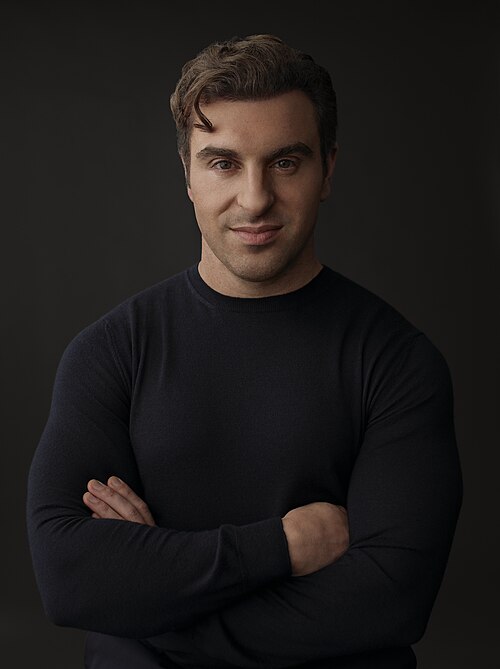 Brian Cheskyrecommends 1 book here
 Bryan Johnsonrecommends 1 book here
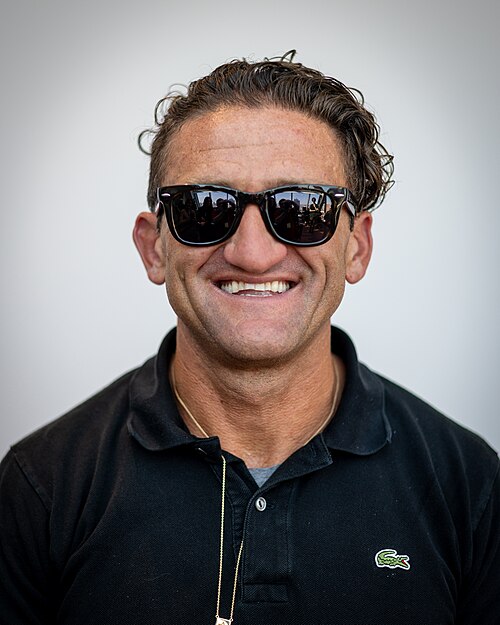 Casey Neistatrecommends 1 book here
 Caterina Fakerecommends 1 book here
 Daniel Grossrecommends 1 book here
 Fred Wilsonrecommends 1 book here
 Jack Dorseyrecommends 1 book here
 Jane McGonigalrecommends 1 book here
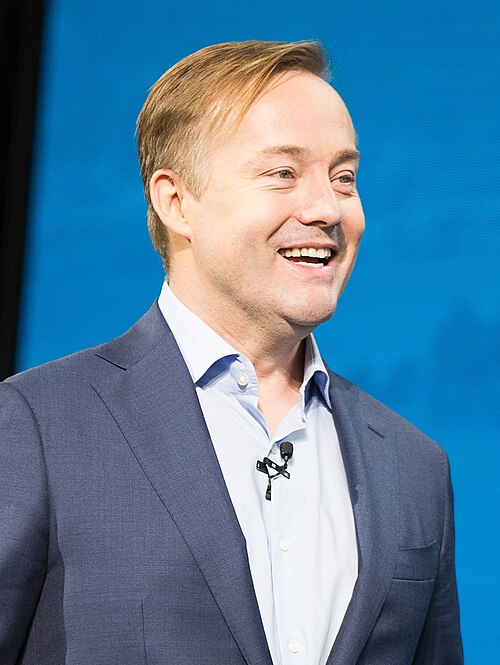 Jason Calacanisrecommends 1 book here
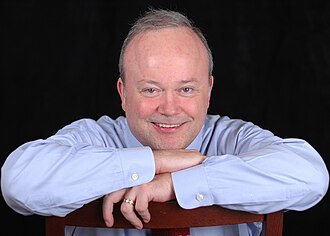 Jim O'Shaughnessyrecommends 1 book here
 Justin Kanrecommends 1 book here
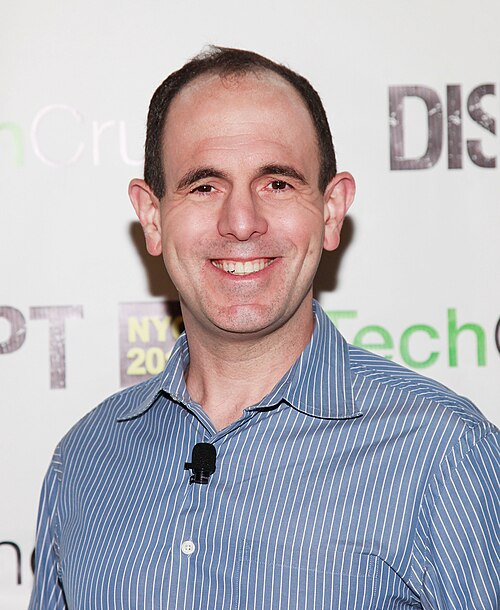 Keith Raboisrecommends 1 book here
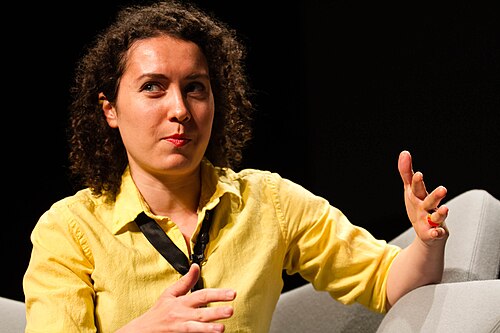 Maria Popovarecommends 1 book here
 Melanie Perkinsrecommends 1 book here
 Michael Bloombergrecommends 1 book here
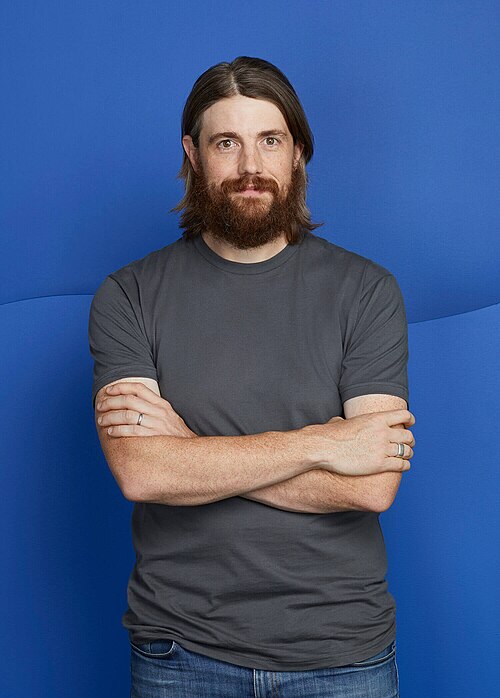 Mike Cannon-Brookesrecommends 1 book here
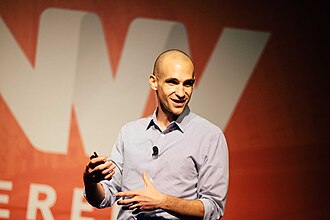 Nir Eyalrecommends 1 book here
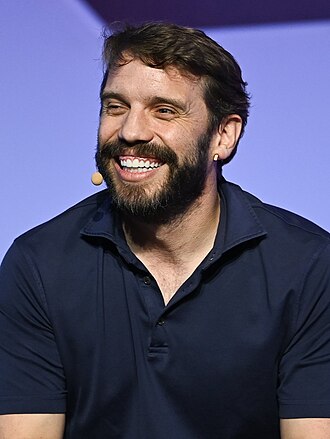 Ryan Petersonrecommends 1 book here
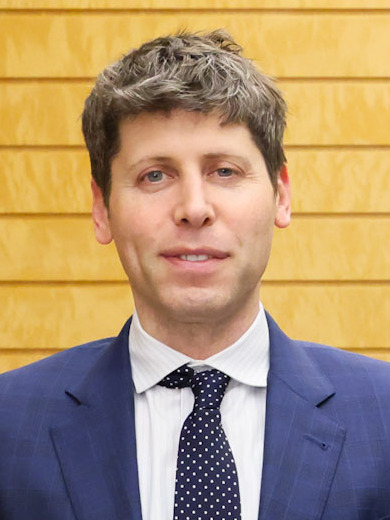 Sam Altmanrecommends 1 book here
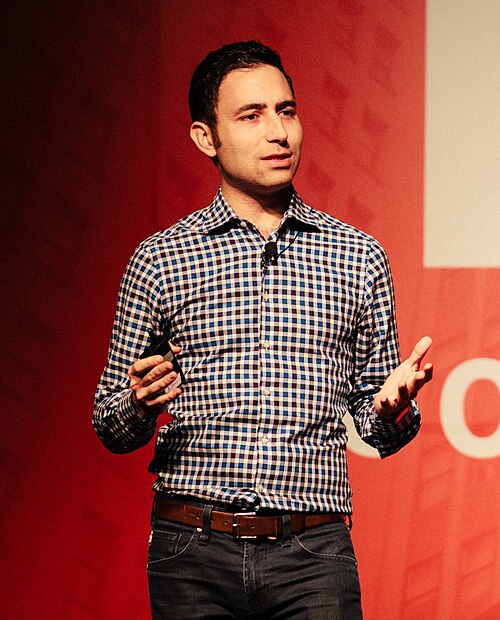 Scott Belskyrecommends 1 book here
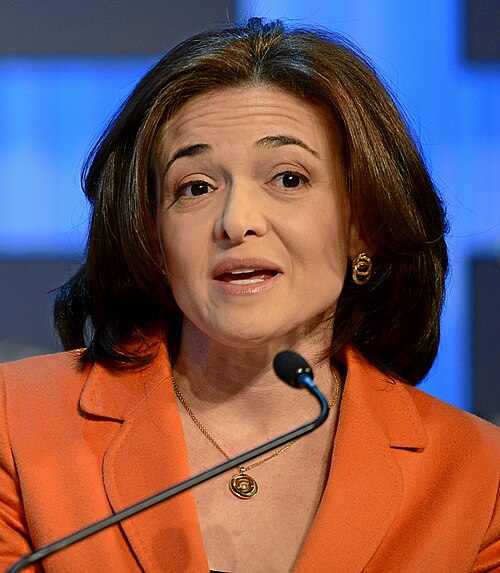 Sheryl Sandbergrecommends 1 book here
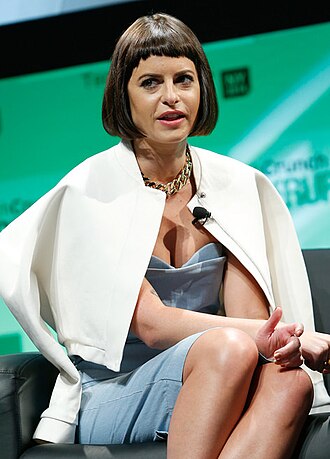 Sophia Amorusorecommends 1 book here
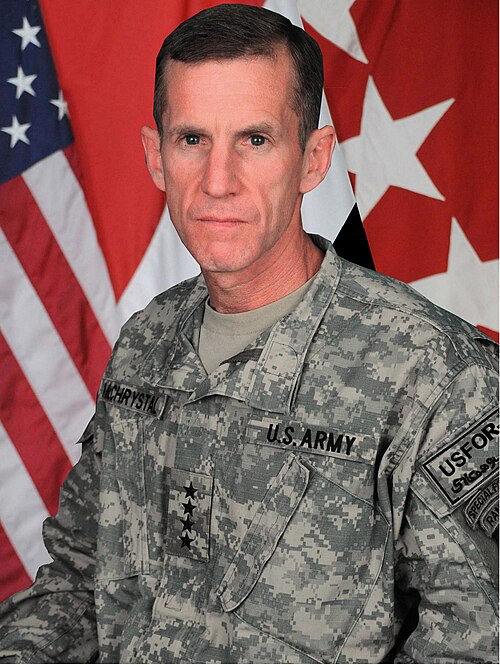 Stanley McChrystalrecommends 1 book here
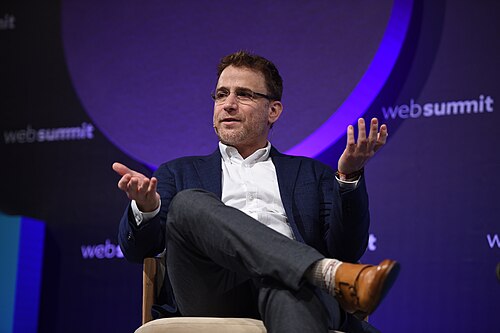 Stewart Butterfieldrecommends 1 book here
 Tobi Lütkerecommends 1 book here
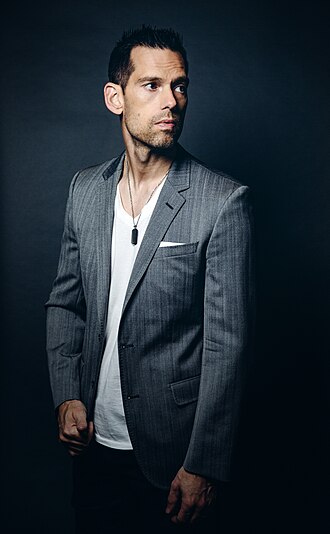 Tom Bilyeurecommends 1 book here
 Trevor Ncuberecommends 1 book here
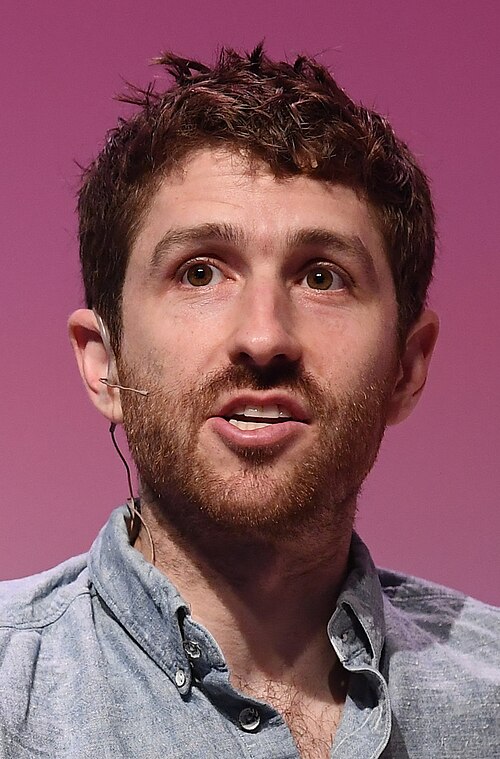 Tristan Harrisrecommends 1 book here