Happiness, meaning and mindfulness
Books on happiness research, the search for meaning, meditation, Buddhist psychology, stress and contentment.
Start here
- Flow: The Psychology of Optimal ExperienceMihaly Csikszentmihalyi, 1990
- WaldenHenry David Thoreau, 1854
- The Varieties of Religious ExperienceWilliam James, 1902
- How to Stop Worrying and Start LivingDale Carnegie, 1936
- Man's Search for MeaningViktor E. Frankl, 1968
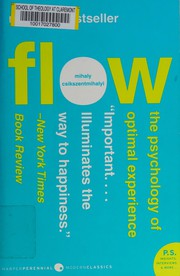
Flow, the state of full absorption in a hard task, and how to find it more often.
“…books I've recommended, highlighted to death, or forced on friends.” — Andrew Wilkinson
Source: Andrew Wilkinson's Bookshelf, neverenough.com
Recommended by: Andrew Wilkinson, Jim Collins and 2 others

Recommended by: Mohnish Pabrai, Nat Eliason, Maria Popova and 1 other
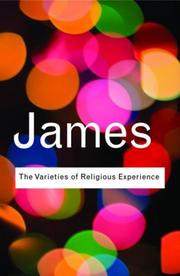
Recommended by: Mark Zuckerberg

Recommended by: Ran Segall, Tim Ferriss
Life in Nazi concentration camps, and logotherapy: finding meaning to survive.
“I have been deeply influenced by the existentialist and eminent psychiatrist Viktor Frankl, who wrote the perennial best seller Man's Search for Meaning, one of the most influential books I've ever…” — Frank Martin
Source: Martin on one of the most influential books he has read and reread
Recommended by: Frank Martin, Mohnish Pabrai, Nat Eliason and 24 others
Recommended by: Adam Robinson

How people and cultures react to death, and what that reaction does to them.
Recommended by: Nat Eliason, Eric Weinstein

Recommended by: Mohnish Pabrai
Recommended by: Brian Armstrong
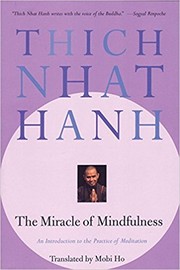

How acting on routine leads to error and pain, and what thinking mindfully changes.
Recommended by: Arianna Huffington

Recommended by: Vinod Khosla, Shane Parrish

Recommended by: Tristan Harris

Recommended by: Mohnish Pabrai
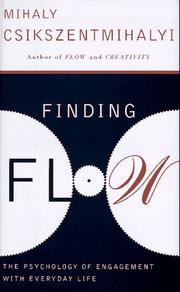
Recommended by: Mohnish Pabrai
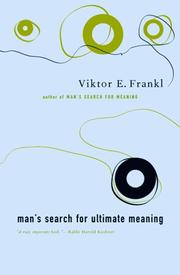
Recommended by: Mohnish Pabrai

Recommended by: Brené Brown, Jerry Colonna

A scale of human consciousness and a claimed method to test any statement's truth.
Recommended by: Mohnish Pabrai

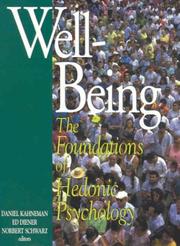
Edited volume


Recommended by: Mohnish Pabrai

Recommended by: Brené Brown, Jerry Colonna, Tim Ferriss
Recommended by: Mohnish Pabrai

Recommended by: Andrew Wilkinson, Nat Eliason and 1 other
Ancient wisdom on happiness tested against modern psychology and brain research.
Recommended by: Andrew Wilkinson, Tony Hsieh

Short reflections and practices for starting mindfulness, read at random or daily.
Recommended by: Ev Williams



Recommended by: Naval Ravikant
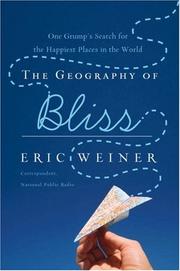
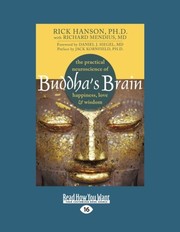


Recommended by: Safi Bahcall

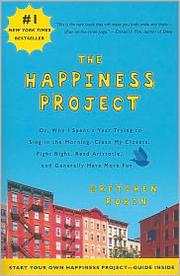


Recommended by: Mohnish Pabrai

Recommended by: Mike Maples, Jr.

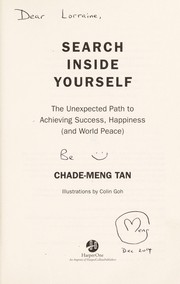
Recommended by: Arianna Huffington, Matt Mullenweg and 1 other


Recommended by: Andrew Wilkinson, David Kadavy


Alfred Adler's psychology taught through five nights of dialogue.
“This book is oddly written (it's translated from Japanese), but it changed my life.” — Andrew Wilkinson
Source: Newsletter
Recommended by: Ali Abdaal, Andrew Wilkinson, Tim Ferriss and 11 others


Recommended by: Keith Rabois, Patrick Collison and 1 other


An engineer's approach to happiness: the illusions and brain flaws behind suffering.
Recommended by: Andrew Wilkinson, Peter Attia

Recommended by: Arianna Huffington

Recommended by: Graham Duncan, Tony Robbins


A grieving man walks the Camino de Santiago after scattering his father's ashes.
Recommended by: Matt Mullenweg

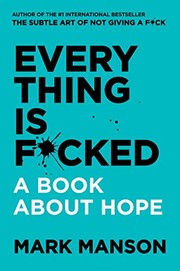
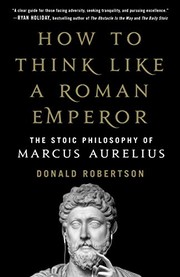
Recommended by: Patrick Bet-David, Ryan Holiday

Recommended by: Ryan Hoover

How exercise ties to human joys: self-expression, social connection and mastery.
Recommended by: Keith Rabois, Kevin Rose

Seven practices, steadiness to timelessness, joining brain science and meditation.
Recommended by: Andrew Wilkinson
Recommended by: Andrew Wilkinson
“I've been really enjoying Anthony de Mello's book Stop Fixing Yourself on this topic. It's a serious bucket of cold water over the head for anyone who's an obsessive striver.” — Andrew Wilkinson
Source: Newsletter
Recommended by: Andrew Wilkinson

“a new book by Robert Waldinger, the study's current director, and it drove this home.” — Andrew Wilkinson
Source: Essay
Recommended by: Andrew Wilkinson

Recommended by: Andrew Wilkinson
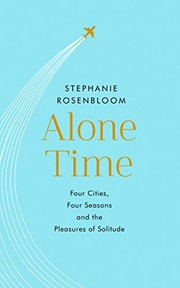
Recommended by: Arianna Huffington

Recommended by: Mohnish Pabrai


Recommended by: Arianna Huffington
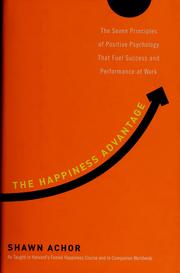
Recommended by: Arianna Huffington

Recommended by: Kevin Rose, Matt Mullenweg, Nick Thompson


 Mohnish Pabrairecommends 12 books here
 Arianna Huffingtonrecommends 8 books here
 Tim Ferrissrecommends 6 books here
 Naval Ravikantrecommends 5 books here
 Tony Hsiehrecommends 5 books here
 Ryan Holidayrecommends 3 books here
 Simon Sinekrecommends 3 books here
 Brené Brownrecommends 3 books here
 Jerry Colonnarecommends 3 books here
Show all 72
 Kevin Roserecommends 3 books here
 Matt Mullenwegrecommends 3 books here
 Ev Williamsrecommends 2 books here
 Keith Raboisrecommends 2 books here
 Maria Popovarecommends 2 books here
 Peter Attiarecommends 2 books here
 Tony Robbinsrecommends 2 books here
 Jim Collinsrecommends 1 book here
 Marc Andreessenrecommends 1 book here
 David Heinemeier Hanssonrecommends 1 book here
 Antonio García Martínezrecommends 1 book here
 Bill Gatesrecommends 1 book here
 Brian Armstrongrecommends 1 book here
 Bryan Johnsonrecommends 1 book here
 Eric Weinsteinrecommends 1 book here
 James Altucherrecommends 1 book here
 Jane McGonigalrecommends 1 book here
 Jason Calacanisrecommends 1 book here
 Mark Zuckerbergrecommends 1 book here
 Melinda Gatesrecommends 1 book here
 Patrick Bet-Davidrecommends 1 book here
 Patrick Collisonrecommends 1 book here
 Richard Bransonrecommends 1 book here
 Sam Altmanrecommends 1 book here
 Stewart Butterfieldrecommends 1 book here
 Tobi Lütkerecommends 1 book here
 Tom Bilyeurecommends 1 book here
 Tristan Harrisrecommends 1 book here
 Vinod Khoslarecommends 1 book here