Human nature, evolution and personality
Books on evolutionary psychology, genes and behaviour, intelligence, sex differences, and personality types and strengths.
Start here
- BehaveRobert M. Sapolsky, 2017
- The Red QueenMatt Ridley, 1993
- The Moral AnimalRobert Wright, 1994
- The Nurture AssumptionJudith Rich Harris, 1998
- Nature Via NurtureMatt Ridley, 2003
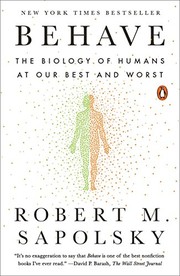
Explains an action by tracing its causes back from neurons to hormones to evolution.
“…books I've recommended, highlighted to death, or forced on friends.” — Andrew Wilkinson
Source: Andrew Wilkinson's Bookshelf, neverenough.com
Recommended by: Andrew Wilkinson, Bill Gates, Bryan Johnson and 5 others

Sex evolved as a defence against parasites, and that shapes human mating.
“I really highly, highly recommend picking up Genome, The Red Queen, Origins of Virtue, The Rational Optimist, and The Evolution of Everything.” — Naval Ravikant
Source: The Tim Ferriss Show — Naval Ravikant Q&A, full transcript
Recommended by: Mohnish Pabrai, Naval Ravikant, Seth Klarman and 1 other
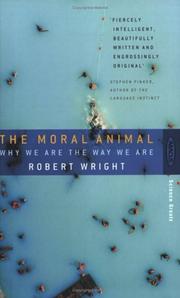
Evolutionary psychology explained through Darwin's own life and behaviour.
Recommended by: Mohnish Pabrai, Ryan Holiday, Morgan Housel and 2 others

Why parents have less effect on how children turn out than people assume.
“the one thing that I found to be really interesting, and to some degree liberating, is the work of Judith Rich Harris” — Michael Mauboussin
Source: The Tim Ferriss Show #659 — official transcript
Recommended by: Michael Mauboussin

How genes and experience interact, each shaping how the other acts.
Recommended by: Naval Ravikant
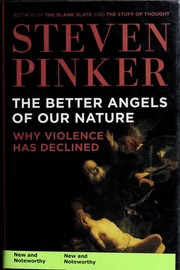
Evidence that violence of nearly every kind has declined over history, and why.
Recommended by: Bill Gates, Mohnish Pabrai, Morgan Housel and 6 others

How genes and experience interact, each shaping how the other acts.
Recommended by: Naval Ravikant
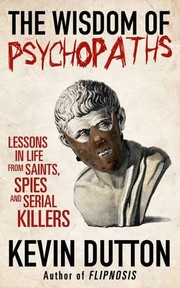
Traits of psychopathy and where they are rewarded in business
Recommended by: Morgan Housel

Behavioural genetics on how much of an outcome is inherited
Recommended by: James Cameron, Michael Mauboussin

Hanson and Simler make the most provocative claim in this list: that self-deception is not a flaw but an adaptive strategy — we hide our real motives from ourselves so we can more convincingly hide them from others. If true, the entire bias-correction project has a ceiling. This book belongs at the end so it reframes everything before it.
Recommended by: Nat Eliason, Ali Abdaal, Emmett Shear and 3 others

A 70-question test that sorts readers into 16 temperament types, like Myers-Briggs.
Recommended by: Mohnish Pabrai

Recommended by: Ray Dalio
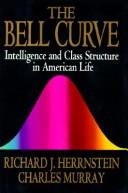
Recommended by: Eric Weinstein
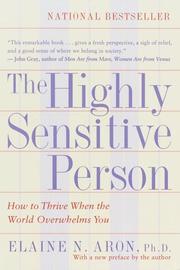
Recommended by: Graham Duncan


Recommended by: Mohnish Pabrai

Recommended by: Sheryl Sandberg
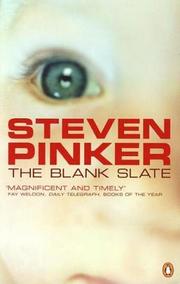
Recommended by: Mohnish Pabrai
Recommended by: Mohnish Pabrai



Recommended by: Mohnish Pabrai

Recommended by: Mohnish Pabrai
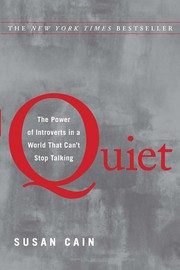
How schools and workplaces built for extroverts waste what introverts offer.
Recommended by: Mohnish Pabrai, Brad Feld, Cristina Cordova and 5 others
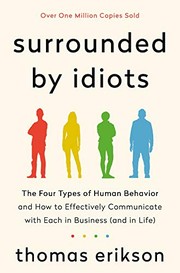


Recommended by: Tim Ferriss
Recommended by: Ryan Holiday

 Mohnish Pabrairecommends 11 books here
 Naval Ravikantrecommends 5 books here
 Ryan Holidayrecommends 4 books here
 Ray Daliorecommends 2 books here
 Bill Gatesrecommends 2 books here
 Brian Armstrongrecommends 2 books here
 Eric Weinsteinrecommends 2 books here
 Keith Raboisrecommends 2 books here
 Marc Andreessenrecommends 1 book here
Show all 44
 Brad Feldrecommends 1 book here
 Eric Schmidtrecommends 1 book here
 Reid Hoffmanrecommends 1 book here
 Seth Klarmanrecommends 1 book here
 Tyler Cowenrecommends 1 book here
 Simon Sinekrecommends 1 book here
 Ben Silbermannrecommends 1 book here
 Bryan Johnsonrecommends 1 book here
 Emmett Shearrecommends 1 book here
 James Cameronrecommends 1 book here
 John Arnoldrecommends 1 book here
 Mark Zuckerbergrecommends 1 book here
 Nir Eyalrecommends 1 book here
 Sheryl Sandbergrecommends 1 book here
 Stewart Brandrecommends 1 book here
 Susan Cainrecommends 1 book here
 Tim Ferrissrecommends 1 book here
 Tom Bilyeurecommends 1 book here
 Vinod Khoslarecommends 1 book here